
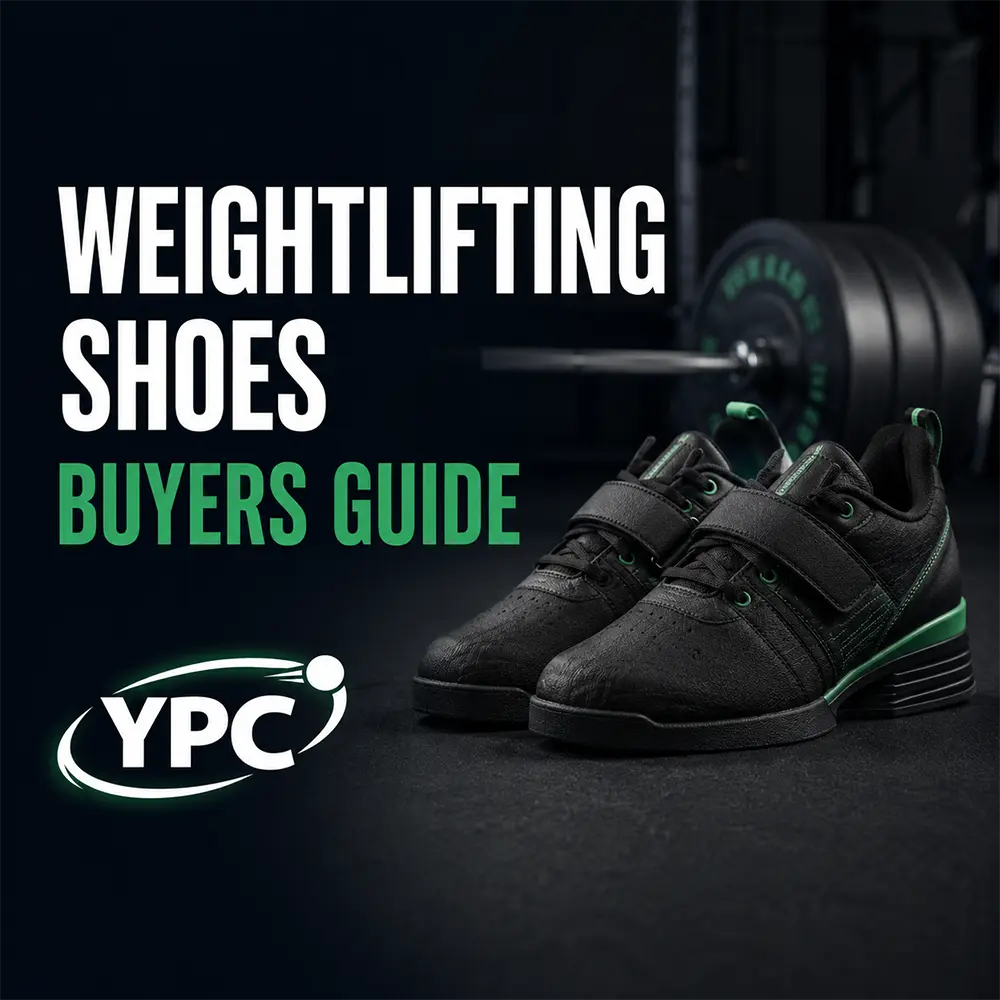
Weightlifting shoes are designed to provide a stable and predictable base for controlled strength training. This Buyers Guide explains how to compare different types of weightlifting shoes and understand which features matter most for lifting focused sessions. It is intended to support informed decision making rather than performance claims. By the end, you should be able to assess which styles suit your training approach, mobility needs, and gym use.
Quick Product Comparison Framework
| Decision Area | What Varies | Why It Matters |
|---|---|---|
| Heel height | Flat to raised | Influences squat depth comfort and ankle positioning |
| Sole rigidity | Very firm to slightly flexible | Affects stability under load |
| Platform width | Narrower to wider bases | Influences planted feel and balance |
| Upper structure | Minimal to highly structured | Affects foot security during lifts |
| Fastening style | Laces, straps, or combination | Impacts adjustability and lockdown |
| Intended use | Training or competition oriented | Helps match design to routine |
Specifications vary, see individual product pages for details.
Key Decision Criteria Explained
Heel height preference
Heel height influences ankle position and squat mechanics. Some lifters prefer a raised heel to support depth consistency, while others prefer flatter designs depending on movement style.
Platform stability
A firm, non compressive sole helps maintain consistent foot contact with the floor during lifts. This is particularly relevant for movements involving heavier loads.
Fit and foot security
Secure midfoot hold and heel stability help shoes feel predictable across repetitions. Fit should support stance without restricting natural toe movement.
Training style alignment
Different lifting styles place different demands on footwear. Shoes should align with the types of lifts performed most often.
Mixed use practicality
Some shoes are designed strictly for lifting, while others allow limited flexibility for broader gym use.
Product Type Differentiation and Variants
Raised heel weightlifting shoes
Often used for squat focused or Olympic style lifting where ankle positioning matters.
Flat sole lifting shoes
Typically chosen for deadlift focused or general strength sessions where a grounded feel is preferred.
Highly structured competition oriented shoes
Designed with firm platforms and secure uppers for consistent technique work.
More flexible training focused designs
May suit mixed strength sessions where absolute rigidity is less critical.
Specifications vary — see individual product pages for details.
Suitability by Reader Type or Need
- Novice lifters often benefit from predictable stability and secure fit.
- Powerlifting focused users may prioritise platform rigidity and stance consistency.
- Olympic style lifters often consider heel height comfort and ankle positioning.
- CrossFit style trainees may balance stability with limited flexibility for varied sessions.
- Mixed use gym trainers may prefer shoes reserved specifically for strength portions.
Suitability depends on routine structure rather than experience alone.
Common Mistakes and Misunderstandings
- Assuming weightlifting shoes replace proper technique development.
- Choosing heel height based on trends rather than comfort.
- Expecting lifting shoes to perform well for running or cardio.
- Overlooking fit in favour of stiffness alone.
- Using one pair for all gym activities despite different demands.
Clear expectations help avoid these issues.
Safety and Suitability Caveats
Weightlifting shoes support stability but do not guarantee improved lifting outcomes. Comfort, technique, and appropriate load management remain important. Footwear suitability can change as mobility, training focus, or routines evolve. No shoe design removes the need for controlled movement and awareness.
Maintenance Expectations and Lifespan Considerations
Firm soles and structured uppers maintain their feel when used primarily for lifting. Regular indoor use is typical for this category. Over time, fastening systems and uppers may show wear before sole rigidity changes. Lifespan varies depending on usage frequency and care.
How to Compare Models Efficiently
- Identify whether your training prioritises squats, deadlifts, or mixed lifts.
- Decide whether heel elevation improves your comfort and depth consistency.
- Assess how stable the shoe feels during stance and controlled movements.
- Compare fit security rather than flexibility alone.
- Consider whether the shoe will be used only for lifting or broader sessions.
This process helps narrow options without unnecessary complexity.
Summary Buyer Decision Checklist
- Primary lifting style and exercises
- Heel height comfort
- Platform firmness and width
- Fit security and foot stability
- Training versus competition use
- Mixed session practicality
- Budget limits
Frequently Asked Questions
Are weightlifting shoes necessary for beginners?
They are not mandatory. Some beginners choose them for stability and consistency, while others wait until their routine is established.
Do weightlifting shoes help with squat depth?
Heel height can influence comfort in deeper positions for some lifters. Results vary by mobility and technique.
Can weightlifting shoes be used for deadlifts?
Some lifters prefer flatter shoes for deadlifts. Suitability depends on personal preference and training focus.
Are weightlifting shoes suitable for CrossFit workouts?
They may work for strength focused portions. Many people switch footwear for running or dynamic movements.
Do competition rules affect shoe choice?
In some lifting formats, footwear rules exist. It is sensible to check requirements relevant to your chosen discipline.
For products in this category, visit:
https://www.ypc.co.uk/product-category/diet-fitness-and-exercise-equipment/activewear-and-footwear/footwear/weightlifting-shoes/