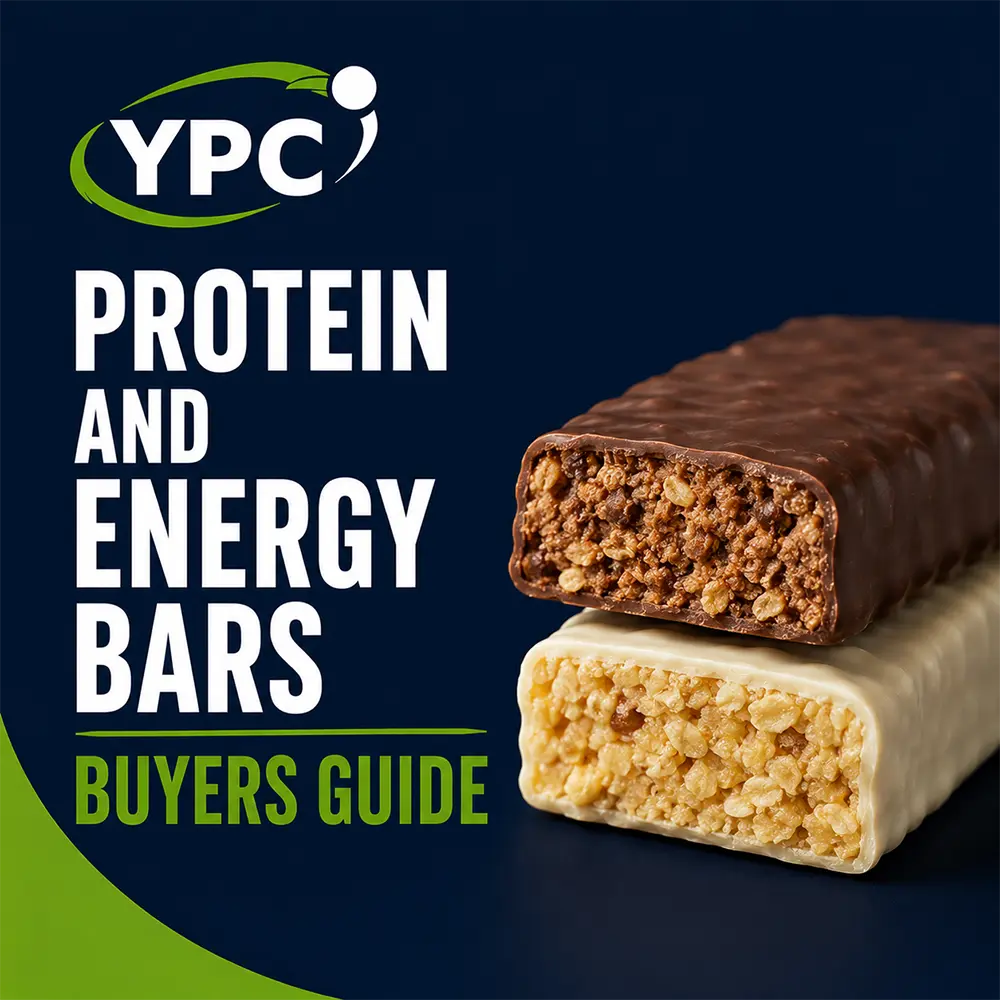
Protein and energy bars are bar format snacks designed for convenience during everyday routines and active days. This guide explains how to compare different bar types, textures and formats so you can choose options that suit your lifestyle and preferences. It focuses on clarity and suitability rather than nutrition claims or performance outcomes.
Quick Product Comparison Framework
| Feature area | What varies across products |
|---|---|
| Bar focus | Protein focused bars or energy style bars |
| Texture | Soft, chewy, nougat style, layered or crisp |
| Coating | Uncoated, chocolate style, yoghurt style |
| Portion size | Single bars or multipack formats |
| Packaging | Individually wrapped for portability |
| Use context | Training days, work, travel, outdoor activity |
Key Decision Criteria Explained
Bar purpose is a starting point. Some products are positioned around protein focused formulations, while others emphasise general energy style use.
Texture preference plays a major role in satisfaction. Soft bars feel different from crisp or layered bars.
Portion size affects suitability for everyday snacking versus active days.
Packaging style matters for storage in bags, cars or desks.
Ingredient lists should be reviewed carefully to ensure suitability for personal dietary considerations.
Product Type Differentiation and Variants
Some bars focus on protein oriented ingredient blends, while others are positioned as energy style snacks for general use.
Bars also differ in texture, coating type and firmness.
Specifications vary — see individual product pages for details.
Suitability by Reader Type or Need
People new to protein or energy bars often prefer familiar flavours and moderate portion sizes.
Those using bars during training or sports days may prioritise easy to eat textures and compact packaging.
Workday and travel users often value individually wrapped bars that store well.
Dietary preferences typically guide ingredient and coating choices rather than bar category alone.
Common Mistakes and Misunderstandings
Assuming all bars serve the same purpose can lead to unsuitable choices.
Choosing based only on flavour without checking texture may cause disappointment.
Overlooking portion size can affect how well a bar fits into daily routines.
Ignoring ingredient information may be an issue for those with dietary considerations.
Safety and Suitability Caveats
Always review ingredient information if you have allergies or dietary needs.
Suitability varies by individual preference rather than bar type alone.
No single bar format is appropriate for every situation or routine.
Maintenance Expectations and Lifespan Considerations
Shelf life varies by product and packaging.
Individually wrapped bars are designed for storage across days or weeks.
Keeping bars in cool, dry conditions helps maintain texture and consistency.
How to Compare Models Efficiently
Identify whether you prefer protein focused or general energy style bars.
Decide on preferred texture and coating type.
Match portion size to how and when you plan to snack.
Check ingredient lists for dietary suitability.
Compare multipacks versus single bars based on planning needs.
Summary Buyer Decision Checklist
- Preferred bar focus identified
- Texture and coating preferences considered
- Portion size matched to routine
- Ingredient list reviewed for suitability
- Packaging format fits storage needs
Frequently Asked Questions
What is the difference between protein and energy bars
Protein bars are typically positioned around protein focused ingredient profiles, while energy bars are positioned as general snack options. Individual products vary widely.
Are these bars suitable for everyday use
Many people use them as everyday snacks. Suitability depends on personal routines, portion preferences and ingredient considerations.
Can protein and energy bars be used during travel or hiking
Yes. Their individually wrapped format makes them convenient for travel and outdoor activities.
Do all bars have the same texture
No. Textures range from soft and chewy to firm or crisp. Product descriptions usually indicate texture style.
How should these bars be stored
Most bars are designed for storage at room temperature. Keeping them cool and dry helps maintain consistency.
For products in this category, visit:
https://www.ypc.co.uk/product-category/diet-fitness-and-exercise-equipment/diet-and-nutrition/healthy-foods-and-snacks/protein-and-energy-bars/