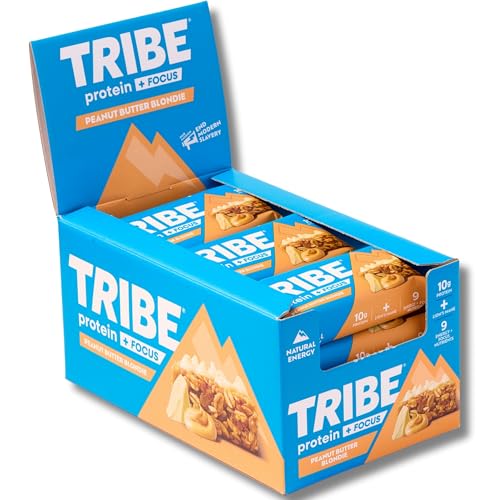
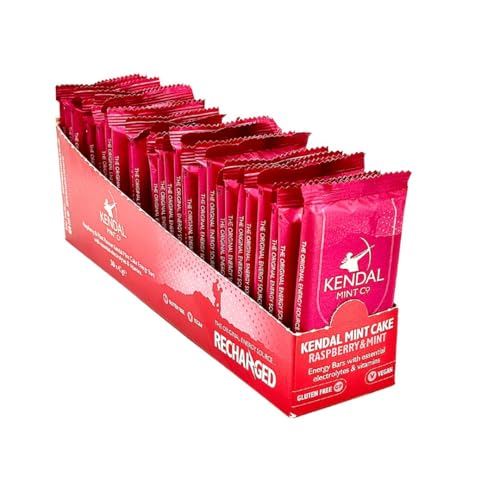
Protein and Energy Bars
Protein and energy bars are convenient snack options designed for people who want something easy to carry, quick to eat and simple to fit around active days. Whether you need a post workout snack, a handy bar for walking, something for travel or a practical option between meals, the right bar can help you choose more carefully than grabbing whatever is closest.
This category can include protein bars, energy bars, oat bars, cereal bars, high protein snacks, sports nutrition bars, vegan bars, gluten free options where listed and mixed flavour packs, depending on the products shown. Ingredients, nutrition values and suitability can vary widely, so always check the product label, allergens and dietary information before buying.
For help comparing different protein and energy bar options, see our Protein and Energy Bars Buyers Guide.
What Are Protein and Energy Bars?
Protein and energy bars are packaged snack bars made with ingredients such as protein sources, oats, grains, nuts, seeds, fruit, chocolate, sweeteners or carbohydrate sources, depending on the product. Some bars focus on protein content, while others are designed more around carbohydrate, calories or general snacking.
A protein bar is usually chosen when the buyer wants a snack with a listed protein amount. An energy bar is often chosen when the buyer wants a convenient source of calories or carbohydrates for busy or active use. The exact purpose depends on the ingredients and nutrition label.
What Are Protein and Energy Bars Used For?
Protein and energy bars are used for gym sessions, walking, hiking, cycling, work breaks, travel, commuting, packed lunches, outdoor activities, sports bags and general snacking. They are popular because they are portable, portioned and easy to keep in a bag, desk drawer or kit pocket.
For fitness users, a protein bar may be used after training or as part of daily protein intake where suitable. For walkers or cyclists, an energy bar may be useful during longer activities where carrying a normal meal is not practical. For busy days, a bar can be a convenient snack when time is limited.
They should not be treated as a replacement for a varied diet, but they can be useful when chosen sensibly and matched to your needs.
How To Choose The Right Protein or Energy Bar
Start by deciding why you want the bar. If your priority is protein, compare the listed protein per bar and the protein source where stated. If your priority is activity fuel, compare carbohydrates, calories and portion size. If you simply want a convenient snack, taste, texture and ingredients may matter more.
Next, check the nutrition label. Protein, carbohydrates, sugar, fibre, fat, calories and serving size can vary widely. Two bars that look similar may be very different once you compare the details.
Also check allergens and dietary suitability. Many bars may contain or be made near nuts, milk, soya, gluten, eggs or other allergens where listed. Vegan, vegetarian, gluten free or dairy free suitability should never be assumed unless clearly stated on the product.
Key Features To Compare
Protein content is one of the most useful features to compare. Some bars may list a higher protein amount, while others may be more balanced snacks. Choose based on your diet, activity and preference.
Carbohydrate content is also important, especially for energy bars. Some bars may be designed around oats, fruit or cereal style ingredients, while others may be lower carbohydrate or more protein focused where listed.
Sugar content can vary. Some bars use added sugar, fruit sugars, sweeteners or sugar alcohols where listed. If this matters to you, read the label carefully rather than relying on the product name.
Other useful features to compare include flavour, texture, bar size, calories, fibre content, fat content, protein source, vegan suitability where listed, gluten free wording where stated, multipack size, shelf life guidance and storage instructions.
Protein Bars Compared With Energy Bars
Protein bars usually focus on providing a listed amount of protein in a convenient snack format. They may suit people who track protein intake, train regularly or want a more filling snack option, depending on the product.
Energy bars usually focus more on providing calories or carbohydrates for active days, walking, cycling, hiking or busy routines. They may contain oats, cereals, fruit, syrup or other carbohydrate sources where listed.
The main choice is protein focus versus activity fuel. If you want a bar after training, protein may matter more. If you want something during a long walk or ride, carbohydrate and calories may be more relevant.
Protein and Energy Bars Compared With Protein Shakes
Protein shakes are usually mixed with water or milk and drunk from a shaker or bottle. They can be useful where a drink format is preferred, but they require liquid, mixing and cleaning.
Protein bars are ready to eat and easier to carry. They can be more practical for travel, work bags, gym bags and outdoor use. However, bars may also contain more varied ingredients, sweeteners or calories depending on the product.
The main trade off is convenience versus format. A shake may suit home or gym use, while a bar is often easier when you are out and about.
Protein and Energy Bars Compared With Normal Snack Bars
Normal snack bars may be chosen mainly for taste, convenience or a quick treat. They may not be designed around protein intake or activity use.
Protein and energy bars usually have a clearer nutrition focus where listed, such as higher protein, added fibre, carbohydrate content or sports style use. That does not automatically make every bar suitable for every buyer, so labels still matter.
The main difference is purpose. If you want a simple sweet snack, a normal bar may be enough. If you want a snack matched to training, walking or nutrition goals, compare protein and energy bars more carefully.
Guidance For Beginners, Regular Users And Active People
Beginners should start by choosing bars that are easy to understand and fit their normal routine. Compare flavour, ingredients, calories and allergens first before worrying about more detailed nutrition points.
Regular users may want to compare multipacks, variety packs, protein source, sugar content and how the bar fits into daily meals. If you eat bars often, ingredients and overall diet balance become more important.
Active people may compare bars by activity. A gym user may look more closely at protein content. A walker, cyclist or runner may compare energy, carbohydrates and how easy the bar is to carry and eat during activity where suitable.
Use Cases By Activity And Lifestyle
For gym training, protein bars can be useful after sessions or as a convenient snack, depending on your wider diet and the product’s nutrition label.
For walking and hiking, energy bars can be practical because they are easy to pack, simple to eat and useful when a full meal is not convenient. Check packaging and storage guidance before taking them outdoors.
For cycling, compact bars can fit into jersey pockets, bags or panniers where suitable. Texture matters, as some bars may be easier to eat on the go than others.
For work and study, protein and energy bars can be kept in a desk, bag or locker for busy days. They can be a better planned option than relying on last minute snacks.
For travel, individually wrapped bars can be convenient, but always check airport, destination and food import rules where relevant.
Ingredients, Allergens And Dietary Suitability
Ingredients should always be checked carefully. Protein and energy bars may contain milk, soya, nuts, peanuts, gluten, eggs, sesame or other allergens where listed. Manufacturing information may also mention possible traces.
Dietary suitability varies by product. Vegan, vegetarian, gluten free, dairy free, low sugar or high fibre claims should only be relied on where clearly stated in the listing or on the packaging.
If you follow a specific diet, have allergies, manage a medical condition or are buying for a child, read the label closely and seek appropriate advice where needed. Food products should always be chosen with personal suitability in mind.
Taste, Texture And Flavour Choice
Taste is a practical part of choosing protein and energy bars. A bar may look ideal on paper, but it still needs to be enjoyable enough for you to eat.
Texture can vary from chewy and dense to crisp, oat based, soft baked, crunchy or chocolate coated where listed. Some people prefer a lighter cereal style bar, while others prefer a richer protein bar.
Flavour choice also matters if you are buying multipacks. Chocolate, caramel, peanut, fruit, yoghurt style, cookie, brownie and nut flavours may be available depending on the products listed. Variety packs can be useful if you want to try different options before choosing a regular favourite.
Storage And Portability
Protein and energy bars are usually chosen because they are easy to carry, but storage guidance still matters. Some bars may soften in heat, become harder in cold conditions or need storing away from direct sunlight where stated.
For gym bags, rucksacks and lunch bags, individually wrapped bars can be practical. For outdoor use, choose packaging that can handle being carried without being crushed or opened accidentally.
Always follow the storage instructions on the product. Check use by dates and avoid eating bars if the packaging is damaged or the product looks or smells unusual.
Safety And Practical Considerations
Protein and energy bars are food products, so personal suitability matters. Check allergens, nutrition labels, ingredients and any warnings before eating.
Do not rely on bars as your only food source for long activities unless you have planned properly. For longer walks, rides or travel days, consider water, meals and other snacks as part of your full plan.
If you are pregnant, managing diabetes, following a medical diet, recovering from illness or using bars as part of a strict nutrition plan, seek suitable professional guidance before making them a regular part of your routine.
For children, choose age appropriate products and check ingredients, choking risk, allergens and sugar content carefully.
Care, Packing And Meal Planning Tips
Keep a few bars in places where they are useful, such as a gym bag, work drawer, walking pack or travel bag. Rotate them regularly so they do not sit forgotten past their date.
For outdoor activities, pack bars where they are easy to reach without unpacking everything. Keep wrappers until you can dispose of them properly.
When planning meals, think of bars as convenient support rather than the whole diet. Pairing a bar with water, fruit, yoghurt or a balanced meal later may be more practical depending on your needs.
Useful Accessories To Consider
Useful accessories may include water bottles, shaker bottles, lunch boxes, gym bags, rucksacks, cycling bags, running belts, hydration packs and food storage containers.
For training, a shaker, water bottle and gym bag can help keep snacks and drinks organised. For walking or cycling, a small pouch or side pocket can make bars easier to access during activity.
Why Buy From YPC?
At YPC, we understand active lifestyles and the need for practical products that work in real use. Protein and energy bars can vary by protein content, carbohydrate level, calories, flavour, texture, ingredients, allergens, dietary suitability and pack size, so it helps to compare the details carefully before choosing.
YPC makes it easier to browse protein and energy bars in a practical way, with options that can be compared by listed features, activity needs and personal preferences. Whether you are buying for training, walking, work, travel, gym bags or everyday snacks, you can browse and compare protein and energy bars at YPC to find suitable options for your routine.
FAQs
What is the difference between protein bars and energy bars?
Protein bars usually focus on providing a listed amount of protein, while energy bars often focus more on calories or carbohydrates for busy or active use. Check the nutrition label before choosing.
Are protein bars good after exercise?
A protein bar may be useful after exercise if it fits your diet and the listed protein content suits your needs. It should be considered alongside your normal meals and overall nutrition.
Are energy bars good for walking and hiking?
Energy bars can be useful for walking and hiking because they are easy to carry and eat outdoors. For longer activities, plan water, meals and other snacks as well.
Should I check the ingredients in protein and energy bars?
Yes, always check ingredients, allergens, nutrition values and suitability before buying or eating. This is especially important if you have allergies or follow a specific diet.
Are protein and energy bars suitable for children?
Some bars may be suitable for older children where appropriate, but always check ingredients, allergens, sugar content, portion size and age suitability. Seek advice where needed.
Are protein bars suitable for weight management?
They may fit into a weight management plan depending on calories, ingredients and overall diet, but they are not a magic solution. Compare labels carefully and consider professional advice if needed.
Can protein and energy bars replace meals?
They are usually better treated as convenient snacks or activity support rather than regular meal replacements, unless a product is clearly intended for that use and suits your needs.
Are vegan protein bars available?
Some protein bars may be vegan where listed. Check the product details for vegan suitability, protein source and allergen information before buying.
Do energy bars contain caffeine?
Some bars may contain caffeine or stimulating ingredients where listed, but many do not. Always check the label if you want to avoid caffeine or are sensitive to it.
How should I store protein and energy bars?
Follow the storage instructions on the packaging. Keep them away from heat, direct sunlight and damaged packaging, and check use by dates before eating.
Getting ready for Summer? View our Home and Garden Products
Heading outdoors this winter? Take a look at our Outdoor Clothing.


![Getbuzzing Nut Free Oat Protein Flapjack Bars – Gluten Free Healthy Snack with Natural Ingredients, High Fibre & School Safe – 12 x 55g Pack – [Chocolate Coconut] - Supports Running, Cycling and Gym](https://m.media-amazon.com/images/I/41ri6dT1wkL._SL500_.jpg)