Quick answer
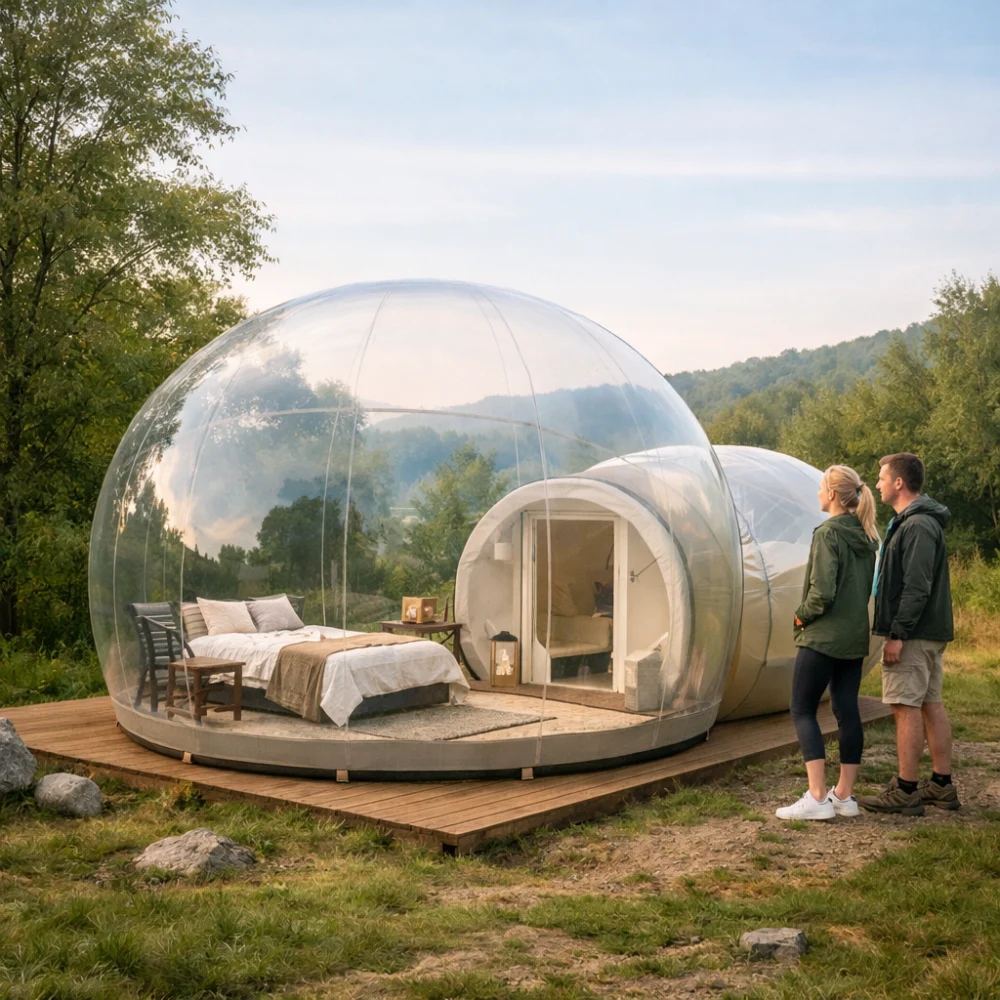
A bubble tent is usually chosen for the clear-view shelter style, so the main buying questions are about size, intended use, setup style and how much privacy you want. The right choice depends on whether you want a camping shelter, a garden feature, an event space or a display-style tent. Specifications vary by model, so always check the individual product page before buying.
If you are comparing bubble tents, focus first on the intended use, then on dimensions, structure, ventilation, access and how easy it is to put up and pack away. Visual appeal matters in this category, but practical fit matters more if you want the tent to be comfortable and usable.
It also helps to think about where the tent will be used. A bubble tent that suits a garden gathering may not be the best match for regular camping, and a model aimed at display or event use may have different trade-offs again.
Quick comparison framework
| Feature | What it means | Why it matters | What to check |
|---|---|---|---|
| Intended use | Whether the tent is aimed at camping, garden use, events or display-style shelter | Different uses place different demands on comfort, appearance and practicality | Read the product description and check the use case it is designed for |
| Size | The overall footprint and usable interior space | It affects who can use it and how comfortable it feels inside | Check the dimensions and think about space for people, seating or belongings |
| Structure type | How the tent is shaped and supported | It influences stability, setup and how much headroom or usable space you get | Look for the style described on the product page and compare it with your needs |
| Setup style | How the tent is assembled or inflated | Convenience matters if you will use it regularly or need a quicker setup | Check whether it is instant, inflatable or another style |
| Ventilation | How air can move through the tent | Important for comfort, especially in warmer conditions or longer stays | Look for vents, openings or other airflow features if listed |
| Privacy level | How open or enclosed the clear design feels | Some buyers want visibility, others want a more sheltered feel | Check whether the product balances clear viewing with privacy features |
| Portability | How easy it is to move, store and carry | Relevant if you will transport the tent often or have limited storage space | Check packed size, carry information and whether it is practical for your plans |
Key decision criteria explained
Intended use
The first decision is what you want the bubble tent to do. Some buyers want a novelty shelter for a garden or event setting, while others want a transparent camping-style space with a clear view. That choice affects almost every other decision, from size to convenience to how much emphasis you place on appearance.
The trade-off is simple: a highly visual tent may be more striking, but a more practical shelter may be easier to live with. Check the product page for the stated use and avoid assuming that all bubble tents serve the same purpose.
Size and usable space
Size is one of the most important factors because clear-sided tents can look spacious in photos while still feeling limited in real use. Think about how many people will actually use it, whether you want room for luggage or seating, and whether you need extra space to feel comfortable.
A larger tent usually gives more flexibility, but it can also be less convenient to set up, move or store. If specifications vary by model, always compare the listed dimensions rather than relying on the product name alone.
Setup style and convenience
Bubble tents may differ in how they are assembled or supported. For some buyers, quick setup is a major advantage; for others, occasional use means convenience matters less than the finished look or usable space.
The trade-off is between speed and the kind of shelter experience you want. Check whether the product is described as instant, inflatable or another setup type, and consider whether that suits how often you plan to use it.
Ventilation and comfort
Because bubble tents often have a more enclosed feel, ventilation becomes a practical consideration rather than a technical detail. If you expect people to spend time inside the tent, airflow can matter for comfort.
Look for product page information about openings, vents or airflow features where provided. More enclosed designs may look impressive, but they can be less comfortable for longer periods if ventilation is limited.
Privacy versus visibility
The clear look is the main reason many buyers choose this category, but it is worth deciding how much visibility you actually want. A very open design can be good for views and display, while some buyers may prefer a more sheltered feel for everyday use.
This is a preference issue as much as a functional one. If privacy matters, make sure the product page explains how the tent manages visibility and enclosure.
Product type differentiation and variants
Bubble tents can appear in several practical forms, and the differences matter more than the name on the listing. Some are designed as simple clear-view shelters, while others lean more towards garden display, event use or temporary social space. Specifications vary by model, so always check the individual product page before buying.
- Pop-up style bubble tents may suit buyers who want faster setup and simpler handling. The limitation is that convenience can come with compromises in space or flexibility.
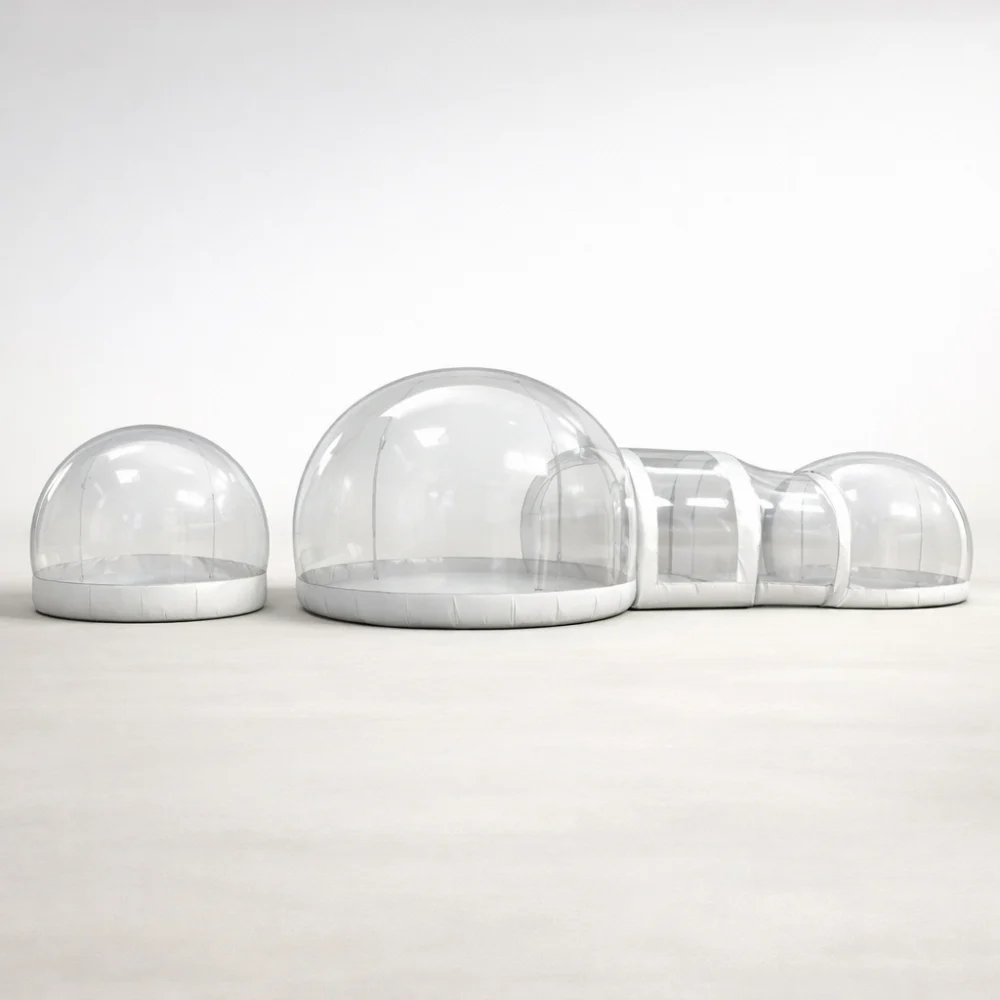
- Inflatable bubble tents may suit buyers who want a distinctive enclosed look and are comfortable with a setup method that is different from a traditional pole tent. The limitation is that the practical details of support and preparation matter more.
- Display or event-style bubble tents may suit garden, promotional or social uses where appearance is a major factor. The limitation is that they may not be the most convenient choice for regular camping.
- Outdoor shelter-style bubble tents may suit buyers who want weather-conscious cover with a clear view. The limitation is that comfort and suitability still depend on the specific model.
It is also worth keeping bubble tents separate in your mind from other tent categories. A bubble tent is not simply a dome tent, tunnel tent or pop-up tent with a different shape; the clear-view design changes how buyers judge privacy, comfort and presentation.
Suitability by buyer type or need
| Buyer type or need | What to prioritise | What to avoid overemphasising |
|---|---|---|
| First-time buyer | Simple product descriptions, clear dimensions and easy setup information | Do not focus only on appearance |
| Garden user | Visual style, comfort, visibility and fit for the available space | Do not assume camping features are the main priority |
| Camping buyer | Practical shelter use, size, portability and comfort | Do not choose on looks alone |
| Event or display buyer | Presentation, footprint and how the tent will be used in the space | Do not ignore setup complexity |
| Buyer wanting easier handling | Setup style, packed size and general convenience | Do not assume the largest tent is the easiest to manage |
| Buyer prioritising a spacious feel | Usable interior space and dimensions | Do not rely on product photos alone |
Common mistakes and misunderstandings
Assuming a clear tent is automatically practical. The visual effect can be appealing, but the real question is whether the tent suits how you intend to use it. A better approach is to check size, access, comfort and setup details first.
Choosing on appearance alone. Bubble tents are distinctive, which makes it easy to focus on the look and overlook usability. A more useful comparison is to ask whether the tent suits your space, the number of people and the amount of handling you are willing to accept.
Ignoring the setup style. Convenience can vary a lot between models. If you expect to move or use the tent often, the way it goes up and comes down matters just as much as the final appearance.
Overlooking ventilation and privacy. A clear design can feel airy or exposed depending on the model. It is worth checking how the product handles airflow and whether the open look matches your comfort level.
Not checking dimensions carefully. Product names and images can suggest scale, but measurements are the reliable guide. Always compare the listed size with the space you have and the way you plan to use it.
Safety and suitability caveats
Buyers should use bubble tents only as intended and choose a model that suits the planned setting. Consider who will be using it, how much space is available and whether the design matches the activity.
If children will be involved, it is sensible to check the product page carefully and supervise where appropriate. For outdoor use, also think about the conditions and the suitability of the tent for the space and occasion.
Do not assume every bubble tent is equally suitable for every environment. The product page should be the final check for any model-specific suitability points.
Maintenance, storage and lifespan considerations
Bubble tents usually benefit from careful storage, especially if you want them to stay presentable and easy to use. Keeping parts together and storing the tent properly can help avoid unnecessary wear.
As with many tent products, rough handling may shorten the life of the item. Materials, supported structure and accessories can vary by model, so treat the product page as the place to confirm what is included and how the tent is meant to be used.
If a model uses accessories or a powered setup element, check the individual listing for those details. Specifications vary by model, so always check the individual product page before buying.
How to compare models efficiently
- Start with the main use: camping, garden, event or display.
- Check the size and whether the usable space fits your needs.
- Compare the setup style and think about how often you will use it.
- Look at ventilation, privacy and comfort rather than appearance alone.
- Check packed size and portability if you will move or store it often.
- Read the individual product page carefully before buying.
Summary buyer decision checklist
- Have I chosen a bubble tent for the right use case?
- Do the dimensions fit the people and space I have in mind?
- Does the setup style suit how often I will use it?
- Have I checked ventilation and privacy needs?
- Is the tent practical to store and move?
- Have I read the product page for model-specific details?
Frequently asked questions
What is a bubble tent usually used for?
Bubble tents are usually bought for clear-view shelter, garden use, events or camping-style spaces where the visual effect matters. The main point is to check that the product is aimed at the same kind of use you have in mind.
Are bubble tents good for camping?
Some may be suitable for camping-style use, but not all bubble tents are made with that in mind. Look closely at size, convenience and shelter details before assuming a model is a camping match.
What should I check first when buying a bubble tent?
Start with the intended use, then check the dimensions and the setup style. After that, look at ventilation, privacy and portability so you can judge how the tent will feel in real use.
Do bubble tents need more space than they look like in photos?
Often, yes. Photos can make a tent look roomier than it is, so the listed measurements are the safer guide. It helps to think about usable space, not just the footprint.
Is a bigger bubble tent always better?
Not necessarily. Bigger can mean more space, but it can also mean more to manage and store. The right size is the one that fits your use case without making setup or handling awkward.
How important is ventilation in a bubble tent?
It can be very important if people will spend time inside the tent. Clear designs may feel more enclosed than they look, so it is worth checking whether the model includes openings or airflow features.
Should I buy for appearance or practicality first?
For most buyers, practicality should come first and appearance second. The bubble tent look is the reason to shop in this category, but size, setup and comfort determine whether you will enjoy using it.
Why do product pages matter so much in this category?
Because bubble tents can vary widely in use, setup and size, the product page is where the important model-specific details should be checked. Specifications vary by model, so always check the individual product page before buying.
For products in this category, visit: Bubble Tents