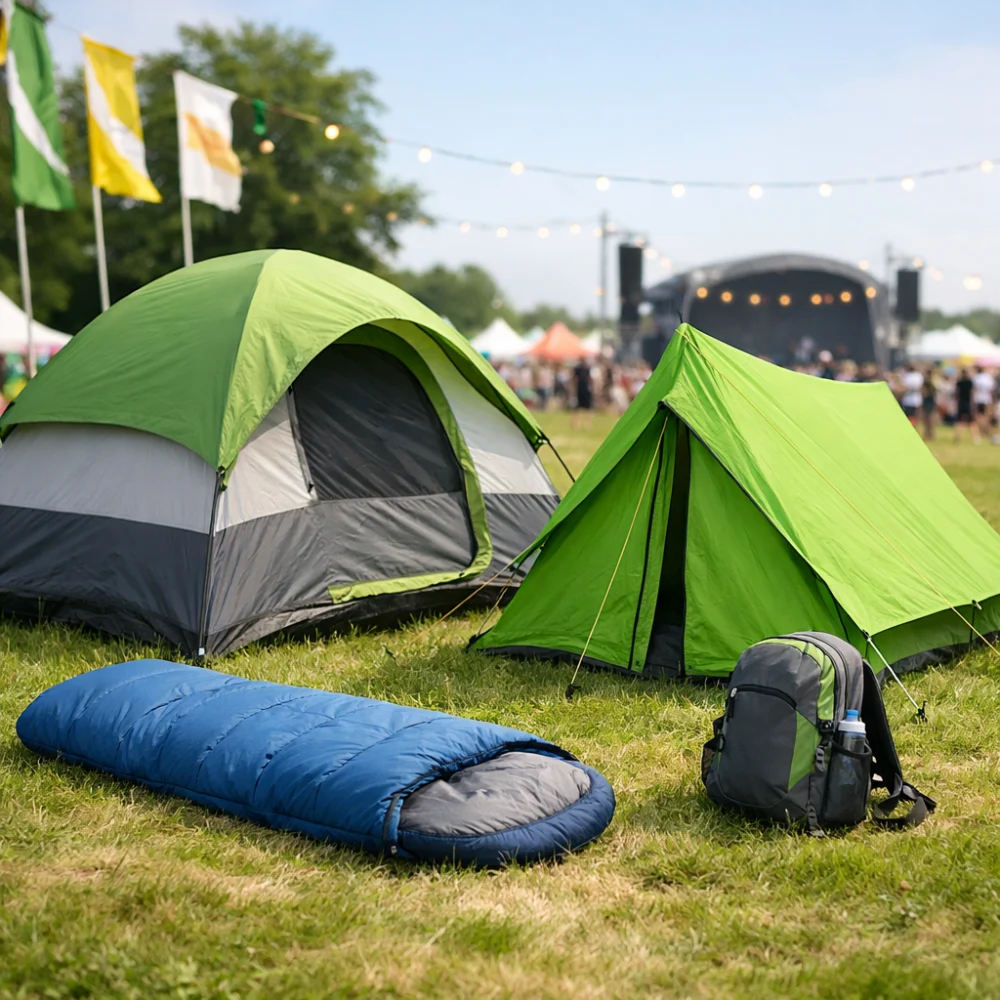
Festival tents are usually chosen for short stays, easy setup, and enough comfort to make a weekend away simpler. This guide is for buyers who want to compare tent styles, understand what matters most, and avoid choosing on looks alone.
Festival tent specifications vary by model, so always check the individual product page before buying. That is especially important for capacity, setup style, packed size, and weather-related claims.
If you are choosing for yourself, a friend, or a group trip, the main decision is usually not just size. It is about how easy the tent is to carry, pitch, and live with for a few nights.
Quick Answer
Choose a festival tent based first on who will use it, how much space you actually need, and how easy it is to pitch after a long journey or late arrival. For most buyers, a compact tent that is simple to set up and pack away is more practical than a larger model that is awkward to carry or assemble. Check the listed capacity carefully, then allow for kit, bags, and a bit of personal space. If you are comparing several tents, focus on setup style, packed size, and comfort rather than appearance alone.
Quick Product Comparison Framework
| Feature | What It Means | Why It Matters | What To Check |
|---|---|---|---|
| Capacity | How many people the tent is meant to accommodate | A tent can feel very different once bags and sleeping kit are inside | Check the stated capacity and think about how much personal space you want |
| Setup style | How the tent is pitched and assembled | Some buyers want the simplest possible setup after travel or in poor light | Look for descriptions that explain whether it is quick to pitch or more involved |
| Packed size | How much space it takes up when folded away | Important if you are carrying it by hand, in a car, or with other camping kit | Compare the packed dimensions on the product page |
| Weight | How heavy the tent is to transport | Can matter if you have a long walk from the car or limited carrying space | Check the listed weight where shown |
| Interior space | How usable the sleeping area feels once the tent is up | Some tents are fine for sleeping but feel tight for changing or storing kit | Look at shape, headroom, and layout if these are listed |
| Weather suitability | General design features that may help in mixed conditions | Festival weather can change quickly, so a little extra protection is useful | Read the product page carefully and do not assume all tents offer the same level of cover |
| Ventilation | How well air can move through the tent | Helps comfort in warm weather and can reduce stuffiness | Check for vents, mesh panels, or airflow features if mentioned |
| Storage features | Pockets, loops, or simple spaces for keeping kit organised | Useful when you want to keep small items off the floor | See whether the product page mentions storage points or internal organisation |
Key Decision Criteria Explained
Capacity and real usable space
Capacity is one of the most misunderstood parts of tent buying. The stated number often gives a basic guide, but it does not always reflect how comfortable the tent will feel with bags, clothes, and wet gear inside. Buyers usually care because festival camping is easier when there is enough space to sleep and still move around without everything feeling crowded.
The trade off is simple: a bigger tent usually offers more room, but it can also mean more to carry and more to pitch. Check the product page for the stated person count, then think about whether you want a snug sleeping space or a little extra room for comfort.
Setup style and ease of pitching
Festival buyers often want something that feels straightforward after a long day of travel. Some tents are chosen mainly because they are easier to set up and pack away, while others may give more space but need more time and care.
The key trade off is convenience versus room or structure. If you are a first-time buyer, a simple setup may matter more than extra internal features. Always check the individual product page before buying, because setup style can vary a lot from model to model.
Packed size and carrying comfort
Packed size matters more than many shoppers expect. A tent that sounds ideal on paper can be inconvenient if it is bulky for your bag, car boot, or walk to the pitch.
The trade off is often between compactness and comfort. Smaller packed tents can be easier to transport, while larger or more spacious designs may take up more room. Check both the packed dimensions and how you plan to carry the tent to the site.
Interior shape and headroom
Two tents with the same capacity can feel very different inside. Shape affects how easy it is to sit up, change clothes, and store kit. Headroom can matter as much as length if you do not want the tent to feel cramped.
Buyers often care about this when camping for more than one night or sharing with another person. Look at the overall layout and any stated measurements, then decide whether the tent suits sleeping only or slightly longer stays too.
Ventilation and comfort
Ventilation helps a tent feel more comfortable, especially in warmer weather or when two people are sharing a smaller space. It is not just a detail for hot days; it can affect how pleasant the tent feels overnight.
The trade off is usually between extra airflow and a more enclosed design. Check for vents or mesh features if the product page mentions them, but remember that details vary by model, so always check the individual product page before buying.
Weather protection claims
Festival tents are often used in changeable conditions, but buyers should read weather-related wording carefully. A product may be described as offering protection or resistance, yet the exact design and performance details can differ by model.
Focus on the wording used on the product page rather than assuming all tents in the category do the same job. If weather matters to you, compare the listed features carefully and keep your expectations realistic.
Product Type Differentiation and Variants
Festival tents usually overlap with other camping tent styles, but buyers often see a few broad variants within the category.
Compact easy-pitch tents
These suit buyers who want a straightforward camping option for short trips and quick arrival. They are often the most practical choice for first-time festivalgoers or anyone who wants less hassle at the campsite.
The main limitation is that easier pitching can sometimes come with less interior generosity. Specifications vary by model, so always check the individual product page before buying.
More spacious festival tents
These are for buyers who value extra room for sleeping, changing, or keeping kit inside. They can feel more comfortable if two people are sharing and want a little more breathing space.
The limitation is that added room may also mean more bulk to transport or more effort to set up. Specifications vary by model, so always check the individual product page before buying.
Simple shelter-style options
Some festival shoppers look for lighter, simpler shelter rather than a more fully enclosed camping tent. These may suit short stays, fair-weather use, or buyers who value portability.
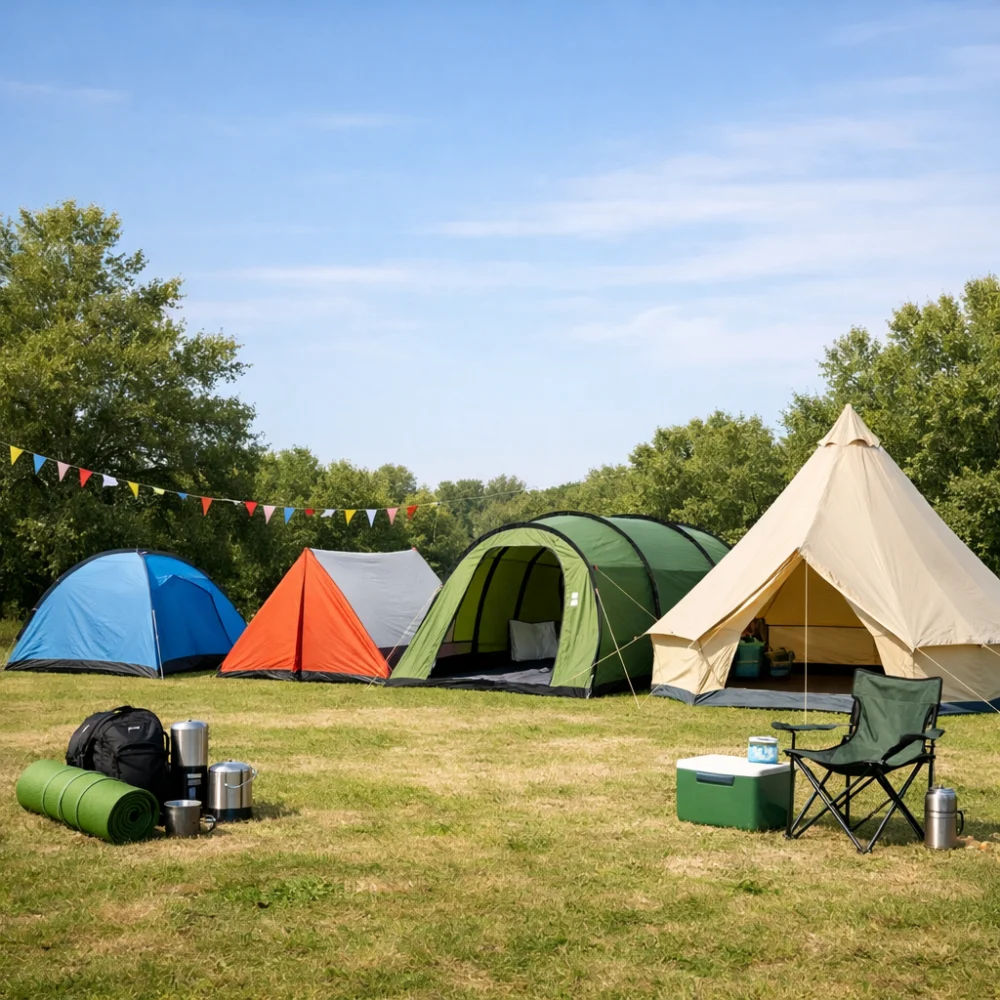
The main thing to understand is that simpler shelters may offer less privacy or less enclosed living space than a standard tent. Specifications vary by model, so always check the individual product page before buying.
Suitability By Buyer Type Or Need
| Buyer type or need | What to prioritise | Why it suits them |
|---|---|---|
| First-time buyer | Simple setup, clear capacity, easy packing | Makes the first trip less stressful and reduces the chance of choosing something awkward |
| Solo festivalgoer | Compact size, light carry, enough room for essentials | Usually wants convenience over extra space |
| Couple | Comfortable internal space, workable layout, manageable packed size | Sharing a tent is easier when there is room for bags as well as sleeping space |
| Friends sharing | Capacity, interior organisation, practical setup | Shared camping needs more room planning and a tent that does not feel cramped |
| Buyer with a long walk to camp | Packed size, weight, carry comfort | Transport convenience matters more when you are carrying kit over distance |
| Buyer who wants quick pitching | Simple setup style and straightforward assembly | Useful when arriving late or wanting less time spent on setup |
| Buyer who wants more comfort | Extra space, headroom, and sensible organisation | Better if the tent will be used for more than just sleeping |
Common Mistakes And Misunderstandings
Assuming capacity means comfort. A tent listed for a certain number of people may still feel tight once bags and kit are inside. A better approach is to think about how much usable room you really want.
Choosing size without checking portability. A larger tent may be appealing, but it can become inconvenient if it is heavy or bulky to carry. Check packed size and transport needs before deciding.
Ignoring setup time. Some buyers focus on space and forget that setup can be the part they notice most on arrival. If you want less hassle, give setup style real weight in your comparison.
Overlooking ventilation. A tent that looks fine in pictures may feel stuffy if airflow is not considered. This matters most for shared tents and warmer weather.
Confusing festival tents with other tent categories. Dome, tunnel, pop up, hiking, family, and other styles are designed with different priorities. Keep the focus on festival use so you do not end up paying for features you do not need.
Safety And Suitability Caveats
Use the tent only as intended and check the product page information before buying. Consider whether the tent suits the people using it, the space available, and the type of trip you have in mind.
If younger campers will be using it, make sure the size and setup style are manageable for them and that supervision is appropriate. Also think about the campsite layout and whether the tent suits a sensible sleeping space for the group.
Do not assume every festival tent offers the same level of protection or comfort. Read the individual listing carefully and keep expectations realistic.
Maintenance, Storage And Lifespan Considerations
Festival tents tend to last longer when they are stored carefully and allowed to dry properly after use. Keeping the tent, pegs, and accessories together also makes it easier to find everything next time.
Foam or fabric parts, seams, poles, and fastenings can wear over time depending on use and handling. Rough treatment, repeated packing, and poor storage may shorten lifespan. If any model uses batteries or extra components, check the product page for the exact details because specifications vary by model.
How To Compare Models Efficiently
- Decide who will use the tent and how many people need to fit comfortably.
- Check whether you want the simplest setup or more interior space.
- Compare packed size and carry convenience against the room you gain.
- Look at layout, headroom, and ventilation if these are listed.
- Read the weather-related wording carefully and keep expectations realistic.
- Check the individual product page before buying, especially where specifications vary by model.
Summary Buyer Decision Checklist
- Have I chosen a tent size that suits the actual number of users?
- Will there still be enough room for bags and personal kit?
- Is the setup style simple enough for my trip?
- Does the packed size suit how I will carry or store it?
- Have I checked ventilation and interior comfort?
- Have I read the product page carefully for model-specific details?
Frequently Asked Questions
What makes a tent a good festival tent?
A good festival tent is usually one that is easy to carry, simple enough to pitch, and comfortable enough for short stays. It should suit the number of people using it without feeling cramped. Packed size and setup convenience often matter more than extra features.
Is a bigger festival tent always better?
Not necessarily. Bigger tents can give you more room, but they may also be heavier, bulkier, and slower to pitch. The better choice is the tent that fits your trip and the amount of space you actually want.
Should I choose a tent that is easy to pitch?
For many festival buyers, yes. Quick and simple setup is often a major benefit, especially if you arrive late or want a low-stress start to the trip. That said, some buyers will prefer extra space even if the setup is less convenient.
How much space do I really need?
Think beyond the number of sleepers. You may also want room for bags, clothes, and a little movement inside the tent. If you want a more relaxed camping experience, look for a bit more space than the minimum capacity suggests.
What should I check on the product page before buying?
Check the stated capacity, setup style, packed size, and any details about ventilation or interior layout. If weather-related wording matters to you, read that carefully too. Specifications vary by model, so always check the individual product page before buying.
Are festival tents suitable for more than one night?
Many buyers use them for weekend trips and short stays, but comfort depends on the model and how much space you need. If you expect to spend more time in the tent, comfort and organisation become more important. Always check the product page for model-specific details.
What is the biggest mistake people make when buying a festival tent?
One common mistake is choosing based on capacity alone. Another is forgetting to check how easy the tent is to carry and set up. A tent that looks good on paper may be a poor fit if it is awkward for your actual trip.
For products in this category, visit: https://www.ypc.co.uk/product-category/camping/tents/festival-tents/