

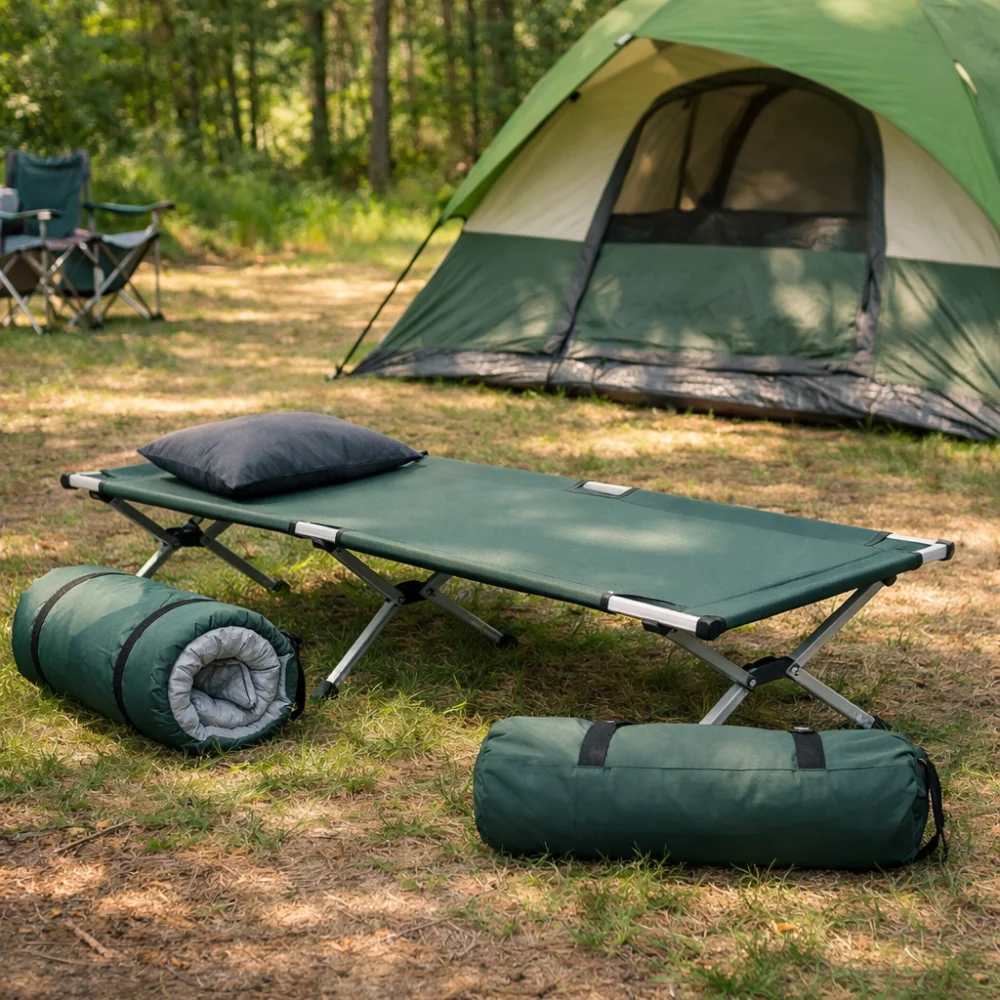
Camping beds can make a big difference to how well you sleep outdoors or when you need an extra bed for occasional use. They are not all the same, so the right choice depends on who will use it, how often it will be moved, and how much comfort you want versus how much space you can spare.
This guide is for buyers comparing camping beds for trips, guest sleeping, car camping, fishing, office naps, or general portable use. Specifications vary by model, so always check the individual product page before buying.
Compare Camping Beds


As an Amazon Associate we earn from qualifying purchases.
Quick answer
The right camping bed is usually the one that balances comfort, size, and portability for your specific use. If you want something easy to carry and store, look for a compact folding design; if comfort matters more, compare wider frames, support style, and any included mattress or cushion. For two people or a guest setup, check the sleeping area and folded size carefully. Specifications vary by model, so always check the individual product page before buying.
Quick product comparison framework
| Feature | What it means | Why it matters | What to check |
|---|---|---|---|
| Size and sleeping space | The bed’s overall length, width, and whether it is for one person or two | Comfort and fit depend on having enough space for the user | Check the sleeping dimensions and whether the product is single or double |
| Folded size | How much space the bed takes up when packed away | Important for car boots, cupboards, and carrying between uses | Compare folded dimensions and storage needs |
| Portability | How easy it is to move, carry, and store | Matters for travel, festivals, fishing, and frequent setup | Look for carry bag details and how compact the bed is |
| Support style | The way the bed supports the sleeper, such as a simple cot-style frame or a bed with additional padding | Affects comfort, feel, and weight | Read the product description for frame and surface details |
| Ease of setup | How straightforward it is to unfold, position, and put away | Useful if the bed will be used often or moved regularly | Check whether the product is described as folding, portable, or quick to set up |
| Intended use | Where and how the bed is meant to be used | Some beds suit camping, while others are also practical for guests or indoor use | Look at the stated use cases on the product page |
| Extras | Added features such as a side pocket, carry bag, or mattress element | Can improve convenience, but may add bulk or weight | Decide which extras are genuinely useful to you |
Key decision criteria explained
Size and sleeping space
Size is one of the most important choices. A bed that is too narrow or short can feel cramped, while a larger one may be harder to carry or store. Buyers often focus on comfort first, but you should also think about the room available in a tent, vehicle, spare room, or storage area.
Check the product page for the sleeping dimensions and whether the bed is described as single or double. If you are buying for a taller person or for two sleepers, do not assume a standard listing will suit automatically.
Portability and folded size
Portability matters more than many buyers expect. A bed that looks comfortable may still be awkward to transport if it folds into a bulky shape or needs more storage space than you have available.
If you plan to move it often, compare folded size and carrying details rather than looking only at the open size. This is especially important for travel, car camping, guest use, or keeping one in a small home.
Comfort versus simplicity
Some camping beds are designed to be simple, light, and easy to pack. Others place more emphasis on a cushioned or mattress-style feel. There is usually a trade off between comfort and convenience, so it helps to decide which matters more for your use.
If the bed will be used for longer trips or more frequent sleeping, comfort may be worth prioritising. If it is only for occasional use, a simpler bed may make more sense.
Ease of setup
Many buyers underestimate how much easier life is with a bed that is simple to unfold and put away. That matters if you will set it up regularly, use it in changing spaces, or want less fuss at the end of a long day.
Look for clear wording such as folding, portable, or easy to store, but still check the product page carefully because specifications vary by model, so always check the individual product page before buying.
Extras and practical features
Features such as a side pocket, carry bag, or included bedding elements can be useful, but only if they match your actual needs. Extras are not automatically better if they add weight, bulk, or complexity.
A simple rule is to ask whether a feature makes the bed easier to live with, or whether it is just adding clutter.
Product type differentiation and variants
Camping beds usually fall into a few broad types. The exact structure and features differ by model, so always check the individual product page before buying.
Single folding camp beds
These suit solo campers, occasional guest use, and buyers who want a relatively simple portable bed. They are often chosen for ease of handling and storage. The main limitation is that they may not suit buyers who want a wider sleeping area.
Double camping beds
These are aimed at couples or buyers who want a shared sleeping surface. They can be useful for some camping setups or indoor guest use. The trade off is usually size and weight, so they may be less convenient to move or store than a single model.
Camp beds with added cushioning or mattress elements
These are often chosen by buyers who want more comfort than a basic cot-style bed. They may feel more like a proper sleeping setup, but they can take up more space or be less convenient to transport.
Compact portable beds for travel or day use
These are typically chosen for buyers who value convenience over maximum sleeping space. They can suit car trips, short stays, or occasional use in different locations. The main limitation is that a compact design may involve a smaller sleeping area or simpler support.
Specifications vary by model, so always check the individual product page before buying.
Suitability by buyer type or need
| Buyer type or need | What to prioritise | What to be careful about |
|---|---|---|
| First-time buyer | Simple folding design, clear size information, easy storage | Do not choose only by appearance; check dimensions and folded size |
| Solo camper | Portability, compact storage, comfortable single sleeping space | A very small bed may feel too restrictive if used often |
| Couple or shared sleeper | Double size, stable support, enough room for both users | A larger bed may be harder to move and store |
| Guest bed buyer | Easy setup, indoor-friendly practicality, quick storage | Consider how often it will be used and where it will be kept |
| Car camper | Folded size, portability, comfort for overnight use | Check whether the bed fits the available space when packed |
| Fishing, travel, or day-use buyer | Quick handling, portability, convenience | Heavy or bulky designs may be less practical for frequent moving |
| Buyer wanting more comfort | Wider sleeping area, padded feel, added support details | Comfort-led designs may be less compact |
| Buyer with limited storage | Compact folded size, simple frame, easy to stow | A larger bed can become inconvenient even if it sleeps well |
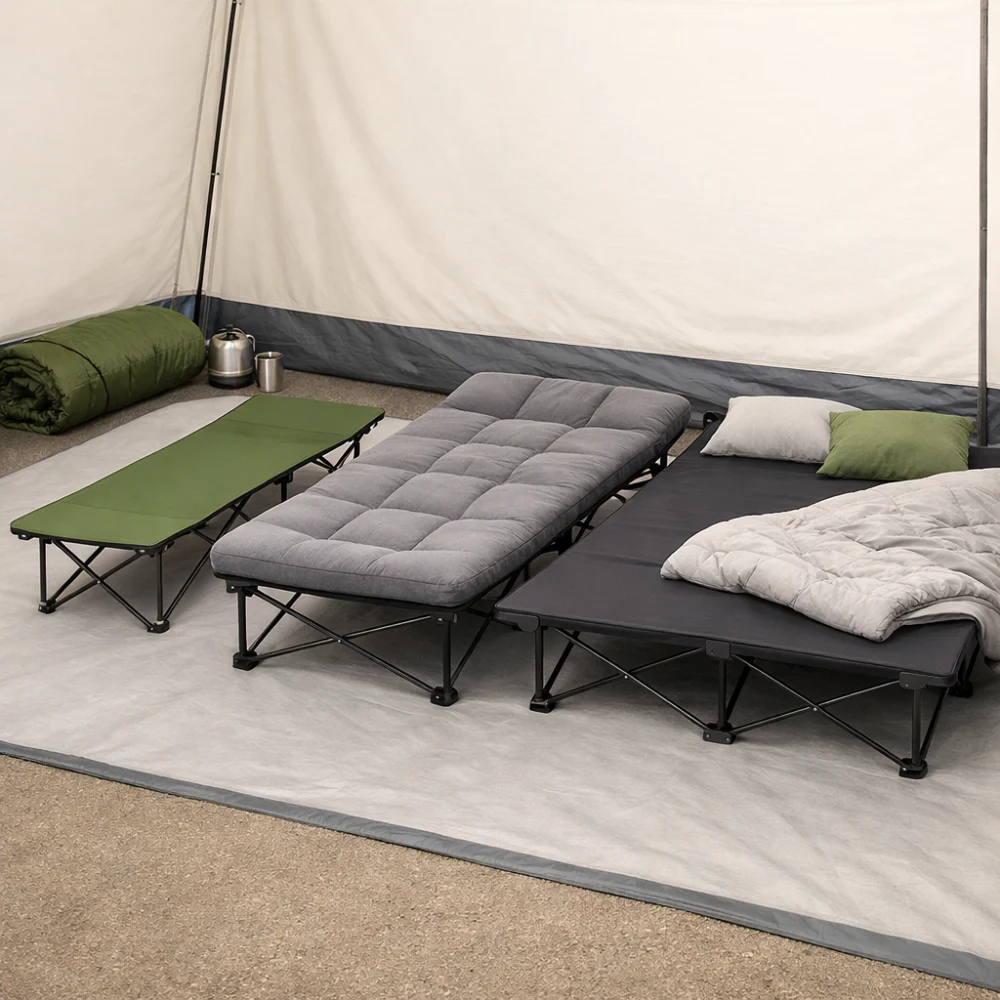
Common mistakes and misunderstandings
Assuming bigger is always better. A larger camping bed may feel more spacious, but it can also be harder to carry, fit, and store. Choose size for the actual user and available space, not just for the idea of extra room.
Ignoring folded size. Some buyers focus on sleeping dimensions and only later realise the packed bed is awkward for their storage area or vehicle. Check both open and folded dimensions before deciding.
Choosing comfort without thinking about use. A more comfortable bed may be the right choice for longer stays, but it may be unnecessary for occasional use. Think about how often it will be used and how much inconvenience you can accept.
Overlooking setup and handling. A bed that looks suitable on paper may still be frustrating if it is too cumbersome for the person using it. Match the design to the buyer’s strength, routine, and storage situation.
Forgetting that accessories are optional, not essential. Features like carry bags or side pockets can help, but they are only worthwhile if you will actually use them.
Safety and suitability caveats
Camping beds should be used only as intended and chosen with the user’s age, size, and handling ability in mind. For younger users, buyer judgement and supervision may be appropriate.
Also consider where the bed will be used. A tent, indoor room, or outdoor campsite may all create different practical needs, especially around space and stability. Check the product page information carefully, and do not assume one model suits every situation.
Maintenance, storage and lifespan considerations
Basic care can help a camping bed last longer. Keeping it clean, dry, and stored properly usually makes it easier to use next time and helps protect moving parts or fabric surfaces where relevant.
Foam, padding, and fabric elements can wear over time, and rough use may shorten the bed’s lifespan. Some models may also involve batteries or other extras if stated on the product page, so review the listing carefully before buying.
How to compare models efficiently
- Decide who will use the bed and how often.
- Choose the right size for the sleeper and the available space.
- Check folded size for transport and storage.
- Compare comfort against portability.
- Look at setup simplicity and any useful extras.
- Read the individual product page before buying.
Summary buyer decision checklist
- Is the bed the right size for the user?
- Will it fit the space available when folded and when open?
- Is it easy enough to carry, store, and set up?
- Does the comfort level match the intended use?
- Are any extras genuinely useful, rather than just added clutter?
- Have you checked the individual product page for model-specific details?
Frequently asked questions
What type of camping bed is best for a beginner?
A simple folding camp bed is often the easiest place to start because it is straightforward to understand and compare. The best choice depends on whether the buyer values portability, comfort, or extra sleeping space most. Check the size, folded dimensions, and intended use before deciding.
Are bigger camping beds always better?
No. Bigger beds can be more comfortable for some users, but they may also be heavier, bulkier, and harder to store. The right size is the one that suits the sleeper and the available space.
What should I check before buying a camping bed?
Focus on size, folded size, portability, comfort level, and ease of setup. Then check whether the product is suited to camping, guest use, or another purpose you have in mind.
Are camping beds good for guest use indoors?
Some are, especially if they are designed to fold away neatly and set up easily. It is worth checking whether the bed is practical for the room you plan to use and whether storage will be straightforward.
How important is folded size?
Very important if you have limited storage or plan to transport the bed often. A model can look perfect when open but still be inconvenient if it takes up too much space when packed away.
Do I need extra accessories?
Not always. Carry bags, side pockets, and added cushioning can be helpful, but they are only worth paying attention to if they match your actual needs. Simple can be better if you want a lighter, easier-to-handle bed.
What is the main trade off when choosing a camping bed?
Usually it is comfort versus portability. More comfortable or larger beds may be less compact, while lighter and easier-to-store options may be simpler but less indulgent to sleep on.
Can one camping bed suit every use?
Usually not. A bed that works well for car camping may be awkward for storage at home, and a guest bed may not be ideal for frequent travel. It is better to match the bed to the main use case.
For products in this category, visit: Camping Beds
More Camping Beds
See all 268 Camping Beds →
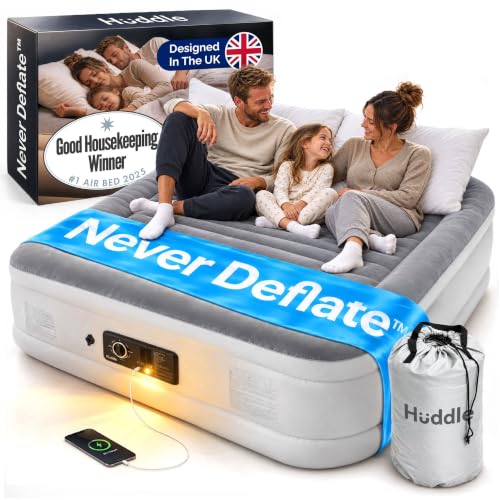


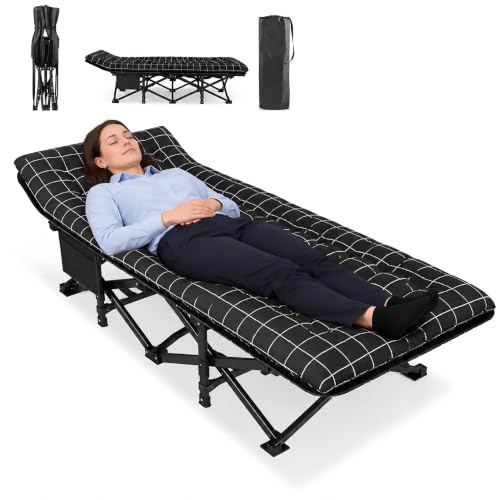
As an Amazon Associate we earn from qualifying purchases.


