

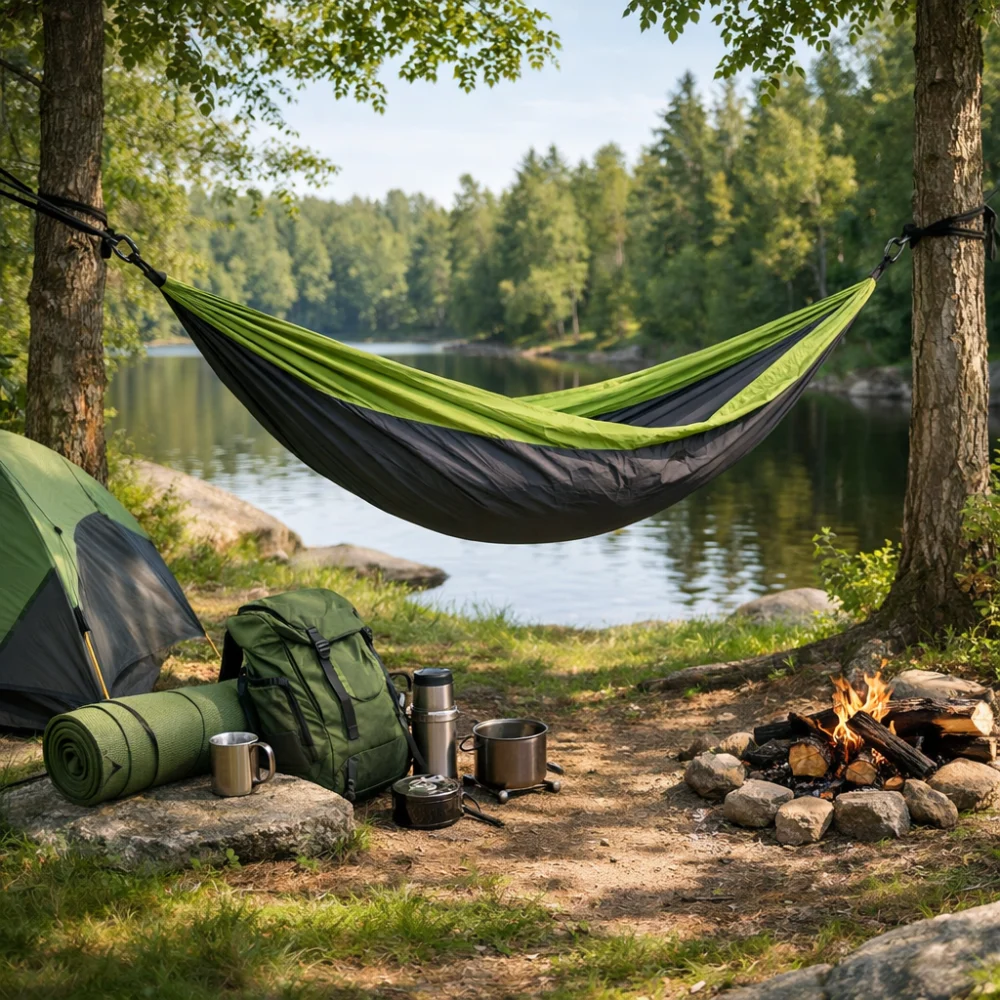
Camping hammocks can be a comfortable alternative to sleeping on the ground, but the right choice depends on how you camp and where you plan to use it. Some buyers want a simple place to relax by a pitch, while others need a sleep setup that feels more secure and weather-ready.
This guide helps you compare the main features without getting lost in product listings. It focuses on the practical questions buyers usually ask: how easy the hammock is to set up, what accessories it needs, and how well it fits your intended use.
If you are comparing options for the first time, it helps to separate casual lounging from overnight camping. The same product can sometimes do both, but comfort, weather protection and packing convenience are not always balanced in the same way.
Compare Camping Hammocks


As an Amazon Associate we earn from qualifying purchases.
What should you look for in a camping hammock?
Start with how you will use it most often. A lightweight, simple hammock may suit short breaks and fair-weather trips, while a more complete sleep system may be better if you want extra protection from insects or changing weather. The main trade-off is usually between simplicity and added features.
Look closely at the setup method, the size and shape, whether accessories are included, and how much fuss you are comfortable with when packing away. Specifications vary by model, so always check the individual product page before buying.
| Feature | What it means | Why it matters | What to check |
|---|---|---|---|
| Intended use | Whether the hammock is mainly for lounging, sleeping or mixed use | Sleep-focused and leisure-focused designs can feel quite different | Read the product description for the intended camping use and included extras |
| Size and shape | The overall sleeping or sitting area and how the hammock is cut | This affects comfort, room to move and how enclosed it feels | Check the stated dimensions and whether it is described as single or double width |
| Support and hanging system | How the hammock attaches to trees, poles or a stand | This affects setup speed and where you can use it | See what suspension or straps are included and whether anything else is needed |
| Weather and insect protection | Features such as a mosquito net, rain fly or cover | Useful for overnight comfort in changeable conditions | Check exactly which accessories are supplied with the hammock |
| Packed size and portability | How easy it is to carry in a rucksack or travel bag | Important if you are hiking, backpacking or short on storage space | Look for the packed format and whether a bag or sack is included |
| Ease of care | How simple it is to clean, dry and store after use | Helps with long-term convenience and durability | Check fabric care guidance and whether the design is easy to dry thoroughly |
Key decisions that affect comfort and convenience
Lounging hammock or sleep hammock?
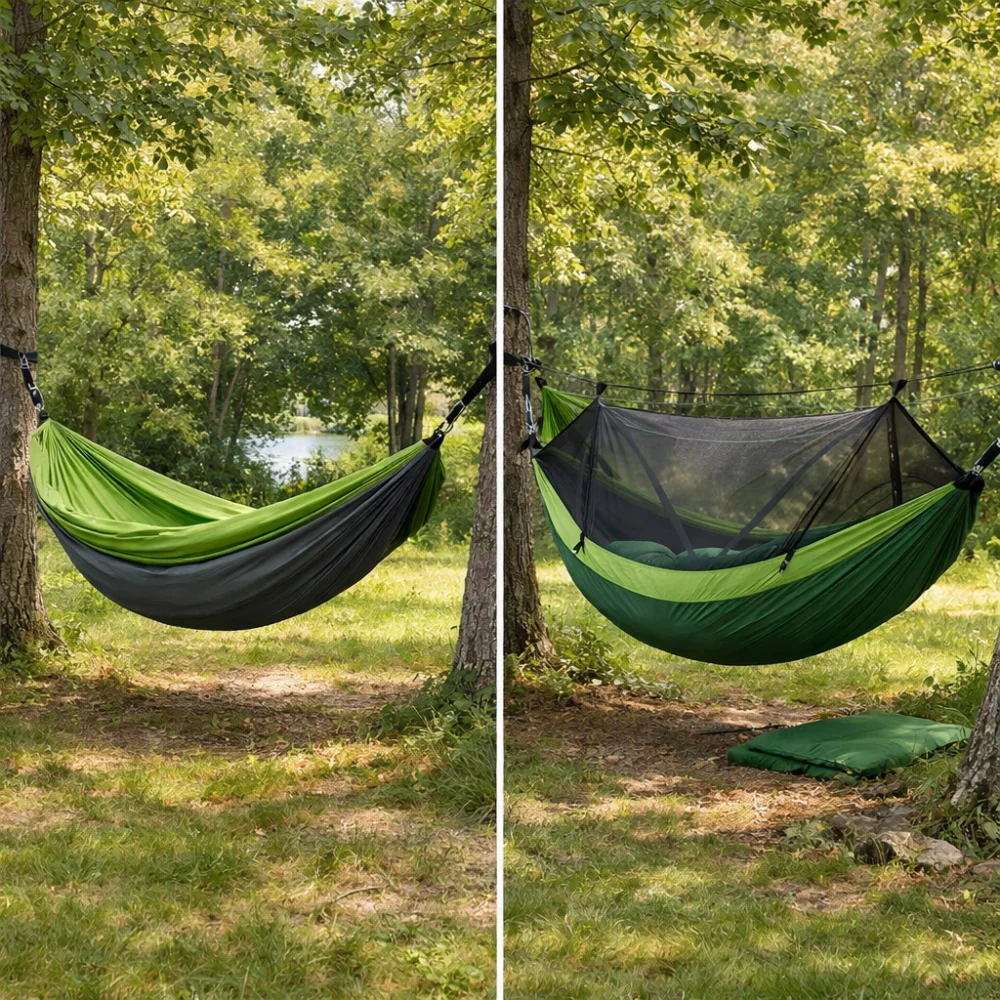
A basic camping hammock may be ideal for rest stops, reading or relaxing beside a camp. A sleep-oriented option is usually chosen by people who want more enclosed, all-night use and may value extras such as insect protection. The compromise is that more complete sleep setups can take longer to pitch and pack.
Single or wider format
Many buyers choose between a more compact single format and a wider version. A wider hammock can feel roomier and more forgiving, especially if you like to lie diagonally or want extra space to settle in. A smaller format may be easier to carry and quicker to set up.
Accessories included or separate
Some products are sold as a simple hammock only, while others are bundled with straps, nets, covers or rain protection. Bundles can be more convenient if you want one purchase to cover the basics, but you should still check what is actually included rather than assuming every useful item comes in the box.
Material and comfort feel
Different fabrics can feel softer, lighter or more robust in use. Comfort is partly personal, so it is worth checking the listed fabric and the intended use rather than relying on appearance alone. If you expect frequent use, think about how easy the material will be to keep clean and dry.
Common camping hammock types
Camping hammocks in this category are usually best understood by use rather than by a rigid product type. The main practical differences are whether the hammock is a simple hanging bed, a sleep system with extra protection, or a bundle with more accessories.
- Simple camping hammocks: Suitable for relaxed use and lighter packing needs, but they may need extra accessories if you want more shelter or bug protection.
- Hammocks with mosquito nets: Useful where insects are a concern, though they may be less minimal to pack and may need more setup attention.
- Hammock bundles: Often chosen by buyers who want a more complete starting point, but the bundle contents need checking carefully.
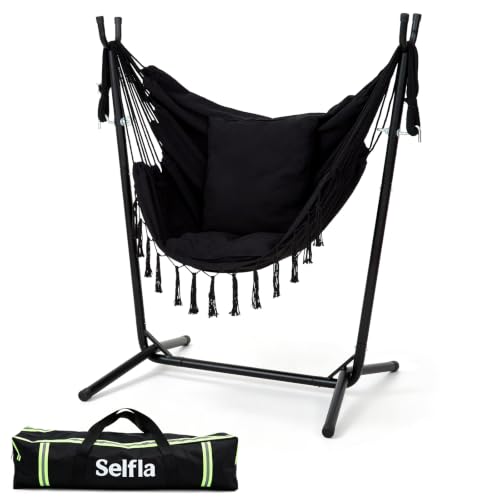
- Indoor or garden hammocks: These may work for non-camping use, but they are not always the right choice if portability or outdoor shelter matters most.
Which hammock suits different buyers?
| Buyer need | What to prioritise | Why |
|---|---|---|
| Weekend camper | Simple setup, comfort, manageable packed size | You want something easy to use without carrying unnecessary extras |
| Backpacker | Portability, compact pack format, light carry needs | Weight and space matter more when everything goes in a rucksack |
| Overnight camper | Protection features, stable hanging system, comfortable sleeping space | Night-time use usually benefits from a more complete setup |
| Relaxed leisure buyer | Comfort feel, easy pitching, simple storage | The main goal is convenience rather than a technical sleep system |
| Gift buyer | Clear bundle contents and broad usability | A versatile option is often easier to choose when preferences are unknown |
Common mistakes to avoid
- Assuming every hammock includes straps or shelter: Check the listing carefully, because many accessories are model-specific.
- Choosing only by appearance: A hammock that looks roomy may still be awkward if its size, shape or hang system does not suit your use.
- Ignoring where it will be used: A simple lounging hammock and a camping sleep setup are not interchangeable in all conditions.
- Overlooking storage and drying needs: Outdoor fabric can be inconvenient if you do not have a clean, dry place to pack it away.
Suitability and care considerations
Before buying, think about the environment where you will actually use the hammock. Tree-friendly hanging points, campsite rules and the availability of suitable support all affect whether a model will be practical for you. Do not assume a hammock will work well everywhere just because it looks portable.
It is also worth checking how the product should be cleaned and dried after use. A hammock that is easy to store neatly and allow to dry properly is usually less trouble in the long run, especially if you expect damp weather or frequent weekend use.
How to compare camping hammock options efficiently
- Decide whether you need a lounging hammock, a sleep hammock or a mixed-use option.
- Check the size, shape and whether the hammock is likely to feel spacious enough for your preferences.
- Compare the included accessories so you know what additional items may still be needed.
- Think about portability, storage and how much setup effort you are comfortable with.
- Open the individual product page and confirm the exact specification before buying.
Camping hammock buyer checklist
- Have I chosen the right type of hammock for lounging or overnight use?
- Do I know what is included with the product and what is not?
- Is the size likely to feel comfortable for how I like to use it?
- Will I be able to carry, hang, clean and store it easily?
- Does it suit the places where I expect to camp or relax?
Frequently asked questions
Do I need a hammock with a mosquito net?
Not always. A mosquito net is most useful where insects are likely to be a problem, especially for overnight use. If you mainly want a casual hanging seat or short rest option, you may not need one.
Are camping hammocks hard to set up?
That depends on the design and what is included with it. Simpler hammocks are usually quicker to pitch, while more complete sleep setups can involve extra steps. Check the listing to see whether straps or other hanging gear are supplied.
Can I use a camping hammock for sleeping every night?
Some products are designed more for occasional camping use than for regular sleeping. If you want overnight use, it is worth looking for a product described with sleep-focused features rather than assuming any hammock will do.
What matters more, length or width?
Both can matter, but width often affects comfort more than people expect because it influences how easily you can settle in. Length matters too, especially if you want enough room to lie comfortably. Always check the stated dimensions rather than judging by photos alone.
Should I buy a hammock bundle or a standalone hammock?
A bundle can be helpful if you want a simpler first purchase and prefer all the main items together. A standalone hammock can make sense if you already own some accessories or want to choose each part separately. The better option depends on how complete you want the first purchase to be.
How much care does a camping hammock usually need?
Care is usually straightforward, but it is important to dry and store the hammock properly after use. Dirt, moisture and cramped storage can shorten how well it stays in good condition. Check the care guidance for the individual product.
More Camping Hammocks
See all 236 Camping Hammocks →


As an Amazon Associate we earn from qualifying purchases.


