Airsoft trousers are a practical part of an airsoft loadout, giving you lower-body coverage, storage and movement that regular casual trousers may not provide. The right pair depends on how you play, how much gear you carry and how much comfort you want over a long day.
If you are choosing between lightweight, more protective or more pocket-led styles, it helps to focus on fit, fabric, knee support and how well the trousers work with the rest of your kit. That makes the decision easier than judging by appearance alone.
Specifications vary by model, so always check the individual product page before buying.
What should you look for in airsoft trousers?
The best starting point is the balance between comfort, durability and mobility. A pair that feels good when you crouch, kneel and move quickly will usually serve you better than one that simply looks tactical. From there, think about whether you need extra storage, reinforced areas or knee support.
For many buyers, the main trade-off is between a lighter, less bulky design and a tougher, more structured one. More reinforcement can improve wear resistance, but it may add weight or reduce flexibility. A simpler pair can be easier to wear for longer sessions if you do not need lots of added features.
| Feature | What it means | Why it matters | What to check |
|---|---|---|---|
| Fit | How the trousers sit at the waist, thighs and lower leg | Affects movement, comfort and whether the trousers stay in place | Waist adjustment, cut and how much room there is for kneeling or crouching |
| Fabric | The main material and its general feel | Influences comfort, durability and breathability | Whether the material is described as light, reinforced or hard-wearing |
| Knee area | Built-in shaping, reinforcement or knee pad compatibility | Important if you kneel often or play on harder ground | Whether the knee area is reinforced or designed for pads |
| Storage | Pocket layout and access | Useful for carrying small items without adding extra pouches | Number, size and placement of pockets |
| Mobility features | Design details that help with bending and stretching | Can make a noticeable difference during active play | Stretch panels, articulated shaping or other movement-friendly details |
Key decision criteria
Fit and movement
Airsoft trousers should let you move naturally when you crouch, kneel and climb. A fit that is too tight may limit movement, while a very loose fit can feel awkward or catch on gear. Check the size information carefully and consider whether you prefer a straighter cut or a roomier tactical style.
Knee comfort and reinforcement
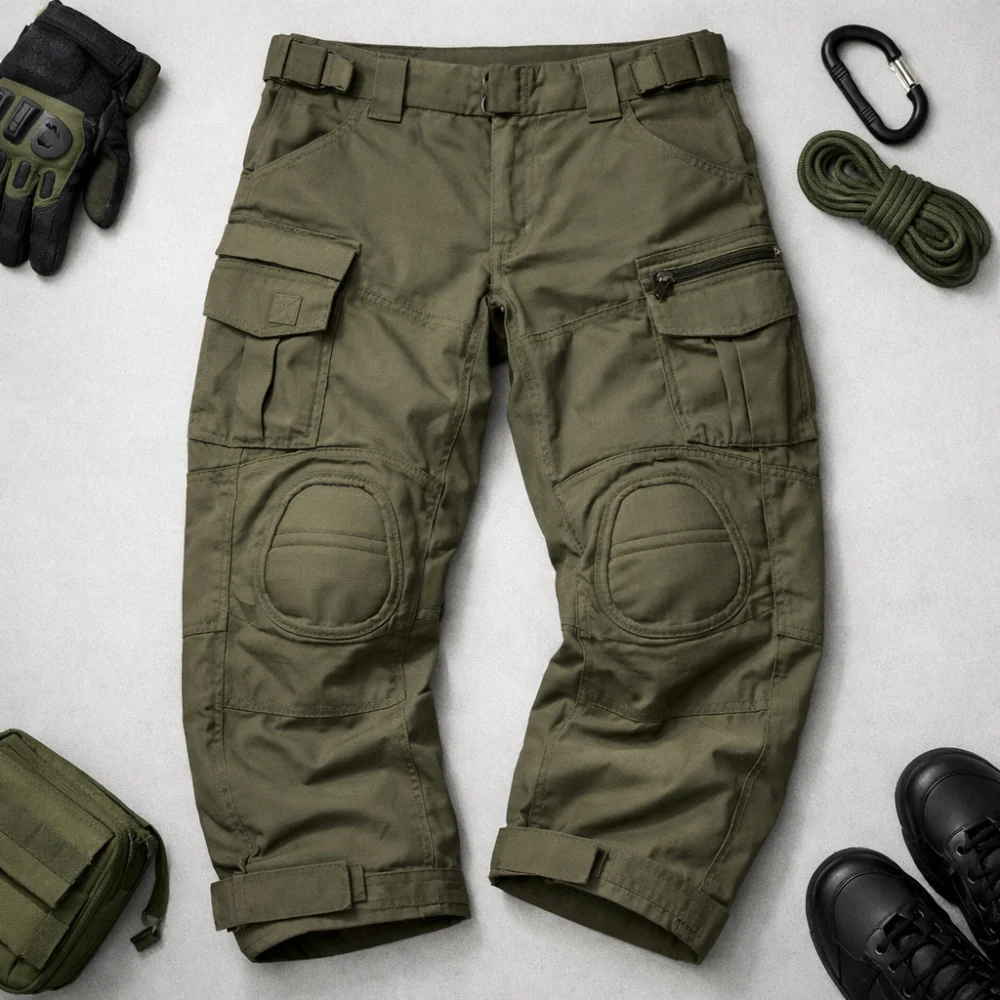
Knees are one of the most important areas to check because airsoft often involves low positions. Some trousers are shaped for easier kneeling, while others include reinforced panels or space for knee pads. If you spend a lot of time on hard ground, this can make a bigger difference than pocket count.
Storage and layout
Pockets are useful, but more pockets are not always better. Think about what you actually carry and whether you can reach it easily while wearing other kit. Large thigh pockets may suit players who want easy access, while a simpler layout may feel less bulky.
Durability and fabric feel
Durability matters, but the right level depends on how often you play and the terrain you usually encounter. Harder-wearing trousers may cope better with rough use, yet they can feel heavier or warmer. If comfort is a priority, look for a balance rather than chasing the heaviest-feeling option.
Comfort in different weather
Some buyers want trousers for warmer sessions, while others need something more substantial for mixed weather. The right choice depends on how much airflow and coverage you want. If you play in changing conditions, consider whether the trousers seem more suited to breathability or to added coverage.
Types and variants within the category
Airsoft trousers are often chosen by construction rather than by a single fixed style. The main differences usually come from how much reinforcement they have, how roomy the fit is and whether they are designed around knee protection or extra cargo space.
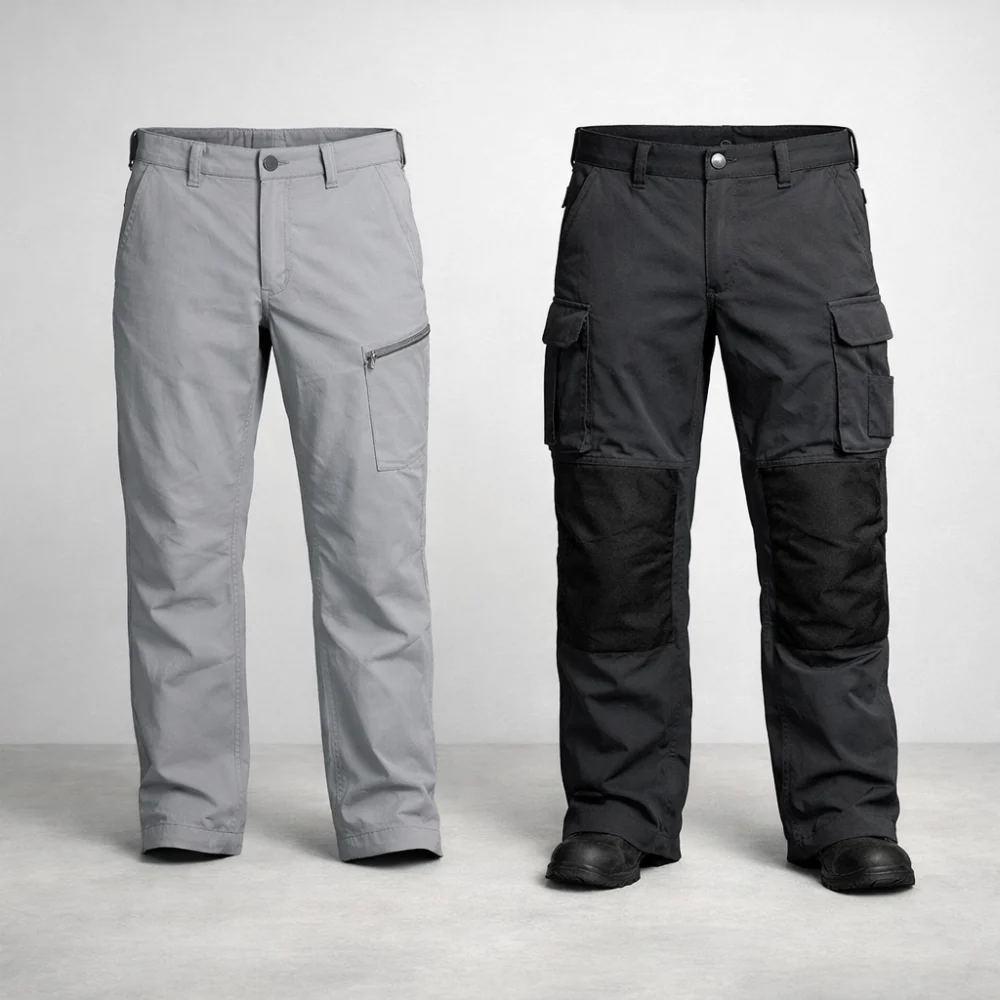
- Lightweight styles: better for easier movement and comfort, but usually with less structural support.
- Reinforced combat-style trousers: aimed at harder use and more demanding play, though they can feel bulkier.
- More minimal tactical trousers: suit buyers who want a simpler feel and fewer extras.
- Cargo-style options: useful if pocket space matters more than a streamlined fit.
If you are comparing two similar pairs, the details around reinforcements, fit and pocket design often matter more than the overall label.
Which trousers suit different buyers?
| Buyer need | What to prioritise | Why it helps |
|---|---|---|
| Frequent kneeling | Knee reinforcement or pad compatibility | Improves comfort and reduces the need to improvise support |
| Long skirmishes | Comfortable fit and manageable weight | Helps trousers stay wearable over extended sessions |
| Carrying small items | Practical pocket layout | Makes it easier to keep useful kit close to hand |
| Hotter conditions | Less bulky construction and better breathability | Can feel easier to wear during active play |
| Rough terrain or heavier use | Reinforced areas and sturdier construction | May cope better with abrasion and repeated wear |
Common mistakes to avoid
- Choosing by camouflage pattern alone: appearance is less important than fit and movement.
- Ignoring the knees: a pair that feels fine standing up may be uncomfortable once you start kneeling often.
- Assuming more pockets is always better: extra pockets only help if they are in useful places and suit what you carry.
- Overlooking weight and bulk: stronger-looking trousers can sometimes feel less comfortable than expected.
- Not checking the individual product page: features can vary significantly between similar-looking models.
Safety and suitability notes
Airsoft trousers are about comfort, coverage and practical wear, not guaranteed protection. They may help with abrasion or general lower-body coverage, but they are not a substitute for the right protective equipment where that is needed. Always match the trousers to the ground conditions, your other kit and the way you actually play.
Specifications vary by model, so always check the individual product page before buying.
Maintenance, storage and lifespan
General care is usually straightforward: keep the trousers clean, dry them properly after use and store them somewhere free from damp. If a model has reinforcement, stretch sections or pad pockets, treat those areas carefully so they keep their shape. The way you wash and store them can make a real difference to how long they stay comfortable and usable.
If you use them often, it is sensible to check for wear at the knees, seams and pocket edges. Those are the areas most likely to show the effects of regular movement and contact with ground or kit.
How to compare options efficiently
- Start with how you play and how much movement you need.
- Decide whether knee support, pocket space or lighter weight matters most.
- Compare fit, fabric feel and reinforcement details across a few options.
- Look at the trade-off between durability and comfort.
- Check the individual product page for the exact features before choosing.
Summary buyer decision checklist
- Does the fit allow crouching, kneeling and climbing comfortably?
- Are the knees suitable for the way you play?
- Do the pockets and layout match what you actually carry?
- Is the construction light enough or sturdy enough for your needs?
- Will the trousers work with the rest of your airsoft kit?
- Have you checked the individual product page for the exact details?
Frequently asked questions
Are airsoft trousers different from regular cargo trousers?
They can be, because airsoft trousers are often designed with movement, reinforcement and practical storage in mind. Regular cargo trousers may still work for some buyers, but they may not offer the same level of comfort in kneeling or the same kind of layout around kit use.
Do I need trousers with knee pads?
Not everyone does, but knee support is helpful if you kneel often or play on harder ground. Some trousers have built-in pad compatibility rather than fixed pads, which gives you more choice about comfort and bulk.
Should I choose a tighter or looser fit?
Neither is automatically better. A tighter fit can feel restrictive during active movement, while a very loose pair may be less comfortable with other kit. A balanced fit that allows bending and crouching is usually the safest starting point.
Are more pockets worth it?
Only if you will actually use them. Extra pockets can be handy, but they can also add bulk or interfere with movement if they are not well placed. Focus on pocket access and usefulness rather than pocket count alone.
What matters more: fabric strength or comfort?
That depends on how often you play and the kind of ground you use. If you are on rough terrain, durability may matter more; if you play for longer sessions, comfort may be the deciding factor. Many buyers benefit from a middle ground rather than a heavily built pair.
Can I use airsoft trousers for other outdoor activities?
Some buyers do use them for general outdoor wear, but their layout is designed around airsoft-style movement and kit use. If you want trousers for mixed use, check whether the fit and pocket arrangement suit the other activities as well.