

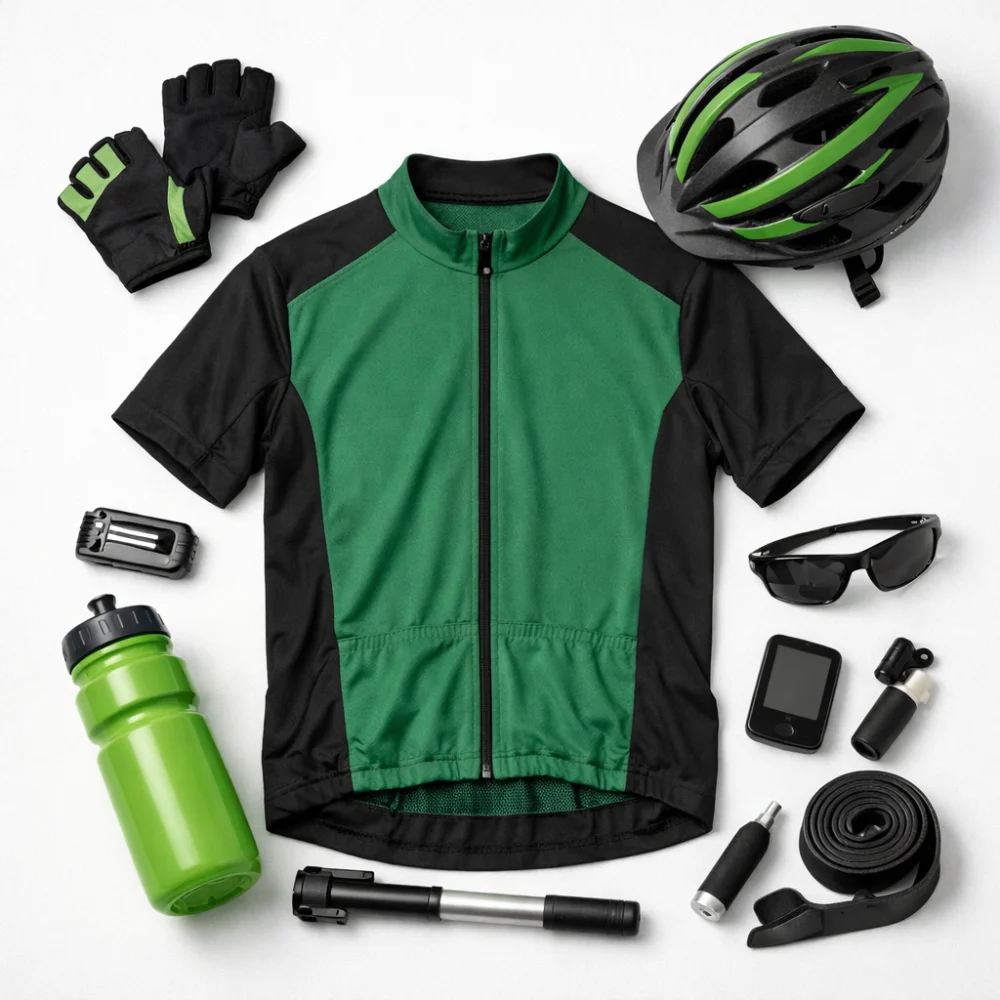
Men’s cycling jerseys come in different fits, sleeve lengths and fabric weights, so the right choice depends on how and where you ride. Some are aimed at road riding and close-fitting performance, while others are shaped more loosely for commuting, trail use or relaxed weekend rides.
If you are replacing an old jersey or buying your first one, the main job is to match comfort, temperature and storage needs. A jersey that feels ideal on a warm, fast ride may feel too snug or too light for slower outings or cooler weather.
This guide focuses on the practical choices that matter before you buy, without assuming every jersey has the same cut, features or intended use.
Compare Men's Cycling Jerseys


As an Amazon Associate we earn from qualifying purchases.
What should you look for in a men’s cycling jersey?
Start with fit, season and riding style. A closer fit usually feels more streamlined and can reduce flapping, while a looser fit may feel easier to wear and better suited to casual or off-road riding. Then check sleeve length, pocket layout, fastening style and fabric weight. Specifications vary by model, so always check the individual product page before buying.
| Feature | What it means | Why it matters | What to check |
|---|---|---|---|
| Fit | How close the jersey sits to the body | Affects comfort, movement and how the jersey feels on the bike | Look for wording such as race fit, regular fit or relaxed fit, then compare with your usual size |
| Sleeve length | Short sleeve or long sleeve coverage | Changes warmth, sun coverage and how the jersey works across seasons | Check whether the jersey is intended for warm weather, cooler rides or mixed use |
| Fabric weight and feel | How light, dense or structured the material is | Influences breathability, comfort and layering | Read the product description for clues about lightweight, insulated or quick-drying fabric |
| Pockets | Rear or other storage areas on the jersey | Useful for snacks, gloves, tools or other small items | Check pocket count, placement and whether the pockets suit your riding style |
| Fastening | How the jersey opens and closes | Can affect ventilation and ease of putting on or taking off | Look for zip length or pullover design if that matters to you |
| Intended use | The kind of riding the jersey is made for | Road, MTB and commuting needs are not always the same | Check whether the product is described for road, trail, mountain bike or general cycling use |
Key decision criteria
Fit and cut
Fit is often the biggest difference between jerseys. A closer cut can feel more settled when riding and may suit riders who prefer a traditional cycling look, while a roomier cut can be easier over layers and more comfortable if you like extra freedom. The main trade-off is between a neat, performance-oriented feel and a less restrictive everyday feel.
Temperature and season
Some jerseys are better for warm weather, while others are designed to give a bit more coverage or layering potential. Consider when you actually ride most often, not just the most demanding ride on your list. A jersey chosen for summer may not be enough on its own in cooler conditions, while a heavier option can feel unnecessary on hot days.
Fabric and comfort
At category level, the most useful question is how the jersey is meant to feel rather than the exact textile blend. Look for descriptions that suggest breathability, quick drying or thermal comfort if those matter to you. If you are sensitive to close-fitting clothing, check whether the product page indicates a stretchier or more relaxed cut.
Pockets and practical storage
Many riders want somewhere to carry a phone, snack or small repair item. Pocket layout matters because storage that is too small, too high or too loose can be awkward in use. If you rely on pockets, check how many are provided and whether they are positioned for riding rather than just visible in the product photo.
Visibility and finishing details
Some jerseys include reflective details, brighter colours or more visible styling, while others are intentionally understated. These details can be helpful, but they should be seen as one part of your choice rather than the only reason to buy. Think about how you ride, when you ride and whether the jersey will be worn alone or under other clothing.
Types and variants you will see
Within men’s cycling jerseys, the main variation is usually not in one fixed style but in use case.
- Short sleeve jerseys suit warmer weather and riders who want a lighter feel.
- Long sleeve jerseys suit cooler conditions or riders who want a little more coverage.
- Closer-fit jerseys tend to suit road-focused riding or riders who prefer a neater shape.
- Roomier jerseys may suit trail, MTB or casual use where comfort and freedom matter more.
That means the same category can include very different-feeling garments. The safest approach is to read the product page for the intended riding style, fit and season rather than assuming all jerseys behave the same way.
Which jersey suits which rider?
| Buyer need | What usually matters most | Helpful direction |
|---|---|---|
| Road riding | Fit, comfort in a riding position, pocket access | Look for a closer cut and storage that is easy to reach on the bike |
| Mountain bike or trail riding | Freedom of movement, durability, room for layers | Consider a looser fit if you prefer less restriction |
| Commuting | Comfort, visibility, easy care, practical storage | Choose a jersey that works on and off the bike without feeling too specialised |
| Warm-weather riding | Breathability and lightweight comfort | Prioritise lighter-feeling jerseys and check whether the cut is suitable for heat |
| Cooler-weather riding | Coverage and layering potential | Look at long sleeves or jerseys that can sit comfortably under another layer |
Common mistakes to avoid
- Choosing only by appearance. A jersey can look similar in photos but feel very different on the bike.
- Ignoring the fit description. Race-oriented and relaxed cuts serve different needs.
- Overlooking seasonality. A jersey that works well in summer may not be enough for spring or autumn riding.
- Assuming all pockets are equally useful. Pocket placement and stretch matter as much as the number of pockets.
- Buying too small for comfort. Cycling jerseys are often intended to fit differently from casual tops, so check the product page carefully.
Safety and suitability caveats
Think of a jersey as part of your riding kit rather than complete protection on its own. It can improve comfort and practicality, but it does not replace the need to choose suitable clothing for weather, visibility and the type of riding you do. If you ride in changing conditions, check whether the jersey is intended for layering or only for warmer use.
Maintenance, storage and lifespan considerations
Most cycling jerseys are chosen for regular wear and straightforward care, but the details can vary. Consider how easy the fabric is to wash, whether you prefer something that dries quickly and how much care you want to give zips, pockets or delicate trims. Storage matters too: a jersey that you will pack often or keep in a commuting bag may benefit from a more forgiving fabric and construction.
How to compare options efficiently
- Decide when you will wear the jersey most often.
- Choose the fit level that matches your riding style and comfort preference.
- Check whether short sleeve or long sleeve suits the season you need.
- Compare pocket layout, fastening and any practical details that affect everyday use.
- Read the individual product page for the specific sizing and intended use.
Summary buyer decision checklist
- Is the jersey meant for your main riding style?
- Does the fit sound close, regular or relaxed, as you want?
- Is the sleeve length suitable for the weather you ride in most often?
- Are the pockets and fastening useful for your needs?
- Will it work as a stand-alone top or as part of a layered outfit?
- Have you checked the individual product page for the exact details?
Frequently asked questions
How should a cycling jersey fit?
That depends on the type of riding and the cut of the jersey. Some are meant to sit close to the body, while others are designed for a more relaxed feel. The product page is the best place to confirm whether the intended fit matches your preference.
Do I need pockets in a cycling jersey?
Not always, but they are very useful if you want to carry small items without a bag. Riders who like snacks, a phone or a small essential tool often appreciate pockets, especially on longer rides. If you do not plan to carry much, pocket storage may be less important.
Is a long sleeve jersey only for cold weather?
Not necessarily. Long sleeves can suit cooler conditions, but they may also be chosen for extra coverage or for rides where the temperature changes during the day. Check how the product is positioned rather than assuming sleeve length alone tells the whole story.
Can I use one cycling jersey for road and MTB riding?
Sometimes, yes, if the fit and features suit both styles. The trade-off is that road-focused jerseys may feel different from roomier trail-oriented options. If you ride both, aim for a balanced choice rather than assuming one cut works perfectly for every use.
What matters more: fabric or fit?
For many buyers, fit matters first because it affects comfort immediately. Fabric still matters because it influences breathability, drying and how the jersey feels in motion. If you are deciding between two options, compare both rather than relying on one factor alone.
Should I size up for comfort?
Not automatically. Some jerseys are designed with a closer cut, so sizing up may change how they sit and perform. It is better to compare the product’s stated fit and sizing notes with your normal preference before deciding.
How to check jersey sizing
Size labels can differ between brands and cuts, so use the individual product’s size guide rather than relying on your usual letter size alone. If measurements are provided, compare them with your own measurements or with a jersey that already fits comfortably; check whether the guide refers to body or garment measurements.
Think about the position you ride in as well as how the jersey feels standing up. A close-fitting road cut may feel different when you lean forward, while a roomier jersey may leave more space for a layer underneath. If you are between sizes, use the stated fit and sizing notes to judge the trade-off rather than assuming that sizing up or down is always best.
More Men's Cycling Jerseys
See all 314 Men's Cycling Jerseys →


As an Amazon Associate we earn from qualifying purchases.


