

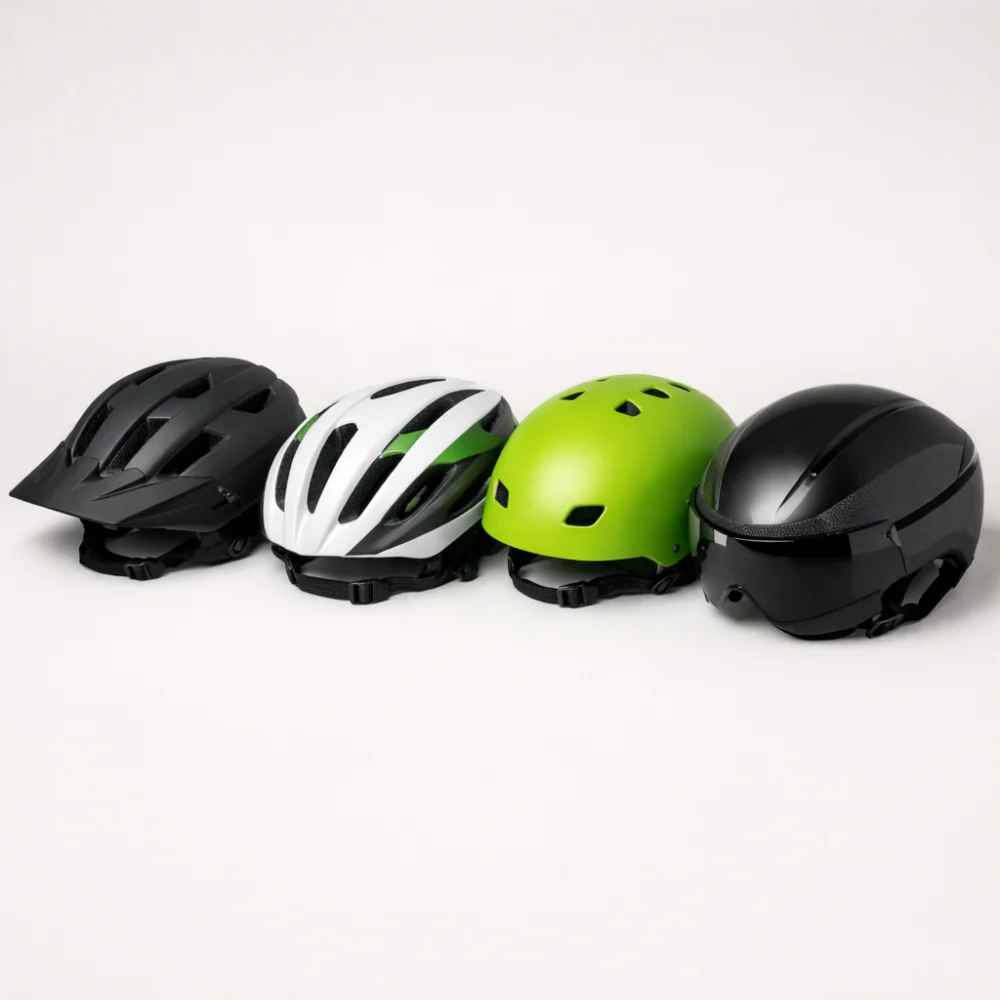
Choosing a cycling helmet is mostly about fit, intended use and comfort. The right helmet should feel secure without pressure points, stay stable when you move and suit the kind of riding you actually do.
Because cycling helmets vary widely, the main decision is not simply “which one looks best”, but which shape, size system and feature set suits your head and riding habits. Specifications vary by model, so always check the individual product page before buying.
This guide covers the practical differences that matter when comparing helmets for commuting, leisure rides, road use, mountain biking or children’s cycling.
Compare Cycling Helmets


As an Amazon Associate we earn from qualifying purchases.
What should you look for in a cycling helmet?
Start with fit, then consider ventilation, coverage and any extra features that are genuinely useful for your riding. A comfortable helmet that sits securely is usually more valuable than one with lots of add-ons you will not use. The main trade-off is simple: more coverage or extra features can sometimes mean more weight, bulk or less open airflow.
| Feature | What It Means | Why It Matters | What To Check |
|---|---|---|---|
| Fit and size range | The head size the helmet is designed to accommodate and how it is adjusted | A poor fit can make a helmet uncomfortable and unstable | Measure your head and compare the stated size range and adjustment method on the product page |
| Shell shape | The overall profile and coverage of the helmet | Different shapes suit different head shapes and riding styles | Look for a shape that feels balanced and does not press on one area |
| Ventilation | The amount and layout of air channels or openings | Better airflow can improve comfort on longer or warmer rides | Consider how much cooling you need for your usual routes and pace |
| Coverage | How much of the head the helmet surrounds | More coverage may suit riders who want a more enclosed feel | Check whether the design is aimed at road, leisure, mountain or children’s use |
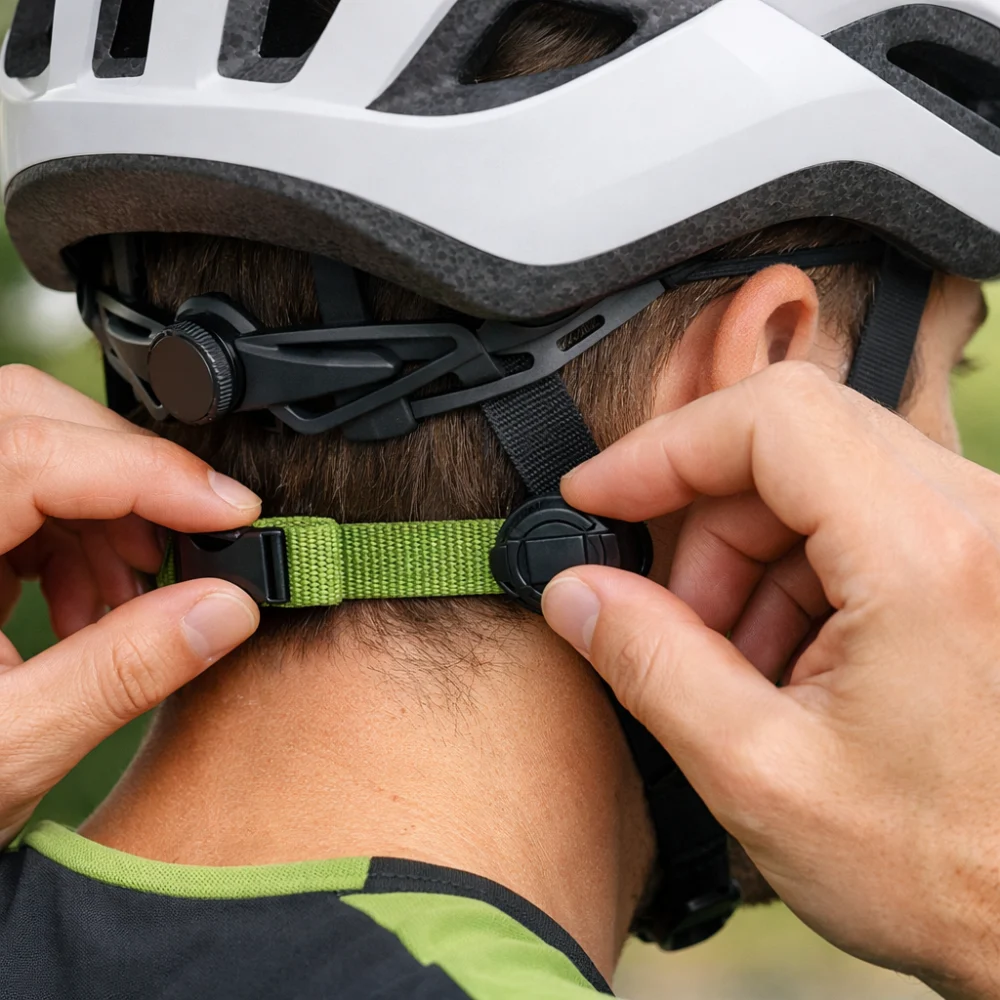
| Retention system | The dial, straps and adjustment parts that hold the helmet in place | Good adjustment helps the helmet stay secure while riding | Look for clear adjustment details and a setup you can use easily |
| Extras | Features such as visors, lights or bundled accessories | These can add convenience, but they are not always necessary | Decide whether the extra feature solves a real need rather than simply adding complexity |
Fit matters more than almost anything else
Fit is the first thing to get right because a helmet that feels wrong is unlikely to be worn consistently. A good fit should feel snug, sit level on the head and remain steady when you look up, down and side to side. If a model offers a wide size range, that does not guarantee it will suit every head shape within that range.
Check the stated size measurements and the adjustment system, then compare those with your own head measurement. If you are buying for a child or as a gift, leave a little time to check the fit once the helmet arrives.
Ventilation, weight and comfort
Ventilation matters most for longer rides, hillier routes and warmer weather. More vents can make a helmet feel cooler, but the benefit depends on the design as a whole, not just the number of openings. Some riders also prefer a lighter-feeling helmet for daily use, while others are more interested in a more substantial feel.
Comfort is often affected by details such as padding, strap layout and how easy the retention system is to adjust. Those details may sound minor, but they are what determine whether the helmet is pleasant to wear for a short commute or a longer outing.
Common cycling helmet types and variants
Within this category, the main differences are usually about intended use rather than entirely separate product classes. Road-oriented designs often prioritise airflow and a sleek profile, while mountain bike styles may have a more enclosed shape or a visor. Children’s helmets are usually focused on easy adjustment and a secure fit for smaller heads.
Some helmets include added features such as a visor or light, but these should be treated as convenience features rather than deciding factors. If you rarely ride in bright sun or do not need an accessory, a simpler design may be the more practical choice.
Which helmet suits which rider?
| Buyer need | What to prioritise | Why that helps |
|---|---|---|
| Daily commuting | Easy adjustment, comfort and practical features you will use | A helmet that is quick to wear and comfortable is more likely to become part of your routine |
| Leisure riding | Balanced fit, comfort and enough ventilation for relaxed outings | Comfort usually matters more than specialised performance features |
| Longer road rides | Secure fit, airflow and a lighter-feeling design | Those traits can make a helmet easier to wear for longer periods |
| Mountain biking or mixed terrain | Coverage, stability and any extra protection or visor features you want | Off-road riders often value a more secure, confidence-inspiring feel |
| Children’s cycling | Clear size guidance, simple adjustment and a stable fit | Children grow quickly, so fit and ease of use are especially important |
Common mistakes to avoid
- Choosing by appearance alone: a helmet can look right but still sit badly or feel uncomfortable.
- Ignoring head shape: two helmets with the same size range can fit very differently.
- Assuming extras are essential: visors and lights can be useful, but only if they suit the way you ride.
- Buying too loosely for comfort: a helmet should feel secure, not just wearable for a minute in the shop.
- Forgetting the intended rider: a child’s helmet, adult commuting helmet and off-road style may each need a different balance of features.
Safety and suitability caveats
Always check that the helmet is intended for cycling and that the stated size range matches the wearer. If you are comparing helmets for different uses, remember that design features can change comfort and coverage even when the size looks similar. A helmet should be replaced if it no longer fits properly or if its condition means it is no longer suitable for use.
It is also sensible to read the product page carefully for any model-specific details, especially if you want a visor, light or particular adjustment style.
Maintenance, storage and lifespan considerations
Most cycling helmets are straightforward to look after, but regular checks still matter. Keep the helmet clean according to the manufacturer’s guidance, store it somewhere dry and avoid unnecessary knocks or compression in a bag or cupboard. Pads, straps and adjustment parts can affect how the helmet feels over time, so inspect them if comfort changes.
Specifications vary by model, so always check the individual product page before buying.
How to compare options efficiently
- Decide who the helmet is for and what kind of riding it will be used for.
- Check the size range and adjustment system first, because fit narrows the shortlist quickly.
- Compare ventilation, coverage and any extras only after fit is plausible.
- Weigh comfort against features you may not need.
- Read the individual product page for the exact size guidance and model-specific details.
Summary buyer decision checklist
- Have you checked the head size range against the wearer’s measurement?
- Does the helmet shape seem suitable for the intended rider and riding style?
- Is the adjustment system simple enough to use consistently?
- Do the ventilation and coverage level suit the usual weather and route?
- Are any extras genuinely useful rather than just nice to have?
- Have you checked the individual product page for model-specific information?
Frequently asked questions
How should a cycling helmet fit?
It should feel snug, sit level on the head and stay stable when you move. A helmet that slides around or feels painful in one spot is unlikely to be a good long-term choice. Size labels are only a starting point, so check the actual measurements as well.
Do I need a visor?
Not always. A visor can be useful for some riders, especially where sun or trail debris is a concern, but many cyclists prefer a simpler design. Choose it only if it solves a real need for your riding.
Are more vents always better?
Not necessarily. More vents may improve airflow, but overall comfort also depends on fit, shape and how the helmet sits on your head. A well-fitting helmet with fewer vents can still be more suitable than a poorly fitting one with lots of openings.
Can one helmet suit commuting and weekend rides?
Yes, if the helmet offers a good balance of comfort, fit and ventilation. The main question is whether you want a more practical everyday design or something more tuned to a specific style of riding. If you ride in different conditions, a balanced design is often the simplest choice.
What is the most important thing to check before buying for a child?
Fit and adjustability. Children need a helmet that is easy to secure properly and that sits stably on the head. It is worth checking the size range carefully because children’s heads vary a lot and grow quickly.
Should I choose the lightest helmet?
Lightness can improve comfort, but it should not override fit or suitability. A slightly heavier helmet that sits correctly may be a better choice than a lighter one that feels awkward or unstable. Prioritise the features that affect how often the helmet will actually be worn.
Do expensive helmets always fit better?
No. Price can reflect features, materials or brand positioning, but it does not guarantee a better fit. The most useful comparison is between the stated size, the shape and the adjustment system on the individual product page.
Check safety-standard details on the individual helmet
Before choosing, look for the safety standard or certification details stated for the exact helmet and check that they apply to cycling and the intended market. A category label or a general claim in a product title is not enough to establish which requirements a particular model meets.
If the information is unclear or does not match the intended use, seek clarification before buying rather than relying on assumptions based on appearance or features.
More Cycling Helmets
See all 329 Cycling Helmets →



As an Amazon Associate we earn from qualifying purchases.


