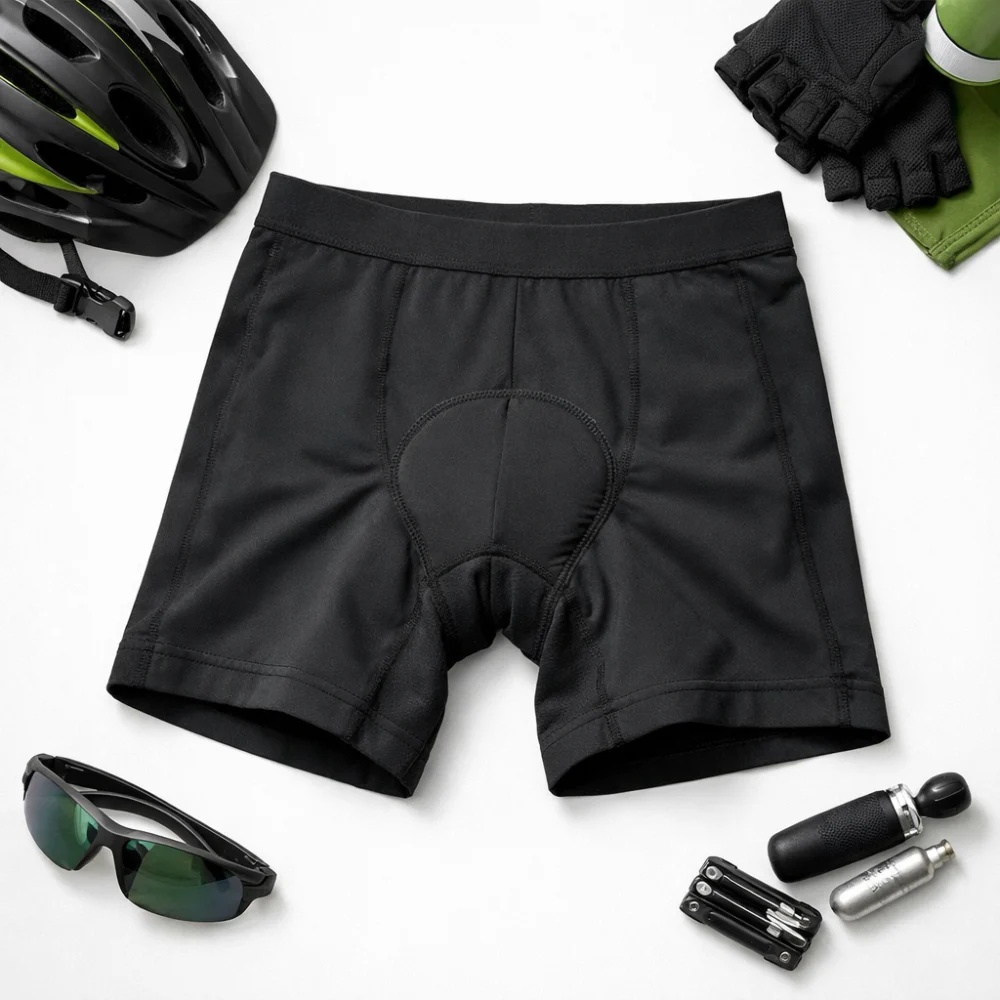
Men’s cycling shorts come in a few useful forms, and the right choice depends on how you ride, how long you spend in the saddle and what you want to feel while riding. Some buyers want close-fitting shorts for road rides, while others prefer a looser outer short or an option with an inner liner.
This guide helps you compare those choices without getting lost in product names. It focuses on the features that affect comfort, fit and practicality, so you can narrow the range quickly and check the details that matter on each product page.
If you are replacing worn shorts, buying for a new bike routine or choosing a first pair, the main decision is usually between support, coverage and freedom of movement. The useful answer is rarely about one style being universally better; it is about which style fits your riding and comfort preferences.
Compare Men's Cycling Shorts


As an Amazon Associate we earn from qualifying purchases.
What should you look for in men’s cycling shorts?
Start with the kind of riding you do and the amount of support you want. For many buyers, the most important choice is whether to buy a close-fitting padded short, a bib-style short, or a looser outer short that may be worn with a liner underneath. Comfort in the saddle usually matters more than any single feature on the label.
Focus on fit, pad placement, leg grip, breathability and how the shorts feel when you move on and off the bike. Specifications vary by model, so always check the individual product page before buying.
| Feature | What it means | Why it matters | What to check |
|---|---|---|---|
| Fit type | Close-fitting, bib-style or looser outer short | Affects comfort, support and how the shorts feel during a ride | Whether you want a snug riding fit or a more relaxed look and feel |
| Padding | Built-in or liner padding for saddle comfort | Helps reduce pressure on longer or more frequent rides | Pad presence, position and whether the short is intended to be worn alone or as a liner |
| Leg hold | How the hem stays in place | Helps prevent riding up or shifting while pedalling | Whether the leg opening is designed to stay secure without feeling tight |
| Fabric feel | Stretch, softness and general construction | Influences freedom of movement and comfort against the skin | Whether the material suits warm weather, indoor training or longer outdoor rides |
| Storage | Pockets or carrying space | Useful if you want small essentials on hand | How many pockets are included and whether they suit your carry needs |
| Use case | Road, leisure, commuting or mountain biking | Different rides call for different balances of comfort, coverage and practicality | Whether the short is described for your main type of riding |
Key decision criteria
Fit and riding position
The closer the fit, the less fabric tends to flap while riding. That can be useful for road cycling, faster training or anyone who prefers a streamlined feel. A looser short can be more relaxed off the bike and may suit mountain biking, casual rides or commuting, but it may feel different in the saddle.
Padding and comfort
Padding is one of the most misunderstood parts of cycling shorts. More padding is not automatically better; the right amount depends on your riding duration, saddle shape and personal comfort. For shorter rides, a simple liner may be enough, while longer or more frequent rides may call for a more substantial seated feel. Check whether the padding is built in or supplied as a separate liner, because that affects how you wear the short.
Waist, bib and support style
Some shorts rely on a waistband, while bib styles use shoulder straps to hold the shorts in place. Bibs can reduce pressure at the waist for some riders, but they are a personal preference and not the right choice for everyone. Waist-style shorts are often easier to put on and take off, which may matter for shorter rides or everyday use.
Fabric and ventilation
Breathability and stretch matter more than many buyers expect. A fabric that moves well and feels comfortable in warmer conditions can make a real difference on longer rides. If you ride indoors, in summer or on hilly routes where effort changes often, look closely at how the short is described for airflow and moisture management, while remembering that performance varies between models.
Practical details
Small details can influence how useful the shorts feel day to day. Pockets may be handy for a phone or keys, while a smoother finish may be preferable if you wear the shorts with a jersey and other cycling kit. Think about whether you want a dedicated riding short or something that can do more than one job.
Types and variants within the category
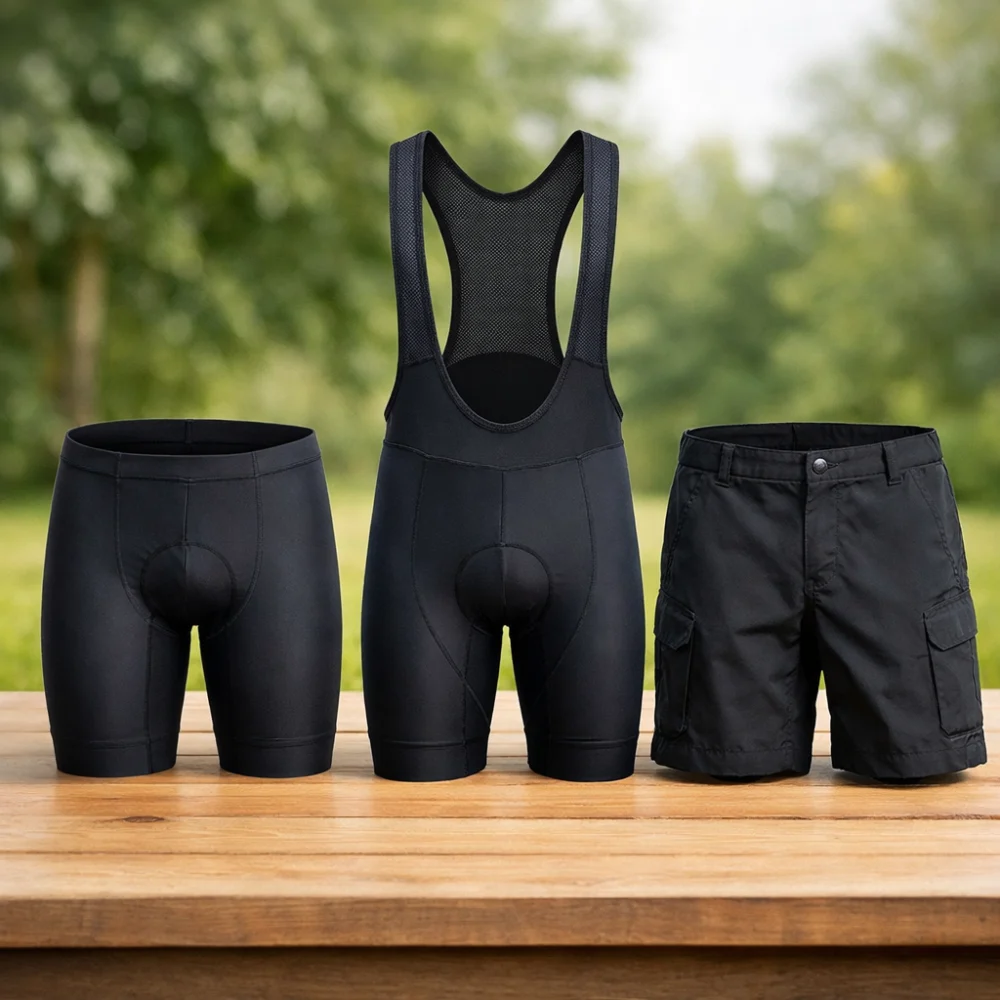
There are a few common ways men’s cycling shorts are presented, and the differences mostly come down to riding style and comfort preference.
- Close-fitting cycling shorts: Suited to riders who want a snug feel and reduced fabric movement.
- Bib shorts: Often chosen by riders who want extra support at the waist and a stable fit.
- Shorts with an inner liner: Useful where you want a more relaxed outer short with some seated comfort.
- Loose-fit MTB-style shorts: Can suit off-road riding or riders who prefer a less race-focused look.
The main limitation is that one style rarely suits every type of riding equally well. A looser short may feel comfortable casually but less precise on the bike, while a close-fitting short may feel ideal in the saddle but more specialised off it.
Which short suits which rider?
| Buyer need | What to prioritise | Why |
|---|---|---|
| First pair for regular rides | Comfortable fit, reliable padding, simple design | Makes it easier to find a balanced option without overcomplicating the decision |
| Longer rides | Stable fit, considered padding, reduced chafing risk | Comfort becomes more important as time in the saddle increases |
| Commuting or mixed use | Practical pockets, easier on-off fit, versatile style | Useful when the short needs to work beyond a dedicated training ride |
| Off-road or casual riding | Looser cut, movement-friendly fabric, durable feel | Often a better match for varied riding positions and more relaxed wear |
| Indoor training | Close fit, breathable fabric, secure leg hold | Less excess fabric can feel more comfortable during repeated effort |
Common mistakes to avoid
- Choosing by padding alone: Padding matters, but fit and saddle compatibility matter too.
- Assuming all cycling shorts feel the same: Bibs, liners and loose-fit shorts can feel very different in use.
- Ignoring intended use: A short designed for casual riding may not suit the position or pace of longer rides.
- Overlooking the waistband or leg grip: A poor hold can affect comfort even if the rest of the short seems right.
Suitability and care considerations
Think about how often you will use the shorts and how you prefer to wash and store them. Cycling shorts are usually worn close to the skin, so comfort and cleanliness matter, especially if you ride regularly. Check the care guidance on the product page and follow it, because fabrics and trims can vary between models.
If you plan to wear the shorts with other cycling clothing, make sure the overall fit works together rather than relying on one garment to solve every comfort issue. It is also worth checking whether the product is intended as a standalone short or as a liner beneath another layer.
How to compare options efficiently
- Decide what kind of riding the shorts are for.
- Choose the fit style that matches how you want the shorts to feel.
- Compare padding, leg hold and any practical extras such as pockets.
- Check whether the fabric and cut suit your usual riding conditions.
- Read the individual product page carefully for model-specific details.
Summary checklist before you buy
- Have you chosen the right fit style for your riding?
- Does the padding level suit your expected ride length?
- Will the waistband, bib or leg hold feel comfortable for you?
- Do you need pockets or a simpler riding short?
- Is the short suited to road, commuting, mountain biking or mixed use?
- Have you checked the care information and product-specific details?
Frequently asked questions
Are bib shorts better than regular cycling shorts?
Not necessarily. Bib shorts can feel more supportive for some riders because they do not rely on a waistband in the same way, but other riders prefer the simplicity of regular shorts. The better choice depends on comfort, convenience and personal preference.
Do I need padded cycling shorts?
If you ride more than very occasionally, padding can make a noticeable difference to comfort. The right amount depends on your saddle, riding position and how long you stay in the saddle. For short, casual rides, some buyers are happy with less padding.
Should I buy a loose or close-fitting style?
Choose the style that matches your riding and your comfort preferences. Close-fitting shorts are often chosen for road cycling and indoor training, while looser shorts can suit casual use or off-road riding. The right answer is usually about how you want them to feel, not about one style always being better.
Can I wear cycling shorts on their own?
Some cycling shorts are designed to be worn on their own, while others are liners intended for use under another layer. Check the product page so you know whether the short is meant as the outer garment or part of a layered setup.
What should I check if I am buying for longer rides?
Look at the fit stability, the padding description and how the shorts are intended to be worn. Comfort over time matters more on longer rides, so pay attention to anything that helps reduce shifting, rubbing or pressure. Specifications vary by model, so always check the individual product page before buying.
Are pockets useful on cycling shorts?
They can be, especially for commuting or mixed-use riding. If you usually carry only small items, pockets may add convenience. If you prefer the simplest possible short, you may not need them.
How do I know whether a short is right for road, MTB or commuting?
Use the product description and fit style as your main clues. Road-focused shorts are often closer fitting, MTB styles may be looser and more durable-feeling, and commuting options may aim for a practical middle ground. Check the intended use rather than assuming any cycling short will suit every kind of ride.
Getting the fit and size right
Use the individual size chart rather than assuming your usual clothing size will translate directly to cycling shorts. Where measurements are provided, compare them with your own and check whether the maker describes the cut as close-fitting or relaxed. If you are between sizes, consider the intended fit and your comfort preference rather than sizing up or down automatically.
Think about fit in a cycling position as well as when standing. The waistband should feel secure without digging in, and the legs should stay comfortably in place without excessive tightness. For padded styles, check that the pad is positioned as intended when you are seated; a size that shifts or bunches may not feel comfortable on a ride.
More Men's Cycling Shorts
See all 337 Men's Cycling Shorts →


As an Amazon Associate we earn from qualifying purchases.