

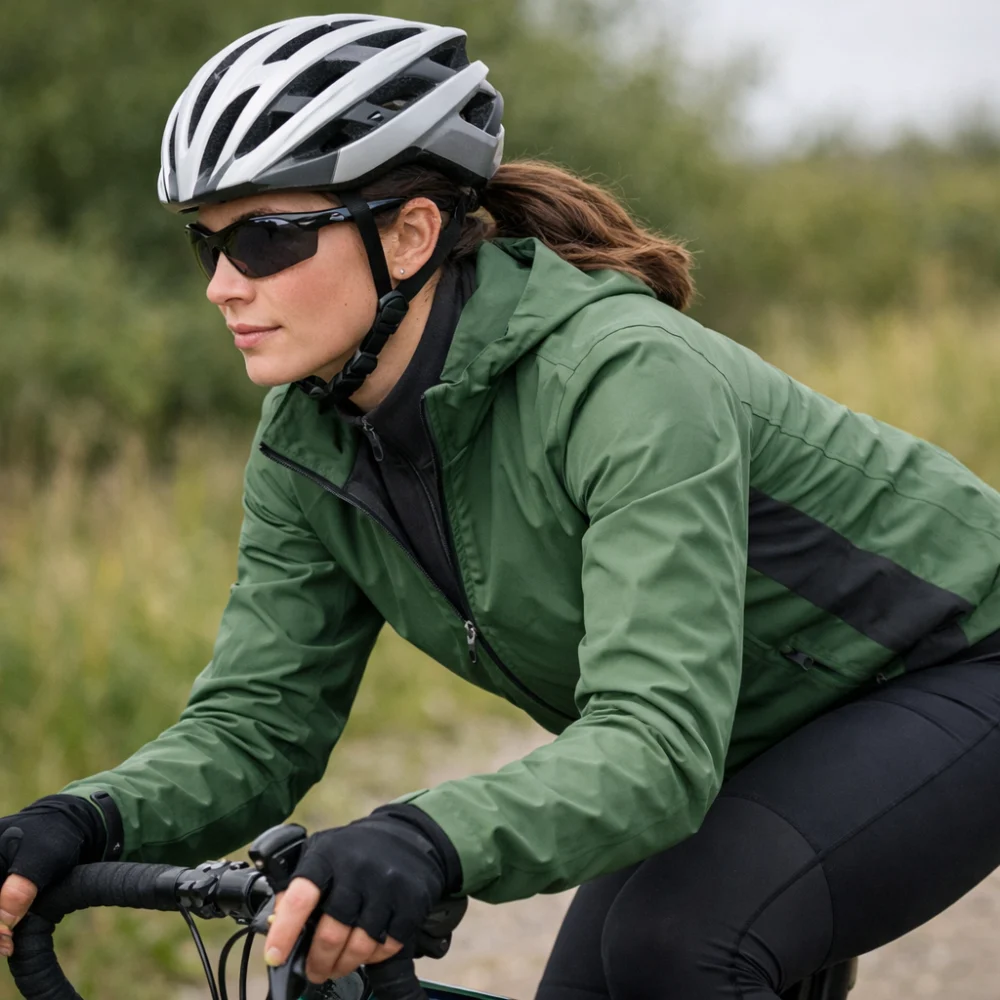

Women’s cycling jackets are designed to help you stay more comfortable when the weather changes on the bike. The right choice depends on how often you ride, how hard you ride and whether you need protection from rain, wind, cold or low-visibility conditions.
Because cycling jackets vary a lot, two jackets that look similar can feel very different in use. Some are mainly for layering and easy packability, while others focus on warmth, weather resistance or visibility.
This guide helps you compare the features that matter most so you can narrow the choice without overbuying or ending up with a jacket that is too warm, too bulky or not protective enough for your riding.
Compare Women's Cycling Jackets


As an Amazon Associate we earn from qualifying purchases.
What should you look for in a women’s cycling jacket?
The best starting point is the weather you ride in most often. If you mainly need a light outer layer, look for packability and wind resistance; if you ride in frequent rain, weather protection becomes more important; and if you ride in colder months, you may need more insulation or room for layers underneath. Fit matters just as much, because a cycling jacket needs to work in a riding position rather than just standing still.
Specifications vary by model, so always check the individual product page before buying.
| Feature | What it means | Why it matters | What to check |
|---|---|---|---|
| Weather protection | How much resistance the jacket offers to wind, drizzle or heavier rain | Helps you stay comfortable in changing conditions | Look for the level of protection described on the product page and match it to your usual weather |
| Warmth | Whether the jacket is a light shell, a mid-layer or a warmer outer layer | Affects how much layering you need underneath | Check whether it is intended for cool, cold or mild rides |
| Fit for cycling | How the jacket sits when you are reaching forward on the bike | Good fit reduces flapping and improves comfort | Look for cycling-specific shaping, sleeve length and room for movement |
| Visibility | How noticeable the jacket may be in low light | Useful for commuting and poor-weather riding | Check colour, reflective details and any visibility features listed |
| Packability | How easily the jacket can be carried when not worn | Helpful for changeable weather and longer rides | See whether the jacket is described as packable or lightweight |
| Breathability | How well the jacket allows moisture and heat to escape | Reduces clamminess during harder efforts | Consider how hard you ride and whether ventilation is mentioned |
Key decision criteria explained
Weather protection
Think about whether you need a windproof layer, a water-resistant shell or a jacket intended for wetter conditions. A more protective jacket can be useful in poor weather, but it may also feel warmer or less breathable. The right balance depends on whether you ride in short commutes, training sessions or longer recreational rides.
Fit and layering
A cycling jacket should allow for forward reach without pulling across the shoulders or riding up at the back. If you plan to wear it over a jersey or a thicker mid-layer, allow for that when choosing size and cut. A close fit can feel efficient on the bike, but too tight a fit can make layering difficult.
Breathability and ventilation
If you ride at a steadier pace or for longer periods, breathability becomes more important. Jackets that hold in too much heat can feel uncomfortable even when they keep out wind or light rain. If your rides are energetic, look for descriptions that suggest easier airflow or moisture management.
Visibility and colour
For commuting, early starts or darker months, visibility is worth considering alongside weather protection. Brighter colours and reflective detailing can help a jacket stand out, but they do not replace sensible road awareness. Choose the level of visibility that suits where and when you ride most often.
Packability and storage
Some jackets are useful because they can be folded away when conditions improve. That can be especially handy if you start a ride in uncertain weather or want a spare layer in a bag. A more substantial jacket may offer greater protection or warmth, but it is less likely to disappear into a jersey pocket.
Types and variants within this category
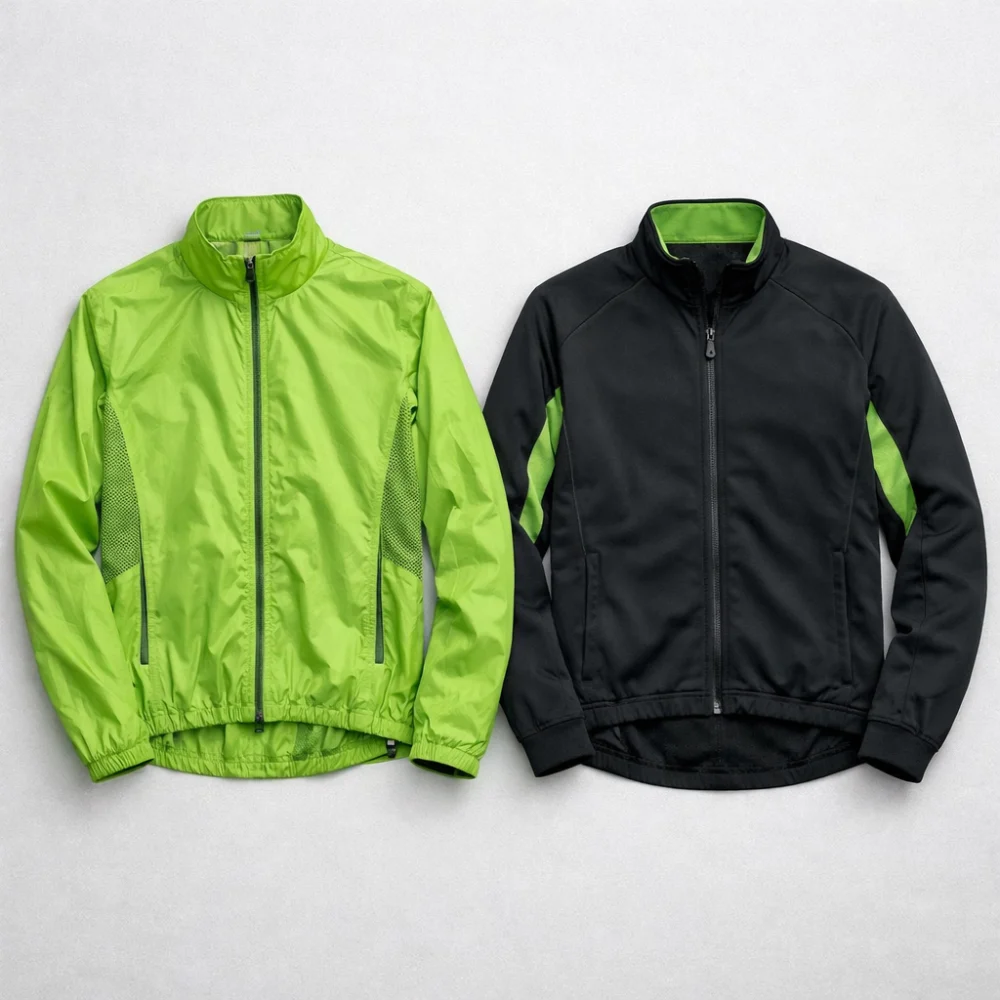
Women’s cycling jackets usually fall into a few practical groups. Lightweight shells suit riders who want a windproof or water-resistant outer layer without much bulk. Warmer jackets or softshell-style options are more suitable for colder rides, but they can be less compact and may feel too warm in milder weather.
Hi-vis or reflective jackets are aimed at riders who want to be more noticeable in traffic or low light. They can be a sensible choice for commuting, although they should still be chosen for fit and comfort rather than visibility alone. Some jackets are more general sports jackets, so it is worth checking whether the cut and details suit cycling specifically.
Which jacket suits which kind of rider?
| Buyer need | What to prioritise | Main trade-off |
|---|---|---|
| Daily commuter | Visibility, weather resistance and a practical fit over layers | Higher protection can mean more warmth or bulk |
| Recreational rider | Comfort, easy layering and enough protection for changeable conditions | A lighter jacket may need more careful timing around weather |
| Cold-weather rider | Warmth, wind protection and room for insulation underneath | Warmer jackets are often less packable |
| Fast or high-effort rider | Breathability, close fit and low bulk | More breathable jackets may offer less weather protection |
| Occasional rider | Simplicity, versatility and easy care | A general-purpose jacket may not be ideal for every season |
Common mistakes when buying a cycling jacket
- Choosing warmth before use case. A warm jacket is not always the most useful choice if you mainly ride in mild, changeable weather.
- Ignoring fit on the bike. A jacket that feels fine standing up can feel short, tight or restrictive when you lean forward on the bars.
- Overlooking breathability. Very protective jackets can still feel uncomfortable if they trap too much heat during harder rides.
- Buying for visibility only. Bright colour helps, but you still need a jacket that suits the weather and your riding style.
- Assuming all cycling jackets are the same. Lightweight shells, softshells and hi-vis styles serve different purposes, so compare them against your actual needs.
Safety and suitability caveats
A cycling jacket should suit the conditions you expect to ride in, but no single jacket covers every scenario. For wet, cold or low-light riding, it is sensible to think about weather protection, visibility and comfort together rather than treating them as separate choices. If you are unsure, check the product description carefully and compare it with the kind of ride you actually plan to do.
Maintenance, storage and lifespan considerations
How you look after a jacket can affect how useful it stays over time. Frequent washing, heavy use or repeated packing may change how a jacket feels and performs, so it is worth checking the care guidance on the product page or label. If a jacket relies on water resistance, breathability or reflective details, avoid assuming those qualities will stay exactly the same forever.
How to compare options efficiently
- Start with the weather and season you ride in most often.
- Decide whether you need a light shell, a warmer jacket or a more visible option.
- Check fit for cycling posture and whether you need room for layers.
- Compare breathability, packability and any visibility features that matter to you.
- Read the individual product page carefully before choosing.
Summary buyer decision checklist
- Does the jacket suit your usual weather and riding season?
- Is the fit appropriate for cycling and any layers you wear underneath?
- Do you need more warmth, more rain resistance or more breathability?
- Is visibility important for your route or time of day?
- Is the jacket easy to carry, store and care for in the way you need?
Frequently asked questions
What is the difference between a cycling jacket and a regular jacket?
A cycling jacket is usually shaped with riding position in mind, so it may sit better on the bike and feel less restrictive at the back and shoulders. It may also be designed with features that suit active use, such as lighter construction or better packability. A regular jacket can still work in some situations, but it may not feel as comfortable while riding.
Should I choose waterproof or water-resistant?
That depends on how much rain you expect and how long you are out for. Water-resistant options may be enough for light showers or short rides, while more protective jackets are better suited to wetter conditions. If your local weather is unpredictable, think about the balance between protection, breathability and comfort.
Do I need a hi-vis cycling jacket?
Not everyone does, but it can be useful for commuting or riding in darker conditions. Bright colours and reflective details can help you stand out, especially in traffic or poor light. It is still worth choosing a jacket that also suits your fit and weather needs.
How should a women’s cycling jacket fit?
It should allow you to move comfortably on the bike without feeling baggy or tight in the wrong places. If you plan to layer underneath, leave enough room for that without losing the shape you need for riding. The best fit often depends on whether you want a snug performance feel or a more relaxed outer layer.
Can I use a cycling jacket for walking or other sports?
Often yes, but the jacket may be optimised for cycling rather than general wear. A cycling-specific cut can feel great on the bike and less ideal for standing around or walking in a different posture. If you want one jacket for several activities, check whether the design is versatile enough for your needs.
What matters most for cold-weather riding?
Warmth, wind protection and fit for layering are usually the key points. You may also want to think about how well the jacket manages moisture, because overheating can become a problem even in colder weather. A jacket that works well for winter commuting may be very different from one intended for brisk daytime rides.
Why does breathability matter so much?
Breathability helps reduce the clammy feeling that can happen when you work hard in a jacket. This matters most on longer rides, hillier routes or higher-effort sessions. If you mainly ride slowly or in very cold conditions, it may be less of a priority than warmth or weather protection.
Small design details worth checking
Beyond the overall fit, details at the cuffs, collar and hem can affect how comfortable a jacket feels in your riding position and over the layers you wear. Check how these areas are described and whether they suit your usual gloves and clothing; a close seal may be useful in cool or windy conditions, while a more relaxed fit can feel less restrictive.
Pocket placement and access are also worth considering if you want to carry small essentials in the jacket. Look for the stated pocket layout and closure, and consider whether you can reach the pockets comfortably while riding. Use the product’s size guide and measurements rather than relying on the size label alone, especially if you plan to layer underneath.
More Women's Cycling Jackets
See all 152 Women's Cycling Jackets →


As an Amazon Associate we earn from qualifying purchases.


