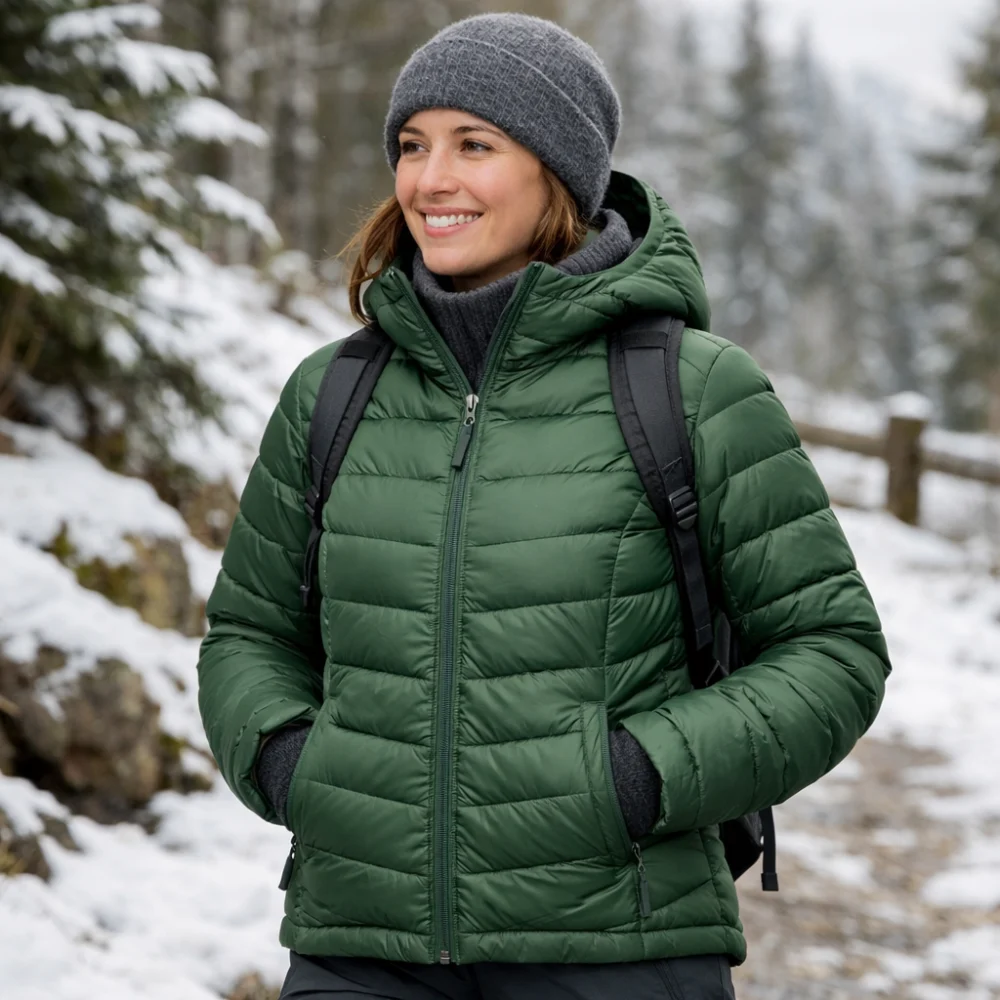
Women’s insulated jackets are designed to help you stay warm without wearing a heavy coat all day. They are a popular choice for walking, commuting, travel and general outdoor use when you want more warmth than a shell or soft layer can provide.
The main challenge is choosing the right balance of warmth, weight, weather protection and flexibility. Some jackets are made for active use with lighter insulation, while others are closer to a winter coat for colder, less active conditions.
If you are comparing options for the first time, it helps to start with when and where you will wear the jacket most often. That usually makes the rest of the decision much clearer.
Compare Women's Insulated Jackets


As an Amazon Associate we earn from qualifying purchases.
What should you look for in a women’s insulated jacket?
The best starting point is warmth level, then fit and weather resistance. After that, think about weight, packability, breathability and the type of insulation used. Specifications vary by model, so always check the individual product page before buying.
The main trade-off is simple: more insulation usually means more warmth, but also more bulk and less flexibility. A lighter jacket can feel easier to wear every day, but it may not be enough for long periods in colder conditions.
| Feature | What it means | Why it matters | What to check |
|---|---|---|---|
| Insulation type | The material that traps heat | Influences warmth, weight and how the jacket behaves when damp | Look for the insulation description on the product page and think about your weather conditions |
| Warmth level | How much insulation the jacket provides | Helps match the jacket to your activity and the temperature | Consider whether you need a lighter layer for movement or a warmer option for stillness |
| Outer fabric | The shell that forms the jacket’s outside | Affects wind resistance, durability and weather protection | Check whether the jacket is mainly for dry cold, mixed weather or more changeable conditions |
| Fit and cut | How the jacket sits on the body | Affects comfort, layering and freedom of movement | Review sizing notes, length and whether you want a closer or roomier fit |
| Weight and packability | How easy it is to carry or store | Useful for travel, commuting and layering | Check whether the jacket is described as lightweight or compact enough for your needs |
| Hood and collar | Extra coverage around the head and neck | Can improve comfort in wind and colder weather | Decide whether you prefer a hooded design or a simpler collar |
| Pockets and fastenings | Practical details for everyday use | Helpful for storage and ease of wear | Look for pocket placement, zip style and whether the jacket suits your routine |
Key decision criteria
Insulation type
Insulated jackets usually use either synthetic fill or down, although there are blended and hybrid designs too. Synthetic insulation is often chosen for dependable warmth in damp conditions and easier everyday care, while down is commonly associated with a lighter feel and strong warmth for weight. The right choice depends on how often the jacket will face moisture and how important packability is to you.
Weather resistance
An insulated jacket can be warm without being fully waterproof. Some are intended mainly for dry cold or light showers, while others add more weather protection through the outer fabric or extra finishes. If you expect wind, drizzle or mixed weather, check the product description carefully rather than assuming all insulated jackets handle rain in the same way.
Fit, layering and length
Think about what you will wear underneath. A jacket for everyday errands may work well with a regular fit, while a walking layer may need more room for a midlayer. Length also matters: a shorter cut can feel more mobile, while a longer style can give extra coverage around the hips and upper thighs.
Comfort in movement
If you plan to walk, commute or travel in your jacket, pay attention to freedom of movement through the shoulders and arms. A very warm jacket that feels restrictive can be frustrating to wear often. For active use, a lighter build with sensible shaping may be more useful than extra bulk.
Practical features
Features such as a hood, chin guard, adjustable cuffs and secure pockets can make a jacket easier to live with. These details do not matter equally to every buyer, but they can affect comfort and convenience more than people expect. Consider which features you will use regularly rather than choosing by count alone.
Types and variants within the category
Women’s insulated jackets are not one single style. The main differences usually come from how much warmth they provide, how weather resistant they are and whether they are designed for active or casual use.
- Lightweight insulated jackets: Often suited to layering, travel and milder cold. Their limitation is that they may not feel warm enough for long periods in lower temperatures.
- Warmer insulated jackets: Better when you want more protection from the cold. Their trade-off is extra bulk and less freedom if you want a very low-profile layer.
- Hybrid insulated jackets: Combine different materials or zones to balance warmth and movement. They can suit active buyers, but the design details matter more, so check the product page carefully.
- Hooded and non-hooded designs: A hood adds extra coverage, while a simpler collar can feel cleaner and less bulky. The better choice depends on how much head and neck protection you want.
Which jacket suits different needs?
| Buyer need | What to prioritise | Why it helps |
|---|---|---|
| Everyday wear | Comfort, easy layering and a practical fit | Makes the jacket easier to wear often without feeling overbuilt |
| Walking and light outdoor use | Balance of warmth, movement and wind protection | Helps the jacket feel useful across changing conditions |
| Colder weather | Higher warmth and a cut that keeps heat in | Improves comfort when you spend more time still or outdoors |
| Travel or commuting | Packability, weight and versatility | Makes the jacket easier to carry, store or wear on the move |
| Layering under a shell | Streamlined fit and low bulk | Reduces restriction when the jacket is part of a wider layering system |
Common mistakes to avoid
- Choosing by warmth alone: A very warm jacket can be the wrong choice if it feels too bulky for everyday use.
- Assuming all insulated jackets handle rain well: Some are better in dry cold than wet weather, so check the outer fabric and product description.
- Ignoring fit over layers: A jacket that fits over a thin top may feel tight once you add a jumper.
- Overlooking length and coverage: Shorter styles can be easier to move in, but they may leave more of the lower body exposed.
- Focusing on features you will not use: Extra pockets or a hood are useful only if they suit your routine.
Safety and suitability considerations
For outdoor use, the main concern is choosing a jacket that matches the conditions you expect rather than relying on general labels. A jacket that works well for a brisk walk may not be enough for long periods in cold, wet or windy weather. Check the product information for intended use, fit notes and any care advice so you know what to expect.
If you are buying for someone else, think about their usual activity, preferred fit and whether they tend to feel the cold. That is often more helpful than choosing the warmest-looking option.
Care, storage and lifespan
How you care for an insulated jacket can affect how long it stays comfortable and effective. Follow the care guidance on the individual product page or label, especially for jackets with technical fabrics or insulation. Store it somewhere dry and avoid compressing it for long periods unless the product is designed for that.
It is also worth checking whether the jacket needs any special laundering or reproofing approach, as requirements can differ between synthetic and down-filled designs. Specifications vary by model, so always check the individual product page before buying.
How to compare options efficiently
- Decide where you will wear the jacket most often: everyday use, walking, travel or colder outdoor conditions.
- Choose the right insulation level for that use, then narrow down the type of fill or construction.
- Compare fit, length and layering room so the jacket will work with your usual clothing.
- Check weather resistance, hood style and practical features against your real routine.
- Read the individual product page carefully before buying, especially where model details vary.
Summary buyer decision checklist
- Have you chosen the right warmth level for your usual conditions?
- Does the jacket suit dry cold, mixed weather or more active use?
- Will the fit work over the layers you normally wear?
- Do the length, hood and pockets suit your needs?
- Is the jacket easy enough to wear, carry and store for your routine?
- Have you checked the individual product page for model-specific details?
Frequently asked questions
What is the difference between an insulated jacket and a regular jacket?
An insulated jacket includes a layer designed to trap heat, so it is usually warmer than an uninsulated everyday jacket. That makes it a better choice when comfort in colder conditions matters more than keeping the layer very light. The trade-off is usually more bulk or less breathability.
Are insulated jackets suitable for wet weather?
Sometimes, but not always. Some insulated jackets cope with light showers or mixed conditions, while others are better kept for dry cold. Check the product description for weather protection details rather than assuming insulation alone means weather resistance.
Should I choose synthetic insulation or down?
That depends on how you plan to use the jacket. Synthetic insulation is often a practical choice for damp conditions and easier care, while down can appeal if you want a lighter feel and compact warmth. The best option depends on the balance you want between weather use, warmth and convenience.
Do I need a hood?
Not necessarily. A hood can be useful in wind and colder weather, but some buyers prefer a simpler collar for a neater feel and less bulk. Think about whether you normally wear a hood up or whether you rely more on hats and scarves.
How should an insulated jacket fit?
It should feel comfortable over the layers you expect to wear, without pulling across the shoulders or feeling overly loose. If you plan to use it with thicker midlayers, allow for that when checking size and shape. A fit that is too tight can reduce comfort and warmth in practice.
Is a heavier insulated jacket always warmer?
Not always. Weight can be influenced by fabric, insulation type and design, so a heavier jacket is not automatically the warmest choice. It is better to compare the described insulation and intended use rather than rely on feel alone.
Can I use an insulated jacket for active walking?
Yes, if it balances warmth with enough movement and breathability for your pace. For more active use, many buyers prefer a lighter or more streamlined design so they do not overheat as quickly. Consider the jacket as part of a layering system rather than a stand-alone answer for every condition.
Checking size and fit before choosing
Use the individual product’s size guide rather than relying on your usual size alone, as sizing and cut can vary between brands and styles. Where measurements are provided, compare them with your own and consider the layers you expect to wear underneath. Sleeve and body length are worth checking too, particularly if you want coverage while reaching or bending.
If you are between sizes, use the product’s fit notes and decide whether you prefer a closer fit or extra room for layers. A roomy cut may feel more comfortable over thicker clothing, but excessive space can make the jacket feel less suited to your intended use.
More Women's Insulated Jackets
See all 515 Women's Insulated Jackets →


As an Amazon Associate we earn from qualifying purchases.