

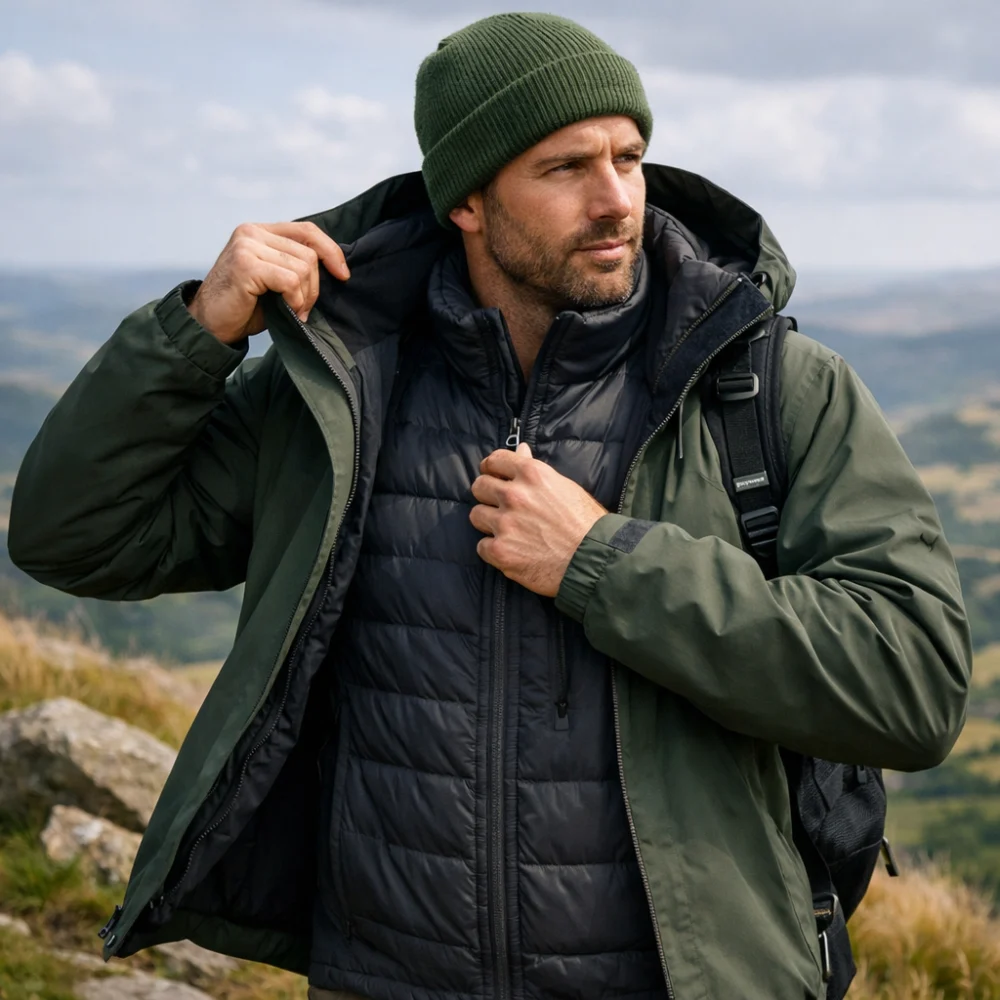

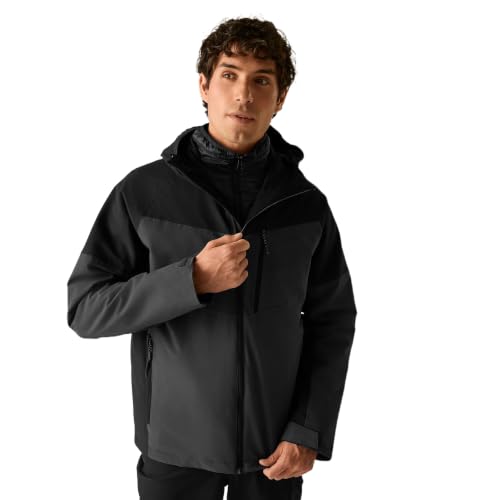
Men’s 3 in 1 jackets are built for changeable conditions, which makes them a practical choice for walking, day trips and everyday wear. They combine an outer jacket with an inner layer, so you can adjust warmth and weather protection as the day changes.
That flexibility is the main reason people choose this type of jacket, but it also means there are a few important choices to make. The best option depends on how often you will wear the layers together, what kind of weather you expect and whether you value low bulk, extra warmth or easier packability.
If you are comparing men’s 3 in 1 jackets for the first time, focus on how the layers attach, how the shell handles wind and rain, and whether the inner layer feels useful on its own. Specifications vary by model, so always check the individual product page before buying.
Compare Men's 3 in 1 Jackets




As an Amazon Associate we earn from qualifying purchases.
What should you look for in a men’s 3 in 1 jacket?
Start with the conditions you want to cover. A good 3 in 1 jacket should give you a sensible balance of weather resistance, warmth and versatility, but the mix varies from model to model. Some are better for steady walking in mixed weather, while others are more suited to everyday use where comfort and convenience matter most.
The main trade-off is between versatility and simplicity. A 3 in 1 jacket can replace two separate layers, but it may feel bulkier than a single-purpose jacket and less specialised than buying a dedicated waterproof shell or insulated coat.
| Feature | What it means | Why it matters | What to check |
|---|---|---|---|
| Outer shell | The removable jacket that handles wind and wet weather | Determines how well the jacket suits damp, breezy or unsettled conditions | Look at the stated weather protection and whether the shell suits your usual outings |
| Inner layer | The removable layer that adds warmth | Helps decide how useful the jacket is in colder conditions or on its own | Check the type of inner layer and whether you would wear it separately |
| Layering system | How the inner and outer parts connect and feel when combined | Affects comfort, ease of use and how versatile the jacket feels in practice | Check whether the layers are easy to zip together and comfortable when worn as one jacket |
| Fit and mobility | How the jacket sits on the body and allows movement | Important for walking, reaching, carrying a bag and wearing extra clothing underneath | Look for enough room for layers without the jacket feeling loose or restrictive |
| Packability and bulk | How easy the jacket is to carry or store when not needed | Useful if your weather changes during the day or you want a jacket that is not too heavy to manage | Consider whether the jacket seems practical to carry, store or travel with |
| Pockets and hood details | Practical extras that affect day-to-day convenience | Can make the jacket more useful for walking and casual use | Check whether the hood, cuffs and pockets suit your routine |
Which features matter most?
Outer shell protection
The shell is the part that does most of the work in wet or windy weather. Buyers often focus only on warmth, but if the outer layer is not suitable for your conditions, the jacket may not feel very versatile in practice. Think about when you are most likely to wear it: daily commuting, light walking, longer hikes or general outdoor use.
Inner layer warmth
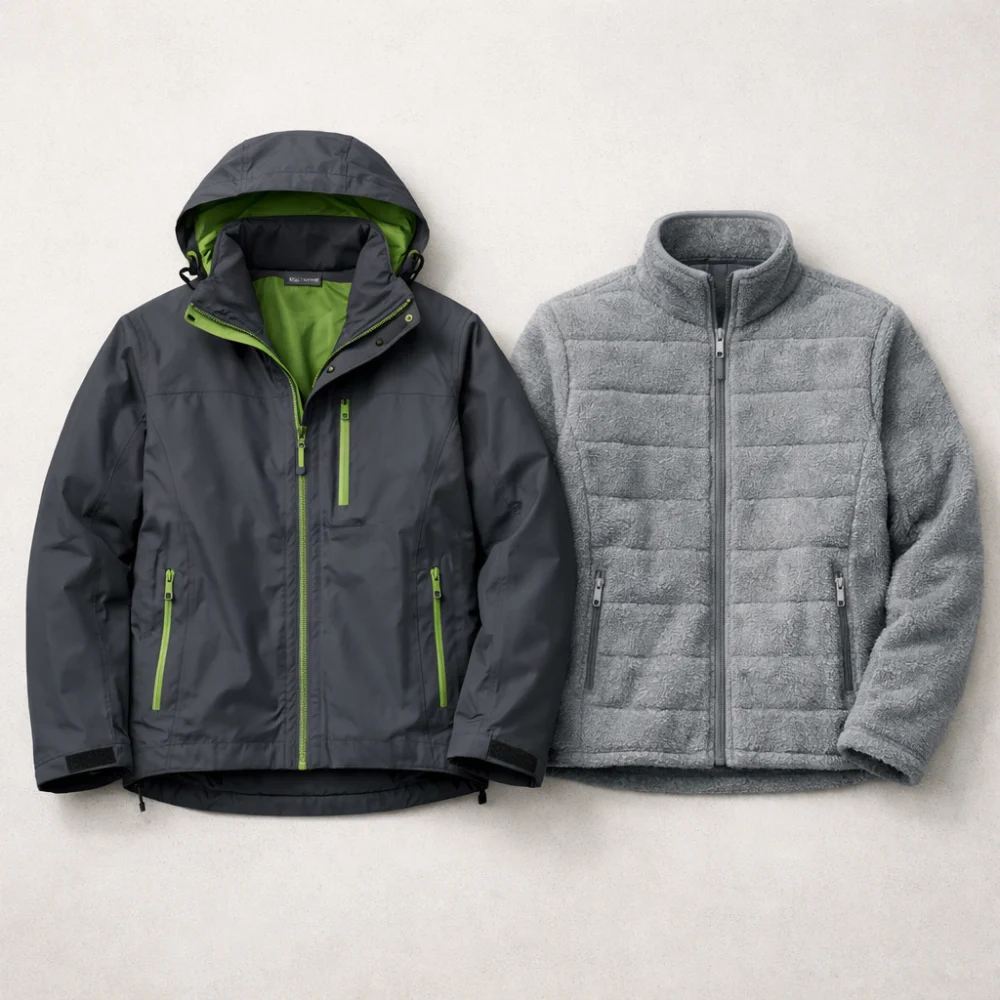
The inner layer is what makes the jacket more adaptable than a plain waterproof or lightweight jacket. It may be fleece-like, lightly insulated or designed mainly to add comfort rather than serious cold-weather protection. The key question is whether you want that layer for extra warmth on its own, or mainly as part of the full jacket system.
Comfort when layered
A 3 in 1 jacket can be worn in several ways, but that only helps if each configuration feels comfortable. Check whether the sleeves, collar and cuffs work well when the layers are zipped together, and whether the fit leaves enough room for a base layer or jumper underneath.
Ease of use
Some buyers want the simplest possible jacket, but 3 in 1 designs add a little more handling because there are two pieces to manage. If you expect to remove and refit the inner layer often, look for a system that feels straightforward and secure rather than fiddly.
What types of 3 in 1 jacket are there?
There is no single standard format, but most differences come from how the outer and inner layers are designed to work together.
- Waterproof-focused styles suit buyers who need better protection from rain and wind, with the inner layer adding warmth when needed.
- Insulated or warmer styles suit colder conditions, but may feel too warm for mild weather or active use.
- Lightweight casual styles suit everyday wear where versatility matters more than technical performance.
- More rugged walking styles may suit regular outdoor use, especially if you want a jacket that feels practical rather than purely casual.
The right choice depends on whether you want one jacket for mixed weather, a comfortable everyday layer or a more outdoors-focused option. If you already own a strong waterproof shell or a separate fleece, think carefully about whether a 3 in 1 jacket adds real value or simply duplicates what you have.
Who is a 3 in 1 jacket best suited to?
| Buyer need | What to prioritise | Why it helps |
|---|---|---|
| Walking in mixed weather | Weather protection, layering comfort and a useful inner layer | Lets you adjust as the temperature or conditions change |
| Everyday commuting | Ease of use, a comfortable fit and sensible bulk | Makes the jacket practical for regular wear without feeling overly technical |
| Cold-weather use | A warmer inner layer and enough room for layering | Improves comfort when temperatures drop |
| Travel or one-jacket convenience | Versatility and packability | Reduces the need to carry separate outer and mid-layers |
If you mainly want one jacket for mixed conditions, a 3 in 1 design can be a useful compromise. If you already know you want either a dedicated waterproof shell or a warm insulated coat, a single-purpose jacket may suit you better.
Common mistakes to avoid
- Choosing on warmth alone. The outer shell matters just as much if you will use the jacket in wet or windy weather.
- Assuming every inner layer will feel equally useful. Some are better as add-on warmth, while others are practical enough to wear on their own.
- Ignoring fit with both layers combined. A jacket can feel fine separately but awkward when zipped together.
- Overlooking bulk. A versatile jacket may still be heavier or roomier than you expect.
- Buying for a use you do not really have. If you rarely separate the layers, a simpler jacket may be better value.
Suitability and care considerations
Think about how the jacket will fit into your routine. If you plan to wear it often, simple features such as easy zips, comfortable cuffs and practical pockets can matter more than technical claims on the label. If you will use it for walking, make sure it leaves enough freedom of movement for arms, shoulders and layering underneath.
For care and storage, follow the guidance on the individual product page or care label. Removable layers may be easier to dry and store separately, which can be useful if you wear the jacket in damp weather or switch between the layers regularly.
How to compare options efficiently
- Decide whether you need one jacket for mixed conditions or a simpler single-purpose layer.
- Check how the outer shell suits wind and rain, since this is the part you will rely on most in poor weather.
- Judge whether the inner layer is warm enough and useful enough to wear on its own.
- Compare fit, comfort and bulk with both layers together.
- Review the product page for any model-specific details before deciding.
Summary buyer decision checklist
- Does the jacket suit the weather you expect most often?
- Will you wear the inner layer on its own, or mainly as part of the full jacket?
- Does the fit feel right with both layers combined?
- Is the jacket too bulky, or does it feel practical for your routine?
- Are the pockets, hood and cuffs suitable for how you will use it?
- Have you checked the individual product page for model-specific details?
Frequently asked questions
Are 3 in 1 jackets good for walking?
They can be a very practical choice for walking because they adapt to changing conditions. The outer shell helps with wind and wet weather, while the inner layer adds warmth when you need it. The main thing to check is whether the jacket feels comfortable when you are moving and layering underneath.
Can I wear the inner layer on its own?
Often, yes, but that depends on the specific design. Some inner layers are made to work as a separate fleece or lightweight jacket, while others are mainly there to add warmth inside the shell. Check the product page to see how the layer is intended to be used.
Is a 3 in 1 jacket better than buying separate jackets?
Not always. A 3 in 1 jacket is convenient if you want flexibility in one purchase, but separate jackets can sometimes be better if you want a more specialised waterproof shell or a warmer insulated coat. The right choice depends on how often you will use each layer and how much versatility you need.
What should I prioritise if I only want one jacket for mixed weather?
Focus on the outer shell first, then decide whether the inner layer gives you enough warmth to be genuinely useful. A jacket that handles wind and rain well is usually more valuable than one with a very warm inner layer but a less capable shell.
Do 3 in 1 jackets tend to feel bulky?
They can feel bulkier than a single jacket because they combine two pieces. Some buyers like that extra structure, while others prefer a lighter or more streamlined feel. If bulk matters to you, compare how the jacket looks and feels with both layers attached.
How do I know if the fit will work with layers underneath?
Look for enough room through the shoulders, chest and sleeves without the jacket hanging too loosely. If you often wear jumpers or base layers, the combined fit matters more than the fit of either layer on its own.
More Men's 3 in 1 Jackets
See all 429 Men's 3 in 1 Jackets →


As an Amazon Associate we earn from qualifying purchases.


