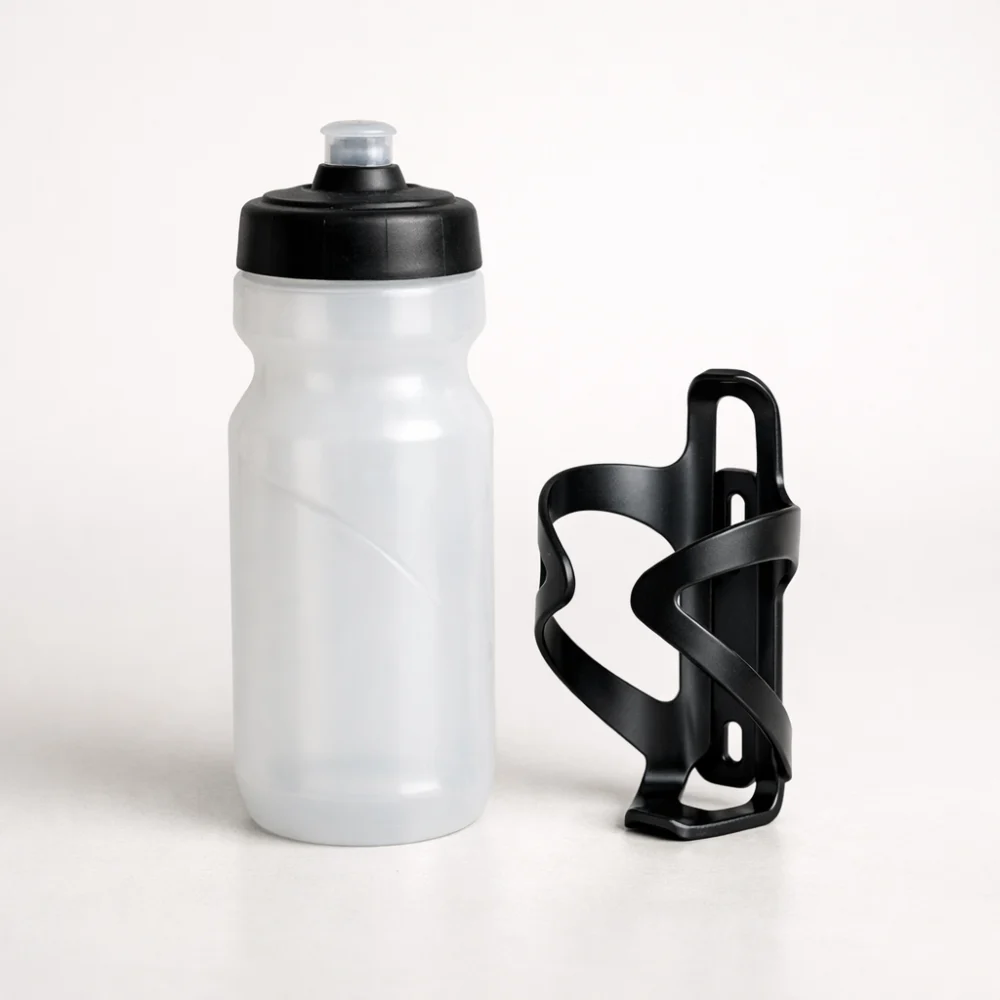

Cycling drink bottles look simple, but the right choice depends on how you ride and what matters most to you. Some buyers want an easy-squeeze bottle for quick drinks on the move, while others care more about capacity, fit in the cage or how easy the bottle is to clean.
This guide helps you compare the practical differences without overcomplicating the decision. It focuses on the things that usually affect comfort, convenience and compatibility with your bike setup.
Compare Cycling Drink Bottles


As an Amazon Associate we earn from qualifying purchases.
What should you look for in a cycling drink bottle?
The best starting point is usually fit, ease of use and capacity. A bottle that sits securely in your cage and is easy to drink from on the move is often more useful than one with extra features you may never use.
The main trade-off is usually between convenience and volume. Larger bottles can reduce how often you need to refill, but they may be less convenient on smaller frames or in tighter cages. Specifications vary by model, so always check the individual product page before buying.
| Feature | What it means | Why it matters | What to check |
|---|---|---|---|
| Capacity | How much liquid the bottle holds | Affects how long you can ride before refilling | Match the size to your ride length and what your frame can comfortably carry |
| Shape and fit | The bottle’s overall profile and how it sits in a cage | Helps the bottle stay secure and be easy to remove | Check whether the shape suits your bottle cage and frame space |
| Drink opening | The top or valve design you use to sip or squeeze from | Influences how easy it is to drink while riding | Look for a closure you can use comfortably with one hand if that matters to you |
| Material | The bottle’s body material | Can affect weight, feel, cleaning and durability preference | Read the product page for the material used and any care notes |
| Cleaning ease | How simple the bottle is to wash out and dry | Important if you use the bottle often or with sports drinks | Check for wide openings, simple shapes and clear washing guidance |
| Intended use | Whether the bottle is aimed at everyday riding, training or general sports use | Helps you choose something suited to your routine | Confirm the product description matches how you plan to use it |
Key decision criteria explained
Capacity and ride length
Capacity is one of the simplest ways to narrow the choice. Short commutes and quick spins may suit a smaller bottle, while longer rides often justify a larger one if your bike and cage can take it.
Think about how often you can refill, not just how much you want to carry. A bottle that is too large for your frame or cage can be awkward, even if it reduces refill stops.
Fit with your cage and frame
Cycling bottles are usually chosen alongside a cage, so shape matters as much as volume. A bottle that is easy to squeeze out of one cage may feel loose in another if the dimensions do not suit.
If your frame has limited clearance, check the bottle profile carefully. This is especially useful on smaller frames or bikes with accessories already fitted.
Drink comfort and lid style
Some bottles are designed to be squeezed, while others use different cap or valve styles. The right choice depends on whether you want very quick access, more controlled drinking or a lid that feels secure during transport.
If you ride in traffic or on rougher surfaces, ease of use while moving can matter more than the exact bottle style. Consider whether you want a simple bottle you can use without much attention.
Cleaning and everyday maintenance
Cleaning matters more than many buyers expect, especially if you use sports drinks or ride frequently. A bottle that is straightforward to rinse and dry is often easier to keep in regular use.
Simple shapes can be a practical advantage because they are less fiddly to wash. If you plan to use the bottle every day, this can make a noticeable difference.
Common bottle types and variants
Within cycling drink bottles, the most useful distinctions are usually around size, opening style and intended use rather than dramatic product categories.
- Standard squeeze bottles: Often the simplest option for quick drinks on the bike.
- Sports-style bottles: May be chosen for general exercise use as well as cycling.
- Lid or valve bottles: Can feel more controlled for some users, depending on preference.
- Different capacity options: Useful when you want to balance hydration needs against frame space.
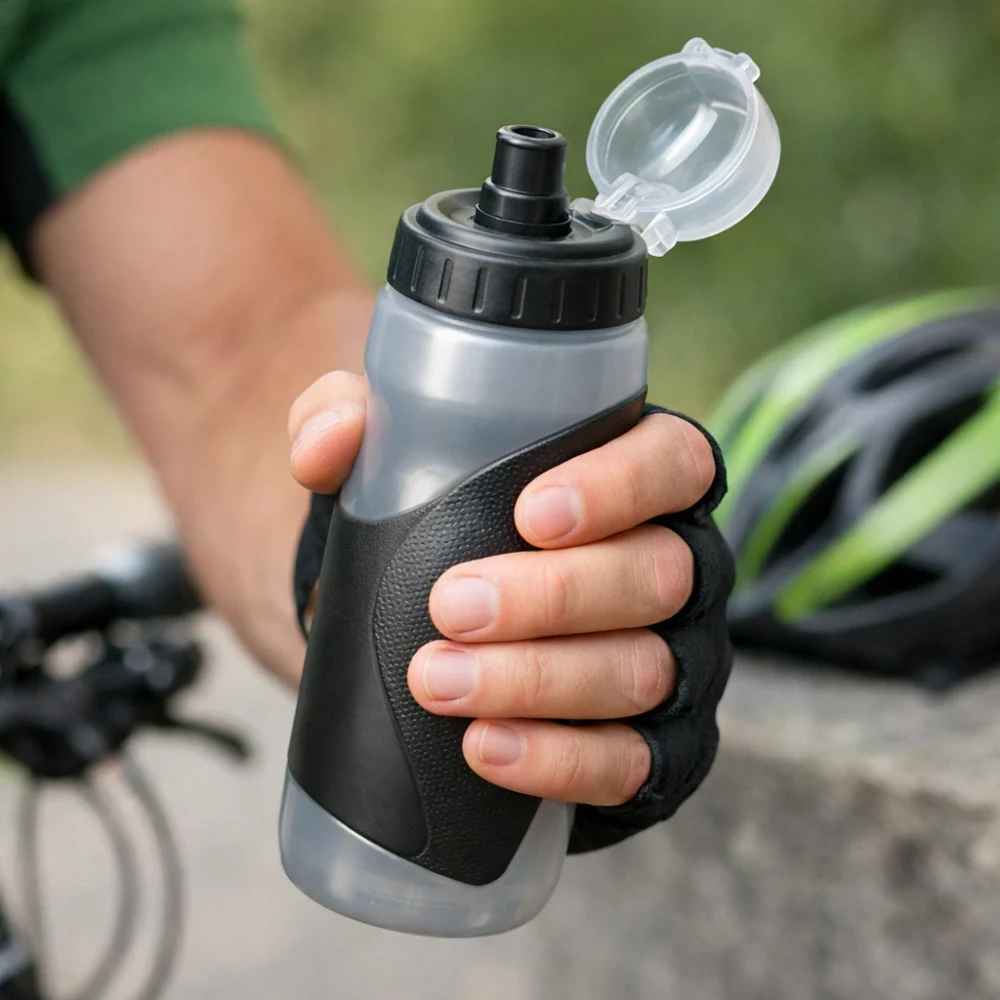
The main limitation is that the right variant depends on your cage, your frame and how you like to drink. One style is not automatically better for everyone.
Which bottle suits different riders?
| Buyer need | What to prioritise | Why it helps |
|---|---|---|
| Short commutes | Easy access and simple cleaning | Makes the bottle convenient for everyday use |
| Longer rides | Capacity and secure fit | Helps reduce refill stops and keeps the bottle steady |
| Training rides | Comfortable drinking while moving | Supports frequent sips without distraction |
| Smaller frames | Shape and clearance | Helps avoid fit issues with the frame or accessories |
| Shared household use | Easy washing and straightforward design | Makes the bottle simpler to reuse regularly |
Common mistakes and misunderstandings
- Choosing by capacity alone: A larger bottle is not necessarily a better fit if it is awkward in the cage or frame.
- Ignoring the cage: The bottle and cage should work together, so shape and secure retention matter.
- Overlooking cleaning: A bottle that is hard to wash can become inconvenient quickly.
- Assuming all lids feel the same: Opening style affects how easy the bottle is to use while riding.
- Buying only for appearance: Practical fit and drink comfort usually matter more than looks.
Safety and suitability checks
For cycling use, the key question is whether the bottle is suited to your riding style and equipment. Make sure the size, shape and opening style are appropriate for the way you ride and the space on your bike.
If you plan to use any bottle with hot or cold liquids, check the individual product information carefully, as not every bottle is designed for the same use. Avoid assuming that a general sports bottle is suitable for every cycling situation.
Maintenance and storage considerations
Most cycling drink bottles are easiest to live with when they are rinsed soon after use and stored clean and dry. That is especially helpful if you use drinks other than plain water.
Think about whether the bottle is easy to open fully, dry and put back into use. A simple routine can matter more than any single feature if you ride often.
How to compare options efficiently
- Start with your typical ride length and how much drink you want to carry.
- Check whether the bottle shape is likely to fit your cage and frame.
- Compare the opening style and how easy it looks to use while riding.
- Look at cleaning and storage practicality if the bottle will be used often.
- Read the individual product page for the exact details before deciding.
Summary buyer decision checklist
- Does the capacity suit your normal ride length?
- Will the shape fit your cage and frame space?
- Is the drinking style comfortable for you?
- Is it easy to clean and dry?
- Does the product description match your intended use?
- Have you checked the individual product page for the exact details?
Frequently asked questions
How do I choose the right size cycling bottle?
Start with how long you usually ride and how often you can refill. A smaller bottle can be fine for short trips, while longer rides may benefit from a larger capacity if your bike has room for it.
Do all cycling bottles fit all bottle cages?
No, fit can vary because bottle shape and cage design both matter. Check the product page carefully and think about your frame clearance as well as the cage you already use.
Is a squeeze bottle better than a bottle with a different lid?
Not always. Squeeze bottles are often straightforward for quick drinks, but some riders prefer a different opening style for a more controlled feel or a more secure closure.
How important is cleaning ease?
Very important if you plan to use the bottle frequently. A bottle that is simple to rinse and dry is usually easier to keep in regular rotation, especially if you use sports drinks.
Can I use a cycling bottle for other sports or everyday use?
Often yes, provided the product description suits that use. Many bottles are practical for gym sessions, commuting or general hydration, but always check the individual product page for the intended use.
What is the most common buying mistake?
Buying a bottle without considering fit. Capacity matters, but the bottle still needs to sit securely in your cage and work well with your frame.
Do you need an insulated cycling bottle?
Insulation may suit riders who prefer their drink to stay closer to its starting temperature, but it can add bulk and may change how the bottle sits in a cage. Compare the bottle’s dimensions with your cage and frame clearance, and check the product information for any specific care guidance. If temperature is not a priority, a simpler bottle may be easier to fit and clean.
More Cycling Drink Bottles
See all 189 Cycling Drink Bottles →


As an Amazon Associate we earn from qualifying purchases.