

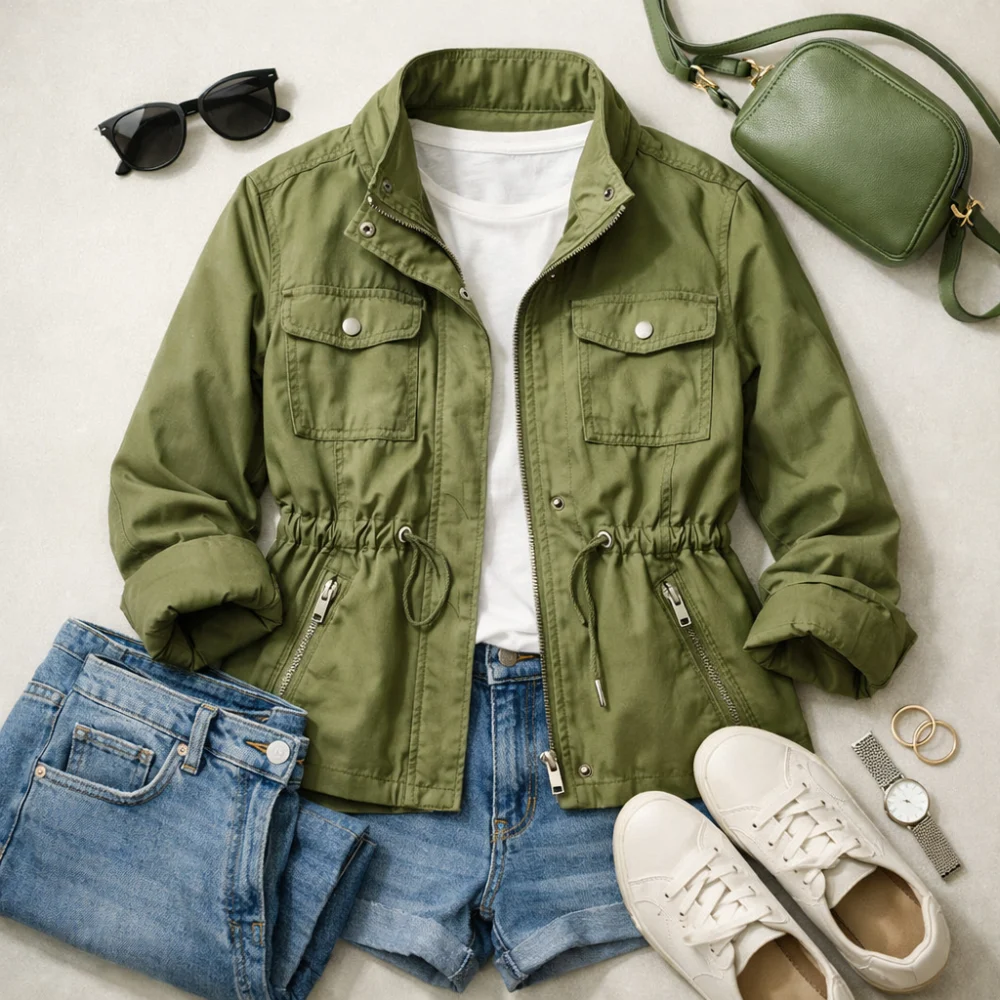

A casual jacket is often the layer you reach for most often: for school runs, commuting, weekend walks, travel and everyday wear. Within this category, the main decision is usually about balance rather than extremes: warmth versus lightness, structure versus softness, and style versus practicality.
Because women’s casual jackets cover several everyday looks, it helps to narrow your choice by how you plan to wear it. Some buyers want a neat outer layer for town and travel, while others want something softer and more relaxed for easy layering.
Specifications vary by model, so always check the individual product page before buying.
Compare Women's Casual Jackets


As an Amazon Associate we earn from qualifying purchases.
What should I look for in a women’s casual jacket?
Start with the conditions you will wear it in most often. A jacket for mild, dry days can focus on comfort and style, while one for changeable weather may need a more protective outer fabric, a higher collar or room for layering. The best starting point is usually fit, weight and fabric feel, because these affect how often you will actually wear it. Then compare the details that matter to you, such as pockets, fastening type, hood style and how easily the jacket works over knitwear.
| Feature | What it means | Why it matters | What to check |
|---|---|---|---|
| Fit | How the jacket sits on the shoulders, chest and hips | Changes comfort, layering and overall look | Whether you want a close, regular or relaxed feel |
| Fabric weight | How substantial the jacket feels | Affects warmth, drape and when you will wear it | Whether it suits mild weather or more frequent layering |
| Fastening | Zip, buttons or open-front style | Changes ease of use and how much wind protection you get | How quickly you want to put it on and take it off |
| Pockets | Placement and usefulness of storage | Important for keys, phone and everyday convenience | Whether pocket size and position suit your routine |
| Collar and hood | Extra coverage around the neck and head | Helps with comfort in cooler or breezier weather | Whether you prefer a clean collar or added protection |
| Length | Where the hem falls on the body | Affects coverage, movement and styling with trousers or skirts | How it looks with the outfits you wear most |
Key decision criteria
Fit and layering
Fit matters because casual jackets are often worn over everyday clothes rather than as a standalone top layer. A neat fit can look smart and reduce bulk, but may feel restrictive if you wear jumpers underneath. A more relaxed fit gives layering room and a less structured look, though it may feel too loose if you want a cleaner silhouette.
Fabric feel and structure
Casual jackets can range from soft, textured styles to smoother, more structured options. Softer fabrics can feel comfortable and relaxed, while more structured fabrics usually give a tidier outline. Think about whether you want the jacket to blend into an outfit or become the main feature of it.
Warmth and season use
Not every casual jacket is intended for the same temperature range. Some are better as a light outer layer for spring and autumn, while others are more suitable for cooler days with knitwear underneath. If you want one jacket for more than one season, look for enough room to layer without the fit becoming awkward.
Fastening and ease of wear
Zips, buttons and open-front styles each change how easy the jacket is to use. A zip can feel practical for daily wear, while buttons or an open-front cut may suit a softer or more dressed look. If you expect to wear the jacket often, ease of fastening is worth as much attention as appearance.
Everyday details
Pockets, cuffs, collar shape and hem length all affect how useful a jacket feels day to day. These details can be overlooked, but they often decide whether the jacket becomes a favourite or sits unused. Check whether the design matches your usual carry items, your commute and the clothes you wear most.
Common casual jacket types
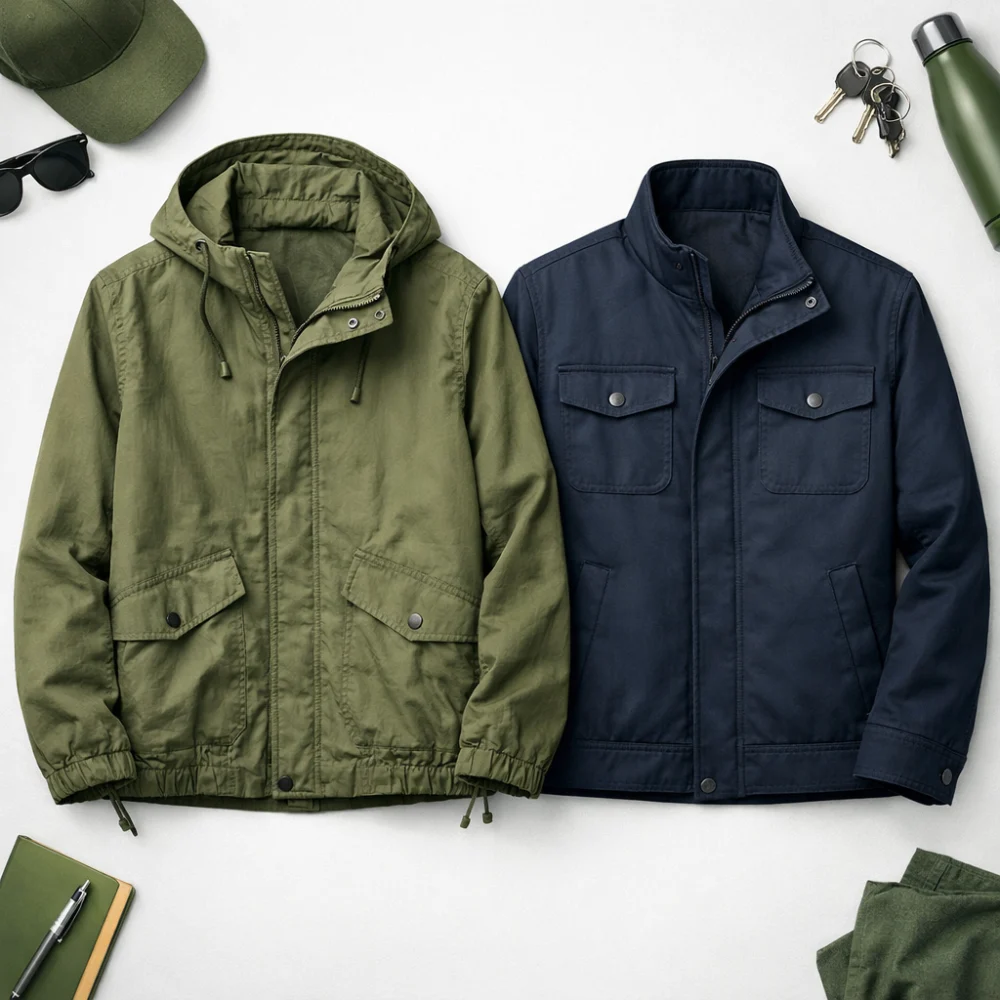
Within this category, buyers often see several familiar styles. A shirt-jacket style can suit relaxed layering and mild weather. A fleece or teddy-style jacket may appeal if softness and warmth are more important than a crisp outer look. Bomber-style jackets usually give a more casual, shaped finish, while blazer-inspired styles lean smarter and work well for town wear or less formal office outfits.
Each style has a trade-off. Softer styles may be less structured, while smarter-looking styles may feel less easygoing. The right choice depends on whether you want the jacket to behave more like a light coat, a layering piece or a style-led outer layer.
Which jacket suits which buyer?
| Buyer need | What usually helps | Why |
|---|---|---|
| Daily wear and errands | Easy fastening, practical pockets, versatile colour | Useful for frequent on-and-off wear and simple outfits |
| Layering over jumpers | Roomier fit and a little extra length | Makes it easier to move and stay comfortable |
| Smart-casual dressing | Cleaner shape and more structured fabric | Looks more polished with trousers, denim or dresses |
| Soft, relaxed comfort | Fleecier feel and looser shape | Prioritises comfort and easy wear at home or out |
| Changeable weather | Higher collar, sensible length and room for layers | Improves comfort when temperatures shift through the day |
Common mistakes to avoid
- Choosing on looks alone and forgetting how often you will wear the jacket.
- Buying a close fit without checking whether it allows for jumpers underneath.
- Ignoring length, even though it changes both comfort and the way the jacket works with your wardrobe.
- Overlooking fastening type, which can affect convenience more than people expect.
- Assuming all casual jackets are equally warm or equally protective in breezy weather.
Safety and suitability notes
Casual jackets are general everyday clothing, so the main suitability checks are practical rather than technical. Think about weather, layering, visibility in darker conditions and whether the fabric and cut suit your routine. If you need something for stronger rain, lower temperatures or more active use, compare that need carefully with the individual product description rather than assuming a casual style will cover every situation.
Care, storage and wear over time
How long a casual jacket stays looking good depends on the fabric, lining and how often it is worn. Softer textured styles may need a little more care to keep their appearance, while smoother fabrics may be easier to brush down or store neatly. Check any care information on the product page, and think about whether the jacket will be hung, folded or packed away between uses.
How to compare options efficiently
- Decide where and when you will wear the jacket most often.
- Choose the type that matches that use, such as relaxed, smart-casual or softer comfort-led styling.
- Compare fit, fastening, length and layering room first.
- Check practical details such as pockets, collar shape and fabric feel.
- Read the individual product page carefully before deciding.
Frequently asked questions
Are casual jackets suitable for everyday wear?
Yes, that is usually their main purpose. The key is choosing a style that matches how often you will wear it and what you wear underneath it. A jacket that is comfortable, easy to fasten and easy to style is more likely to get regular use.
Should I size up in a casual jacket?
Not always. Sizing up can help if you want to wear thicker layers underneath, but it may change the shape and make the jacket feel too loose. It is better to compare the fit notes on the individual product page with how you plan to wear it.
What is the most versatile jacket style?
That depends on your wardrobe, but a clean, simple shape in a neutral colour is often easiest to wear often. Versatility also comes from the right length and a fit that works with the clothes you already own.
Are softer styles less practical?
Not necessarily. Softer styles can be very practical if comfort and easy layering matter most. They may, however, be less structured, so consider whether you want a relaxed look or something that feels more polished.
How important are pockets?
Very important for many buyers, especially if the jacket will be used for school runs, errands or commuting. Pocket placement, depth and closure all affect convenience. If you carry a phone or keys often, it is worth checking the details closely.
Can one casual jacket work across seasons?
Sometimes, if it has enough room for layering and suits mild weather. A light jacket can work well for spring and autumn, but you may still want a warmer or more weather-focused layer for colder conditions. Look at the jacket as part of your wardrobe rather than an all-season solution.
Check fit and weather needs separately
If a product page provides a size chart, compare its measurements with a jacket you already find comfortable, paying particular attention to the chest, shoulders, sleeves and hem length. Check whether the measurements describe the garment or the wearer, and allow for the layers you expect to wear beneath it; sizing labels alone may not tell you how a jacket will sit.
A casual style does not by itself indicate waterproofing, wind resistance or a particular level of insulation. If you need protection from specific conditions, look for relevant details on the individual product page rather than relying on the jacket’s appearance or category name.
More Women's Casual Jackets
See all 446 Women's Casual Jackets →


As an Amazon Associate we earn from qualifying purchases.


