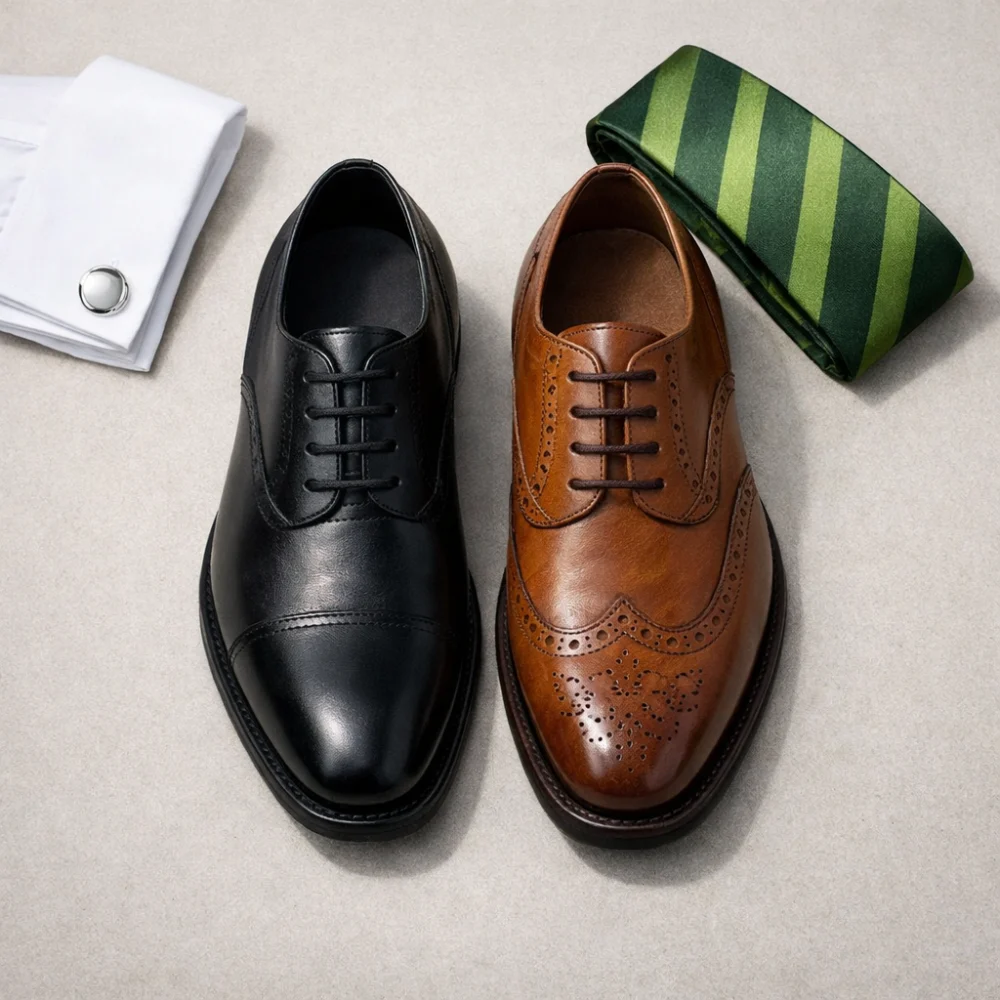
Men’s formal shoes are chosen for occasions where a smarter appearance matters, from office wear to weddings and other dressier events. The right pair should suit the outfit, feel comfortable enough for the time you expect to wear them, and match how formal the setting really is.
This guide focuses on the practical differences that help you narrow the choice without overcomplicating it. If you are comparing similar-looking shoes, the main questions are usually about style, shape, comfort, finish and how easily the shoe works with your wardrobe.
What should you look for in men’s formal shoes?
A good starting point is the event or setting. A shoe that looks right for a business suit may feel too plain or too ornate for another outfit, while a very dressy style may be less flexible for regular wear. The best choice is often the pair that balances appearance, comfort and versatility for your own use.
Specifications vary by model, so always check the individual product page before buying.
| Feature | What it means | Why it matters | What to check |
|---|---|---|---|
| Style | The overall formal look, such as a plain shoe, brogue detailing or a slip-on design. | Different styles suit different occasions and outfits. | Whether the design fits your dress code and the level of formality you want. |
| Fastening | Lace-up or slip-on construction. | Affects how secure the shoe feels and how easy it is to put on and remove. | Whether you prefer a traditional fit or quicker everyday wear. |
| Shape and fit | The outline of the shoe and how it is likely to sit on the foot. | Fit strongly affects comfort, especially if you will wear the shoes for long periods. | Any size notes, width information or fit guidance on the product page. |
| Finish | The look of the upper material and surface detailing. | Changes how smart, subtle or distinctive the shoe appears. | Whether the finish suits your suit, trousers or event. |
| Comfort features | Details that may affect wearability, such as lining, cushioning or flexibility. | These can make a noticeable difference if you expect to stand or walk for longer periods. | Product descriptions that mention comfort-related construction or materials. |
Key decision criteria explained
Style and level of formality
Formal shoes range from understated designs that work well with business clothing to more decorative versions that feel better suited to special occasions. If you want one pair for multiple uses, choose a style that sits comfortably between strict formalwear and everyday smart-casual outfits.
Lace-up or slip-on
Lace-up shoes often look more traditional and can give a more adjustable feel. Slip-on styles are easier to wear quickly and can suit buyers who prefer convenience. The trade-off is usually between a more classic appearance and day-to-day ease.
Fit and comfort
Even a smart shoe will feel disappointing if the fit is wrong. Check any size guidance carefully, especially if the listing mentions a wider or narrower fit. If you expect long wear, comfort matters as much as appearance because the shoe may need to work for sitting, standing and walking over several hours.
Finish and detailing
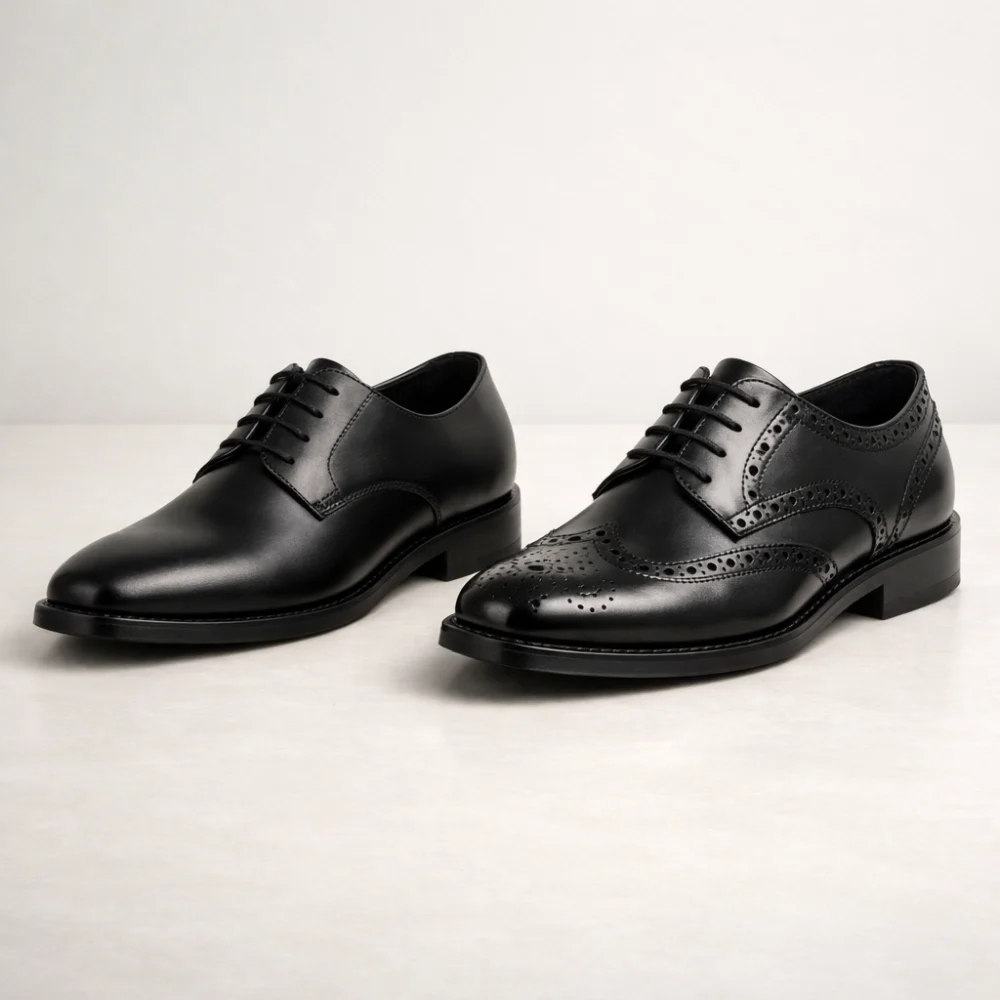
Some buyers want a simple, plain shoe with a clean profile, while others prefer decorative features such as broguing. More detailing can add character, but it can also make the shoe slightly less flexible across different outfits. Think about whether you want one reliable pair or a more distinctive style for a specific event.
Product types and variants
Within men’s formal shoes, the main difference is usually between the overall silhouette and the level of decoration rather than dramatic technical variation. Common options include lace-up dress shoes, slip-on formal shoes and styles with decorative perforation or panel detailing.
- Lace-up formal shoes: Often the most traditional choice and usually the easiest to pair with office wear.
- Slip-on formal shoes: Convenient and neat, but not always as adjustable.
- Decorative formal shoes: Useful when you want a little more character, though they may feel less understated.
Which type suits different needs?
| Buyer need | What tends to suit it | Why |
|---|---|---|
| Office wear | Simple lace-up shoes | They usually look restrained and work with many smart outfits. |
| Weddings and special occasions | More polished or decorative formal shoes | These can feel more dressed-up and occasion-appropriate. |
| Frequent all-day wear | Comfort-conscious formal shoes with fit details checked carefully | Fit and wearability become more important when the shoes will be worn for long periods. |
| Quick, convenient wear | Slip-on formal shoes | These are easier to put on and take off. |
| One pair for several outfits | Plain, versatile formal shoes | They are usually easier to mix and match with different clothing. |
Common mistakes to avoid
- Choosing by looks alone: A formal shoe can seem right in a photo but still be wrong for the shape of your foot or the amount of time you will wear it.
- Ignoring the dress code: A shoe that is too decorative or too casual may not suit the event.
- Overlooking fit guidance: Width notes, size notes and fit comments can be important when you are comparing similar styles.
- Assuming all formal shoes wear the same: Different constructions and finishes can affect comfort, flexibility and how the shoe feels over a full day.
Safety and suitability caveats
Formal shoes are primarily a style and comfort purchase, so the main checks are suitability, size and intended use. If you need them for a workplace, ceremony or other specific setting, make sure the shoe matches the expected dress standard and any comfort needs you have for standing or walking.
Specifications vary by model, so always check the individual product page before buying.
Maintenance, storage and lifespan considerations
How long a pair lasts will depend on how often you wear it, the materials used and how well you look after it. Before buying, consider whether the shoe will need regular cleaning, occasional polishing or careful storage to keep its appearance smart. If you plan to wear the same pair often, it is sensible to think about having a second pair to rotate, even though that is a personal choice rather than a rule.
How to compare options efficiently
- Decide where and how often you will wear the shoes.
- Choose the style level that fits the occasion.
- Check the fastening, shape and any fit notes.
- Compare finish and detailing against the outfits you already own.
- Read the individual product page carefully before you decide.
Frequently asked questions
Are lace-up formal shoes always more formal than slip-ons?
Not always, but lace-up shoes are often seen as the more traditional option. The exact look also depends on the shape, finish and amount of detailing. A neat slip-on can still look suitably formal for many occasions.
What is the difference between plain formal shoes and brogues?
Plain formal shoes usually have a cleaner, less decorated appearance. Brogues include decorative perforation or edging, which gives them more character. The right choice depends on whether you want a subtler or more distinctive look.
How do I choose the right formal shoe for work?
For work, the safest starting point is usually a simple, versatile style that fits your dress code. Comfort matters too if you will be on your feet or walking between meetings. A shoe that looks smart but feels impractical will rarely get worn often.
Should formal shoes be bought to match a specific suit?
That can help if the shoes are for a special event, but it is not always necessary. Many buyers prefer a versatile pair that works with several outfits. If you want maximum flexibility, choose a style that does not clash with your most common clothing colours and fits.
What should I check if I have wide feet?
Look for width information or fit guidance on the product page, and do not assume every formal shoe is cut the same way. A style that is too narrow can feel restrictive even if the length is correct. Fit details matter as much as appearance.
How many pairs of formal shoes do most people need?
That depends on how often you wear formal clothing and whether one pair has to cover several occasions. A single versatile pair may be enough for occasional use, while regular wear may justify more than one option. The key question is how often you need them to look fresh and feel comfortable.
Do decorative formal shoes reduce versatility?
They can, because stronger detailing may suit some outfits better than others. That does not make them a bad choice, only a more specific one. If you want maximum flexibility, a plainer design is usually easier to combine with different clothing.