
Men's Formal Shoes
Men’s formal shoes are designed to complete smarter outfits for work, weddings, interviews, events, dinners and occasions where casual footwear may not feel suitable. They can include classic lace up shoes, loafers, brogues, Oxford style shoes, Derby style shoes and other smart footwear, depending on the products listed.
The right pair should suit the occasion, feel comfortable enough for the time you will be wearing them and work well with the clothing you plan to pair them with. Fit, material, fastening, sole type and overall style all matter when choosing formal shoes.
- Men's Formal Shoes
Bruno Marc Men’s Black Dress Brogue Wingtip Oxford Shoes, Size 12
£35.99 *View On Amazon* - Men's Formal Shoes
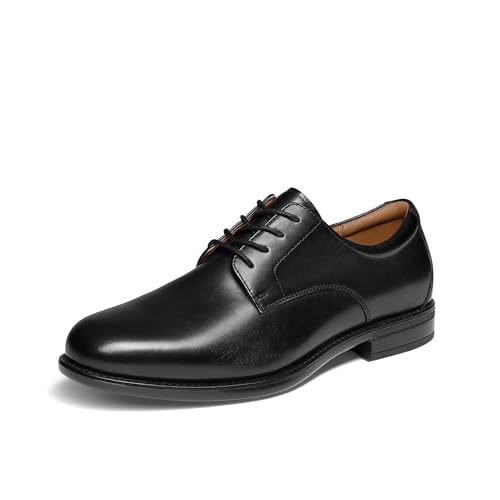
FitVille Mens Extra Wide Oxfords Dress Shoes, Jet Black, 11 Wide
£49.99 *View On Amazon* - Men's Formal Shoes
FitVille Extra Wide Men’s Dress Shoes, Black Pebble, 10 X-Wide
Original price was: £49.99.£44.99Current price is: £44.99. *View On Amazon* - Men's Formal Shoes
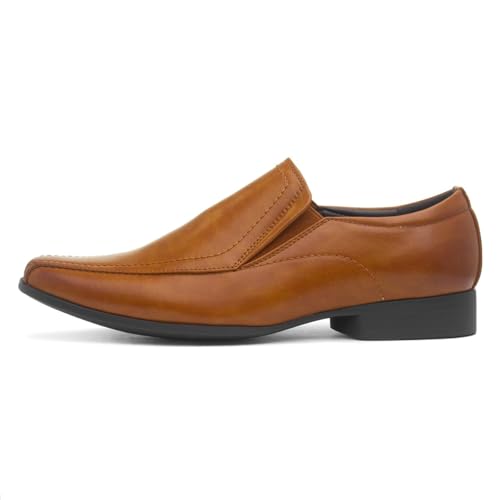
Beckett Mens Tan Formal Slip On Square Toe Shoe Size 11 UK
£16.99 *View On Amazon* - Men's Formal Shoes
CHAMARIPA Men’s Invisible Height Increasing Dress Shoes, Black
£135.20 *View On Amazon* - Men's Formal Shoes
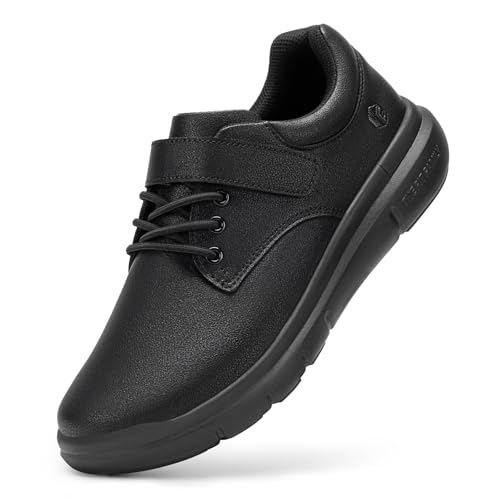
FitVille Men’s Extra Wide Fit Diabetic Shoes with Adjustable Strap, Jet Black
Original price was: £53.99.£39.99Current price is: £39.99. *View On Amazon* - Men's Formal Shoes
SANNAX Men’s Black Oxford Formal Shoes, Size 9
Original price was: £26.59.£25.26Current price is: £25.26. *View On Amazon* - Men's Formal Shoes
SANNAX Men’s Black Monk Strap Dress Shoes, Size 9
Original price was: £27.99.£25.64Current price is: £25.64. *View On Amazon* - Men's Formal Shoes
Amazon Essentials Men’s Black Cap Toe Oxford Dress Shoes, UK 10
£29.70 *View On Amazon* - Men's Formal Shoes
Amazon Essentials Men’s Oxford Dress Shoes, Cognac, 10 UK
£22.90 *View On Amazon* - Men's Formal Shoes
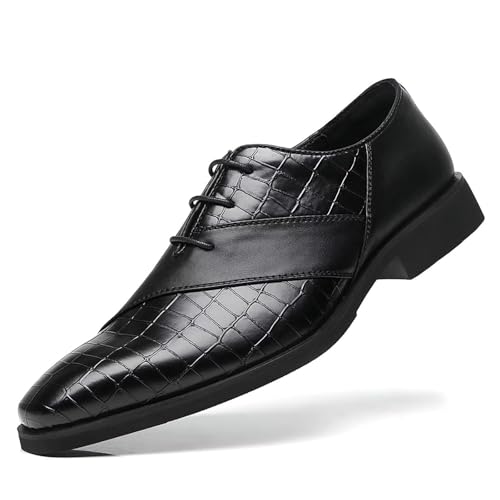
Poerkan Men’s Oxford and Derby Formal Lace-Up Shoes in Black and Brown
Original price was: £49.99.£37.99Current price is: £37.99. *View On Amazon* - Men's Formal Shoes
Bruno Marc Men’s Lace-Up Oxford Shoes, Brown, Size 8, BMUMOX2528
Original price was: £36.99.£29.85Current price is: £29.85. *View On Amazon* - Men's Formal Shoes
Bruno Marc Men’s Black Lace Up Shoes, Size 9.5, BMUMOX2508
Original price was: £36.99.£29.87Current price is: £29.87. *View On Amazon* - Men's Formal Shoes
Bruno Marc Men’s Black Lace-Up Oxfords, Size 9, BMUMOX2505
Original price was: £36.99.£31.44Current price is: £31.44. *View On Amazon*






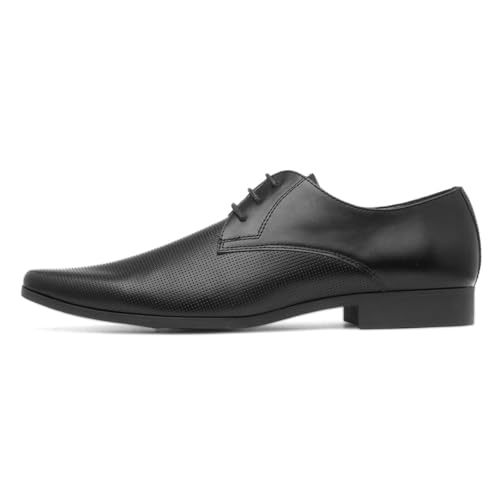


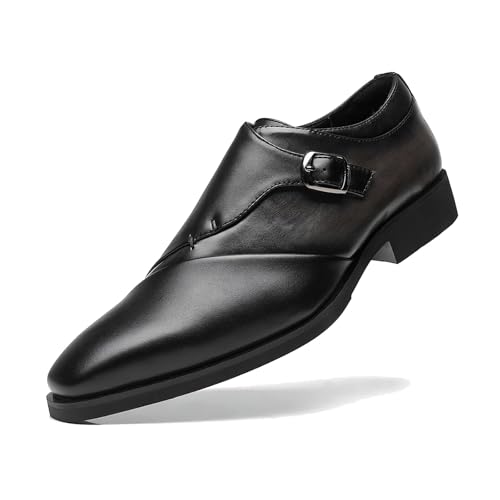
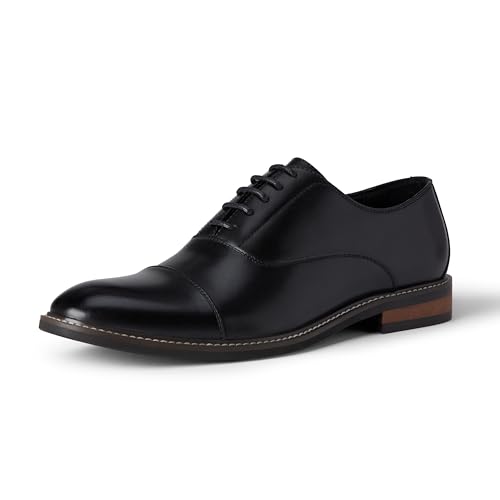

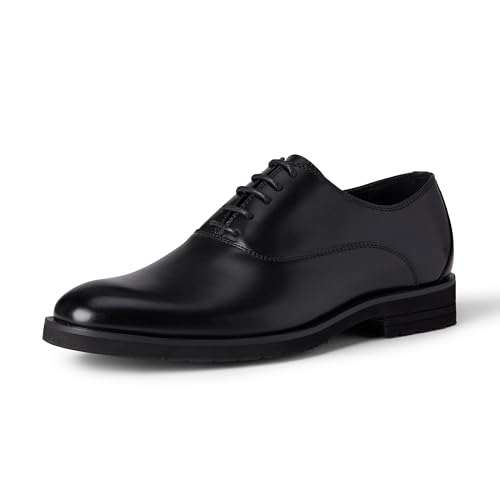


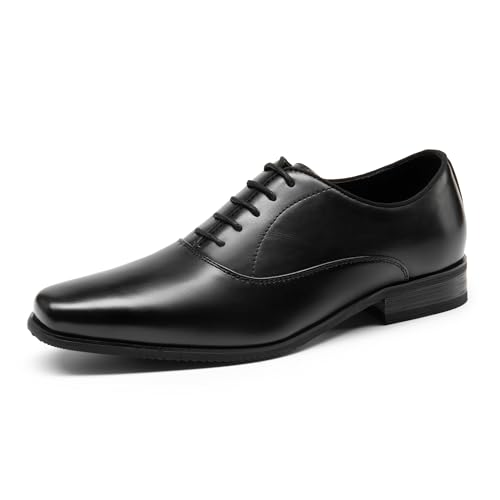
What Are Men’s Formal Shoes?
Men’s formal shoes are smart shoes made to be worn with tailored, business or occasion clothing. They are usually more refined in shape and finish than casual trainers or outdoor shoes, with designs that may suit suits, chinos, smart trousers, shirts, blazers or formalwear.
Products in this category may include leather shoes, synthetic shoes, suede style shoes, polished shoes, slip on shoes, lace up shoes and dress shoes where listed. Some styles are very traditional, while others are more modern and versatile for smart casual wear.
What Are Men’s Formal Shoes Used For?
Men’s formal shoes are used for work, office wear, weddings, funerals, interviews, graduations, parties, restaurants, formal events and smart everyday dressing. They are also useful for anyone who needs footwear that looks more polished than trainers or casual boots.
For occasional use, the main priority may be a smart appearance and comfortable fit for a few hours. For regular workwear, durability, comfort and easy care become more important. For formal events, style, colour and how the shoes match the outfit may matter most.
How To Choose The Right Men’s Formal Shoes
Start with the occasion. A classic black formal shoe often works well with darker suits and traditional formalwear, while brown or tan styles may suit navy, grey, beige or smart casual outfits, depending on the dress code.
Next, think about the fastening. Lace up shoes often feel more traditional and adjustable. Slip on formal shoes can be convenient and may suit smarter casual outfits or easier everyday wear, depending on the design.
Fit should always be taken seriously. Formal shoes can feel different from trainers, especially if the upper is more structured. Check the size guide where listed and think about whether you will wear thin dress socks, thicker socks or insoles.
Also consider how much walking or standing you expect to do. If the shoes are for work or a wedding day, comfort over several hours is important. Cushioning, lining, sole flexibility and heel shape where listed may all affect comfort.
Key Features To Compare
When comparing men’s formal shoes, look at style, material, fastening, sole type, toe shape, lining, heel height, grip, flexibility and care needs. These details affect both appearance and day to day practicality.
Material matters because it affects look, feel and maintenance. Leather, synthetic leather, suede, textile and mixed material designs may all be listed depending on the product. Each can have different care needs and comfort characteristics.
Toe shape also changes the look. Rounded toes can feel classic and versatile, while slimmer toe shapes may look more formal or modern depending on the shoe. Very narrow styles may not suit every foot shape.
Sole type is worth checking. Some soles may be smoother and more formal, while others may include more grip where listed. If you will wear the shoes outdoors, in wet weather or across long days, sole comfort and grip may matter more.
Men’s Formal Shoes Compared With Smart Trainers And Boots
Men’s formal shoes are usually smarter than trainers and better suited to traditional dress codes. They are often the right choice for weddings, offices, formal dinners and ceremonies where a polished outfit is expected.
Smart trainers can work for relaxed workplaces or smart casual settings, but they may not be accepted for more formal occasions. They are often more casual in shape and finish.
Dress boots can be a smart option in colder weather or with certain outfits, but they may feel less formal than classic lace up shoes depending on the design. Boots can suit autumn and winter styling, while formal shoes are often more versatile for suits and tailored trousers.
Loafers can sit between formal and smart casual. They may work well with chinos, summer outfits and some suits, but lace up shoes are often the safer choice for strict formal dress codes.
Guidance For First Time Regular And Occasion Buyers
First time buyers should choose a versatile style that works with the outfits they already own. A simple black or dark brown formal shoe can be easier to match than a more unusual colour or heavily detailed design.
Regular workwear buyers should focus on comfort, durability and easy care. Shoes worn several days a week need to feel comfortable when walking, standing, driving or moving between meetings.
Occasion buyers should think about the full outfit. The shoes should suit the suit, trousers, belt and event setting. If buying for a wedding or formal event, allow time to try the shoes indoors before the day so you can check comfort and fit.
More style focused buyers may compare details such as brogue patterns, sole profile, finish, stitching and toe shape where listed.
Use Cases By Outfit And Occasion
For office wear, men’s formal shoes should be smart, comfortable and practical for regular use. Black, brown or dark toned styles can be useful depending on workplace dress expectations.
For weddings, choose shoes that suit the formality of the suit and venue. Comfort matters, especially if you will be standing, walking or dancing for long periods.
For interviews, a clean, simple pair of formal shoes can help create a polished first impression. Avoid overly casual styles unless the setting clearly allows them.
For funerals and formal ceremonies, understated shoes in darker colours are often the most appropriate choice.
For smart casual outfits, loafers, brogues or less formal dress shoes may pair well with chinos, tailored trousers or dark jeans, depending on the event.
For travel or business trips, comfort, weight and easy outfit matching can be useful. A versatile pair can reduce the need to pack multiple shoes.
Fit Compatibility And Comfort
Men’s formal shoes should feel secure at the heel and comfortable across the foot. They should not pinch the toes, rub heavily at the heel or feel loose when walking.
Check the product size information where listed. Some formal shoes may feel narrower or more structured than casual footwear, so fit can vary between styles. If you wear insoles, orthotics or thicker socks, consider whether the shoe has enough internal space.
Try formal shoes on indoors with the socks you plan to wear. Walk on a clean surface to check comfort while keeping the shoes in suitable condition. The shoe should bend naturally with your foot without feeling unstable.
Compatibility with your outfit matters too. Formal shoes are often matched with a belt, suit colour or trouser style. A polished black shoe may suit a dark suit, while brown shoes may work better with more relaxed smart outfits depending on the occasion.
Care Maintenance And Storage
Men’s formal shoes can last longer and look smarter when cared for properly. Follow the care instructions for the product material. Leather, synthetic materials and suede style finishes may all need different cleaning methods.
Wipe away dirt after use and allow shoes to dry naturally if they become damp. Avoid direct heat unless the care guidance says it is suitable. Heat can affect some materials, finishes and adhesives.
Polish or protect shoes only where the product material allows it. Suede style shoes may need a suitable brush or protector where compatible, while smooth formal shoes may need different care products.
Store formal shoes in a clean, dry place. Shoe trees, paper stuffing or proper storage can help shoes keep their shape where suitable. Avoid leaving them crushed under heavier footwear or stored damp in a bag.
Useful Accessories To Consider
Useful accessories can include dress socks, shoe polish, shoe brushes, shoe horns, insoles, heel grips, shoe trees, protective sprays where suitable and a matching belt. The right accessories depend on the shoe material and how often the shoes will be worn.
For workwear, spare socks and simple care items can help keep shoes looking presentable. For weddings or events, a shoe horn, polishing cloth and comfortable socks can be useful on the day.
For travel, a shoe bag can help keep formal shoes separate from clothing and other luggage items.
Why Buy Men’s Formal Shoes From YPC?
At YPC, we understand active lifestyles and the need for practical products that work in real use. Men’s formal shoes can vary by fit, material, fastening, style, sole type, comfort features and care needs, so comparing the details helps you choose with more confidence.
YPC helps you browse men’s footwear with real use in mind, whether you are buying for work, weddings, interviews, formal events, smart casual outfits or everyday smarter dressing. Explore the Men’s Formal Shoes category to browse the available options and compare the features that matter most for your wardrobe and occasion.
FAQs
What are men’s formal shoes?
Men’s formal shoes are smart shoes designed for business wear, formal events, weddings, interviews and other occasions where polished footwear is needed. Styles can include lace up shoes, loafers, brogues and dress shoes where listed.
What colour formal shoes should I choose?
Black formal shoes are often a safe choice for traditional events and dark suits. Brown or tan shoes can work well with navy, grey or smart casual outfits, depending on the dress code and personal style.
Are loafers classed as formal shoes?
Some loafers can be suitable for formal or smart casual wear, depending on their design and the occasion. For stricter formal dress codes, classic lace up shoes may be the safer option.
Should formal shoes feel tight at first?
Formal shoes should feel secure, but they should not be painfully tight. A structured shoe may feel different from a trainer, but it should not pinch, rub heavily or make walking uncomfortable.
Can I wear formal shoes with jeans?
Some formal shoes can work with dark jeans in smart casual outfits, especially brogues or loafers where suitable. Very polished dress shoes may look better with tailored trousers or suits.
What socks should I wear with men’s formal shoes?
Dress socks or smart socks are usually the most suitable choice. Choose a thickness that works with the shoe fit and a colour that suits your trousers or outfit.
How do I look after men’s formal shoes?
Follow the care instructions for the material. Clean dirt after use, let shoes dry naturally if damp and use suitable polish, brushes or protectors only where compatible with the product.
Are formal shoes suitable for all day wear?
Some formal shoes may be suitable for all day wear where the fit and comfort features work for you. If you expect long periods of standing or walking, compare cushioning, lining, sole type and fit carefully before choosing.
 Getting ready for Summer? View our Home and Garden Products

Heading outdoors this winter? Take a look at our Outdoor Clothing.