

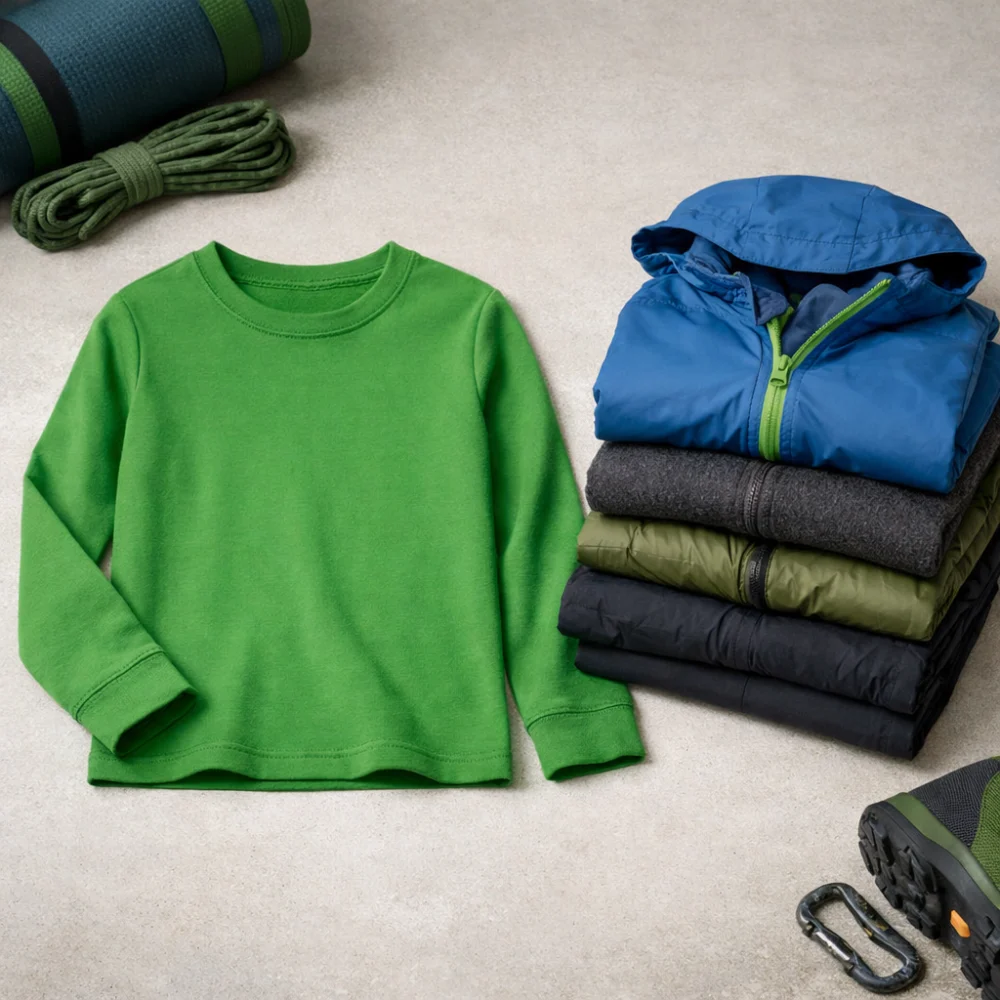

Kids base layer tops are the first layer worn next to the skin, usually underneath a mid layer or outer layer. They are chosen to help manage comfort in cooler weather, during active play, or on days when a child needs a bit more warmth without bulky clothing.
Because children vary a lot in build, activity level and how they feel the cold, the right top is not just about size. The main decision is usually whether you want a warmer top, a lighter wicking top, or something in between for mixed use.
This guide focuses on how to compare kids base layer tops sensibly, what features matter most and which details are worth checking on the individual product page.
Compare Kids Base Layer Tops


As an Amazon Associate we earn from qualifying purchases.
What should you look for in a kids base layer top?
The best starting point is the intended use: colder weather, active sport, everyday layering or a mix of these. A warmer, closer-fitting top can be useful when the aim is to hold heat, while a lighter top may suit active movement where breathability matters more. Fit, fabric and ease of layering usually matter more than any single label.
Specifications vary by model, so always check the individual product page before buying.
| Feature | What it means | Why it matters | What to check |
|---|---|---|---|
| Fit | How closely the top sits against the body | A close fit usually works better as a base layer and is easier to wear under other clothing | Look for the size guidance, sleeve length and whether the cut is described as regular, slim or compression-style |
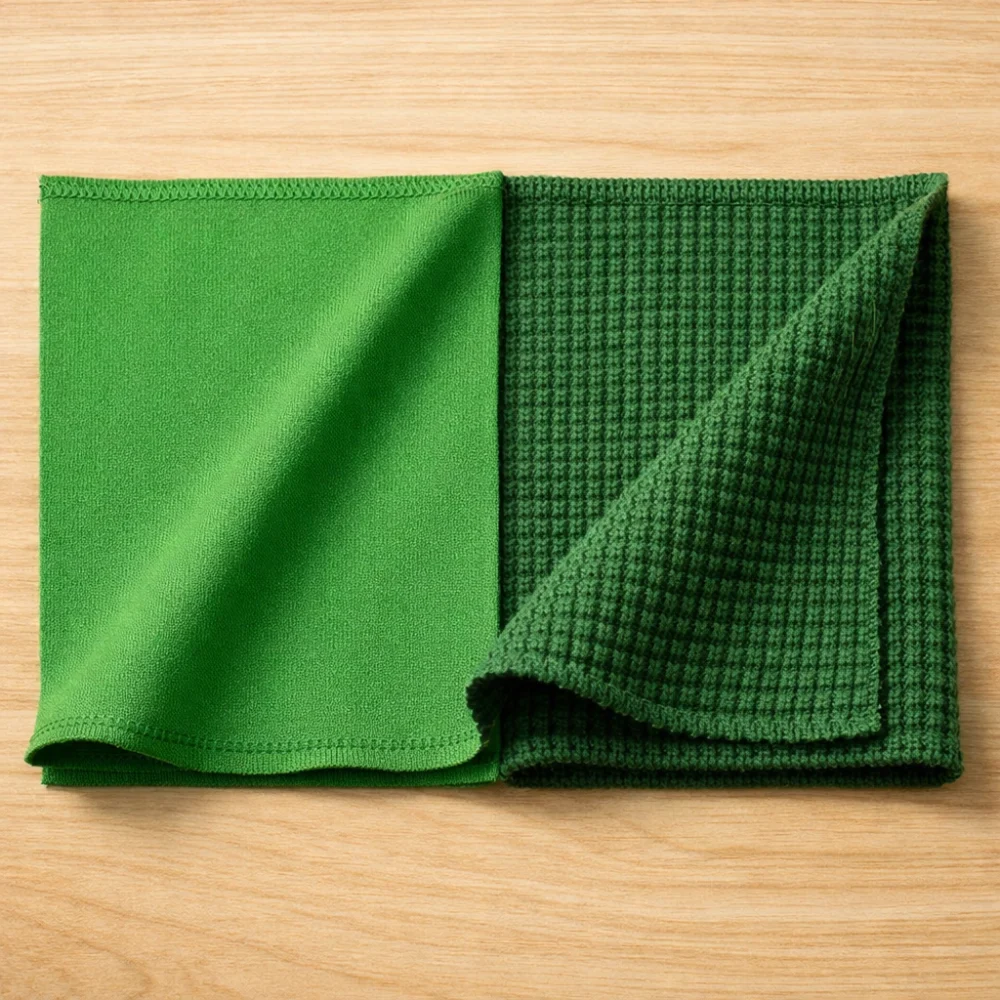
| Fabric feel | The general feel and comfort of the material against skin | Comfort matters because a child is more likely to wear a layer that does not feel scratchy or restrictive | Check the product description for fabric type and any notes about softness, stretch or thermal finish |
| Warmth level | How much insulation the top is intended to provide | Different activities and weather conditions need different levels of warmth | Look for whether the top is described as thermal, lightweight or breathable |
| Breathability | How well the layer helps manage moisture and heat | Important for running, cycling, school sports and other active use | Check for wicking or moisture-managing wording, but compare that with the intended use |
| Neck and sleeve design | The cut at the neck and the length of the sleeves | These details affect coverage, comfort and how neatly the top sits under other layers | Confirm whether it is crew neck, long sleeve or another cut if that matters for layering |
| Ease of care | How simple the top is to wash and dry | Children’s outdoor clothing is often worn often and washed frequently | Check the care instructions and whether the fabric is likely to suit regular washing |
Fabric and comfort: the first trade-off to think about
The fabric choice usually determines how the top feels and how it behaves in use. Some tops are aimed more at warmth, while others focus more on quick moisture management. A child who gets cold easily may prefer a warmer-feeling option, while a child who is very active may be better served by a lighter layer that avoids overheating.
It is also worth considering how sensitive the wearer is to texture and fit. A layer that feels fine on a hanger may still be disliked if it is too close, too warm or not stretchy enough for all-day wear.
Fit and layering
Base layers work best when they sit smoothly under mid layers, fleece or waterproofs. If the top is too loose, it may add bulk and reduce the benefit of layering. If it is too tight, it may feel restrictive, especially at the shoulders or wrists. A comfortable fit that allows movement is usually the safest practical choice.
Warmth versus breathability
There is often a trade-off between a warmer feel and easier heat release. For quieter outdoor use, extra warmth can be helpful. For games, PE or more active outdoor time, breathability is often the more useful feature because it can help avoid that sticky, overheated feeling after movement.
Types and variants within the category
Kids base layer tops usually vary by sleeve length, fabric weight, warmth and intended use rather than by complex technical differences. Long sleeve tops are common because they add coverage and can work well under other layers. Lighter tops are often chosen for active wear, while thermal or brushed styles are usually selected when the priority is extra warmth.
Some tops are described in ways that suggest compression or a closer fit. That can suit children who prefer a snug layer under sport clothing, but it will not suit every child. A more relaxed shape may be easier for everyday comfort, although it may not sit quite as neatly under outer layers.
Which type suits different buyers?
| Buyer need | What to prioritise | Why it helps |
|---|---|---|
| Cold-weather school or weekend layering | Warmth, comfortable fit and easy layering | Helps keep the child comfortable without adding bulky clothing |
| Active sport or energetic play | Breathability, stretch and a fit that moves easily | Supports movement and helps reduce overheating |
| Everyday wear | Comfort, softness and simple care | Makes it more likely the top will be worn regularly |
| Gift buying | Flexible sizing, general comfort and plain styling | Reduces the chance of choosing something too specialised for the child |
| Replacement for an existing layer | Similar fit and similar warmth level to the old item | Makes it easier to match what the child already finds comfortable |
Common mistakes to avoid
- Choosing only by size label. Children’s fit can vary between products, so check the shape, sleeve length and any size guidance as well as the number on the tag.
- Assuming warmer is always better. A very warm layer can be uncomfortable if the child is running around or wearing several layers already.
- Ignoring the under-layer purpose. A base layer is meant to sit neatly beneath other clothing, so bulk can matter even if the top looks fine on its own.
- Overlooking care needs. If the top will be worn often, easy washing is often more useful than a fabric that needs extra attention.
Safety and suitability checks
Base layer tops are generally straightforward clothing items, but suitability still matters. Make sure the child can move comfortably, the fit is not restrictive and the layer works with the rest of their outfit. For outdoor use, it is sensible to think about the whole clothing system rather than expecting one top to do everything.
If a child has sensitive skin or dislikes close-fitting clothing, comfort and fabric feel may be more important than any warming claim. For younger wearers, it is also worth checking that the neckline, sleeves and overall fit are easy for them to manage in normal day-to-day use.
Maintenance, storage and lifespan
Base layer tops often get frequent use, so simple care is helpful. Check the washing instructions and think about how often the item will need cleaning during busy school or sport weeks. A top that is easy to wash and dry is often more practical than one that needs special treatment.
As with most clothing, lifespan depends on how often it is worn, washed and stretched. If a child is between sizes or wearing it for active outdoor use, it may be sensible to leave a little room for comfort while still keeping the fit close enough to layer properly.
How to compare options efficiently
- Start with the main use: cold-weather warmth, active sport or everyday layering.
- Compare fit first, because a comfortable layer is more likely to be worn.
- Check fabric and warmth level against the planned activity.
- Look at breathability, stretch and sleeve or neck design if movement matters.
- Read the care instructions and confirm the item suits regular use.
- Check the individual product page for any model-specific details before buying.
Summary buyer decision checklist
- Does the top suit the child’s main activity?
- Is the fit close enough to layer without feeling restrictive?
- Is the warmth level right for the weather and use?
- Will the fabric feel comfortable for the child to wear?
- Does the design work well under other clothes?
- Are the washing and care instructions practical?
Frequently asked questions
What is a kids base layer top used for?
It is worn next to the skin to help manage comfort under other clothing. In cooler conditions it can add warmth, and during active use it can help reduce the feeling of dampness by moving moisture away from the skin.
Should a base layer top fit tightly?
A close fit is usually better than a loose one because it layers more neatly and can work more effectively as a base layer. That said, it should still allow free movement and not feel restrictive at the shoulders, neck or wrists.
Are thermal tops better than lightweight tops?
Not always. Thermal tops can be a good choice in colder weather or for slower-paced activities, while lightweight tops may be better for active wear or changing conditions. The right option depends on how the child will use it.
Can a base layer top be worn on its own?
Yes, some can be worn on their own for sport or casual use if the design and fabric suit that purpose. However, many are chosen specifically to work as part of a layered outfit, so it is worth checking whether the style is intended to be more technical or more general-purpose.
What matters most when buying for a child?
Comfort, fit and intended use usually matter most. A child is far more likely to wear a top that feels comfortable and suits their activity than one that looks technical but feels wrong in practice.
How do I choose between a warmer top and a more breathable one?
Think about the main activity and how quickly the child usually warms up. If they are often active, breathability may matter more; if they tend to get cold or spend more time standing still, warmth may be more useful.
Do I need to buy matching base layer bottoms as well?
Not necessarily. Tops can be bought on their own if that is all you need. If the aim is full layering for colder weather, matching bottoms can be a practical follow-on purchase, but they are a separate decision.
How to compare fabric composition
Check the fibre content as well as general descriptions such as “thermal” or “breathable”. Synthetic fibres, wool and blends can feel and perform differently, and the result also depends on how the fabric is made. A label alone does not guarantee a particular level of warmth or moisture management.
Consider what feels comfortable against the child’s skin and whether the care instructions suit your routine. Some fabrics or blends may need gentler washing than others. If choosing between two options, compare their stated composition and care requirements alongside fit and intended activity.
More Kids Base Layer Tops
See all 385 Kids Base Layer Tops →


As an Amazon Associate we earn from qualifying purchases.


