

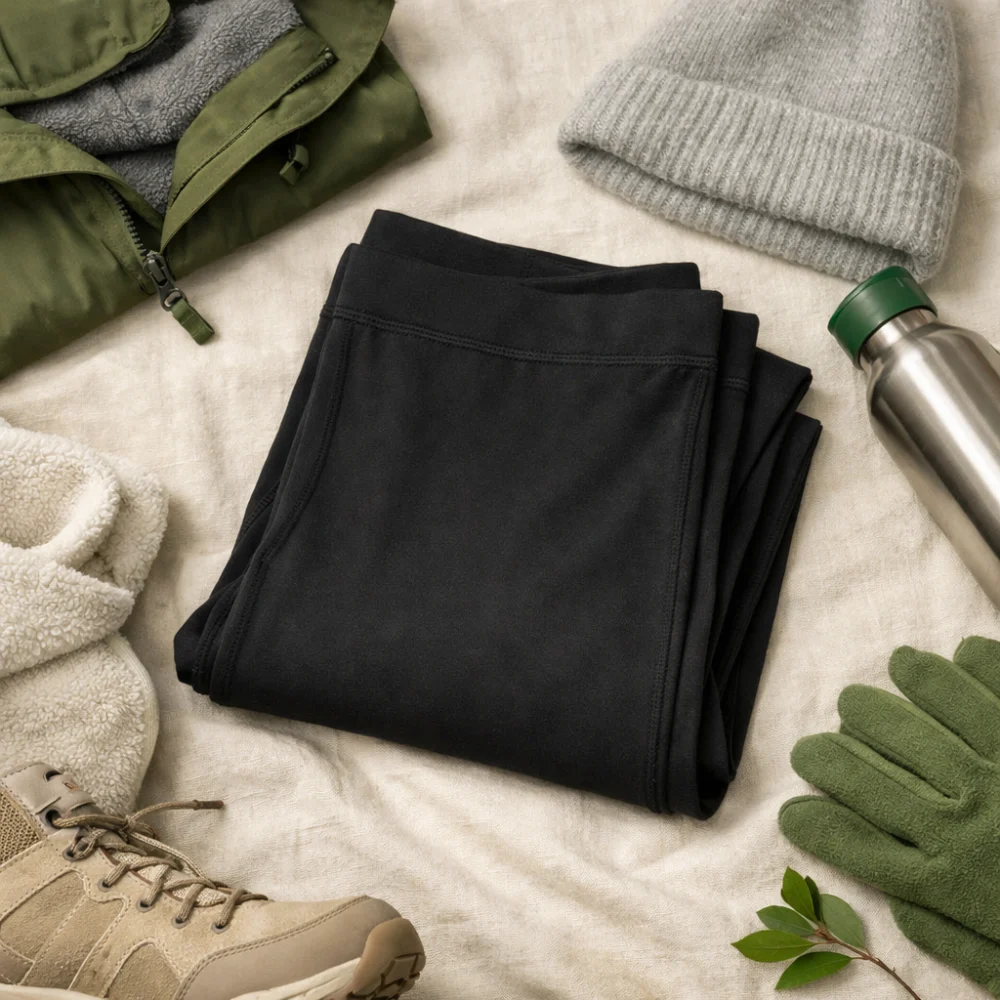

Women’s base layer bottoms are the layer you wear closest to the skin under outdoor trousers, ski trousers or relaxed everyday clothing. They are usually chosen to help with warmth, comfort and moisture management rather than as a visible outer garment.
The main buying decision is not simply how warm they are. It is about how much insulation you want, how close you want the fit to be, and how you expect to use them, from brisk walks to colder, more stop-start activities.
Because the same category can cover different fabrics, thicknesses and fits, it helps to compare the practical features rather than relying on the word “thermal” alone.
Compare Women's Base Layer Bottoms


As an Amazon Associate we earn from qualifying purchases.
What should you look for in women’s base layer bottoms?
Start with the activity and the conditions you expect. A lighter pair can suit active use where you are likely to work up heat, while a warmer pair may feel better for slower-paced days or colder weather. The best choice is usually the one that balances warmth, breathability and comfort for your own use.
Fit matters as much as fabric. Base layer bottoms are usually intended to sit close to the body so they can trap warmth and move moisture away from the skin, but they should still allow easy movement. Specifications vary by model, so always check the individual product page before buying.
| Feature | What it means | Why it matters | What to check |
|---|---|---|---|
| Warmth | How much insulation the base layer is designed to provide | Affects comfort in cold weather and how often you may need an extra layer | Fabric type, thickness and whether the product is described as light, mid or thermal |
| Fit | How closely the bottoms sit against the body | Close contact usually improves warmth and moisture transfer, but can feel restrictive if too tight | Size guidance, stretch, rise and any mention of a slim or relaxed fit |
| Breathability | How well the fabric lets heat and moisture escape | Important if you will walk, hike or move around a lot | Material description and whether the item is intended for active use |
| Fabric feel | The texture and comfort of the material against the skin | Helps determine whether the layer will feel comfortable for long periods | Any note about softness, fleece lining, merino or synthetic construction |
| Length and coverage | How much of the leg is covered and how the hems sit under other clothing | Can affect comfort, layering and whether the bottoms stay in place | Leg length, cuff style and any product images or fit notes |
| Care needs | How easy the garment is to wash and dry | Useful if you will wear it often or travel with it | Washing instructions and whether the fabric needs gentler care |
Key decision criteria explained
Warmth versus breathability
The most common trade-off is that warmer fabrics often feel less airy. If you will be active, too much insulation can make you feel hot and damp. If you spend more time standing, sitting or moving slowly, a warmer option may be more comfortable.
Think about the lowest temperatures you expect and how much you naturally feel the cold. For some buyers, a lighter base layer worn with other layers is more useful than a thick thermal garment on its own.
Fabric choice
Different fabrics can feel and behave differently. Some buyers prefer synthetic materials for easy care and active wear, while others prefer natural fibres for comfort or warmth feel. A fleece lining may add softness and insulation, but it can also make the garment feel less lightweight.
What matters most is how the fabric fits your use case, not the label on the garment. Check the material description on the individual product page and look for any notes about stretch, lining or intended season.
Fit and layering
Base layer bottoms should work smoothly under the trousers or leggings you plan to wear over them. If they are too loose, they may bunch up; if they are too tight, they can feel restrictive and reduce comfort.
Consider the rise, waistband feel and leg length as well as the stated size. A good fit is often the difference between a layer you forget about and one you keep adjusting.
Comfort for your activity
Walking, travel, skiing and everyday use can all place slightly different demands on the garment. If you move a lot, comfort comes from stretch and breathability. If you pause often, warmth and softness may matter more.
Try to match the garment to the pace of the activity rather than buying only for the coldest day you can imagine.
Product types and variants
Within this category, the most useful distinctions are usually between lighter base layers and warmer thermal options. Some shoppers want a simple single layer for moderate conditions, while others want a cosier garment for colder weather.
Some base layer bottoms are designed as part of a matching set, while others are sold on their own. A set can be convenient if you want coordinated layering, but separate bottoms give you more flexibility if you already own suitable tops.
You may also see differences in fabric blend, lining and cut. These are often more important than the product name, because two items with similar descriptions can still feel quite different in use.
Which type suits which buyer?
| Buyer need | What usually matters most | What may be less important |
|---|---|---|
| Cold-weather walking | Warmth, comfortable fit, easy layering | Very heavy insulation if you move quickly |
| Active outdoor use | Breathability, stretch, close fit | Bulky or very warm fabrics |
| Casual everyday wear | Soft feel, comfort, easy care | Technical details you may not need |
| Travel or packing light | Versatility, drying time, simple care | Specialist features you may not use |
Common mistakes and misunderstandings
- Assuming “thermal” means the same thing everywhere. The term can be used for different weights and fabrics, so check the actual material and construction.
- Buying too warm for active use. If you overheat, the layer becomes less comfortable and less useful.
- Ignoring fit in favour of fabric. Even a good material performs poorly if the garment bunches, pinches or rides up.
- Choosing by appearance alone. A base layer is a functional layer first, so comfort and suitability matter more than looks.
Safety and suitability caveats
Base layer bottoms are a comfort and layering choice, not a guarantee of warmth in every condition. Your outer layers, activity level and weather all affect how they perform, so it is worth checking the product details carefully.
If you have sensitive skin or prefer a particular feel, pay attention to the fabric description and any care notes. For outdoor use in colder conditions, choose a layer that suits the activity rather than assuming the warmest option is always the most practical.
Maintenance, storage and lifespan considerations
Care requirements can influence value as much as the purchase itself. Some base layers are easy to wash and dry, while others may need gentler treatment to keep their shape or feel.
Regular washing, proper drying and sensible storage help the garment stay comfortable for longer. If you expect frequent use, look for a fabric and care routine you will realistically keep up with.
How to compare options efficiently
- Decide where and when you will wear the base layer bottoms most often.
- Choose the warmth level that suits that use rather than the coldest possible day.
- Check the fit guidance, stretch and waistband comfort.
- Compare fabric feel, breathability and care requirements.
- Read the individual product page for any model-specific details before deciding.
Summary buyer decision checklist
- Will you use them for active movement, slower-paced wear or both?
- Do you want a lighter layer or a warmer thermal option?
- Will the fit work comfortably under your other clothing?
- Does the fabric suit your skin feel and care preferences?
- Have you checked the product page for the exact size and construction details?
Frequently asked questions
Are base layer bottoms meant to be worn next to the skin?
Usually, yes. They are generally designed as a close first layer so they can help with warmth and moisture management. If you prefer a looser feel, check the fit description carefully because not every style will feel the same.
What is the difference between base layer bottoms and leggings?
Base layer bottoms are usually chosen for insulation and layering, while leggings are often selected more for standalone wear or general comfort. Some products blur the line, so the practical difference comes down to fabric, thickness and intended use.
Do warmer base layer bottoms always mean better performance?
Not necessarily. Warmer options can be less breathable, which may be uncomfortable if you are active. The right choice depends on whether you need more insulation or more temperature control.
Should I choose a matching set or buy bottoms separately?
A matching set can be convenient if you want a simple solution, but separate bottoms give you more flexibility. If you already have suitable tops, buying only the bottoms may be the more practical option.
How important is fabric choice?
Very important, because fabric affects warmth, feel, breathability and care. The same category can include different constructions, so it is worth reading the material description rather than relying on the product name alone.
Can I wear base layer bottoms for everyday use?
Yes, if comfort and warmth are your main goals. Many buyers use them for everyday cold-weather layering, but the most suitable choice still depends on fit, feel and how active you are.
What should I check if I am buying for colder weather?
Focus on warmth, coverage, fit under your outer layer and how the fabric feels against the skin. It is also sensible to think about whether you will be active or mostly stationary, as that changes the warmth you need.
Ready to choose?
See all 235 Women's Base Layer Bottoms →As an Amazon Associate we earn from qualifying purchases.


