

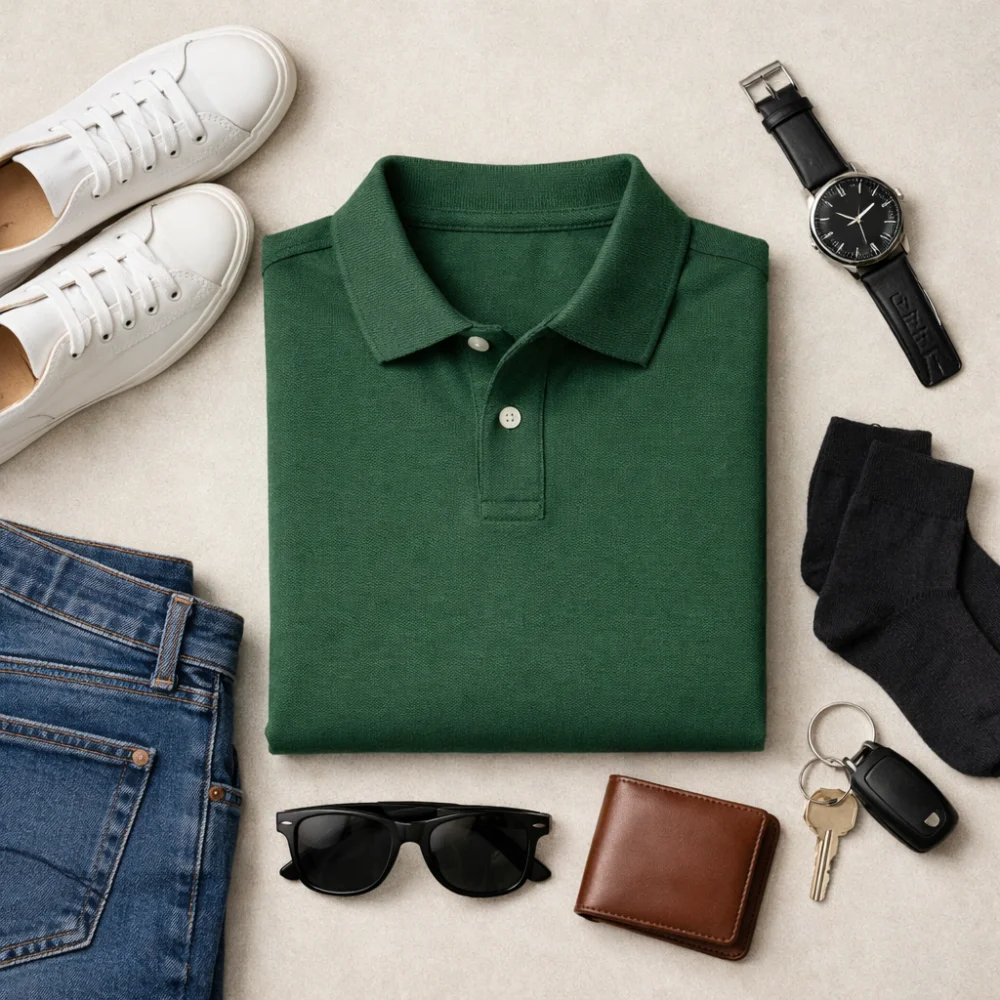

Men’s polo shirts sit between a T-shirt and a smarter shirt, which is why they are such a common everyday choice. They can work for casual wear, travel, light activity and smarter relaxed outfits, but the right option depends on how you plan to wear it.
This guide helps you compare the details that actually affect comfort and suitability, rather than getting distracted by colour or branding alone. It focuses on fit, fabric, collar style and finishing touches that change how a polo feels and looks.
If you are choosing one for work, leisure or layering, the main question is usually how formal you want it to look and how easy you want it to be to wear. That balance matters more than any single label on the page.
Compare Men's Polo Shirts


As an Amazon Associate we earn from qualifying purchases.
What should you look for when choosing a men’s polo shirt?
Start with the intended use, then work through fit, fabric and finish. A polo that looks right but feels too warm, too loose or too structured will not be as useful as one that suits your routine. The best starting point is usually the fabric and fit, because those affect comfort and appearance every time you wear it.
Specifications vary by model, so always check the individual product page before buying.
| Feature | What it means | Why it matters | What to check |
|---|---|---|---|
| Fit | How close the shirt sits to the body | Changes comfort, movement and how smart the shirt looks | Whether the cut is relaxed, regular or slim, and whether you prefer room in the shoulders or waist |
| Fabric | The material used to make the shirt | Affects softness, breathability, drape and day-to-day care | The fabric description and any blend information shown on the product page |
| Collar and placket | The neckline structure and button opening | Influences how formal the shirt looks and how easy it is to wear open or buttoned | How much structure you want and whether the collar will sit neatly with your usual layers |
| Sleeve length | Usually short sleeve in this category, but finishing can still differ | Changes warmth, arm coverage and the overall style | How the sleeve is cut and where it ends on the arm |
| Finish and detail | Small design choices such as ribbing, tipping or logos | Can make a shirt look more casual or more refined | Whether you want a plain look or a more noticeable style |
| Care needs | How the shirt is likely to be washed and maintained | Matters if you want low-effort everyday wear | Care instructions and whether the fabric is likely to crease easily |
Key decision criteria
Fit and shape
Fit is usually the most noticeable difference between polo shirts. A neater fit can look sharper under a jacket or with smarter trousers, while a looser fit often feels easier for casual wear and warmer days. Think about where you need space: across the shoulders, through the chest, around the stomach or over the arms.
Fabric and feel
The fabric determines much of the comfort. Some polos feel smoother and more structured, while others are lighter and more casual. If you want something for active or changeable days, prioritise a fabric that feels comfortable for movement and repeated wear. If you want something for a tidier everyday look, a more structured finish may be preferable.
Breathability and season use
For warmer weather or layering, breathability matters. A polo that feels too heavy may be fine in cool conditions but less useful on long days out. Consider whether you want a shirt for summer wear, indoor comfort or layering under a sweatshirt or jacket.
Collar appearance
The collar changes the whole character of the shirt. A neater collar can make a polo feel more polished, while a softer or more casual collar may suit relaxed wear better. If you often wear polos for mixed settings, the collar shape can be as important as the colour.
Finish, seams and small details
Little details can affect both comfort and presentation. Check whether the shirt has a plain finish or more visible styling, and whether those details match how often and where you plan to wear it. If you want versatility, understated design is often easier to pair with the rest of your wardrobe.
Types and variants within the category
Men’s polo shirts do not vary as widely as some clothing categories, but there are still useful differences:
- Plain polo shirts suit buyers who want a simple, versatile shirt that is easy to wear in many settings.
- Logo or branded polos may suit buyers who want a more recognisable sport or casual look, although they are less understated.
- Performance-style polos may suit active use or warmer conditions if the fabric is chosen for comfort and movement.
- Workwear-leaning polos may suit buyers who want a neat, practical shirt for regular wear, but the exact appearance still varies widely.
The main limitation is that the same category covers both casual and smarter uses, so you need to decide how formal or relaxed you want the shirt to look.
Which polo shirt suits which buyer?
| Buyer need | What to prioritise | Why |
|---|---|---|
| Everyday casual wear | Comfortable fit, easy fabric, simple styling | These are the easiest shirts to wear often and pair with most outfits |
| Smarter casual outfits | Cleaner collar, neater fit, understated finish | The shirt looks more polished without becoming too formal |
| Warm-weather wear | Lighter feel and breathable fabric | Comfort matters more when you expect longer periods of wear |
| Layering under jackets or sweatshirts | Less bulk, neat neckline and smooth fit | A slimmer, tidier shirt sits more comfortably under other layers |
| Work or regular repeat wear | Practical care, robust feel and reliable fit | Frequent wear makes consistency and ease of washing more important |
Common mistakes to avoid
- Choosing only by colour. Colour matters, but fit and fabric usually decide whether the shirt becomes a favourite.
- Assuming all polos feel the same. The cut, cloth and collar structure can change comfort and appearance a lot.
- Ignoring how it will be worn. A polo for office-casual use may need a different look from one for weekends or travel.
- Overlooking care needs. A shirt that needs more careful washing or ironing may be less convenient than expected.
Safety and suitability caveats
Polo shirts are generally straightforward clothing purchases, but suitability still depends on use. Check the product description if you need a shirt for workwear, outdoor use or layering, because appearance and fabric choice can affect comfort and practicality. If you are choosing between very similar options, the finer details on the individual product page are often what separate them.
Maintenance, storage and lifespan considerations
As with most shirts, washing care and storage affect how long a polo keeps its shape and appearance. If you want low-effort ownership, look for a shirt whose care instructions fit your routine. Repeated washing, frequent wear and how the fabric is dried or stored can all influence how neat it remains over time.
How to compare options efficiently
- Decide where you will wear the polo most often.
- Pick the fit that matches your preferred shape and level of comfort.
- Check the fabric and collar style for the look and feel you want.
- Look at care instructions if convenience matters to you.
- Choose the option whose details fit your routine rather than the one with the busiest design.
Summary buyer decision checklist
- Does the fit suit how you like shirts to feel?
- Is the fabric appropriate for the weather and use you have in mind?
- Does the collar and finish match the level of smartness you want?
- Are the care instructions realistic for your routine?
- Will the shirt work alone and under layers if needed?
Frequently asked questions
Are polo shirts more formal than T-shirts?
Usually, yes. A polo shirt generally looks a little smarter because of the collar and buttoned neckline, but it is still more relaxed than a formal shirt. That makes it useful when you want something in between casual and dressed-up.
Should I choose a slim or regular fit?
Choose the fit that matches how you like clothes to sit on your body. Slim fits can look neater and work well under layers, while regular fits usually feel easier for everyday wear. If you are unsure, comfort and shoulder fit are often better starting points than the label alone.
What is the most versatile polo shirt style?
A plain, understated polo in a fit you find comfortable is often the most versatile. It is easier to wear with different trousers, shorts or layers than a heavily branded or highly detailed design.
Do all polo shirts work well in warm weather?
Not necessarily. Some are better suited to warmer days because they feel lighter or more breathable, while others are more structured and may feel heavier. If warm-weather wear is a priority, check the fabric description carefully.
Can I wear a polo shirt for smarter occasions?
Sometimes, depending on the setting. A neat, plain polo can work well for smart-casual outfits, but it will not replace a formal shirt. The key is whether the event expects relaxed or polished clothing.
What should I check if I am buying a polo shirt as a gift?
Focus on the fit, colour preference and overall style. A simple, understated option is usually easier to give than a highly specific design choice, especially if you are unsure about the recipient’s wardrobe.
Why do some polos feel very different even when they look similar?
Small differences in fabric, cut and collar structure can change how a polo feels and hangs. Two shirts can look almost the same online but still wear quite differently. That is why the individual product details matter more than the basic category label.
More Men's Polo Shirts
See all 376 Men's Polo Shirts →


As an Amazon Associate we earn from qualifying purchases.


