

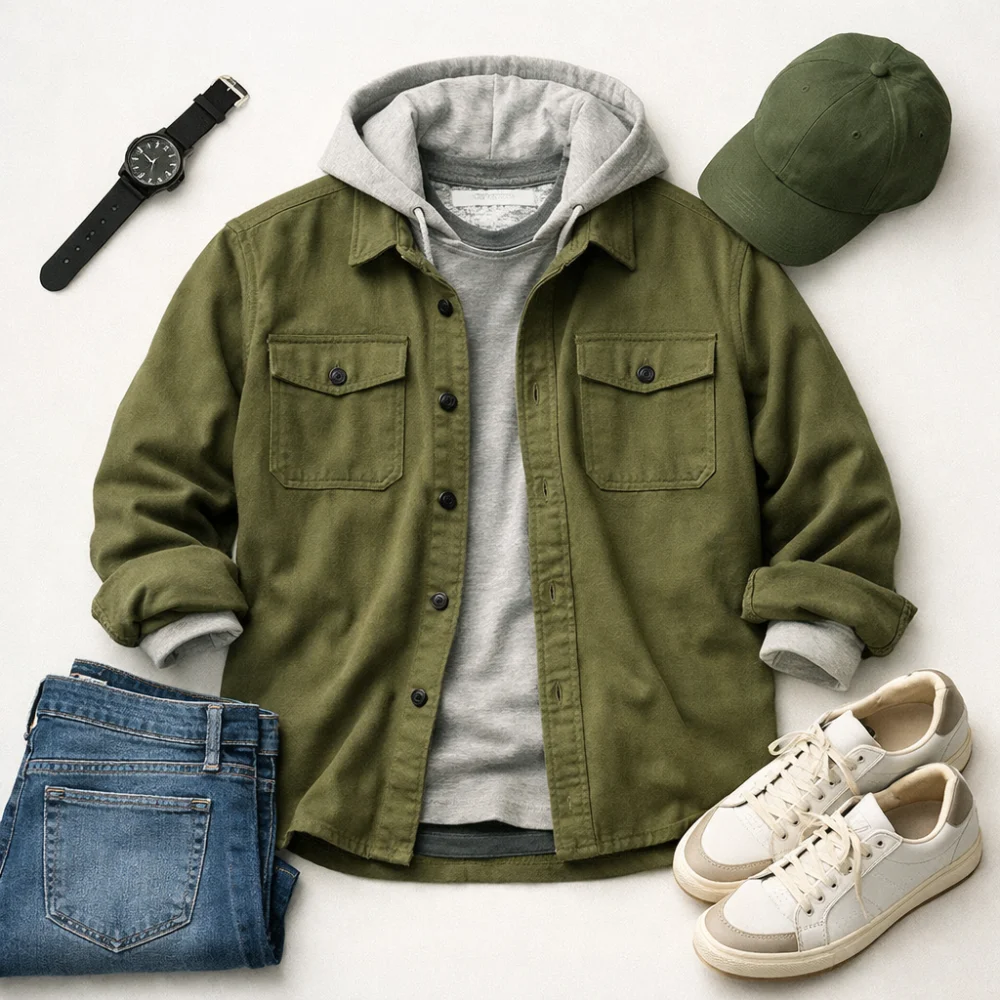

Men’s shackets sit neatly between a shirt and a lightweight jacket, which is why they can be a useful layer for changeable weather and relaxed everyday wear. If you are deciding between something that feels more shirt-like or something that wears more like outerwear, the details matter more than the label.
This guide helps you compare the main choices without assuming one style suits everyone. The aim is to make it easier to judge warmth, fit, fabric feel and how much layering room you need.
Because shackets vary a lot by design, it helps to focus on how you plan to wear one rather than on the name alone. Specifications vary by model, so always check the individual product page before buying.
Compare Men's Shackets


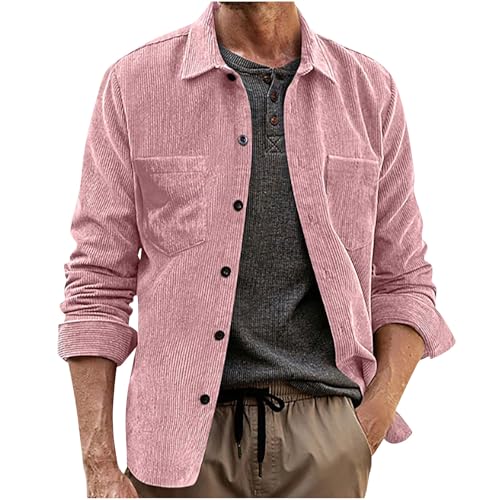
As an Amazon Associate we earn from qualifying purchases.
What should you look for in a men’s shacket?
Start with the balance you want between shirt styling and jacket-like warmth. A shacket with a softer, lighter build works well as a mid-layer or smart-casual cover-up, while a heavier version may suit cooler conditions and more frequent outdoor use. The main trade-off is usually between comfort and structure: a lighter shacket is easier to wear indoors, but a heavier one may feel more substantial outside.
| Feature | What It Means | Why It Matters | What To Check |
|---|---|---|---|
| Fabric weight | How substantial the material feels | Affects warmth, drape and how jacket-like it feels | Look for the material description and whether it is meant for layering or outerwear |
| Lining | Whether the inside is unlined or has added warmth | Changes comfort and seasonal use | Check if the product page mentions a lining or a brushed finish |
| Fit | How close or relaxed the garment sits | Important for movement and layering over a T-shirt or knitwear | Read the fit description and size information carefully |
| Closure and collar style | Buttons, poppers or similar fastening details and the collar shape | Changes how smart, casual or practical the shacket feels | Compare product photos and the written description |
| Pockets | Number and placement of pockets | Affects everyday practicality | Check whether pockets are chest, side or both, and whether they suit your use |
| Ease of layering | Room to wear over another layer | Useful if you want one piece for variable conditions | Look for relaxed or regular fits if you expect to layer often |
Key decision criteria explained
Fabric and feel
The fabric is one of the biggest clues to how a shacket will wear. A softer shirt-style fabric usually suits indoor wear and lighter layering, while a thicker fabric can feel more like a light jacket. Think about whether you want something that looks neat over a T-shirt or something that can add more warmth on its own.
Warmth and seasonality
Some shackets are chosen mainly for style, while others are selected because they add a useful extra layer in cooler months. If you expect to wear yours from early autumn through spring, check whether the garment is described as brushed, lined or especially substantial. If you want something for milder days, a lighter build may be more versatile.
Fit and layering room
A shacket can look too tight if it is sized like a slim shirt but worn over another layer. Consider whether you want a neat profile or a roomier shape for movement. If you already know you will wear it over knitwear, comparing fit notes on the product page is especially important.
Practical details
Pockets, cuffs and fastening style all affect everyday convenience. Chest pockets can be handy for a casual look, while side pockets may be more useful if you want a jacket-like feel. These features are often about preference rather than performance, so choose the layout that matches how you expect to use it.
Types and variants within the category
Men’s shackets are usually grouped more by construction than by strict sub-types, but a few broad patterns are common.
- Shirt-weight shackets: Lighter and closer to a regular shirt, suitable when you want a layer without too much bulk.
- Brushed or heavier shackets: Often chosen for a warmer, softer feel and a more substantial look.
- Overshirt-style shackets: Designed to wear open or buttoned as a casual top layer.
- Jacket-style shackets: More substantial in appearance and often better for cooler conditions.
The main limitation is that these names are not always used consistently. One seller’s overshirt may feel quite different from another’s shacket, so the product description and photos matter more than the label.
Which shacket suits different buyers?
| Buyer need | Features to prioritise | What to avoid or double-check |
|---|---|---|
| Light everyday layering | Moderate fabric weight, easy fit, simple fastening | Overly bulky styles that may feel restrictive indoors |
| Extra comfort in cooler weather | Heavier fabric, brushed finish or added lining | Assuming a shirt-like item will provide jacket-level warmth |
| Smart-casual wear | Clean collar shape, tidy fit, restrained pocket layout | Very bulky styling if you want a neater look |
| Active everyday use | Room for movement, practical pockets, durable-feeling construction | Tight sizing that reduces layering and comfort |
| Simple wardrobe addition | Neutral styling and a fit that works with items you already own | Choosing only by colour without checking the garment shape |
Common mistakes and misunderstandings
- Assuming all shackets are warm enough for outdoor wear. Some are mainly style layers, so check fabric weight and whether the garment is lined.
- Choosing a slim fit without thinking about layering. If you want to wear it over another top, a roomier cut may be more comfortable.
- Focusing only on the pattern or colour. The fit and fabric often matter more than the look once you start wearing it regularly.
- Expecting one size label to feel the same across brands. Measurements and fit notes are more reliable than the size name alone.
Safety and suitability caveats
A shacket is a clothing choice, so the main checks are comfort, intended use and suitability for the weather or setting you have in mind. It is sensible to avoid treating a style-led piece as if it were a specialist outdoor garment. If you need dependable protection from wind or rain, check the product details carefully rather than assuming the appearance tells the full story.
Care, storage and long-term use
How you care for a shacket can affect how long it keeps its shape and feel. Always follow the care instructions on the product page or label, especially if the item uses blended fabrics, lining or a brushed finish. In general, hanging it neatly and keeping it clean and dry will help it stay ready for regular wear.
If you plan to wear a shacket often, think about how easy it will be to wash, dry and store alongside the rest of your wardrobe. A simpler fabric and construction can be easier to live with than a more delicate finish.
How to compare options efficiently
- Decide whether you want a shirt-like layer or something closer to a light jacket.
- Check the fabric description and look for signs of added warmth or structure.
- Compare fit notes so you know whether it will work over other layers.
- Look at practical details such as pockets, fastening and collar shape.
- Read the individual product page carefully before deciding, especially if you are between sizes.
Summary buyer decision checklist
- Will you wear it mostly indoors, outdoors, or both?
- Do you want a lighter overshirt feel or a more substantial shacket?
- Is there enough room for the layers you plan to wear underneath?
- Do the pockets, fastening and collar suit your everyday use?
- Have you checked the fit notes and care information for that specific item?
Frequently asked questions
What is the difference between a shacket and a shirt?
A shacket usually has more substance than a regular shirt and is often designed to be worn as a layer rather than only as a standalone top. It may feel warmer, heavier or more structured. The exact balance varies, so it is worth checking the product description.
Can a shacket replace a jacket?
Sometimes, but not always. Some shackets are light layers that work well in mild conditions, while others are warm enough for added comfort on cooler days. If you need proper weather protection, check the product details rather than assuming the style alone will do the job.
Should I size up for a shacket?
Not automatically. If you want to layer it over knitwear or thicker tops, a roomier fit may be more practical, but a larger size is not always necessary. Compare the fit description and size guidance for the specific item.
Are shackets smart or casual?
They are usually casual, though some cleaner designs can work for smart-casual outfits. The fabric, colour and pocket layout make a big difference to how polished they look. A simple, well-fitting shacket is often easier to dress up than a heavily styled one.
What should I check first when buying online?
Start with the fabric description, fit notes and whether the item is intended as a lighter layer or a warmer piece. Then look at pockets, closure and collar shape to see if it suits your style and use. Those details usually matter more than the category name alone.
Do all shackets have the same warmth?
No. Some are little more than shirt-weight overshirts, while others are much more substantial. Warmth depends on fabric, lining and overall construction, so compare each product individually.
More Men's Shackets
See all 348 Men's Shackets →


As an Amazon Associate we earn from qualifying purchases.


