

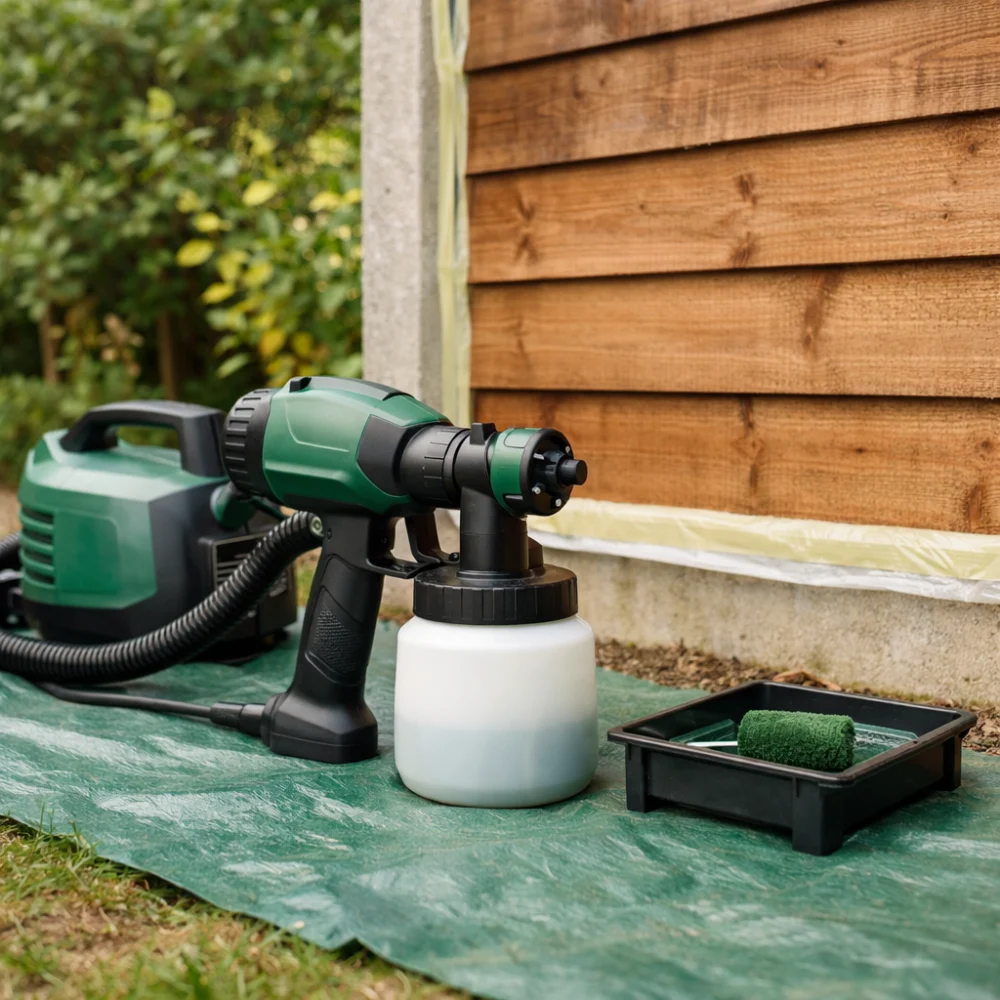

Paint sprayers can save time on larger decorating jobs and help create an even finish on fences, sheds, furniture and other surfaces. They also bring a few decisions that are not always obvious at first glance, especially if you are weighing up ease of use, cleaning effort and the kind of finish you want.
This guide focuses on the practical differences that matter to buyers. It will help you narrow down the right type of paint sprayer, compare features sensibly and avoid choosing on headline claims alone.
Compare Paint Sprayers
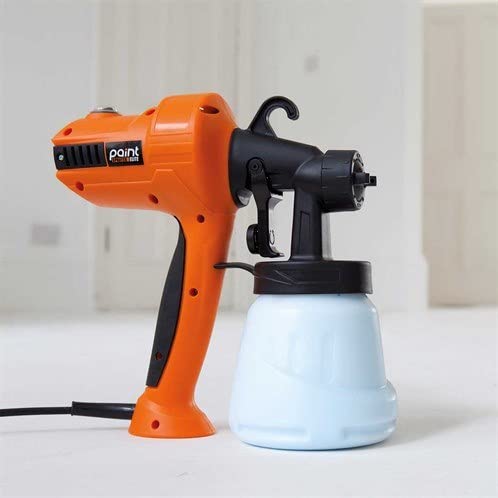


As an Amazon Associate we earn from qualifying purchases.
What should you look for in a paint sprayer?
The right paint sprayer depends on what you plan to spray, how often you will use it and how much preparation and cleaning you are willing to do. A simple handheld unit may suit occasional DIY tasks, while a more capable system may be better if you are covering larger areas or want more control.
The main trade-off is usually between speed, finish, convenience and cleanup. A sprayer can be much faster than a brush on the right job, but it may also need more masking, more careful setup and more thorough cleaning afterwards.
| Feature | What it means | Why it matters | What to check |
|---|---|---|---|
| Project type | The kinds of surfaces and coatings you want to apply | Different sprayers suit fences, walls, furniture or detail work differently | Check that the product page matches your intended use |
| Paint control | How the spray output and pattern can be adjusted | Adjustment can help match the sprayer to different surfaces and reduce waste | Look for the available spray patterns and control options |
| Container size | How much paint the unit can hold at once | A larger container may reduce refilling, but can affect handling | Consider how long you expect to spray before pausing |
| Cleaning effort | How much work is involved after use | Cleanup time affects convenience and whether the tool feels practical for repeat jobs | Check how easy the unit appears to dismantle and rinse |
| Power source | Whether the sprayer is mains powered or cordless | This affects mobility, runtime and where you can use it | Confirm what power setup suits your working area |
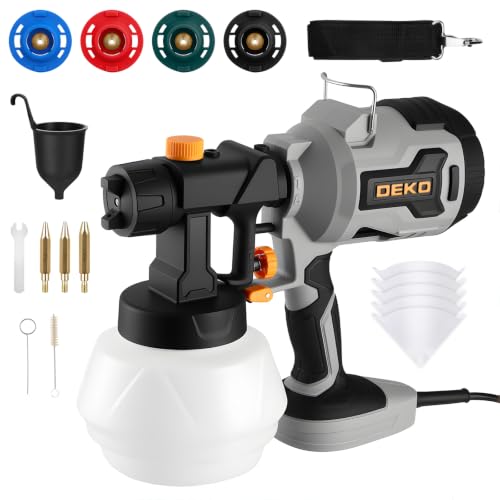
| Accessories and nozzles | Extra parts supplied with the sprayer | Useful accessories can make setup easier, but only if they suit the job | Check what is included and whether it supports your project |
Key decision criteria explained
What you plan to spray
Start with the surface, not the brand. Fences and sheds often call for broader coverage, while furniture or smaller pieces may benefit from more controlled spraying. If you are mainly painting one type of item, choose a sprayer that seems well matched to that task rather than trying to make a single tool cover everything.
How much control you want
Many buyers focus on power first, but control is often more important. Adjustable patterns and output can make it easier to match the tool to corners, flat panels and awkward edges. Specifications vary by model, so always check the individual product page before buying.
How much prep and cleanup you can accept
Sprayers usually work best when the area is well prepared, which can include masking nearby surfaces and protecting anything you do not want coated. Cleaning time also matters because dried paint can make the tool harder to maintain. If convenience is a priority, compare how simple the product looks to assemble, rinse and store.
How portable the tool needs to be
A mains-powered sprayer can suit steady work near a power source, while a cordless option may help where movement matters more. The right choice depends on whether you value uninterrupted runtime, freedom of movement or a lighter setup. Consider where you will actually use the sprayer, not just where it will be stored.
Types and variants within this category
Paint sprayers in this category are generally chosen by use case rather than by a single universal design. That makes it useful to think in terms of how the tool is intended to be handled.
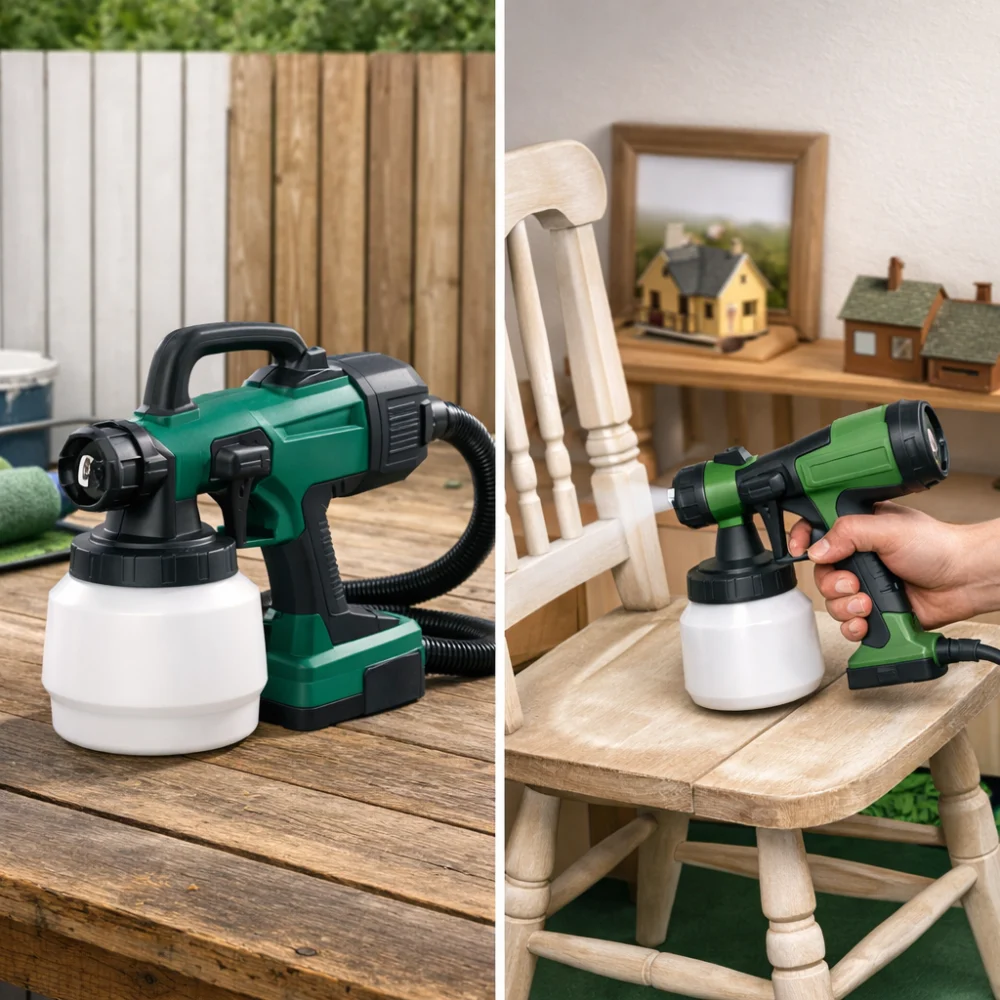
- Handheld sprayers may suit smaller DIY tasks and occasional use where portability matters.
- Fence and exterior-focused sprayers may be better for broader coverage on outdoor timber and similar surfaces.
- More adjustable systems may suit buyers who want flexibility across different projects.
The main limitation of any one variant is that it may be a compromise. A tool that is easy to handle may not be the quickest on large areas, while a larger setup may be less convenient for smaller jobs.
Which type of buyer is each option likely to suit?
| Buyer need | What to prioritise | Why it helps |
|---|---|---|
| Occasional DIY use | Simple setup, manageable cleanup, enough control for one-off tasks | Helps keep the tool practical for infrequent projects |
| Fence, shed or exterior work | Coverage, spray consistency and a setup suited to larger surfaces | Reduces time spent passing over broad areas |
| Furniture and smaller jobs | Control, fine adjustment and easy handling | Improves precision on detailed or awkward pieces |
| Users wanting more flexibility | Adjustable patterns and a broader range of uses | Makes it easier to adapt to different jobs |
Common mistakes and misunderstandings
- Choosing on power alone: higher power does not automatically mean a better result. Match the sprayer to the surface and the level of control you need.
- Ignoring cleanup: a sprayer that is awkward to clean may be less appealing to use again. Convenience after the job matters as much as speed during it.
- Overlooking project scale: a compact tool may suit a small garden chair but feel limiting on a long fence. Think about the size of the jobs you actually do.
- Assuming all paints behave the same: different coatings and finishes can change how a sprayer performs. Check the product information for the intended materials.
Safety and suitability caveats
Paint sprayers can create overspray, so suitability depends on where and how you plan to use them. They are generally best considered for well-prepared areas where nearby surfaces can be protected. If you are unsure whether a product matches your materials or project, review the product page carefully and avoid assuming that one sprayer will suit every coating.
Maintenance, storage and lifespan considerations
Regular cleaning and sensible storage can make a big difference to how useful a paint sprayer feels over time. Leftover paint can affect performance and make later cleaning harder, so think about whether you are willing to rinse and store the unit carefully after each use. It is also worth checking whether any accessories or replacement parts are likely to matter for long-term ownership.
How to compare paint sprayers efficiently
- Start with the job: decide whether you need the sprayer for fences, furniture, walls or mixed use.
- Choose the type that fits: favour the style that matches your typical project size and level of detail.
- Compare the practical features: look at control, container size, power source and cleanup effort.
- Weigh the trade-offs: more capacity may mean less convenience, while greater portability may mean a smaller setup.
- Check the individual product page: confirm the details that matter for your chosen coating and project.
Summary buyer decision checklist
- Does the sprayer suit the surfaces you plan to paint?
- Is the level of control appropriate for the finish you want?
- Will the power source suit where you will use it?
- Are you comfortable with the expected cleanup and storage routine?
- Do the included accessories or nozzles appear useful for your project?
- Have you checked the individual product page for the details that matter most?
Frequently asked questions
Are paint sprayers suitable for beginners?
They can be, as long as you choose a model that looks straightforward to set up and control. Beginners usually benefit from a sprayer that is easy to understand and not overly elaborate. It also helps to start with a simple project rather than a highly detailed surface.
Do paint sprayers always give a better finish than a brush?
Not always. A sprayer can produce a smooth, even coat on the right surface, but the result depends on preparation, technique and the type of coating being applied. For some jobs, a brush or roller may still be more suitable.
What matters more: power or control?
For most buyers, control is the more useful starting point. A tool that can be adjusted to suit the job is often easier to live with than one that simply sounds powerful. The best choice is usually the one that fits the surface and the amount of detail involved.
Are paint sprayers good for outdoor projects?
They can be, especially for fences, sheds and similar work where broad coverage is helpful. Outdoor use also makes preparation important because overspray and surface protection still matter. Check the product page to confirm the sprayer appears suitable for the kind of outdoor job you have in mind.
How important is cleaning after use?
Very important if you plan to use the sprayer more than once. A tool that is hard to clean can quickly become inconvenient, even if it works well on the first job. Buyers who expect regular use should pay close attention to how much maintenance the unit appears to require.
Can one paint sprayer do every job?
Usually not without compromise. Some sprayers are more versatile than others, but there is often a trade-off between detail work, larger areas and ease of handling. It is better to match the sprayer to your most common jobs than to expect one design to suit everything equally well.
More Paint Sprayers
See all 373 Paint Sprayers →




As an Amazon Associate we earn from qualifying purchases.


