

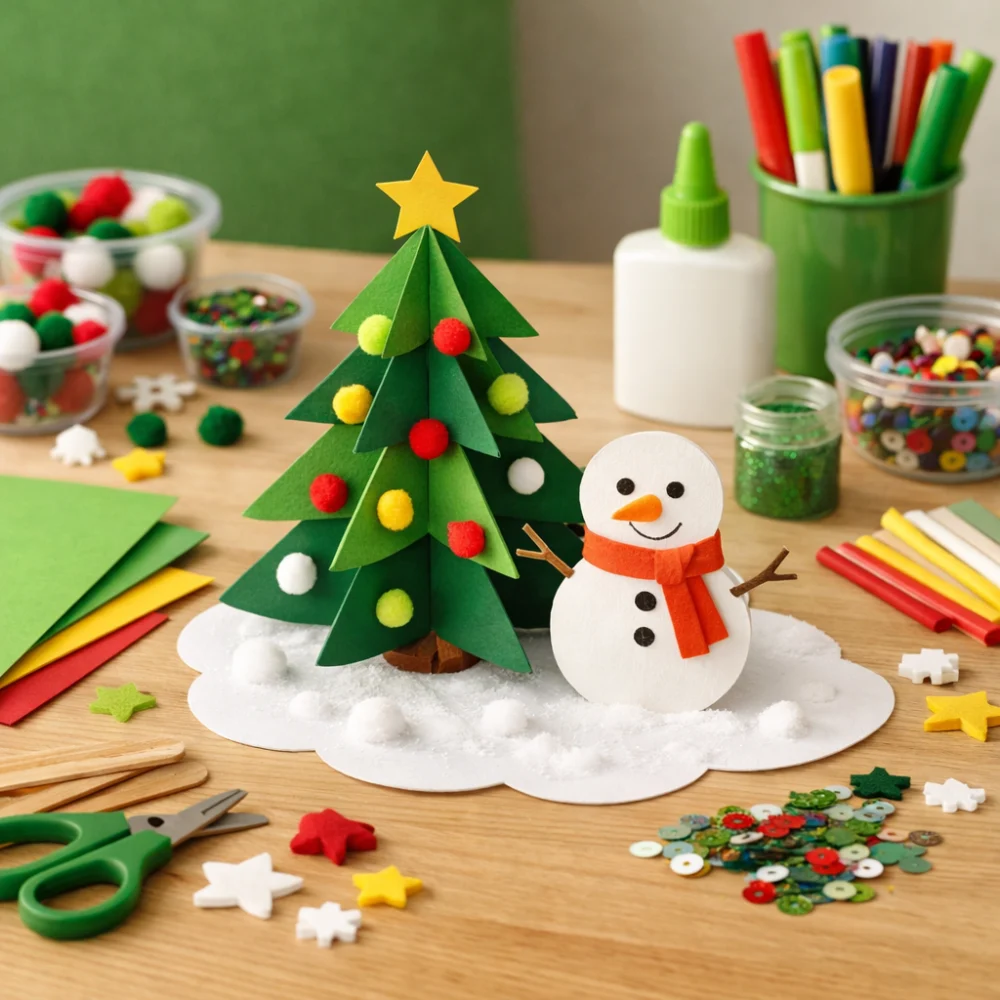
Craft kits for kids bring together materials and a project idea, from decorating objects to making jewellery or assembling small creations. The right choice depends less on the number of pieces than on whether the activity, instructions and level of adult involvement suit the child.
Use this guide to compare the kind of making involved and the practical details to check on an individual product page. It focuses on choosing a kit, rather than on toys, games or specialist science activities.
Which craft kit is the right fit?
Start with what the child enjoys making, then consider how much guidance the project is likely to need. Check the product information for age guidance, included materials and whether anything else is needed. A simpler, shorter activity may suit a child who wants to start quickly, while a more involved project can appeal to someone who enjoys taking time over a creation. Balance the appeal of the finished item against preparation, supervision and tidying.
Compare the practical buying factors
| Factor | What it means | Why it matters | What to check |
|---|---|---|---|
| Project type | The kind of making, decorating or assembling involved. | A child is more likely to engage with an activity that matches their interests. | Look for a clear description of the project and intended finished creation. |
| Guidance and steps | How the activity is explained and whether it appears to involve several stages. | Some children enjoy working independently; others benefit from an adult helping them follow instructions. | Check what the product information says about instructions and adult involvement. |
| Materials and components | The types of craft materials or small parts included. | These affect the activity, workspace and suitability for the intended child. | Review the listed contents and age guidance; do not assume a kit includes every item needed. |
| Use and storage | Whether the project is intended for one sitting or can be put aside between stages. | This can affect how well it fits available time and space. | Check any stated project requirements and consider where materials can be kept together. |
What to look for before choosing
Match the activity to the child’s interests
Think about whether the child prefers painting and decorating, making wearable pieces, shaping materials or combining different components. A kit centred on a particular finished object can feel motivating; a more open-ended activity may leave more room for personal choices. Check the project description rather than relying on a product title alone.
Consider the level of involvement
Some projects may be straightforward to begin, while others may involve several steps or careful handling of components. Consider whether the child wants to work independently, alongside someone else or with an adult’s help. Specifications vary by model, so always check the individual product page before buying.
Check what is included
Review the listed contents and any stated requirements before deciding. A kit’s description may identify materials or tools that are included, or mention items to provide separately. This helps you judge whether the activity is ready to begin in your intended setting without assuming that similarly named kits contain the same things.
Think about time and workspace
Consider where the child can work and whether the activity can be paused if needed. Projects involving several components may benefit from a surface where pieces can be kept together; painting or decorating may need a suitable area for the materials involved. Use the product information to understand any stated preparation or project requirements.
Common craft kit types
- Painting and decorating kits: These suit children who enjoy adding colour or personal touches to an object. Check what the kit is intended to decorate and whether any additional materials are specified.
- Jewellery and bead-making kits: These focus on arranging components into wearable or decorative pieces. The small parts may call for closer adult attention, so check the age guidance and component information.
- Modelling and shaping kits: These suit children who like forming or assembling a creation by hand. Check what materials are involved and what the product information says about the project.
- Mixed-material craft kits: These bring together different kinds of craft components for making a figure, decoration or other object. They can offer varied creative choices, but it is worth checking the contents and how much sorting or help the activity may involve.
Choose for the intended use
For a child who is new to crafts, prioritise a clearly described project and guidance that an adult can review in advance. If the child already enjoys making things, consider whether the project offers the kind of creative choice they like, rather than choosing by piece count alone. For a shared activity, check whether the product information indicates how the project is approached and whether the listed materials suit the planned setting.
For a gift, consider where the child will use and keep the kit as well as what they enjoy making. A project that needs more space or adult involvement may be less convenient if those arrangements are not available, even if the finished creation looks appealing.
Buying mistakes to avoid
- Choosing by piece count alone: A larger number of components does not necessarily mean a better fit. Focus on the project, the listed contents and the child’s interests.
- Assuming the title tells the whole story: Similar craft themes can involve different materials or stages. Check the product description and contents.
- Overlooking age guidance: Do not infer suitability from appearance or familiarity with the craft. Check the guidance for the specific kit and consider the child’s abilities and need for help.
- Forgetting the setting: Consider workspace, time and storage before choosing a project that may involve several materials or stages.
Safety and suitability
Follow the age guidance and safety information provided for the individual kit. Check whether the listed components or materials call for adult supervision, particularly when choosing for a younger child or a group. If the product information does not make an important suitability detail clear, do not assume; look for clarification before buying.
Care, storage and keeping materials together
Storage needs depend on the materials and project. Consider whether the components can be kept together between sessions and whether the instructions mention any care requirements. Keeping leftover materials organised can make it easier to return to an unfinished project, but check the product information for any specific guidance rather than assuming all kits are stored or cleaned in the same way.
A simple buying process
- Decide what kind of craft activity the child is most likely to enjoy.
- Check the kit’s age guidance and consider the level of adult involvement that suits the child.
- Compare the described project, listed contents and any stated requirements.
- Consider the available time, workspace and storage for the activity.
- Review the individual product information before making a choice.
Buyer checklist
- Does the project match the child’s interests?
- Is the stated age guidance suitable for the intended child?
- Are the contents and any separately needed items clear?
- Is the expected level of guidance or adult involvement manageable?
- Do the time, workspace and storage arrangements suit the activity?
Frequently asked questions
How do I choose a craft kit for a child?
Start with the kind of activity they enjoy, then check the age guidance, project description and listed contents. Consider whether the child can take part independently or is likely to want help.
Are craft kits suitable for beginners?
They can be, but the level of guidance and project demands vary. Read the individual description to understand the activity and check whether the instructions and adult involvement suit the child.
Should I choose a kit with more pieces?
Not necessarily. The number of pieces alone does not show how engaging or suitable a project will be. Compare the activity, the components and what the child wants to make.
Do craft kits include everything needed?
Contents vary between kits. Check the product information for what is included and whether any additional materials or items are specified.
What should I check when buying a craft kit as a gift?
Consider the child’s interests, the kit’s age guidance and the amount of space and help the activity may need. Check the listed contents and requirements so the project is a practical fit for where it will be used.


