

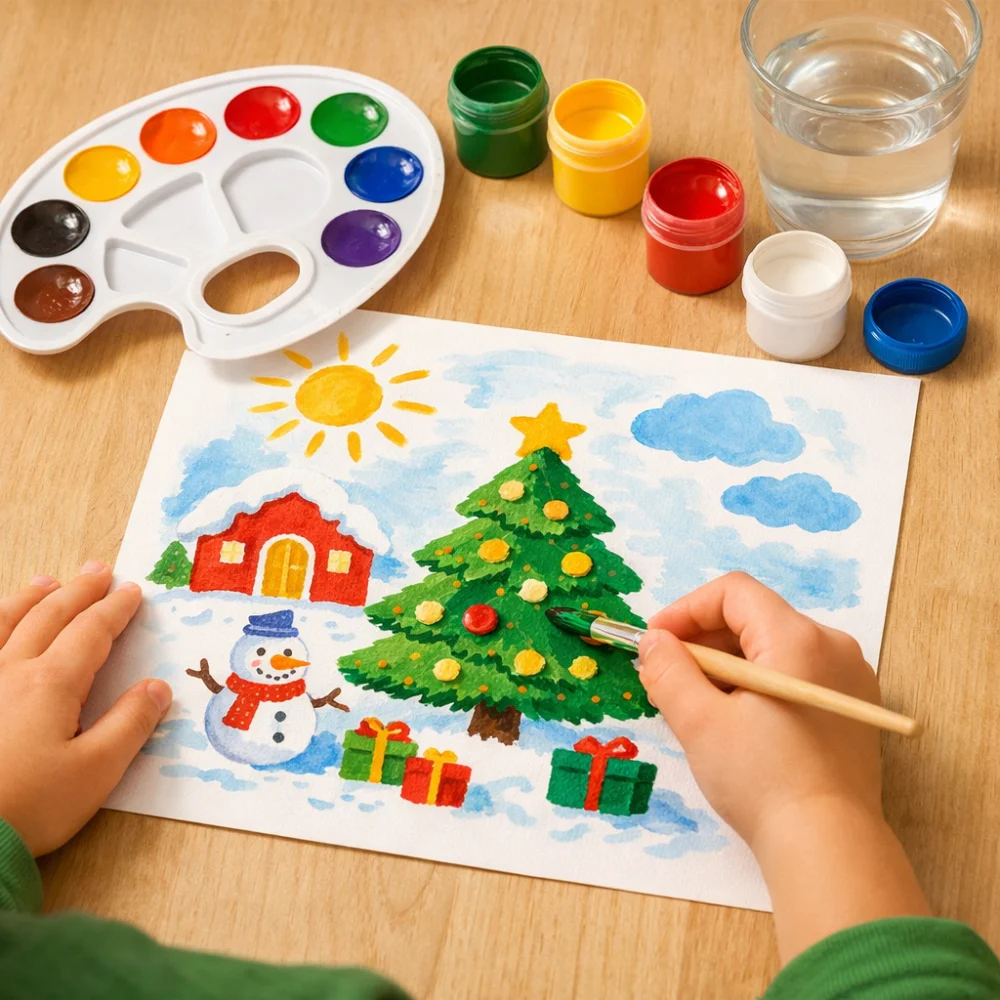
A painting kit for a child may focus on painting on paper, decorating objects or creating a particular effect. The right choice depends less on the number of pieces in a set than on whether its materials and activity suit the child and the kind of project they will enjoy.
Before choosing, check what the kit is designed for, what is included and whether the instructions and suitability information match your circumstances. Contents and requirements differ between products.
What should you look for in a painting kit for kids?
Start with the painting activity and intended surface, then check the child’s age suitability, the materials supplied and how much preparation or adult involvement is likely. A kit centred on one project can make the activity clear, while a broader set may offer more ways to experiment but need more choices and organisation. Confirm the product details rather than assuming every kit includes the same tools or paints.
Compare the key buying factors
| Feature | What it means | Why it matters | What to check |
|---|---|---|---|
| Painting activity | The project or style the kit is intended for, such as painting on paper, objects or faces. | A clear match with the child’s interests can make it easier to get started. | Read the activity description and check whether the materials are intended for that use. |
| Surface and materials | The surface to be painted and the kind of paint or other materials supplied. | Materials suited to one surface may not be suitable for another. | Check the listed contents and any requirements for a separate surface or tools. |
| Age suitability | The age guidance and complexity stated for the activity. | This helps you judge whether the child can take part comfortably and what support may be needed. | Check the product’s age guidance, instructions and any supervision notes. |
| Project scope | Whether the kit centres on a defined project or offers a more open-ended activity. | A set project can feel more directed; open-ended painting offers room for personal ideas. | Look for a description of the intended activity and what the child can create. |
| Care and workspace | Any preparation, cleanup or storage considerations described for the materials. | This affects where and when the activity will be practical. | Check the care information and whether the activity calls for additional supplies. |
Decide which details matter most
Choose the activity before comparing piece counts
Consider whether the child is drawn to free painting, decorating a particular object or following a themed project. A set with many components is not automatically a better fit if its main activity does not appeal. Check the description to understand what those components are for.
Match the paint and surface
Paints and surfaces are not interchangeable by default. A kit intended for paper may not include what is needed to decorate another material, and a product designed for face painting should be assessed differently from one intended for craft surfaces. Specifications vary by model, so always check the individual product page before buying.
Consider how much guidance will help
Some children enjoy an open-ended activity; others may prefer a defined project with clear instructions. Check whether instructions are included and what they involve, rather than assuming a themed kit will guide every step. Also consider whether the activity is realistic for the child to do independently or would be more enjoyable with an adult nearby.
Check what is included
Product titles and pictures may highlight a theme or a selection of materials, but the listed contents are the better guide to what comes with the kit. Look for any stated exclusions or extra items needed to complete the activity. This can prevent disappointment when a child expects to begin straight away.
Common types of painting activity
Children’s painting kits can be organised around different activities. Paper-based painting may suit children who want to make pictures, while kits for decorating objects offer a more tactile project and a finished item to keep. Face-painting kits are a different choice: check that the product is specifically intended for skin and review its suitability information. The exact contents and requirements vary, so use the product details to confirm the activity.
A focused kit may make the project easier to understand, but it can offer less variety than a more general set. An open-ended set can encourage experimentation, though it may require the buyer to provide ideas or additional materials.
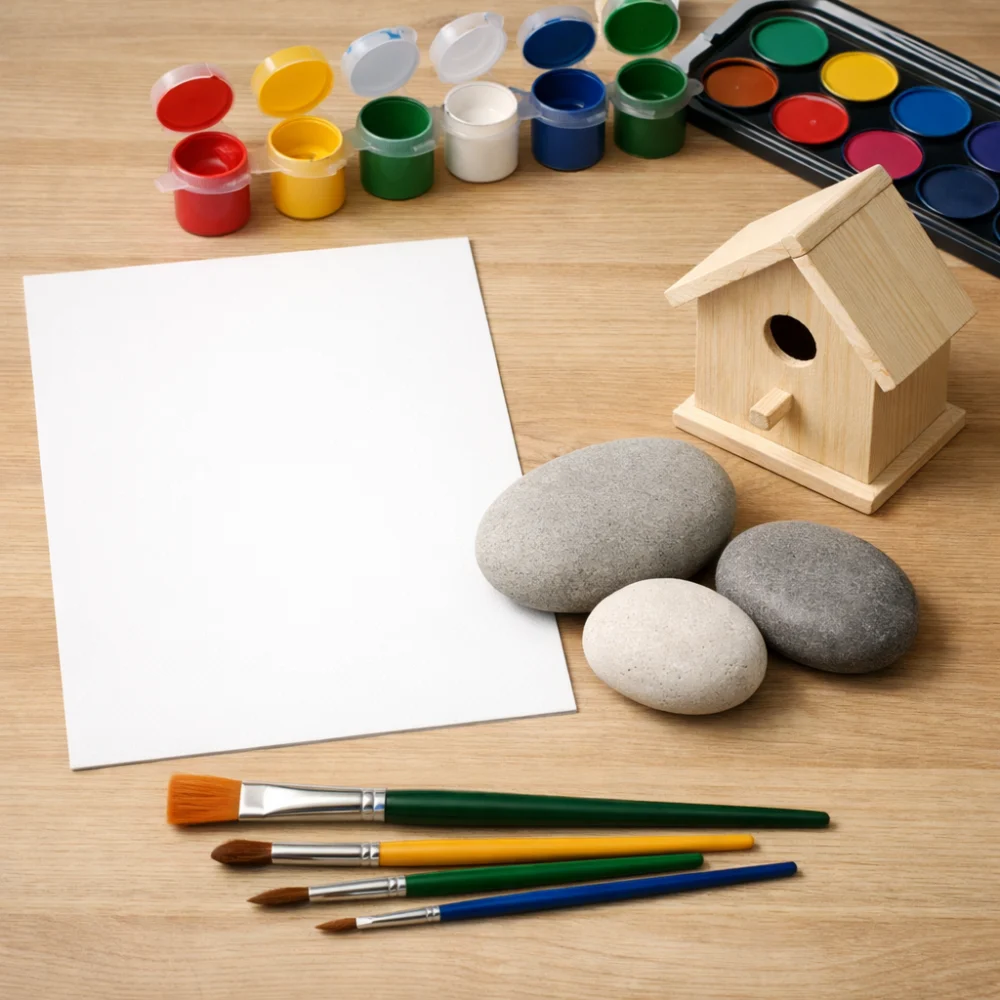
Choose for the child and occasion
- For a first painting activity: Look for a clearly described project, straightforward instructions and age guidance that fits the child. A very broad selection may be less useful if deciding what to paint is the main hurdle.
- For a child who likes making pictures: Focus on the painting medium, intended surface and whether the kit supports open-ended drawing or a guided project.
- For a themed or object-based activity: Confirm exactly what is to be painted and whether the relevant surface and materials are included.
- For a shared activity: Check how many participants the contents are intended to support, if the product information states this, and consider whether an adult will need to help organise the activity.
- For face painting: Treat it as a separate use from painting crafts. Check intended use, age guidance and product suitability information rather than choosing by colour count alone.
Buying mistakes to avoid
- Choosing by the largest piece count: A higher count does not tell you whether the materials suit the intended activity. Compare the contents and project instead.
- Assuming all paints work on all surfaces: Check the stated purpose and any surface requirements before buying.
- Overlooking extra supplies: Read the included-items list and note any separately required materials or workspace preparations.
- Treating face paint as ordinary craft paint: Only consider products described for use on skin, and review their suitability information.
- Ignoring the child’s preferred level of structure: A guided project and a free-form set offer different experiences. Match the choice to whether the child likes following instructions or inventing their own designs.
Safety and suitability
Follow the product’s stated age guidance, intended use and safety information, and consider whether adult supervision is appropriate for the child and activity. Keep craft paints and materials to their stated purpose; do not assume a paint intended for objects is suitable for skin. If a kit is designed for face painting, check its specific suitability details before choosing it.
Care, cleanup and storage
Care needs depend on the materials and activity. Check the product information for any stated cleanup, storage or drying requirements, and consider whether the paints or other components need to be kept organised between sessions. If the project uses a separate surface or additional supplies, plan for those before the activity begins.
A simple buying process
- Decide what kind of painting activity the child is most likely to enjoy.
- Choose a suitable surface and intended use, distinguishing craft painting from face painting.
- Compare the project style, instructions and listed contents.
- Consider age guidance, adult involvement and any extra supplies needed.
- Review the individual product information for suitability, care and other stated requirements.
Buyer checklist
- Does the painting activity suit the child’s interests?
- Is the intended surface or use clearly stated?
- Are the age guidance and supervision notes appropriate?
- Have you checked what is included and whether anything else is needed?
- For face painting, is the product specifically intended for skin?
- Are the care and storage requirements practical for your situation?
Frequently asked questions
How do I choose a painting kit for a child?
Start with the kind of activity the child enjoys, then check the intended surface, age guidance and contents. The product description should also help you judge whether it is a guided project or a more open-ended activity.
Are all children’s painting kits suitable for every surface?
No. The materials and surfaces vary, so check the product information for the intended use. Do not assume that paint for one surface will work on another.
Can craft paint be used for face painting?
Do not assume that craft paint is suitable for skin. For face painting, choose a product specifically described for that purpose and review its suitability information.
What should I check before giving a painting kit as a gift?
Check that the activity suits the recipient, review its age guidance and see whether the listed contents are enough for the intended project. Also look for any stated extra requirements so the gift can be used as expected.
Is a larger painting set always the better choice?
Not necessarily. The number of pieces does not show whether the activity is suitable or whether the child will use the materials. A focused kit may be a better match than a broader one, depending on the child’s interests.


