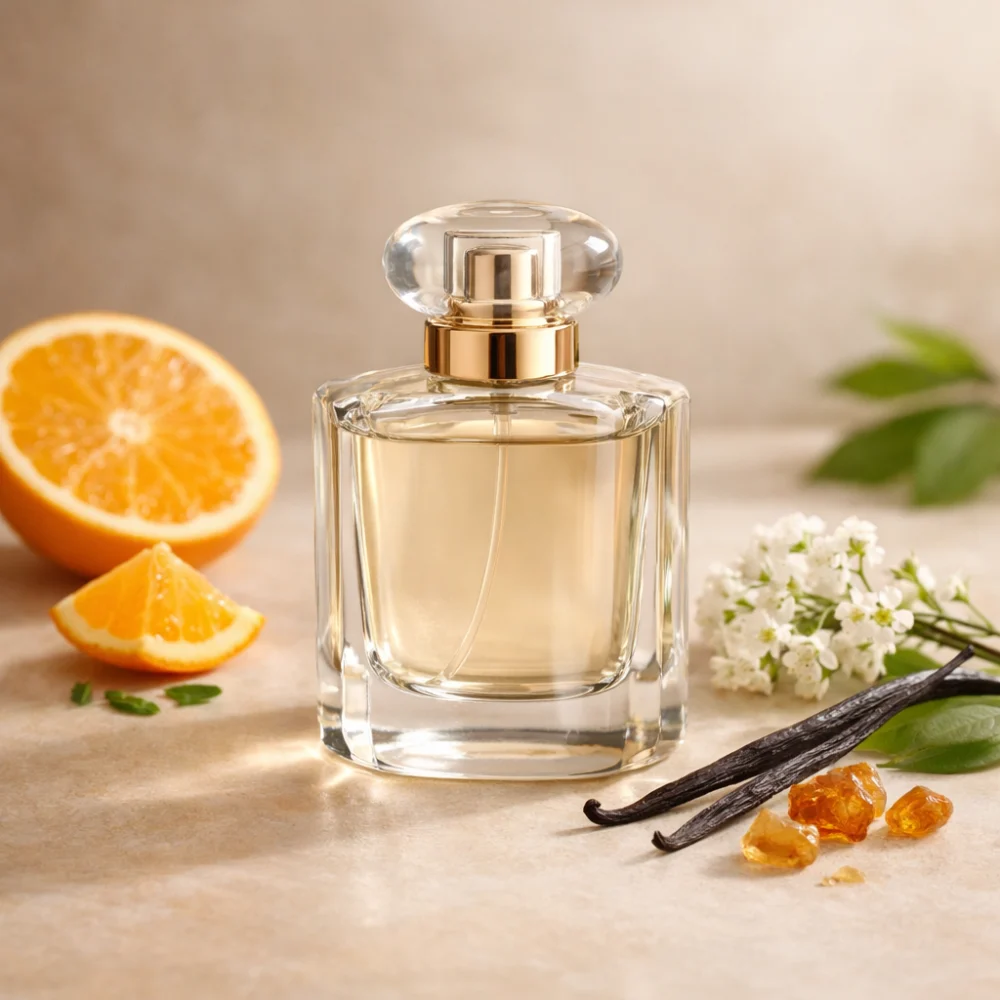
Choosing women’s perfume is a personal decision: the scent should suit the wearer, while its format and size should fit the occasion and how often it is likely to be used. If you are buying a gift, familiarity with the recipient’s preferences can be more useful than choosing by bottle appearance alone.
Use fragrance descriptions as a starting point, not a guarantee of how a perfume will smell on a particular person. Compare the scent style and concentration wording, then check the individual product information for the exact size, format and presentation.
How do you choose a perfume that suits the wearer?
Start with scent styles the wearer already enjoys, such as floral, citrus, fresh or woody notes, rather than relying only on a product name. Consider whether the perfume is for everyday wear, occasional use or a gift, since that affects how much versatility and personal certainty matter. Concentration labels can help compare formats, but they do not guarantee how strong or long-lasting a fragrance will be. Check the product details carefully, especially when the perfume is intended as a present.
Compare the main buying factors
| Feature | What it means | Why it matters | What to check |
|---|---|---|---|
| Scent profile | The fragrance’s described character or notes, such as floral, citrus or woody. | It is the most personal part of the choice and helps narrow down likely preferences. | Read the description and compare it with scents the wearer already likes. |
| Concentration label | Terms such as eau de parfum or eau de toilette identify different fragrance formats. | The label can help distinguish products, but is not a promise of a particular strength or wear time. | Check the exact wording on the product page; conventions and formulas can vary. |
| Bottle size | The stated amount of perfume in the container. | A smaller bottle may suit occasional use or a less certain gift choice; a larger one may be practical for a familiar favourite. | Confirm the volume and compare it with the intended use, not just the bottle’s appearance. |
| Product presentation | The listed packaging and whether the item is described as a spray or another format. | This can affect how the perfume is presented or applied. | Read the item description for the actual format and included components; do not assume from a photograph. |
| Recipient’s preferences | Known likes, dislikes and existing perfumes. | Familiar preferences reduce guesswork, especially when buying a gift. | Consider scents they already choose and any sensitivities they have mentioned. |
What to consider before choosing
Scent character and notes
Descriptions often group perfumes by broad styles, including floral, fresh or citrus, sweet, and woody or warmer characters. These terms are useful for narrowing a choice, but they are not a precise prediction of the finished scent. If possible, use a fragrance the wearer already enjoys as a reference point; for a gift, avoid assuming that a popular-sounding description will suit everyone.
Eau de parfum and eau de toilette
Eau de parfum and eau de toilette are common concentration labels. They generally distinguish fragrance formats, but the label alone cannot tell you exactly how noticeable a perfume will be or how long it will be perceived. Formulas differ, so compare products by their descriptions and the recipient’s preference rather than treating one label as an automatic upgrade.
Specifications vary by model, so always check the individual product page before buying.
Size and intended use
Think about whether the perfume will be used regularly or only for particular occasions. The stated bottle volume is a more useful comparison than the apparent size of the packaging. When choosing for someone whose preferences are uncertain, consider whether a smaller quantity would be a more comfortable choice than committing to a larger bottle.
Gift confidence
For a present, a known favourite or a scent profile similar to one the recipient already wears is usually a safer basis for selection than guessing from branding or bottle design. Check the exact product name, format and size, and read what the listing says about presentation. Do not assume a perfume is part of a set unless the product details say so.
Common perfume formats and styles
- Eau de parfum: A common fragrance concentration label. It may suit someone looking for this particular format, but the label alone does not establish how it will wear for them.
- Eau de toilette: Another common concentration label. It offers a different format from eau de parfum; compare the actual scent and product details rather than assuming it is always lighter or more suitable for daytime.
- Other concentration labels: Some perfumes use other terms. Meanings can vary, so check the wording and description for the specific product instead of relying on a fixed ranking.
- Different scent styles: Floral, fresh, citrus, sweet and woody descriptions help identify broad preferences. A style label is a guide, not a guarantee that two perfumes will smell alike.
Choosing for different needs
- A gift for someone whose perfume preferences are known: Use a scent they already enjoy as a guide, then verify the precise format and bottle size.
- A gift when preferences are uncertain: Avoid making a highly specific guess based only on packaging or a product name. Consider what information is available about the scent and whether the recipient has mentioned sensitivities.
- A perfume for regular use: Compare the scent profile and bottle volume with the wearer’s habits. A familiar format may matter more than choosing a different concentration label.
- A perfume for occasional use: Prioritise a scent that suits the intended occasions and a size that feels appropriate for less frequent use.
Mistakes and misunderstandings to avoid
- Choosing by bottle design alone: Attractive packaging does not tell you whether the scent will suit the wearer. Read the fragrance description and consider known preferences.
- Treating concentration labels as performance guarantees: Eau de parfum and eau de toilette are useful format distinctions, not promises of a particular wear time or intensity. Compare the product information without assuming a universal ranking.
- Assuming a scent family describes every detail: Broad terms such as floral or fresh simplify a fragrance. Use them to narrow the options, not as a substitute for the full description.
- Overlooking the stated volume: Packaging can make sizes difficult to judge by eye. Check the listed amount before deciding whether it suits the intended use.
- Guessing at a gift without checking suitability: A recipient may have strong likes, dislikes or sensitivities. Use what you know about them and verify the exact product details.
Safety and suitability
Perfume is a scented personal-care product, and individual preferences and sensitivities differ. If the intended wearer has mentioned a sensitivity or avoids particular ingredients, check the product information and do not assume a fragrance will be suitable. Follow the product’s own directions and warnings, and consider whether the recipient is comfortable receiving scented products.
Care and storage
Check the product information for any specific storage advice. In general, keeping a perfume closed and away from direct sunlight and excessive heat can help protect it from avoidable exposure. Keep the original packaging if it helps protect the bottle during storage, and handle the container according to its own instructions.
A simple buying process
- Decide whether the perfume is for you or a gift, and identify the intended use.
- List scent styles or existing perfumes that the wearer likes or dislikes.
- Compare the fragrance description and concentration wording, without treating either as a guarantee of performance.
- Choose a bottle volume that fits the expected frequency of use and your confidence in the scent choice.
- Check the individual product information for the exact format, size, presentation and any relevant suitability details.
Buyer checklist
- Does the fragrance description fit the wearer’s known preferences?
- Have you checked the exact concentration label and product format?
- Is the stated bottle volume suitable for the intended use?
- If it is a gift, have you considered the recipient’s dislikes or sensitivities?
- Have you confirmed what the individual product listing says about packaging and presentation?
Frequently asked questions
Is eau de parfum always stronger than eau de toilette?
The terms identify different fragrance formats, but they do not guarantee the same perceived strength across different perfumes. Formulas and scent character vary. Compare the individual product descriptions and consider what the wearer prefers.
How can I choose perfume as a gift?
Start with a fragrance the recipient already wears or a scent style they have said they like. Then check the precise format and bottle volume. If their preferences are unclear, avoid assuming that a particular scent or presentation will suit them.
Do floral or fresh descriptions tell me exactly how a perfume smells?
No. These are broad descriptions that help group a fragrance, not complete accounts of its character. Read the full product description and, where possible, use the recipient’s known preferences as a guide.
Should I choose a larger bottle?
That depends on how often the perfume is likely to be used and how certain you are about the scent choice. Check the stated volume and weigh regular use against the possibility that the perfume may be worn only occasionally.
What should I check if the recipient has fragrance sensitivities?
Check the product information for ingredient details and warnings, and take the recipient’s stated preferences seriously. Do not assume that a perfume is suitable for them based only on its scent description or concentration label.
Does the bottle or packaging show what is included?
Not necessarily. Check the product listing for the stated format and any included components, rather than inferring these from an image or presentation. Verify the details for the specific item you are considering.