

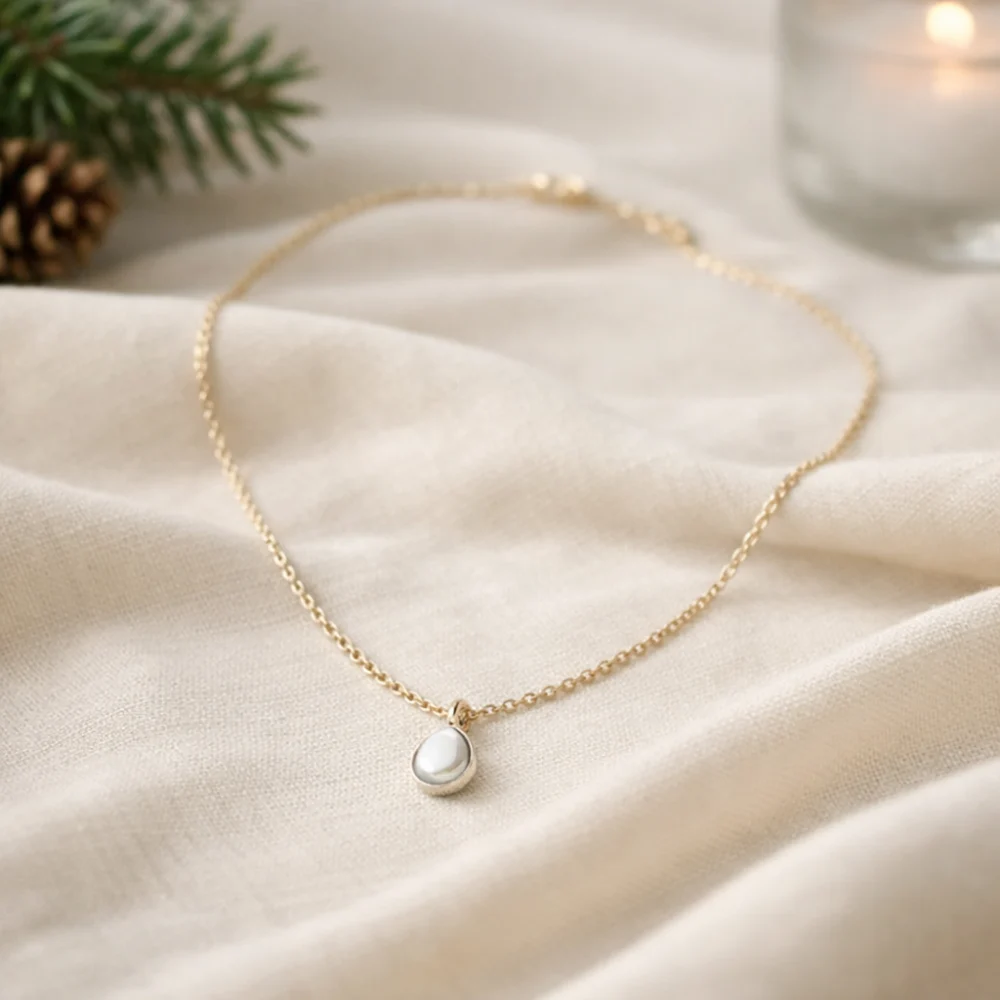
Choosing a necklace is about more than its pendant or finish. The style, how it sits when worn, the materials and the details supplied about its fastening can all affect whether it suits the wearer.
This guide covers everyday and occasion-led choices, as well as practical checks for buying a necklace as a gift. Use the individual product information to confirm what a particular piece is made from and how it is intended to fit.
What should you look for when choosing a necklace?
Start with the wearer’s usual style and the way they might wear the necklace: alone, with other jewellery or with particular necklines. Then compare the stated materials, chain-length information, pendant size and fastening details. A subtle chain may be easy to coordinate, while a larger pendant or layered look makes a more noticeable style statement; neither is right for everyone.
For a gift, a familiar design or a meaningful motif can help narrow the choice, but avoid guessing at material preferences or fit if those details matter to the recipient.
Compare the details that matter
| Feature | What it means | Why it matters | What to check |
|---|---|---|---|
| Overall style | The shape and visual character of the chain and any pendant. | It affects how easily the necklace fits the wearer’s taste and outfits. | Look at the full design and any product images showing its proportions. |
| Chain length | The stated length of the chain, and whether an adjustment is described. | Fit changes where the necklace sits and how it works with necklines or other necklaces. | Check the listed measurement and how it is presented; do not assume an extension is included. |
| Pendant size and weight | The proportions of a hanging feature, where present. | A small pendant can feel understated; a more prominent one draws greater attention. | Look for measurements or other clear size information rather than relying on a close-up image. |
| Materials and finish | The stated composition of the chain and decorative elements, and any described surface finish. | These details affect appearance, care needs and whether the piece suits the wearer’s preferences. | Check the description for each relevant material; do not infer composition from colour or appearance. |
| Fastening | The closure used to put on and remove the necklace. | Its design can affect convenience and whether the wearer finds it manageable. | Check whether the fastening is described or shown clearly enough for the intended wearer. |
Choosing a necklace: key decisions
Style and how it will be worn
Think about whether the necklace is intended to be a quiet everyday accent, a focal point for an outfit or a piece with personal meaning. A simple chain may be easier to pair with different clothing, while an ornate pendant or layered design may suit someone who prefers more detail. Consider the wearer’s existing jewellery without assuming that all pieces need to match exactly.
Length and proportions
Chain length influences where a necklace sits, and the same stated length can look different depending on the wearer and the way the chain is worn. Consider the necklines the recipient often wears and whether they prefer a close or more relaxed fit. If fit is important, check the measurement and any adjustment details rather than relying on a model image or a general style name.
Materials and finish
Read the material description carefully. A silver-coloured appearance does not by itself confirm silver content, and a gold-coloured finish does not establish the underlying material or how the finish is applied. Where a particular composition matters to the buyer, look for a clear statement about the chain, pendant and any decorative components; do not assume every part is made from the same material.
Specifications vary by model, so always check the individual product page before buying.
Pendant details and fastening
For a pendant necklace, consider its motif, scale and how it hangs from the chain. A close photograph can help with design, but measurements are more useful for judging actual size. Check fastening information too, particularly if the intended wearer has preferences about ease of handling or the closure’s appearance.
Common necklace styles
- Chain-only necklaces: A simple option for someone who prefers a minimal look or already has pendants they like to wear. Check whether the design is intended to be worn alone and review the stated length and material.
- Pendant necklaces: The pendant gives the piece a focal point and can carry a motif or decorative detail. Its size and weight may affect the overall look, so seek clear proportions where available.
- Layered designs: These bring more than one chain or visual level into a single look. They may suit someone who likes a more styled appearance, but could be less appropriate for a preference for a clean, simple line.
- Statement necklaces: A bolder design can stand out as part of an outfit. Consider whether its scale and styling match the recipient’s taste rather than choosing solely for impact.
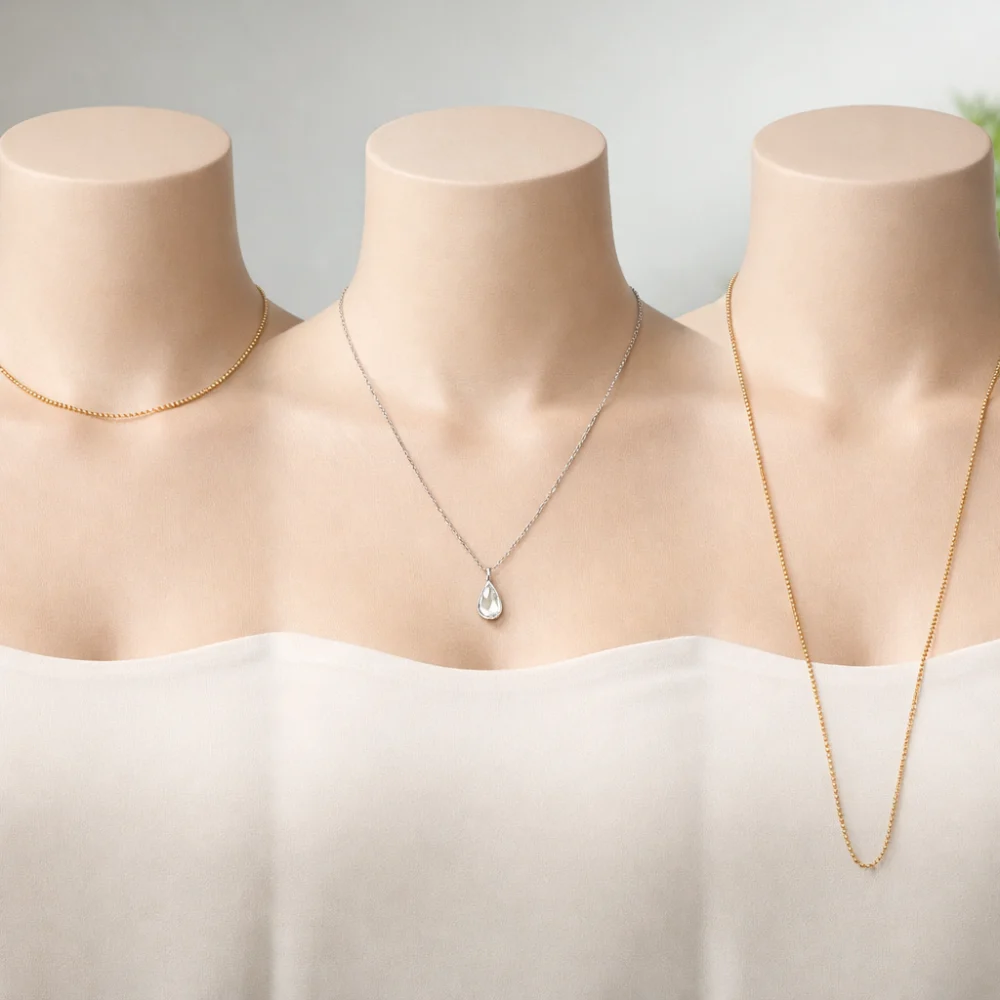
Match the choice to the wearer
- For a first or everyday necklace: A familiar, uncomplicated design may be easier to coordinate. Prioritise a clear length description and materials that suit the wearer’s preferences.
- For someone who likes personal motifs: Consider a pendant shape or symbol that has meaning to them. Check that the design is clear in the images and that the pendant’s proportions feel appropriate.
- For someone who wears several necklaces: Compare chain length and visual weight with what they already wear. A layered design offers a coordinated look, while separate pieces leave more room to style them individually.
- For a gift when fit is uncertain: Avoid assuming a particular chain length will suit. Look for explicit length information and consider whether a different style would be less dependent on precise fit.
Mistakes to avoid
- Choosing by colour alone: Similar-looking finishes can use different materials. Check the stated composition if it matters to the wearer.
- Judging size from a close-up: Product photography can make a pendant appear larger or smaller than it is. Use listed measurements when available.
- Assuming every chain is adjustable: Do not infer an extension or alternative fastening from the appearance of a photograph. Confirm it in the product details.
- Buying a personal style on someone else’s behalf: A meaningful motif or bold design is only a good fit if it suits the recipient. When unsure, use their usual jewellery as a guide.
- Expecting one necklace to suit every outfit: A versatile design can be convenient, but a distinctive piece may be better suited to particular occasions. Decide which use matters most.
Suitability and material considerations
Choose a necklace for its intended wearer and use, and check that the size, fastening and stated materials meet their needs. If the wearer has known sensitivities or material preferences, rely on the product’s specific material information rather than its colour or general description. If the details are not clear enough to make that decision, do not assume the piece will be suitable.
For a gift, consider whether the recipient is comfortable wearing jewellery and whether the design matches their usual style. No single material, length or fastening suits everyone.
Care and storage
Care needs depend on the materials and finish. Follow any care information supplied for the particular necklace, and store it in a way that helps avoid tangling or contact with other jewellery. If a piece includes decorative elements or a particular finish, check whether its product information gives specific care guidance rather than assuming all necklaces can be treated alike.
A simple buying process
- Decide who will wear the necklace and whether it is for everyday use, a particular occasion or a gift.
- Choose a broad style that suits the wearer, such as a simple chain, pendant or layered design.
- Compare length, pendant proportions, materials and fastening details that matter for that use.
- Consider the trade-off between an understated design and a more prominent one.
- Review the individual product information for the exact materials, measurements and care details before deciding.
Buyer checklist
- Does the style suit the wearer and intended occasion?
- Are chain length and any adjustment details clearly stated?
- Can you judge the pendant’s proportions from measurements or clear images?
- Are the materials and finish described clearly enough for your needs?
- Is the fastening suitable for the intended wearer?
- Have you checked any care guidance supplied for the specific necklace?
Frequently asked questions
How do I choose a necklace length as a gift?
Start with the recipient’s usual preferences or compare with a necklace they already wear, if you can do so accurately. Check the stated measurement and any adjustment details on the product page. If you cannot establish their preference, avoid assuming that a particular length will fit as they expect.
What should I check if the material is important?
Look for explicit information about the chain, pendant and decorative parts, since a single necklace may contain different materials. Do not treat a colour or finish description as proof of composition. If the information does not answer your question, avoid making assumptions about the piece.
Are pendant necklaces suitable for everyday wear?
That depends on the wearer’s style, the pendant’s proportions and the care information for the particular piece. A simpler design may be easier to coordinate, while a more decorative pendant may be preferred for particular outfits or occasions. Check the product details rather than assuming all necklaces are intended for the same use.
What is the difference between a layered necklace and separate chains?
A layered design presents multiple chain levels as part of one coordinated look. Separate chains allow the wearer to choose which pieces to combine, but require them to style the combination themselves. The better choice depends on whether they prefer a ready-made look or more flexibility.
How should I store a necklace?
Use the care guidance supplied for that necklace and choose storage that helps keep it from tangling or rubbing against other jewellery. Care recommendations can differ with materials and finishes, so do not assume a single method suits every piece.


