

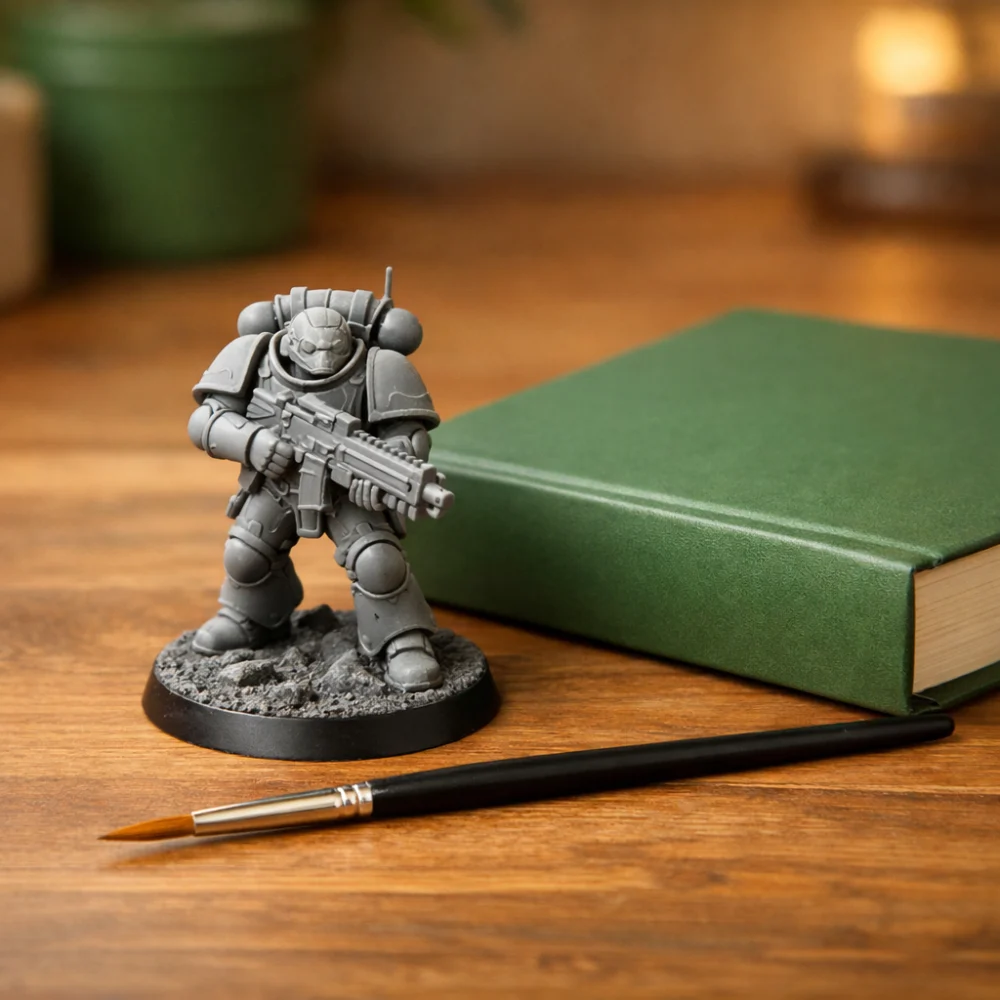
Warhammer can mean several kinds of hobby product: models to assemble or paint, sets for getting started, additions to a game, books and painting supplies. The right choice depends on what the recipient enjoys and, for game-related products, what they already own.
This guide focuses on choosing a suitable type and checking the details that can affect whether it fits into an existing collection. If you are buying a gift, finding out which games or models the recipient already has can help avoid a well-intentioned but incompatible addition.
What should you check before choosing a Warhammer product?
Start with the recipient’s main interest: building models, painting, playing a tabletop game, or learning about the setting. For a first purchase, look for a product described as introductory and check exactly what it contains rather than assuming it includes everything needed. For someone with an established collection, confirm the relevant game, edition or other compatibility details. The main trade-off is between a self-contained starting point and a more specialised item that may depend on products they already own.
Compare the main buying factors
| Feature | What it means | Why it matters | What to check |
|---|---|---|---|
| Product type | A model kit, starter set, game expansion, book or hobby supply serves a different purpose. | The recipient may want to play, build, paint or explore the setting. | Read the product description to identify its main purpose. |
| Game and edition | Some game products are designed for a particular game or rules context. | An expansion may not be useful without the relevant game or compatible collection. | Check any named game, edition or required companion product. |
| Contents | Sets can differ in what they include and what is expected separately. | A model set, paint set and game set may each leave different parts of the hobby to the buyer. | Look for a contents list and any stated additional requirements. |
| Making and painting | Model products can vary in how much assembly or painting they involve. | The activity may be part of the appeal, or may be more demanding than the recipient wants. | Check whether assembly or painting is required and whether tools or paints are included. |
| Experience and suitability | Products may be presented for different levels of experience or audiences. | A suitable theme and level of involvement make a gift more likely to be enjoyable. | Check the product’s stated age guidance, difficulty information and subject matter. |
Choosing the details that matter
Match the product to the activity
Someone who likes making things may prefer a model or a set that supports painting. A player may be more interested in a game set or expansion, while a reader may value a guide or book about the setting. These are different kinds of purchase; a book about a game, for example, should not be assumed to provide playable game components.
Check compatibility before buying an expansion
Expansions and other game-specific products can rely on a particular game, edition or existing collection. Check the product information for the relevant system and any required companion product. If you are unsure what the recipient owns, ask them or choose a less dependent type of gift.
Understand what is included
Names such as “introductory set” or “paint set” do not by themselves confirm what is inside. Check the listed components and whether the item includes models, rules, paints, tools or other materials that matter for its intended use. Specifications vary by model, so always check the individual product page before buying.
Consider the making commitment
Building and painting can be rewarding for someone who enjoys careful, hands-on projects, but may not suit a recipient looking for something ready to use. Product descriptions can clarify whether assembly or painting is expected. Also check whether any required materials or tools are supplied or need to be obtained separately.
Common Warhammer product types
- Introductory and starter sets: These can offer a starting point for exploring a game or hobby. Check the exact contents and what, if anything, is needed in addition.
- Models and model kits: These suit people interested in collecting, building or painting miniatures. The amount of assembly and painting involved can vary, so check the product details.
- Game expansions: These add to a particular gaming experience and are most suitable when the recipient has the relevant game or collection. Compatibility is the key limitation to check.
- Paints and tools: These may suit someone who already enjoys painting models. Confirm what the set contains and whether it fits the recipient’s current hobby needs.
- Books and guides: These suit readers or people learning about the setting. Check the subject and format, and do not assume a book includes models or game components.
Choose for the recipient’s needs
| If the recipient… | Consider looking for… | Main check |
|---|---|---|
| Is new to the hobby | A product clearly presented as an introduction, or a book that explores the setting. | Check the contents and any separately needed items. |
| Enjoys painting or model-making | A model or hobby supply suited to that activity. | Check assembly, painting and tool requirements. |
| Already plays a Warhammer game | A compatible game product or expansion. | Confirm the game and any edition or collection requirements. |
| Likes reading about the setting | A relevant book or guide. | Check the subject and whether it is a reference, story or other format. |
Mistakes and misunderstandings to avoid
- Assuming every set is ready to use: Some products may involve assembly or painting. Check what the product asks the buyer to do.
- Buying an expansion without checking the base game: An expansion may depend on a particular game or collection. Confirm compatibility before choosing it as a gift.
- Taking the product name as a full contents list: A title may not spell out every included or separately needed item. Use the product details to check.
- Choosing only by the Warhammer name: The category includes different activities and formats. Match the item to whether the recipient wants to play, build, paint or read.
- Overlooking the recipient’s experience: A highly specialised product may be less suitable for someone just starting out. Check how the item is described and what prior products it expects.
Safety and suitability
Check the product’s stated age guidance and suitability for the intended recipient, particularly where small model components or hobby materials are involved. If paints or tools are included, follow the information supplied with that specific product and consider whether adult supervision is appropriate. Do not assume that every item in the category has the same contents or suitability.
Care, storage and ongoing needs
Models, books, game components and hobby materials have different storage needs. Before buying, consider whether the recipient has space to keep the item and, for model-making or painting, whether they have a suitable place for the activity. If a product uses materials that may need replenishing, check what is included rather than assuming the set is a complete ongoing supply.
A practical buying process
- Establish whether the recipient is most interested in playing, building, painting or reading.
- Decide whether they need an introduction or already have a specific game or collection.
- Narrow the choice to a product type that fits that interest.
- Compare the stated contents, making requirements and any compatibility information.
- Check suitability and any separately needed materials on the individual product page.
Buyer checklist
- Does the product match the recipient’s preferred Warhammer activity?
- Is it intended as an introduction, or does it depend on an existing game or collection?
- Have you checked the game, edition or other compatibility details where relevant?
- Are the included contents and any additional requirements clear?
- Do the making requirements and stated suitability fit the recipient?
Frequently asked questions
Is Warhammer a game or a model-making hobby?
It can involve both, as well as reading about the setting and painting miniatures. Products serve different purposes, so check whether an item is mainly for gaming, collecting, making, painting or reading.
What is a suitable Warhammer gift for someone new to it?
Look for a product presented as an introduction, or choose a book if the person is more interested in reading about the setting. Check the contents and any additional requirements rather than assuming a set includes everything needed.
Can I buy an expansion without knowing which game the recipient owns?
That is a risk, because expansions can depend on a particular game or collection. Find out what the recipient plays and check the product’s compatibility information before choosing one.
Do Warhammer models always need assembly and painting?
Requirements vary between products. Check the individual description to see whether assembly or painting is expected and whether any relevant materials or tools are included.
Are paints and tools included with a model?
Do not assume they are. Check the product’s contents and any stated additional requirements; sets with similar purposes can include different items.
How can I choose between a book and a game product?
Base the choice on what the recipient enjoys. A book suits someone who wants to read or learn about the setting, while a game product is more relevant to someone who wants to play and may require compatible items they already own.


