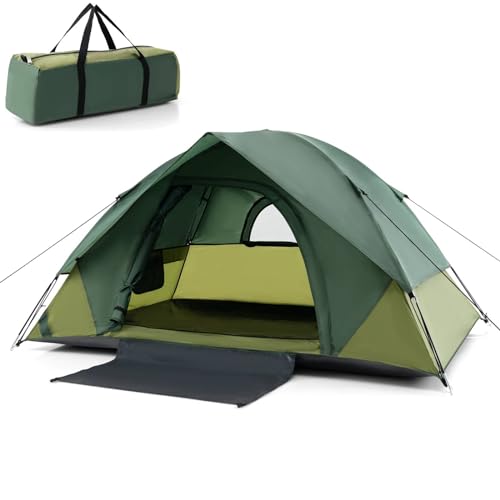
Dome Tents

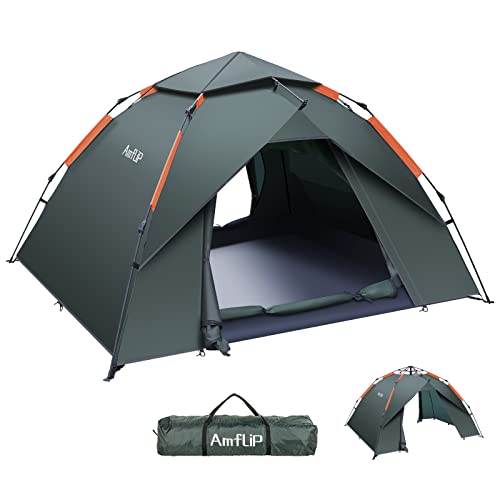
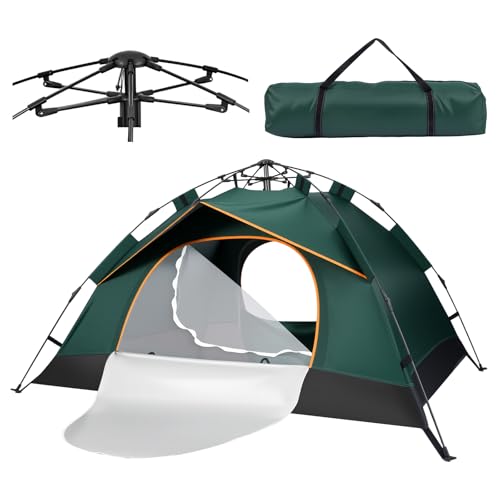
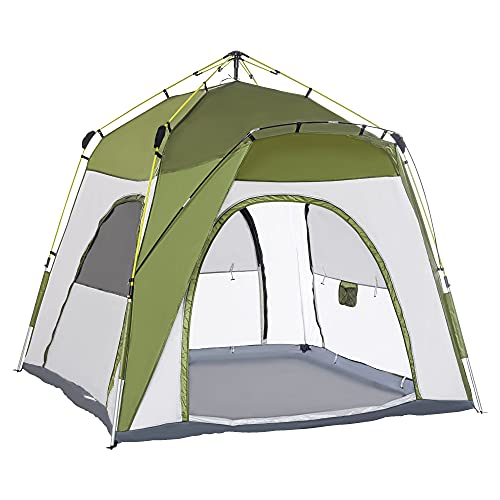
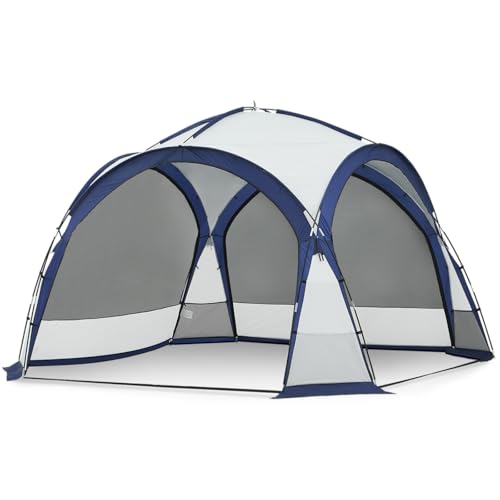
Dome tents are popular camping shelters with a curved, rounded structure that helps create a stable sleeping space for campsites, festivals and weekend outdoor trips. Whether you’re camping in the UK, heading to a festival, buying your first tent or choosing a compact shelter for simple getaways, a dome tent can be a practical and easy-to-use option.

Our dome tents range is designed for campers who want a straightforward tent shape with useful space, simple pitching and good all-round versatility. From small dome tents for solo campers and couples to larger designs for families and groups, you can choose a tent that suits your trip, storage space and camping style.

Showing 1–24 of 203 resultsSorted by popularity

A Practical Tent Shape for Everyday Camping

A dome tent gets its shape from flexible poles that cross over to form a rounded frame. This creates a usable sleeping area with a simple structure that many campers find easy to understand and pitch.

Dome tents are commonly used for campsite holidays, festivals, garden camping, short breaks and weekend trips. They can be a good choice if you want a tent that feels familiar, packs reasonably well and works for a wide range of casual camping situations.

For UK camping, where weather can change quickly, it is worth checking each tent’s waterproofing, ventilation, groundsheet design and pitching instructions before you buy.

How to Choose a Dome Tent

Start by thinking about how many people will sleep in the tent. Tent capacity usually refers to sleeping space, so if you want room for bags, boots or changing clothes, consider choosing a larger size than the number of people using it.

Key decision factors include sleeping capacity, living space, packed size, weight, water resistance, ventilation, number of doors, porch space, groundsheet style, setup time and how much room you have in your vehicle or rucksack.

If you are camping at festivals, packed size and quick pitching may matter most. If you are camping for several nights, comfort, headroom, porch storage and airflow become more important.

Dome Tents vs Tunnel Tents

Dome tents are often chosen for their simple shape, practical stability and easy setup. Many designs can stand with a compact footprint, making them useful on smaller pitches or crowded festival campsites.

Tunnel tents usually offer more internal length and living space for their size. They can be a better option for family holidays or longer stays where storage and covered living areas matter more.

The trade-off is simplicity versus space. A dome tent is often easier to manage for short trips, while a tunnel tent may feel roomier for longer camping holidays.

Small Dome Tents vs Larger Dome Tents

Small dome tents are useful for solo campers, couples, festivals, garden camping and quick weekend breaks. They are easier to carry, quicker to pitch and take up less room in the car.

Larger dome tents give you more space for sleeping, storing bags and moving around. They can be better for families, groups or campers who want extra comfort, but they usually take longer to pitch and need more room on the campsite.

The right choice depends on how you camp. If you travel light, a compact dome tent may be enough. If comfort matters, a larger dome tent with porch space may be worth the extra packed size.

Useful Dome Tent Features to Look For

A good dome tent should be easy to pitch, comfortable to sleep in and practical for the weather you expect. Look for clear pole layouts, strong pegging points, suitable guy lines and a flysheet that gives the level of protection you need.

Ventilation is important, especially in damp UK conditions. Mesh panels, vents and door designs can help air move through the tent and reduce condensation.

Porch space is also useful. It gives you somewhere to store muddy boots, wet coats, cooking equipment when not in use and small bags without crowding the sleeping area.

Dome Tents for Festivals, Campsites and Short Breaks

For festivals, a dome tent is often a sensible choice because it can be compact, familiar and straightforward to pitch. Choose one with enough room for your sleeping bag, mat and essential gear, and check the festival’s tent rules before travelling.

For UK campsites, comfort and weather suitability matter more. Think about whether the tent has enough ventilation, storage space and room to sit up or change clothes.

For family trips, a larger dome tent or multi-room design may be more practical than a small sleeping-only tent. Always check the floor plan before buying so you know how the space will work in real use.

Pitching and Caring for a Dome Tent

Practise pitching your dome tent before your first trip if you can. It is much easier to learn the pole layout at home than on a windy campsite or in a dark festival field.

Choose level ground where possible, clear away sharp stones and use the pegs and guy lines properly. In wet weather, avoid touching the inner tent against the flysheet, as this can affect comfort inside.

After your trip, dry the tent fully before storing it. Packing away a damp tent can lead to smells, mildew and fabric problems, so give it time to air whenever possible.

Using Dome Tents Safely

Keep stoves, BBQs, heaters, fire pits and fuel-burning equipment away from dome tents unless the product guidance specifically says otherwise. Most tents are not designed for cooking or heating inside, and enclosed spaces can create fire and carbon monoxide risks.

Use guy lines carefully and make them visible where possible, especially on busy campsites or festivals. Keep entrances clear so you can get in and out easily.

Store sharp tools, pegs and poles safely, especially when camping with children. A well-pitched tent should feel secure, tidy and easy to live in.

Shop Dome Tents Online

Browse our dome tents range to find practical shelter for campsites, festivals, garden camping, weekend trips and family holidays. Compare sizes, layouts, packed dimensions, ventilation and weather features to choose a dome tent that suits the way you camp.

Dome Tents FAQs

What is a dome tent?

A dome tent is a tent with a rounded structure, usually formed by flexible poles crossing over the top. This creates a practical sleeping space that is commonly used for camping, festivals and short outdoor trips.

Are dome tents good for camping?

Yes, dome tents can be good for camping because they are usually straightforward to pitch and suit a wide range of casual camping trips. Check size, waterproofing, ventilation and porch space before buying.

Are dome tents good for festivals?

Dome tents are often a practical choice for festivals because they are usually compact, familiar and easy to set up. Choose a size that gives enough room for you and your essential gear.

What size dome tent should I buy?

Choose based on the number of sleepers and how much storage space you want. If you want room for bags and boots, consider choosing one size larger than the number of people using it.

Are dome tents waterproof?

Waterproofing varies by product. Check the tent’s water resistance, seams, flysheet, groundsheet and product guidance before buying, especially for UK camping.

Do dome tents have good headroom?

Headroom varies by design. Some dome tents offer enough space to sit up comfortably, while larger models may provide more usable height. Check the dimensions and floor plan before buying.

What is the difference between a dome tent and a tunnel tent?

A dome tent has a rounded structure, while a tunnel tent uses curved poles to create a longer tunnel shape. Dome tents are often simpler for short trips, while tunnel tents may offer more living space.

Can one person pitch a dome tent?

Many smaller dome tents can be pitched by one person, but this depends on size and design. Larger dome tents are usually easier with two people, especially in wind or rain.

How do I stop condensation in a dome tent?

Use the vents, avoid blocking airflow and keep wet clothing away from sleeping areas where possible. Condensation is common in tents, especially in cool or damp UK conditions, but good ventilation can help reduce it.

How should I store a dome tent?

Dry the tent fully, clean off mud or grass, then pack it according to the product instructions. Store it in a dry place away from damp, sharp objects and direct heat.

A Practical Tent Shape for Everyday Camping

A dome tent gets its shape from flexible poles that cross over to form a rounded frame. This creates a usable sleeping area with a simple structure that many campers find easy to understand and pitch.

Dome tents are commonly used for campsite holidays, festivals, garden camping, short breaks and weekend trips. They can be a good choice if you want a tent that feels familiar, packs reasonably well and works for a wide range of casual camping situations.

For UK camping, where weather can change quickly, it is worth checking each tent’s waterproofing, ventilation, groundsheet design and pitching instructions before you buy.

How to Choose a Dome Tent

Start by thinking about how many people will sleep in the tent. Tent capacity usually refers to sleeping space, so if you want room for bags, boots or changing clothes, consider choosing a larger size than the number of people using it.

Key decision factors include sleeping capacity, living space, packed size, weight, water resistance, ventilation, number of doors, porch space, groundsheet style, setup time and how much room you have in your vehicle or rucksack.

If you are camping at festivals, packed size and quick pitching may matter most. If you are camping for several nights, comfort, headroom, porch storage and airflow become more important.

Dome Tents vs Tunnel Tents

Dome tents are often chosen for their simple shape, practical stability and easy setup. Many designs can stand with a compact footprint, making them useful on smaller pitches or crowded festival campsites.

Tunnel tents usually offer more internal length and living space for their size. They can be a better option for family holidays or longer stays where storage and covered living areas matter more.

The trade-off is simplicity versus space. A dome tent is often easier to manage for short trips, while a tunnel tent may feel roomier for longer camping holidays.

Small Dome Tents vs Larger Dome Tents

Small dome tents are useful for solo campers, couples, festivals, garden camping and quick weekend breaks. They are easier to carry, quicker to pitch and take up less room in the car.

Larger dome tents give you more space for sleeping, storing bags and moving around. They can be better for families, groups or campers who want extra comfort, but they usually take longer to pitch and need more room on the campsite.

The right choice depends on how you camp. If you travel light, a compact dome tent may be enough. If comfort matters, a larger dome tent with porch space may be worth the extra packed size.

Useful Dome Tent Features to Look For

A good dome tent should be easy to pitch, comfortable to sleep in and practical for the weather you expect. Look for clear pole layouts, strong pegging points, suitable guy lines and a flysheet that gives the level of protection you need.

Ventilation is important, especially in damp UK conditions. Mesh panels, vents and door designs can help air move through the tent and reduce condensation.

Porch space is also useful. It gives you somewhere to store muddy boots, wet coats, cooking equipment when not in use and small bags without crowding the sleeping area.

Dome Tents for Festivals, Campsites and Short Breaks

For festivals, a dome tent is often a sensible choice because it can be compact, familiar and straightforward to pitch. Choose one with enough room for your sleeping bag, mat and essential gear, and check the festival’s tent rules before travelling.

For UK campsites, comfort and weather suitability matter more. Think about whether the tent has enough ventilation, storage space and room to sit up or change clothes.

For family trips, a larger dome tent or multi-room design may be more practical than a small sleeping-only tent. Always check the floor plan before buying so you know how the space will work in real use.

Pitching and Caring for a Dome Tent

Practise pitching your dome tent before your first trip if you can. It is much easier to learn the pole layout at home than on a windy campsite or in a dark festival field.

Choose level ground where possible, clear away sharp stones and use the pegs and guy lines properly. In wet weather, avoid touching the inner tent against the flysheet, as this can affect comfort inside.

After your trip, dry the tent fully before storing it. Packing away a damp tent can lead to smells, mildew and fabric problems, so give it time to air whenever possible.

Using Dome Tents Safely

Keep stoves, BBQs, heaters, fire pits and fuel-burning equipment away from dome tents unless the product guidance specifically says otherwise. Most tents are not designed for cooking or heating inside, and enclosed spaces can create fire and carbon monoxide risks.

Use guy lines carefully and make them visible where possible, especially on busy campsites or festivals. Keep entrances clear so you can get in and out easily.

Store sharp tools, pegs and poles safely, especially when camping with children. A well-pitched tent should feel secure, tidy and easy to live in.

Shop Dome Tents Online

Browse our dome tents range to find practical shelter for campsites, festivals, garden camping, weekend trips and family holidays. Compare sizes, layouts, packed dimensions, ventilation and weather features to choose a dome tent that suits the way you camp.

Dome Tents FAQs

What is a dome tent?

A dome tent is a tent with a rounded structure, usually formed by flexible poles crossing over the top. This creates a practical sleeping space that is commonly used for camping, festivals and short outdoor trips.

Are dome tents good for camping?

Yes, dome tents can be good for camping because they are usually straightforward to pitch and suit a wide range of casual camping trips. Check size, waterproofing, ventilation and porch space before buying.

Are dome tents good for festivals?

Dome tents are often a practical choice for festivals because they are usually compact, familiar and easy to set up. Choose a size that gives enough room for you and your essential gear.

What size dome tent should I buy?

Choose based on the number of sleepers and how much storage space you want. If you want room for bags and boots, consider choosing one size larger than the number of people using it.

Are dome tents waterproof?

Waterproofing varies by product. Check the tent’s water resistance, seams, flysheet, groundsheet and product guidance before buying, especially for UK camping.

Do dome tents have good headroom?

Headroom varies by design. Some dome tents offer enough space to sit up comfortably, while larger models may provide more usable height. Check the dimensions and floor plan before buying.

What is the difference between a dome tent and a tunnel tent?

A dome tent has a rounded structure, while a tunnel tent uses curved poles to create a longer tunnel shape. Dome tents are often simpler for short trips, while tunnel tents may offer more living space.

Can one person pitch a dome tent?

Many smaller dome tents can be pitched by one person, but this depends on size and design. Larger dome tents are usually easier with two people, especially in wind or rain.

How do I stop condensation in a dome tent?

Use the vents, avoid blocking airflow and keep wet clothing away from sleeping areas where possible. Condensation is common in tents, especially in cool or damp UK conditions, but good ventilation can help reduce it.

How should I store a dome tent?

Dry the tent fully, clean off mud or grass, then pack it according to the product instructions. Store it in a dry place away from damp, sharp objects and direct heat.

Home and Garden ProductsGetting ready for Summer? View our Home and Garden Products

Outdoor Clothing

Heading outdoors this winter? Take a look at our Outdoor Clothing.

Scroll to Top