
3D Printer Filament
3D printer filament is the material used by compatible filament based 3D printers to create printed objects layer by layer. It is useful for hobby makers, students, designers, engineers, repairers, model makers, schools, workshops and home users who need material for creative, practical or experimental prints.
The right filament should match your printer, nozzle, bed setup, project type and printing experience. When comparing 3D printer filament, look at material type, spool size where listed, filament diameter where listed, colour, finish, print temperature guidance where listed, bed requirements where listed, strength needs, flexibility, storage guidance and compatibility with your specific 3D printer.
- 3D Printer Filament
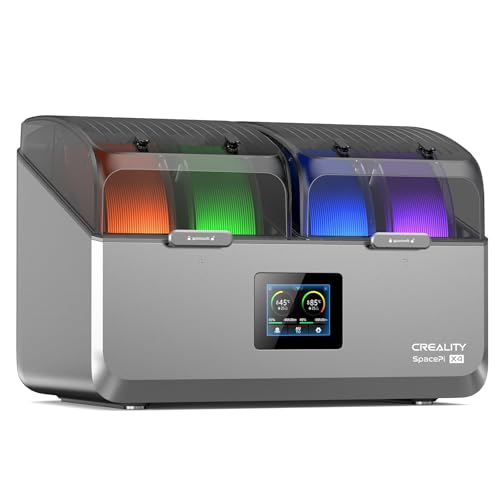
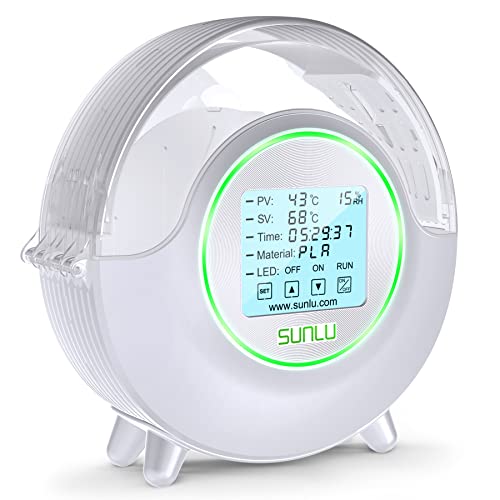
Creality Official Space Pi X4 Filament Dryer, 4 Spools Filament Dryer Box with Dual-Chamber Heated Storage, Max 85℃ Independent Temperature Control Filament Dehydrator for PLA,PETG, ABS,TPU,Nylon,ASA
Original price was: £176.00.£149.00Current price is: £149.00. *View On Amazon* - 3D Printer Filament
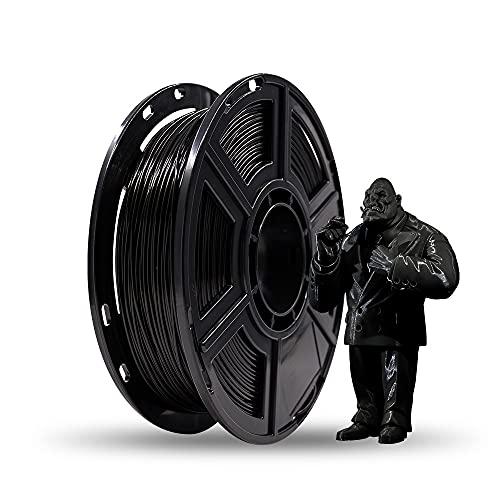
Gratkit Silk Tri-Color PLA Filament,3D Printer Filament 1.75mm, -0.03mm, 1KG/Roll, Silk PLA Blue/Black/Purple
Original price was: £15.99.£13.99Current price is: £13.99. *View On Amazon* - 3D Printer Filament
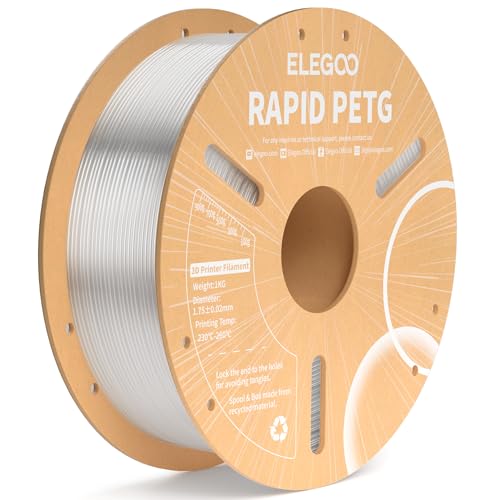
ELEGOO Rapid PETG Filament 1.75mm Transparent 1KG, High Speed Up to 600mm/s 3D Printer Filament Dimensional Accuracy +/- 0.02 mm, 1kg Cardboard Spool(2.2lbs) Fits for Most FDM 3D Printers
Original price was: £14.99.£12.74Current price is: £12.74. *View On Amazon* - 3D Printer Filament
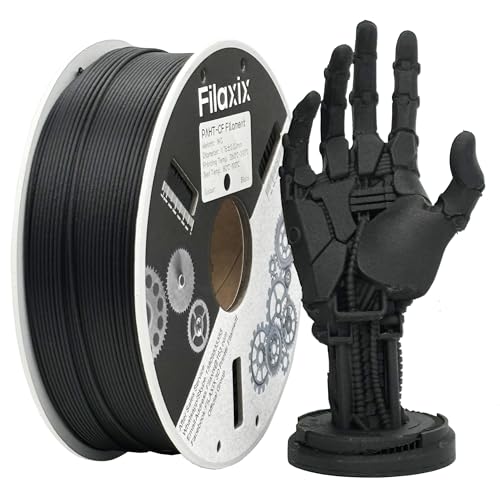
PAHT-CF 3D Printer Filament, PA Nylon Reinforced with Carbon Fiber for Exceptional Strength and Thermal Stability,Compatible with Bambu LAB and Other FDM 3D Printer,1KG, Black
Original price was: £40.99.£38.94Current price is: £38.94. *View On Amazon* - 3D Printer Filament
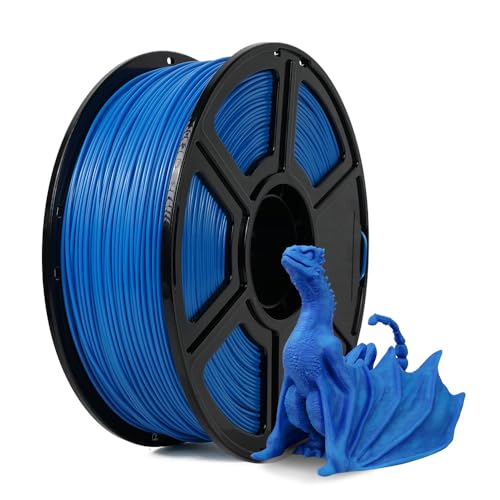
FLASHFORGE ASA Filament 1.75mm, Anti-UV ASA 3D Printer Filament, Dimensional Accuracy +/-0.02mm, Heat & Weather Resistant ASA 3D Filament Perfect for Printing Outdoor Functional Parts (Sky Blue)
Original price was: £21.99.£16.98Current price is: £16.98. *View On Amazon* - 3D Printer Filament
ELEGOO PLA Filament 1.75mm White 2KG, Dimensional Accuracy +/- 0.02mm, 2pcs 1kg Cardboard Spool(2.2lbs) 3D Printing Filament Fits for Most FDM 3D Printers
Original price was: £26.98.£22.98Current price is: £22.98. *View On Amazon* - 3D Printer Filament
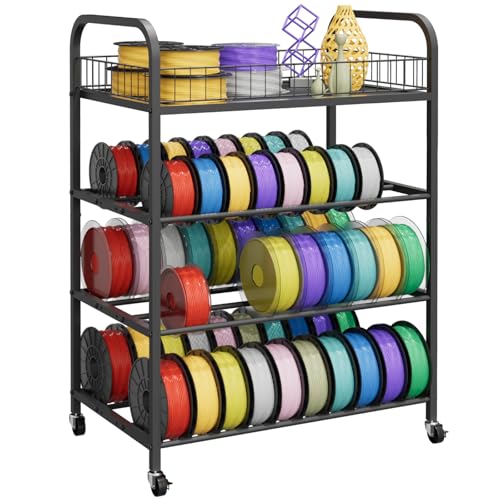
Vocpy 5 Tier 3D Printer Filament Storage Rack,132x39x70cm Rolling Filament Spool Holders Racks with Wheels, Heavy Duty Metal 3D Printer Shelf for PLA/ABS/TPU/Nylon
Original price was: £80.99.£64.99Current price is: £64.99. *View On Amazon* - 3D Printer Filament
Magigoo Pro PA – The 3D printing adhesive for Polyamide (nylon)
£21.00 *View On Amazon* - 3D Printer Filament
OVERTURE TPU High Speed Filament 1.75mm Flexible 95A TPU Roll, 3D Printer Filament,Dimensional Accuracy +/- 0.02 mm, Fit Most FDM Printer(HS TPU Grass Green)
Original price was: £21.99.£18.69Current price is: £18.69. *View On Amazon* - 3D Printer Filament
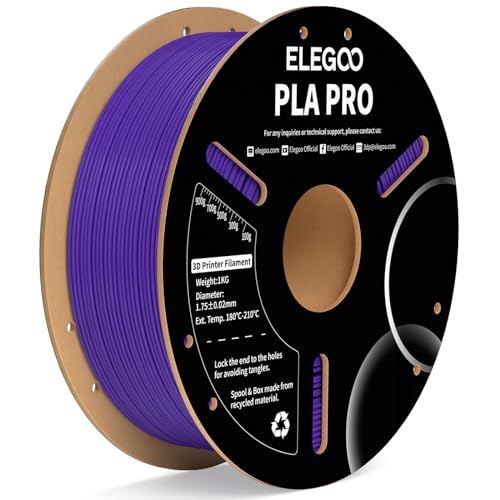
EONO Silk PLA Filament 1.75mm Tri-Color Bundle – Coextrusion Rainbow 3D Printing Filament 4×250g Sample Pack for FDM Printers
Original price was: £17.99.£14.50Current price is: £14.50. *View On Amazon*








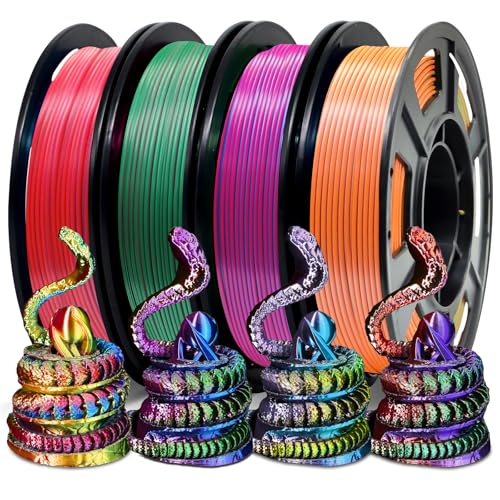

What Is 3D Printer Filament
3D printer filament is a continuous strand of printing material supplied on a spool or coil, designed for use with compatible FDM or FFF style 3D printers. The printer heats the filament and deposits it in layers to build a physical object from a digital model.
Depending on the product, filament may be made from PLA, PETG, ABS, TPU, nylon style materials, wood effect blends, carbon filled blends, silk effect materials, glow effect materials or other specialist materials where listed.
Not every filament works with every printer. Material type, filament diameter, temperature requirements, bed adhesion, enclosure needs and printer hardware should all be checked before buying.
What 3D Printer Filament Is Used For
3D printer filament is used for making models, prototypes, brackets, tools, organisers, replacement parts, decorative items, educational projects, craft pieces, cosplay parts, tabletop scenery and practical household items where the material is suitable.
Beginners often use easy printing materials for simple models and learning prints. Regular users may choose different filament types for strength, finish or durability. More experienced users may experiment with flexible, heat resistant, filled or specialist materials where their printer supports them.
The best filament depends on the print. A display model, phone stand, workshop jig and outdoor part may all need different material properties, so it is worth choosing based on the final use rather than colour alone.
How To Choose The Right 3D Printer Filament
Start with printer compatibility. Check your printer manual or manufacturer guidance for supported filament types, filament diameter, temperature range, bed surface and any enclosure requirements.
Next, think about the finished print. If the part is decorative, colour and surface finish may matter most. If the part will be handled, flexed, used outdoors or placed under load, material properties become more important.
Consider your experience level. Some filament types are easier to print than others. Beginner friendly materials may be more forgiving, while specialist filaments can need careful temperature control, bed preparation, slower speeds or more tuning.
Storage is also important. Some filaments can absorb moisture from the air, which may affect print quality. If you print occasionally, consider how the filament will be stored between uses.
Key Features To Compare
Material type is the most important feature to compare. PLA, PETG, ABS, TPU and specialist blends all behave differently, and not every printer supports every material.
Filament diameter should match the printer. Check the listing and your printer requirements carefully before buying.
Colour and finish affect appearance. Standard colours may suit practical parts, while silk, matte, translucent or effect finishes where listed may suit decorative models.
Print guidance is worth checking. Nozzle temperature, bed temperature, cooling, enclosure needs and speed guidance where listed can help you understand whether the filament suits your setup.
Spool size and winding quality can affect convenience. Larger spools may suit frequent printing, while smaller quantities may be useful for testing new colours or materials where available.
Strength, flexibility and heat tolerance should only be assumed where the material and product details support it. If a printed part has a demanding use, check material suitability carefully.
Common 3D Printer Filament Types Compared
PLA is often chosen for general printing, models, prototypes and beginner projects where the printer supports it. It is popular because it can be easier to work with than many specialist materials, but it may not be suitable for high heat or demanding mechanical use.
PETG is often chosen where more toughness or practical durability is wanted, depending on the product and print settings. It may need more tuning than PLA, so printer setup should be checked carefully.
ABS may be used for stronger or more heat tolerant parts where suitable, but it can be more demanding to print and may need good ventilation, temperature control and an enclosure depending on the printer and product guidance.
TPU is a flexible filament type used for parts that need bend or grip where the printer supports it. It can be slower and more difficult to print than rigid materials, so compatibility and experience level matter.
Specialist filaments, such as wood effect, silk effect, glow effect or fibre filled materials where listed, can create interesting finishes or properties, but may need specific nozzle, temperature or handling requirements.
PLA Compared With PETG And ABS
PLA can be a sensible starting point for many hobby and learning projects because it is often straightforward to print and available in many colours and finishes.
PETG may be more suitable for practical parts that need extra toughness or more resistance to everyday handling, depending on the product and print settings.
ABS may suit certain functional parts where its properties are needed, but it can be less beginner friendly and may require more controlled printing conditions.
The trade off is ease versus performance. Beginner users may prefer simpler materials, while experienced users may choose materials based on the specific demands of the finished print.
Standard Filament Compared With Specialist Filament
Standard filament is usually chosen for everyday printing, simple models, prototypes and general projects. It can be a practical choice when consistency and ease matter.
Specialist filament may offer a different appearance, texture, flexibility, strength or finish where listed. These can be useful for creative or functional projects, but they may require more careful setup.
The better choice depends on the project. Use standard filament for reliable everyday printing. Use specialist filament when the finish or material property is important and your printer supports it.
Guidance For Beginners, Regular Users And Experienced Makers
Beginners should start by checking the printer’s supported filament type and choosing a material that is suitable for learning. A simple, easy to print filament can make early projects less frustrating.
Regular users may want to keep several colours and materials ready for different jobs. For example, one filament may suit decorative prints, while another may suit stronger practical parts where compatible.
Experienced makers may compare material properties, drying needs, nozzle wear, bed adhesion, print temperature, cooling settings, spool quality and how the filament performs on longer prints.
Schools, clubs and workshops should consider ease of use, storage, colour selection and whether the filament is practical for repeated use by different people.
Use Cases By Project Type
For decorative models, colour, finish and surface appearance are often the main buying factors. Silk, matte or effect filaments where listed may be useful for display pieces.
For prototypes, print reliability, dimensional consistency where listed and ease of sanding or finishing may matter more than appearance.
For practical parts, material strength, toughness and temperature suitability should be checked carefully before choosing filament.
For flexible items, TPU or similar flexible materials where listed may be suitable where the printer can handle them.
For educational use, beginner friendly filament can help students focus on design, modelling and printer operation rather than advanced material tuning.
For cosplay and craft projects, colour range, finish, post processing and spool quantity may be important depending on the size of the print.
Fit, Compatibility And Printer Matching
3D printer filament must match the printer hardware and settings. Check filament diameter, hot end temperature range, bed temperature support, extruder type and nozzle compatibility before buying.
Some materials may need a heated bed, enclosed printer, hardened nozzle or specific build surface where listed. Do not assume a printer can handle specialist filament just because the spool fits.
If your printer uses a Bowden extruder, direct drive extruder or enclosed filament path, this may affect how well certain materials print, especially flexible filament. Check your printer guidance carefully.
If using multi material systems, automatic spool holders or filament sensors, make sure the filament spool size and winding style are suitable where listed.
Safety And Responsible Printing
3D printing involves hot parts, moving machinery and heated material. Always follow your printer instructions and keep hands away from the hot nozzle, heated bed and moving components during operation.
Ventilation can matter, especially with some materials. Check the filament and printer guidance, and use the printer in a suitable area rather than assuming every material is safe to print in any room.
Some filaments may produce odours or fumes during printing. If a material has specific handling or ventilation guidance, follow it carefully.
Do not leave printers unattended unless the printer, environment and user guidance make this suitable. Keep flammable items away from the printer and make sure cables, power supplies and surfaces are safe.
If printing items for load bearing, food contact, heat exposure, pets, children or safety critical use, check material suitability carefully and avoid relying on unsupported assumptions.
Storage, Moisture And Filament Care
Filament should usually be stored clean, dry and away from dust. Moisture can affect some materials and may lead to poor print quality, stringing, bubbling or inconsistent extrusion.
Keep unused filament in sealed bags, storage boxes or dry storage solutions where suitable. Desiccant packs may be useful where compatible and where moisture control is important.
Avoid leaving filament exposed on the printer for long periods if the room is damp or dusty. If filament becomes brittle, noisy during printing or prints poorly, moisture or age may be part of the issue.
Store spools neatly so the filament end is secured. Loose filament can tangle, and tangles can cause failed prints or feeding issues.
Print Quality And Troubleshooting Considerations
Print quality depends on more than the filament. Printer calibration, nozzle condition, slicer settings, bed levelling, print temperature, cooling, speed and model design all affect the result.
If a filament does not print well, check the recommended settings where listed and make one change at a time. Temperature, bed adhesion and retraction settings are common areas to review.
Stringing, warping, under extrusion and poor layer adhesion can have several causes. The filament may be part of the issue, but printer setup and environment should also be checked.
For long prints, consistent feeding and good spool placement are important. Make sure the spool turns freely and the filament path is not snagging.
Care, Handling And Maintenance
Handle filament carefully to avoid kinks, tangles and contamination. Keep dust, oil and debris away from the filament path where possible.
Use clean nozzles and suitable printer maintenance routines. Different filament types may leave residue or need different nozzle care depending on the material.
If switching between materials with different printing temperatures, follow suitable purging and cleaning guidance for your printer.
Keep spool labels or product information if they include print guidance. This can be useful when reordering or adjusting slicer settings later.
Useful Accessories To Consider
Useful accessories may include 3D printer nozzles, build plates, bed adhesives where suitable, filament dryers, dry boxes, spool holders, storage bags, desiccant, scraper tools, cutters, calipers, gloves where appropriate and cleaning needles.
For beginners, a simple storage solution, spare nozzles and a few basic tools can be practical. For regular makers, drying and organisation accessories may help keep filament ready for future prints.
If buying filament as a gift, check the recipient’s printer type, filament diameter, preferred material and colours before choosing.
Why Buy From YPC
At YPC, we understand active lifestyles and the need for practical products that work in real use. 3D printer filament should be easy to compare by material type, colour, compatibility, spool size where listed, print guidance, storage needs and suitability for the project.
This category is designed to help buyers choose practical filament for creative printing, repairs, prototypes, models, education and workshop use. Browse the 3D printer filament at YPC and compare the available options to find a suitable material for your printer and next project.
FAQs
What is 3D printer filament?
3D printer filament is the material used by compatible filament based 3D printers to build objects layer by layer. It is usually supplied on a spool and fed into the printer’s hot end.
How do I choose the right 3D printer filament?
Check your printer compatibility first, including filament diameter, supported materials, temperature range and bed requirements. Then choose a material and colour that suit the project.
Are all 3D printer filaments the same?
No. Filaments vary by material, diameter, colour, finish, strength, flexibility, temperature guidance and storage needs. Always check the product details before buying.
What filament is good for beginners?
Many beginners start with an easier printing material that is supported by their printer. Check your printer guidance and choose a filament that suits simple learning prints before trying specialist materials.
Can I use any filament in my 3D printer?
No. Your printer must support the filament diameter, material type and temperature requirements. Some filaments may also need a heated bed, enclosure or specific nozzle where listed.
Why does filament need to be kept dry?
Some filaments absorb moisture from the air, which can affect print quality. Damp filament may cause bubbling, stringing, poor surface finish or inconsistent extrusion depending on the material.
What is the difference between PLA and PETG?
PLA is often used for general printing and beginner projects, while PETG may be chosen for tougher practical parts where suitable. The right choice depends on printer compatibility, project needs and print settings.
What accessories are useful with 3D printer filament?
Useful accessories may include spare nozzles, build plates, filament storage bags, desiccant, spool holders, filament dryers, cutters, scrapers and bed adhesion products where suitable.
For more information see our 3D Printer Filament Buyers Guide.
Looking for more options?
Browse our full range of Printers for other great choices to suit your space, goals, and budget.
 Getting ready for Summer? View our Home and Garden Products

Heading outdoors this winter? Take a look at our Outdoor Clothing.