

Weight Lifting Belts & Straps
Weight lifting belts and straps are training accessories used to support strength workouts, heavy lifting routines and gym sessions where extra stability or grip assistance may be useful. They are commonly used for exercises such as squats, deadlifts, rows, pulls and other resistance training movements, depending on the product and the user’s experience level.
The right choice depends on how you train, what you lift, your grip strength, your technique and the level of support or assistance you need. Belt width, fastening style, material, wrist strap design, padding, adjustability and intended use are all worth comparing before choosing.
- Weight Lifting Belts & Straps
Titan Armour Padded Weightlifting Straps, Purple, 21-Inch
Original price was: £11.99.£9.49Current price is: £9.49. *View On Amazon* - Weight Lifting Belts & Straps
MuscleForge Hanging Ab Straps with 8 mm Carabiners, Pair
£20.99 *View On Amazon* - Weight Lifting Belts & Straps
BEARGRIP Red Hook Grip Lifting Straps with Neoprene Wrist Support
£24.99 *View On Amazon* - Weight Lifting Belts & Straps
LZGOPE Adjustable Neoprene Padded Ankle Strap Set with D-Rings, Camo
£6.98 *View On Amazon* - Weight Lifting Belts & Straps
BEAR GRIP Multi Grip Lifting Straps and Hooks, Black
£34.99 *View On Amazon* - Weight Lifting Belts & Straps
Neoprene Padded Ankle Straps for Cable Machines with Double D-Rings
£4.45 *View On Amazon* - Weight Lifting Belts & Straps
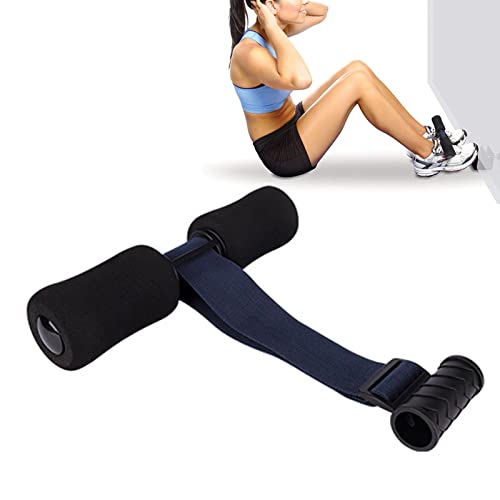
Syfunlv Nordic Hamstring Curl Strap with Door Anchor
£16.49 *View On Amazon* - Weight Lifting Belts & Straps
Women’s Ankle Strap Cuff Attachment for Cable Machines and Bands, White Pair
£34.30 *View On Amazon* - Weight Lifting Belts & Straps
Adjustable Double D-Ring Ankle Straps for Cable Machines, 2 Pcs
£4.89 *View On Amazon* - Weight Lifting Belts & Straps
Gymreapers Adjustable Ankle Straps for Cable Machines with Neoprene Padding
£9.99 *View On Amazon* - Weight Lifting Belts & Straps
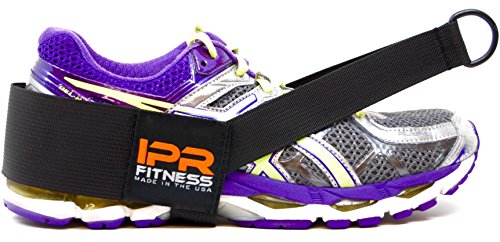
IPR Fitness Glute Kickback LITE Men’s Black Training Strap
£36.76 *View On Amazon* - Weight Lifting Belts & Straps
BEAR GRIP Multi Grip Lifting Straps Hooks, Small
£24.99 *View On Amazon* - Weight Lifting Belts & Straps
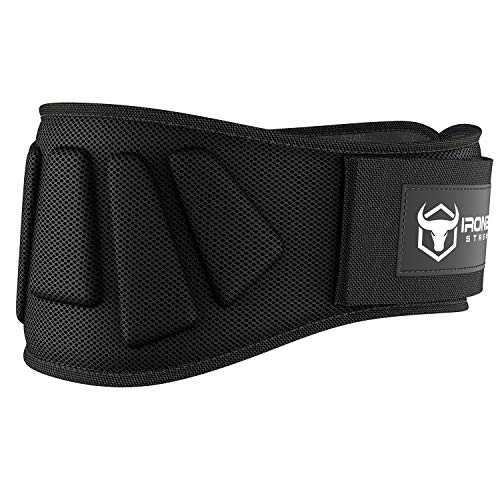
CERBERUS Strength EVA-LUTION Weightlifting Belt (L)
£34.99 *View On Amazon* - Weight Lifting Belts & Straps
Gymreapers Quick Locking Weightlifting Belt Gray XXL
£26.99 *View On Amazon* - Weight Lifting Belts & Straps
Reflimand Gym Belt for Men Resistance Workout Waist Belt
£9.64 *View On Amazon* - Weight Lifting Belts & Straps
Hustlers Only Weightlifting Wrist Wraps 18 Inch (Camo Green)
£9.99 *View On Amazon* - Weight Lifting Belts & Straps
HUSTLERS ONLY Weight Lifting Belt 7mm Synthetic Leather 4″ Padded Back Support White M
£19.99 *View On Amazon* - Weight Lifting Belts & Straps
DMoose Fitness Heavy Duty Weight Lifting Hooks, Pair, Black (Flat Hook)
Original price was: £29.99.£21.99Current price is: £21.99. *View On Amazon* - Weight Lifting Belts & Straps
Senshi Japan Leather Head Harness with Chain and Ankle Straps
£14.99 *View On Amazon* - Weight Lifting Belts & Straps
Large Black Weightlifting Belt for Men and Women – 6 Inch Auto-Lock
£35.72 *View On Amazon* - Weight Lifting Belts & Straps
J Bryant Adjustable Neck Harness Head Strap for Weight Lifting with Resistance Bands, Door Anchor and Chain
£29.99 *View On Amazon*







What Are Weight Lifting Belts And Straps?
Weight lifting belts are supportive belts worn around the waist during certain strength training exercises. They are usually chosen to help the lifter create a more stable braced position during heavier lifts, where suitable and used correctly.
Weight lifting straps are accessories worn around the wrists and wrapped around a bar, dumbbell or handle to help improve grip security during pulling exercises. They may be useful when grip fatigue limits a set before the target muscles are fully worked.
Products in this category may include gym belts, powerlifting belts, leather lifting belts, nylon lifting belts, padded belts, wrist lifting straps, figure 8 straps, hook straps and related strength training accessories, depending on what is listed.
What Are Weight Lifting Belts And Straps Used For?
Weight lifting belts are used during exercises where trunk bracing and lifting posture are important. They are often associated with squats, deadlifts, overhead pressing and similar movements where the lifter wants a firm surface to brace against.
Weight lifting straps are mainly used for grip support during pulling exercises. They can be useful for deadlifts, rack pulls, rows, shrugs, pull movements and some dumbbell work, depending on the product and training goal.
Both accessories should be used with sensible technique. They are not a shortcut for learning good movement, building strength gradually or choosing weights that match your ability.
How To Choose The Right Weight Lifting Belt Or Strap
Start by deciding whether you need a belt, straps or both. A belt is usually chosen for bracing and support during heavier compound lifts. Straps are usually chosen when grip is the limiting factor during pulling exercises.
For belts, consider the material and fastening. Leather belts may feel firmer and more structured where listed, while nylon belts may feel lighter and more flexible. Lever, buckle and hook and loop fastenings can all affect fit, ease of adjustment and how secure the belt feels.
For straps, think about the style. Standard lifting straps are versatile and common for gym training. Figure 8 straps may feel very secure for certain heavy pulls where suitable. Hook straps can reduce the need to wrap fabric around the bar, but they may feel different in the hand and should be checked for compatibility with your training.
Fit matters for both. A belt should sit comfortably and securely around the waist without digging in painfully or restricting breathing. Straps should feel secure around the wrist without cutting into the skin or feeling awkward during the lift.
Key Features To Compare
When comparing weight lifting belts and straps, look at material, size, adjustability, padding, fastening style, width, thickness, stitching, grip design and intended use.
For belts, width and stiffness are important. A wider or firmer belt may suit some heavy lifting routines, while a softer belt may feel more comfortable for general gym use. The best option depends on training style, body shape and experience.
For straps, compare length, fabric feel, wrist padding, loop style and grip surface where listed. Longer straps may allow more wrapping around the bar, while shorter or shaped straps may feel quicker to use.
Durability is also worth considering. Products used regularly for heavy training need strong stitching, reliable fastenings and materials that feel suitable for repeated gym use.
Weight Lifting Belts Compared With Weight Lifting Straps
Weight lifting belts and straps do different jobs. A belt is worn around the waist and is mainly used to support bracing during certain lifts. It does not improve grip on the bar.
Straps are worn around the wrists and help support grip during pulling movements. They do not provide waist support or replace good lifting posture.
A beginner may not need either accessory straight away. A regular gym user may use straps for pulling days and a belt for heavier compound lifts. More experienced lifters may use both, but usually for specific exercises rather than every set.
Choosing between them depends on the problem you are trying to solve. If your grip gives out before your back or legs are challenged, straps may be worth considering. If you are lifting heavier loads and need to brace more effectively, a belt may be useful where suitable.
Guidance For Beginner Regular And Experienced Lifters
Beginners should focus first on learning technique, building strength gradually and understanding how to brace properly. A belt or straps may be useful later, but they should not replace good coaching, safe progression or sensible load selection.
Regular lifters may benefit from accessories when training becomes more structured. Straps can help during pulling exercises where grip fatigue limits progress. A belt can be useful for heavier sets where bracing is already understood.
Experienced lifters may choose specific belts and straps for different sessions. A powerlifting style belt may suit heavier squats and deadlifts, while lighter straps may suit higher volume back training. Personal preference and training goals become more important at this stage.
Use Cases By Training Style And Exercise
For strength training, a lifting belt can be useful during heavier compound lifts where the lifter is experienced enough to brace properly. It should be used as part of a controlled setup, not as a fix for poor form.
For bodybuilding style training, lifting straps can be helpful during rows, pulldowns, shrugs and other pulling movements where the aim is to keep tension on the target muscles rather than stop because of grip fatigue.
For deadlifting, some lifters use a belt for bracing and straps for grip, depending on the session, rules and training aim. Competitive lifting rules may restrict strap use, so check requirements if you train for a specific event.
For general gym fitness, a lighter belt or simple straps may be enough where suitable. Not every user needs heavy duty equipment, especially for moderate loads and occasional use.
For home gyms, compact straps and a suitable belt can be easy to store with dumbbells, barbells and other training kit.
Fit Compatibility And Comfort
Weight lifting belts should be chosen based on waist size, body shape and the exercises you plan to use them for. Check size guides where listed and measure carefully rather than relying only on normal clothing size.
The belt should feel firm enough to brace against, but it should not cause sharp discomfort, restrict breathing or prevent you from setting up properly. Different lifters prefer different belt positions depending on lift and body shape.
Lifting straps should sit comfortably around the wrist and wrap securely around the bar or handle where suitable. Padding can help reduce wrist discomfort, but some lifters prefer a simpler strap with less bulk.
Compatibility matters. Straps should work with the bars, dumbbells, cable handles or gym equipment you plan to use. Belts should suit the movement pattern and not get in the way when bending, hinging or setting up for a lift.
Safety Care Maintenance And Storage
Weight lifting belts and straps should be used responsibly and according to the product instructions. They do not prevent injury on their own and should not be used to lift weights beyond your ability.
If you are new to strength training, recovering from injury or unsure about technique, seek guidance from a qualified coach or appropriate professional before using lifting accessories with heavy loads.
Avoid relying on straps for every pulling exercise if you also want to build grip strength. They can be useful, but grip training may still matter depending on your goals.
Check belts and straps regularly for worn stitching, damaged buckles, loose fastenings, tears, cracks or fraying. Do not use damaged equipment if it may fail during a lift.
Keep belts and straps clean and dry. Wipe down materials where suitable, allow sweat damp accessories to air dry and store them away from damp gym bags for long periods. Follow the care instructions for leather, nylon, fabric or mixed materials where listed.
Useful Accessories To Consider
Useful accessories can include lifting gloves, wrist wraps, knee sleeves, chalk where allowed, gym bags, resistance bands, barbell pads, foam rollers and water bottles. The right accessories depend on your training style and gym rules.
For strength training, a gym bag with separate storage can help keep belts, straps and other accessories organised. For home gyms, hooks, shelves or storage boxes can keep equipment tidy and easy to find.
For recovery and mobility routines, foam rollers, stretching mats and resistance bands may also be useful alongside sensible warm ups and cool downs.
Why Buy Weight Lifting Belts And Straps From YPC?
At YPC, we understand active lifestyles and the need for practical products that work in real use. Weight lifting belts and straps can vary by fit, material, fastening, support level, grip style, comfort and intended training use, so comparing the details helps you choose with more confidence.
YPC helps you browse strength training accessories with real gym routines in mind, whether you are buying for general fitness, heavier lifting, grip support, home training or regular gym sessions. Explore the Weight Lifting Belts & Straps category to browse the available options and compare the features that matter most for your training.
FAQs
What are weight lifting belts used for?
Weight lifting belts are used to support bracing during certain strength training exercises, especially heavier compound lifts where suitable. They should be used with proper technique and sensible weight selection.
What are weight lifting straps used for?
Weight lifting straps are used to help support grip during pulling exercises such as deadlifts, rows, shrugs and similar movements. They can be useful when grip fatigue limits the set before the target muscles are worked.
Do beginners need a weight lifting belt?
Not always. Beginners should usually focus first on learning good technique, safe movement and gradual strength progress. A belt may become useful later for heavier lifts where proper bracing is understood.
Are lifting straps cheating?
Lifting straps are a training tool, not cheating in general gym use. They can help when grip is not the main training target. However, some competitions or training goals may require lifting without straps.
Should I use straps for every workout?
You do not need to use straps for every workout. They are usually most useful for pulling exercises where grip fatigue is limiting performance. If grip strength is one of your goals, include some training without straps too.
How tight should a weight lifting belt be?
A lifting belt should feel firm and secure, but not painfully tight. You should still be able to breathe, brace and move correctly. Fit can vary by belt style and body shape, so check the size guide where listed.
What is the difference between a leather belt and a nylon belt?
Leather belts may feel firmer and more structured where listed, while nylon belts may feel lighter and more flexible. The better choice depends on your training style, comfort preference and the level of support you want.
How do I care for lifting belts and straps?
Keep belts and straps clean and dry, let sweat damp items air properly and check them regularly for wear or damage. Follow the care instructions for the specific material, especially with leather or padded designs.
 Getting ready for Summer? View our Home and Garden Products

Heading outdoors this winter? Take a look at our Outdoor Clothing.
