
Pilates Reformers
Pilates Reformers are carriage-based Pilates machines designed to support smooth, controlled full-body movements through adjustable resistance and guided alignment.
Pilates Reformers bring structure and precision to mindful movement by allowing exercises to be performed on a gliding carriage supported by springs or other resistance systems. The machine encourages balanced activation, smooth pacing, and steady control through a wide range of positions. Reformers can be used in home or studio settings, offering both gentle support and progressive challenge. Specifications vary — see individual product listings for details.
- Pilates Reformers
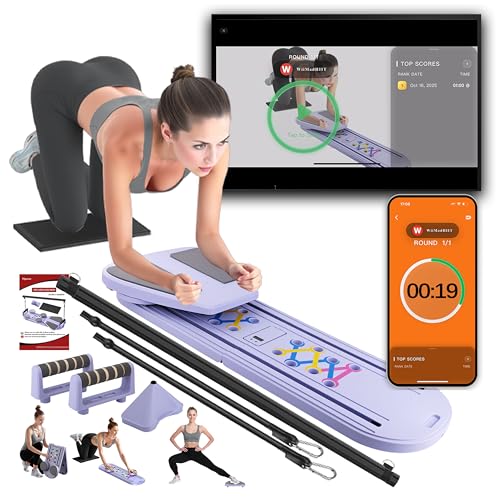
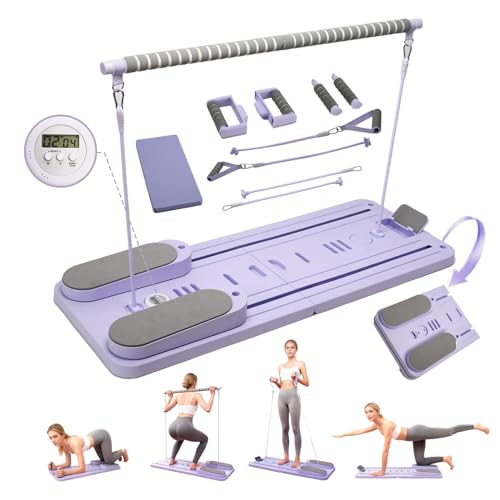
AMAZINGHOME Pilates Board (Includes a Set of 5 Resistance Bands) – Multi-Functional Pilates Reformer for Core & Abdominal Training, Top-Tier Pilates Equipment for Women’s Home Fitness(Light Purple)
Original price was: £34.99.£33.99Current price is: £33.99. *View On Amazon* - Pilates Reformers
Pilates Core Folding Bed Folding Pilates Contour Reformer Machine
£799.99 *View On Amazon* - Pilates Reformers
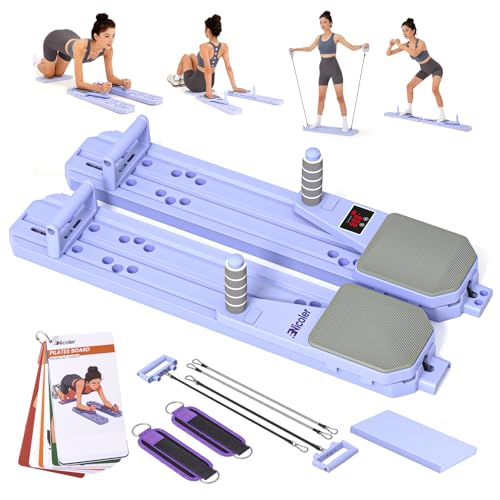
Foldable Pilates Reformer Board with Ab Roller, Ab Exercise Machine, Multi-Functional Pilates Board for Home Workouts, Full Body Pilates Core Trainer, Abdominal Board (Purple)
Original price was: £49.99.£39.99Current price is: £39.99. *View On Amazon* - Pilates Reformers
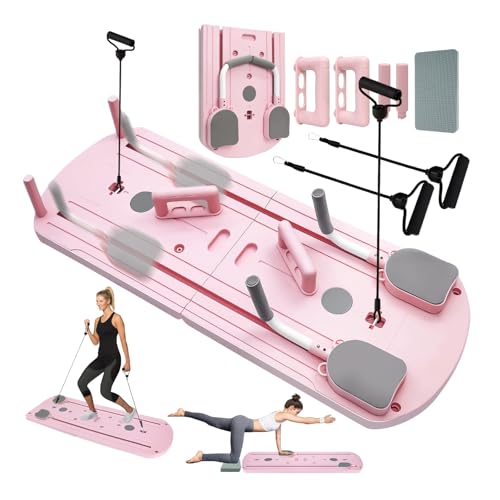
Portable Pilates Reformer Board – Multi-Purpose Foldable Home Gym Equipment for Core/Back/Arm/Leg Workouts, Fitness Gift (Purple)
Original price was: £57.90.£46.66Current price is: £46.66. *View On Amazon* - Pilates Reformers
FlexuraFit Upgraded Pilates Board Pilates Reformer Machine for Home Multifunctional Abdominal Trainer Automatic Rebound Ab Roller Wheel Training Board Full Body Workout Equipment
Original price was: £59.99.£49.99Current price is: £49.99. *View On Amazon* - Pilates Reformers
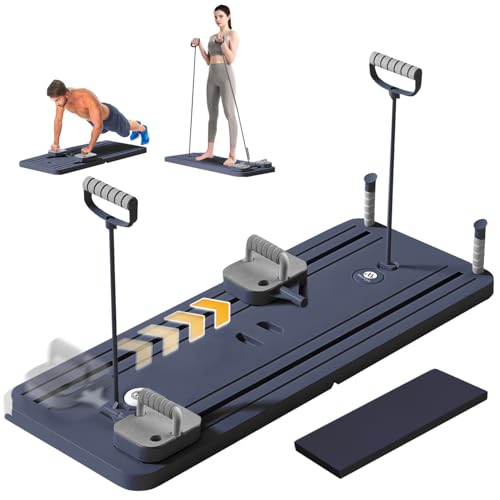
ARCHEXE Upgraded Pilates Reformer Board, Foldable 5 in 1 Pilates Machine, Multifunctional Full Body Workout Trainer Auto Rebound, Strength & Balance Ab Roller Training for Home & Gym (Black)
Original price was: £54.99.£46.99Current price is: £46.99. *View On Amazon* - Pilates Reformers
Professional Full-Body Pilates Reformer Board with Auto Rebound – Enhance Core & Ab Strength – Perfect for Men, Women, Home, & Gym Settings
Original price was: £39.99.£32.29Current price is: £32.29. *View On Amazon* - Pilates Reformers
Agrdeed Pilates Reformer Machine Set & Pilates Board Equipment, Pilates Board Upgraded Ab Roller Board, Multifunctional Pilates Reformer Board Set, Automatic Rebound Training Board for Home, Black
Original price was: £49.99.£47.49Current price is: £47.49. *View On Amazon*







What This Category Includes
This category includes full Pilates Reformers designed for controlled, guided movement along a set of rails. Most Reformers feature a carriage, adjustable resistance, straps, and a platform or footbar to support different positions. Some are built for home use with foldable designs, while others reflect studio-style frames with a greater range of carriage travel. Specifications vary — see individual product listings for details.
Key Functional Roles
Pilates Reformers provide a stable yet mobile platform that supports precise, flowing movement. The adjustable resistance encourages controlled muscle engagement without abrupt changes in tension. The structure of the machine helps sustain alignment during slow transitions, allowing you to focus on breath control, pacing, and balanced activation across the body.
Typical Use Scenarios
Reformers are widely used in Pilates studios for instructor-led sessions where alignment, control, and mindful pacing are emphasised. At home, many people use Reformers for low-impact, full-body routines that alternate between seated, supine, kneeling, and standing positions on the carriage. They also suit structured programmes where smooth movement and consistent resistance are central to the training style.
Buyer Considerations
When selecting a Pilates Reformer, consider the available space, frame length, and the type of resistance system used. Carriage travel, strap configuration, and footbar adjustability can influence how comfortably you perform different movements. Some Reformers are designed with portability in mind, while others prioritise stability and a studio-like feel. It is helpful to check product listings for information on dimensions, resistance options, and recommended usage environments.
Safety, Suitability & Best Practices
Use a Reformer on a flat, stable surface and ensure there is enough room around the frame for clear movement. Beginning with slower exercises can help you become familiar with how the carriage, straps, and resistance respond. Follow any setup or care information provided in individual listings, and keep the machine free from dust or objects that may interfere with smooth carriage travel.
Category Boundaries
Pilates Reformers cover large, carriage-based machines designed for structured, controlled Pilates movement. Smaller props such as rings, bands, and circles belong in Pilates Equipment. Items used to introduce instability, including Balance Boards, Core Balance Cushions, and Stability Balls, fall under Balance and Stability Equipment. Yoga Essentials covers mats and accessories for yoga-focused sessions. This ensures Reformers remain clearly defined as full-body apparatus rather than general support tools.
FAQs
Q: What makes a Pilates Reformer different from other Pilates equipment?
A: A Reformer uses a gliding carriage and adjustable resistance to guide smooth, full-body movements. This allows for a wide range of controlled exercises that feel distinct from mat-based routines or smaller props. Reformers support both gentle and progressive training styles.
Q: Do Pilates Reformers suit home use?
A: Many Reformers are designed for home environments, including compact or foldable frames. Larger models suit dedicated workout spaces. Checking dimensions and resistance options in the product listing can help you choose a model that fits your routine and available space.
Q: Is a Reformer suitable for beginners?
A: Beginners can use Reformers, especially when focusing on slow, alignment-aware movements. The guided carriage helps maintain smooth pacing. Starting with lower resistance often makes it easier to understand how the machine responds.
Q: How much space do I need for a Pilates Reformer?
A: Reformers vary in length and width, so checking dimensions is essential. Ensure you have room not only for the frame but also for stepping on and off comfortably. A clear area around the machine helps support smooth transitions.
Q: What types of resistance do Reformers use?
A: Reformers may use springs or other adjustable mechanisms to provide controlled resistance. The feel and tension can vary between designs. Individual product listings outline the specific resistance options available.
Practical Insights & Real-World Context
In structured Pilates training, Reformers help highlight how smoothly the body can move when supported by a guided carriage. Many experienced practitioners use the machine to refine pacing and maintain alignment through changing positions. At home, users often appreciate how the Reformer turns slow, mindful movement into a full-body session that feels consistent and controlled.
How This Category Fits Into Your Gear and Equipment
Within the wider Pilates Equipment structure, this category sits as one of the specialised areas focused on full-body apparatus designed for guided, controlled movement across a gliding carriage system.
 Getting ready for Summer? View our Home and Garden Products

Heading outdoors this winter? Take a look at our Outdoor Clothing.