
Pilates Rings and Magic Circles
Pilates Rings and Magic Circles are structured resistance tools designed to support controlled strength, alignment, and mindful movement in Pilates routines.
Pilates Rings and Magic Circles add focused resistance to movements, helping you work with precision and steady control. Their rigid frame and tensioned sides create a consistent feel that complements the pacing of Pilates practice. You can use them in home or studio settings for exercises involving the arms, legs, or torso. Specifications vary — see individual product listings for details.
- Pilates Rings and Magic Circles
Phoenix Fitness Pilates Ring – Double Handle Exercise Circle Fitness Magic Circle Resistance Ring Dual Grip for Yoga Core Training – 15 Inch (Pink)
Original price was: £11.99.£10.79Current price is: £10.79. *View On Amazon* - Pilates Rings and Magic Circles
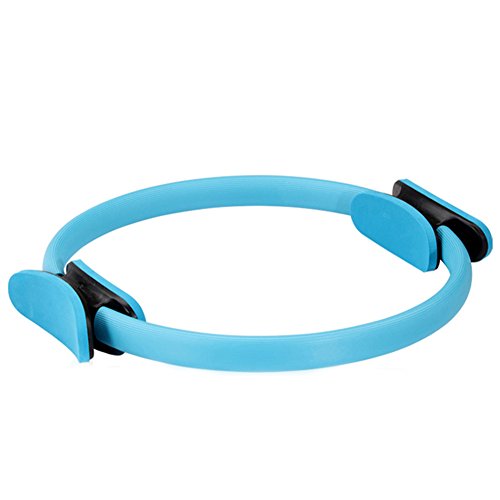
CampTeck U6933 Double Handled Pilates Ring Magic Circle – Yoga Gym Fitness Resistance Exercise Dual Grip – Purple
£11.59 *View On Amazon* - Pilates Rings and Magic Circles
SURFOU Pilates Ring 37cm with Dual Padded Handles, Exercise Fitness Circle for Thighs, Abs, and Legs, Improves Strength, Flexibility & Stability, Ideal for Yoga & Core Training
Original price was: £19.99.£10.07Current price is: £10.07. *View On Amazon* - Pilates Rings and Magic Circles
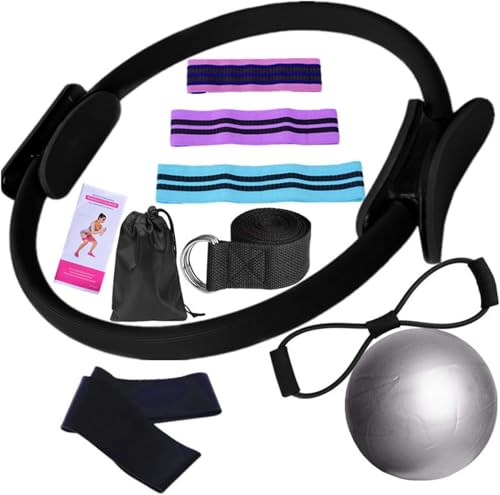
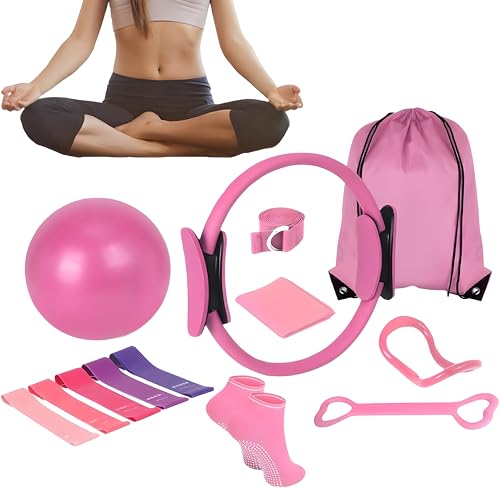
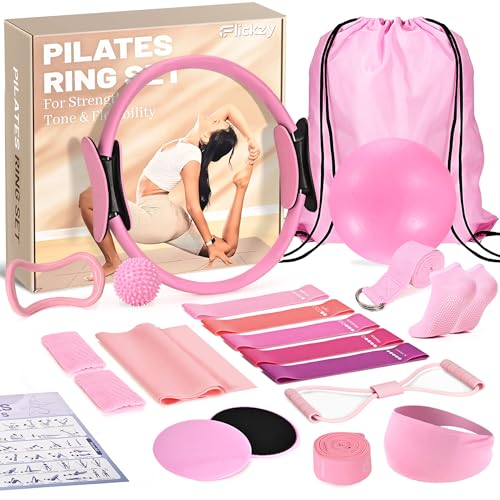
Pilates Equipment, Home pilates Kit for Women with 12" Pilates Ring and Ball Set, 3 Bands and Training Poster & Portable Bag Yoga Set, Pilates Starter Kit for Women Strength and Full Body Toning
Original price was: £23.99.£22.99Current price is: £22.99. *View On Amazon* - Pilates Rings and Magic Circles
HomDSim Pilates Ring Magic Circle Workout Exercise Fitness Circle Yoga Ring Thigh Toner Pilates Reformer
£12.96 *View On Amazon* - Pilates Rings and Magic Circles
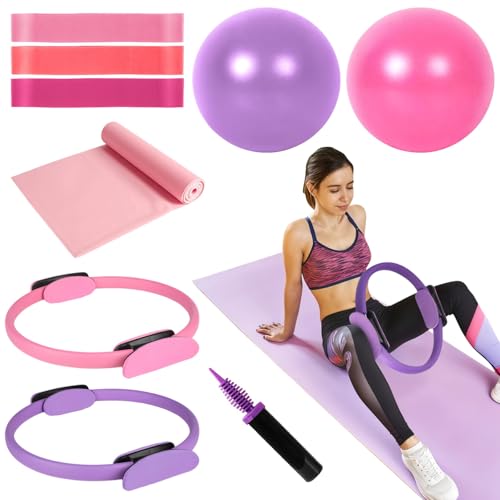
OMNIXOR Pilates Equipment 13 Piece Set, Pilates Ring (Magic Circle) with Dual Padded Handles, Mini Pilates Ball, Resistance Bands & Carry Bag, Pink Home Workout Kit for Women & Beginners
Original price was: £22.99.£21.99Current price is: £21.99. *View On Amazon* - Pilates Rings and Magic Circles
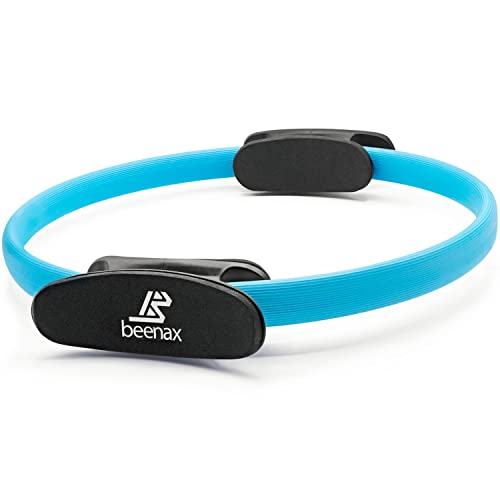
Beenax Pilates Ring – Double Handle Exercise Circle, Fitness Magic Circle – Perfect for Yoga, Core Training, Physical Therapy and Toning Thighs, Abs and Legs (Strong & Resistant) – 12” / 30cm
Original price was: £16.99.£14.44Current price is: £14.44. *View On Amazon* - Pilates Rings and Magic Circles
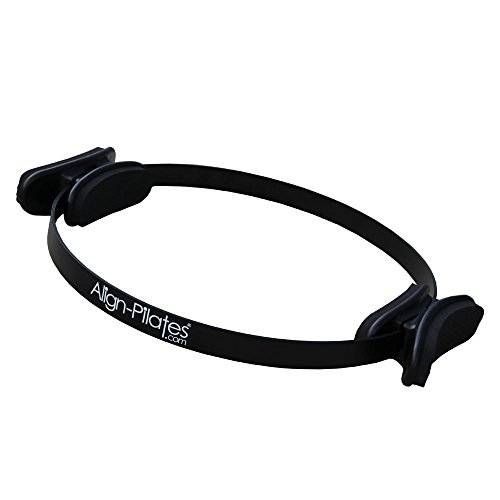
Align-Pilates Unisex's Pro Resistance Ring 12", Black
£48.00 *View On Amazon* - Pilates Rings and Magic Circles
BriskyM Pilates Ring Unbreakable Fitness Yoga Ring Power Resistance Exercise Circle for Shaping and Fitness (Red, 1)
£10.19 *View On Amazon*












What This Category Includes
This category includes Pilates Rings and Magic Circles designed to introduce structured resistance into controlled Pilates movements. Most rings feature a firm frame and cushioned pads to support comfortable hand or leg placement. Tension levels vary slightly between designs, and size may influence how the ring feels during different exercises. Specifications vary — see individual product listings for details.
Key Functional Roles
Pilates Rings provide subtle yet consistent resistance that encourages balanced muscular engagement. They support mindful pacing by allowing you to feel when pressure is applied evenly on both sides of the body. Many movements use the ring to highlight alignment, helping you maintain focus on smooth transitions rather than maximum force.
Typical Use Scenarios
At home, Pilates Rings are often used during mat sessions to add focus to arm or leg movements. In studio classes, instructors integrate rings into sequences to help reinforce symmetry or increase resistance during slow, controlled exercises. Rings also suit compact spaces because they require minimal room and can be used while seated, standing, or lying on the mat.
Buyer Considerations
When choosing a Pilates Ring or Magic Circle, consider the firmness of the frame and the feel of the cushioning pads. Some rings offer slightly softer resistance, while others feel firmer and more structured. Size may influence comfort depending on how you intend to position the ring. Check individual product listings for details on materials, dimensions, and recommended use.
Safety, Suitability & Best Practices
Use rings in a clear space where you can move freely without obstruction. Begin with slow, controlled movements to understand how the ring responds to pressure. Keep the ring away from heat and sharp objects, and store it flat or upright according to the guidance provided in individual listings. Maintain steady breathing and smooth pacing throughout each movement.
Category Boundaries
Pilates Rings and Magic Circles are structured resistance tools specific to Pilates. Flexible tension tools such as Pilates Resistance Bands belong in their own category, while larger apparatus like Pilates Reformers sits separately. Balance and Stability Equipment, including Stability Balls and cushions, focuses on instability rather than structured resistance. Yoga Essentials covers mats and props for yoga-based practice.
FAQs
Q: How firm should a Pilates Ring feel?
A: Firmness varies between designs, but most rings provide stable, structured resistance that suits controlled movements. Checking the product listing helps you understand the specific feel of each ring.
Q: Are Pilates Rings suitable for beginners?
A: Yes. Many beginners use rings to help focus on alignment and balanced engagement. Starting with gentle pressure allows you to explore movements comfortably.
Q: What is the difference between a Magic Circle and a Pilates Ring?
A: These terms are often used interchangeably. Both describe structured rings that provide push-based resistance for mindful movement within Pilates routines.
Q: Can I use a Pilates Ring in a small space?
A: Yes. Rings require minimal space and can be used in seated, standing, or floor-based exercises. Their compact size makes them suitable for home practice.
Q: Do Pilates Rings come in different sizes?
A: Yes. Size can affect comfort and the feel of movements. Product listings provide exact dimensions so you can select a size that suits your routine.
Practical Insights & Real-World Context
Pilates Rings are often used to highlight how evenly you apply pressure during an exercise, which helps refine alignment and balance. Instructors use them to encourage smooth pacing through transitions and to draw attention to subtle muscle engagement. At home, rings are valued for their versatility and the way they make controlled movements feel more intentional without requiring heavy equipment.
How This Category Fits Into Your Gear and Equipment
Within the wider Pilates Equipment structure, this category sits as one of the specialised areas dedicated to structured resistance tools used to support controlled, alignment-focused movement in Pilates training.
 Getting ready for Summer? View our Home and Garden Products

Heading outdoors this winter? Take a look at our Outdoor Clothing.