
Blenders
Blenders are kitchen appliances designed to mix, puree, crush and blend ingredients into smoother textures. They are ideal for anyone who wants to make smoothies, soups, sauces, dips, milkshakes, baby food, protein drinks, crushed ice drinks or quick everyday recipes with less manual effort.
A good blender can make food preparation quicker and more convenient, especially if you regularly use fruit, vegetables, liquids, nuts, seeds or cooked ingredients. The right choice depends on capacity, motor power, jug design, blade type, speed settings, cleaning ease and how often you plan to use it.
- Blenders
Ninja 700W Slim Blender and Smoothie Maker, 2 x 470ml Cups, Silver Black QB3001UKS
Original price was: £59.99.£49.99Current price is: £49.99. *View On Amazon* - Blenders
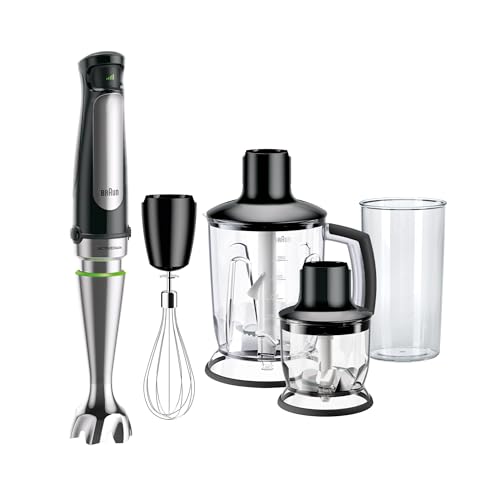
Braun MultiQuick 7 MQ7045 Hand Blender with ActiveBlade System and EasyClick Plus System
Original price was: £113.99.£95.73Current price is: £95.73. *View On Amazon* - Blenders
GEEPAS 2 in 1 Food Jug Blender with Juice Jar and Mini Coffee Spice Mill
Original price was: £20.57.£16.99Current price is: £16.99. *View On Amazon* - Blenders
Andrew James 5 in 1 Hand Blender Set
Original price was: £32.99.£25.49Current price is: £25.49. *View On Amazon* - Blenders
Ninja Blast Max Portable Blender 570ml Cool Grey BC251EUGY
Original price was: £89.99.£79.99Current price is: £79.99. *View On Amazon* - Blenders
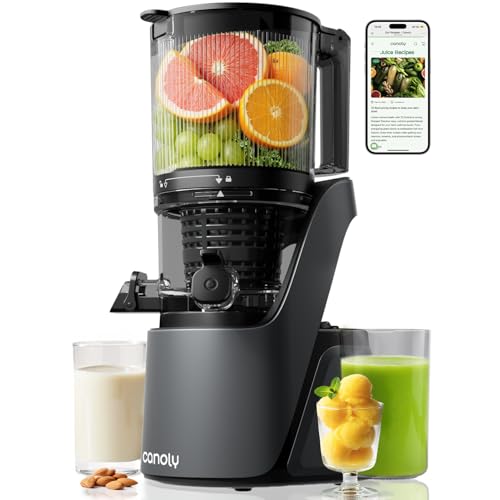
Canoly C16 Juicer Machine, 150 mm Large Feed Chute, 2.6 L Hopper, Space Gray
Original price was: £149.99.£123.49Current price is: £123.49. *View On Amazon* - Blenders
Philips Blender 3000 Series HR2041/01 Black
Original price was: £34.99.£24.99Current price is: £24.99. *View On Amazon* - Blenders
Braun MultiQuick Pro 5 MQ 55001 M Hand Blender
Original price was: £69.99.£55.55Current price is: £55.55. *View On Amazon* - Blenders
FRESKO Stainless Steel Hand Blender, 1200W Electric Stick Blender with 12 Speed and Turbo Mode, Heavy Duty Copper Motor, 700ml Beaker for Baby Food, Smoothies, Soup, BPA Free
Original price was: £29.99.£26.99Current price is: £26.99. *View On Amazon*










How to Choose the Right Blender
Start by thinking about what you want to make most often. If you mainly make smoothies and shakes, a personal blender or compact jug blender may be enough. If you want to make soups, sauces, larger batches or tougher mixtures, a full size blender with more capacity may be more practical.
Capacity is one of the most important things to check. A smaller cup or jug can suit one person, quick drinks and limited kitchen space. A larger jug is better for families, batch cooking or recipes where ingredients need more room to move around properly.
What Matters Most When Comparing Blenders
The main things to compare are jug capacity, motor power, blade design, speed settings, pulse function, material, cleaning method, noise level and storage size. These details affect how easy the blender is to use and what ingredients it can handle.
Power matters when blending tougher ingredients such as frozen fruit, ice, nuts or thick mixtures. However, the most powerful option is not always the best choice for every kitchen. If you only need simple smoothies or soft ingredients, ease of use and cleaning may matter more than maximum power.
Personal Blender or Jug Blender?
A personal blender is usually best for single drinks, protein shakes and quick smoothies. It often comes with a blending cup that can be taken with you, which makes it convenient for busy mornings and smaller kitchens.
A jug blender is better for larger quantities, shared drinks, soups, sauces and family use. It gives more room for ingredients and can be easier when making several portions at once.
The trade off is convenience versus capacity. Personal blenders are compact and simple, while jug blenders are more versatile for larger recipes and batch preparation.
Blender or Food Processor?
A blender is usually better for liquids and smooth textures. It is well suited to smoothies, soups, sauces, purees and drinks where ingredients need to be blended together evenly.
A food processor is usually better for chopping, slicing, grating, mixing dough or handling drier ingredients. It can be more versatile for prep work, but it is not always as effective for smooth drinks and liquid based recipes.
The trade off is texture and task. Choose a blender if you want smooth results from wet ingredients. Choose a food processor if you need more chopping and slicing functions.
Smoothies, Soups and Hot Ingredients
If smoothies are your main use, look at whether the blender can handle frozen fruit, ice and thicker drinks. A pulse function and strong blades can help with ingredients that need a little extra movement at the start.
For soups and warm ingredients, check the product guidance carefully. Not every blender is suitable for hot liquids, and some may need ingredients to cool before blending. If soup making is important, choose a blender that is clearly suitable for the way you plan to use it.
Cleaning, Storage and Everyday Use
A good blender should be easy to clean because it will often be used with sticky, thick or colourful ingredients. Look at whether the jug, lid, blade parts or cups are easy to remove and wash.
Storage also matters. Full size blenders can take up worktop or cupboard space, while personal blenders are usually easier to store. If the blender will stay on the counter, check the height, cable position and whether it fits comfortably under kitchen cupboards.
Find a Blender That Suits Your Kitchen
Browse our range of blenders and compare options by capacity, power, jug type, speed settings, cleaning ease and intended use. Choose a blender that suits your kitchen space, the recipes you make most often and the level of convenience you want from everyday food preparation.
Blenders FAQs
What is a blender used for?
A blender is used for mixing, pureeing and blending ingredients into smoother textures. It is commonly used for smoothies, soups, sauces, dips, shakes, baby food and blended drinks.
What should I check before buying a blender?
Check the capacity, motor power, blade design, speed settings, pulse function, jug material, cleaning method, noise level and whether the blender suits the recipes you want to make.
Is a personal blender worth buying?
A personal blender is worth considering if you mainly make single smoothies, shakes or drinks. It is compact, easy to use and often suits smaller kitchens or busy routines.
Is a jug blender better than a personal blender?
A jug blender is better for larger recipes, family use, soups, sauces and batch preparation. A personal blender is better for quick single portions and easier storage.
Can blenders crush ice?
Some blenders can crush ice, but not all are designed for it. Check the product details before buying if you want to blend ice, frozen fruit or thick frozen drinks.
Can I blend hot soup in a blender?
Some blenders can handle warm or hot ingredients, while others cannot. Always check the product guidance before blending hot soup or cooked ingredients.
What is the difference between a blender and a food processor?
A blender is usually better for liquids and smooth textures. A food processor is usually better for chopping, slicing, grating and drier food preparation tasks.
Are glass blender jugs better than plastic jugs?
Glass jugs can feel sturdy and may resist staining well, while plastic jugs are often lighter and easier to handle. The better choice depends on weight, durability and how you plan to use the blender.
Are blenders easy to clean?
Many blenders are easy to clean if the jug, lid and blade area can be rinsed properly. Cleaning ease depends on the design, removable parts and the ingredients used.
What size blender do I need?
Choose the size based on how much you usually make. A small blender suits single drinks, while a larger jug blender is better for families, batch cooking and bigger recipes.
Do blenders need much maintenance?
Blenders need basic care such as cleaning after use, checking seals, keeping the blade area clear and storing the appliance safely. Always follow the product guidance for safe use and maintenance.
Learn more with our Blenders Buyers Guide
 Getting ready for Summer? View our Home and Garden Products

Heading outdoors this winter? Take a look at our Outdoor Clothing.