BUYERS GUIDE
Blenders Buyers Guide
Blenders are kitchen appliances designed to mix, blend and process ingredients into smoother textures. They are often used for smoothies, soups, sauces, shakes, dips, crushed ice style drinks where suitable, baby food style preparation and everyday kitchen prep.
This guide helps you choose the right blender by explaining the practical details that matter before buying. The right choice depends on what you want to make, how often you will use it, how much capacity you need, how easy it is to clean and whether the design suits your kitchen space.
A compact personal blender may suit quick smoothies for one person, while a larger jug blender may suit family use, batch prep and more varied recipes. A hand blender may be useful for soups and sauces, but it is not the same as a countertop jug blender.
Specifications vary by model, so always check the individual product page before buying.
Quick Answer
The right Blender is the one that suits the food and drink you make most often. For smoothies and shakes, capacity, blade design, cup or jug size and cleaning ease matter. For soups, sauces and batch prep, a larger jug or suitable hand blender may be more practical. Before buying, check capacity, power information, speed settings, jug material, blade suitability, cleaning guidance, accessories and product page details.
Quick Product Comparison Framework
| Feature | What It Means | Why It Matters | What To Check |
|---|---|---|---|
| Blender type | Jug blender, personal blender, hand blender or multi function blender | Different types suit different tasks | Match the blender to your usual use |
| Capacity | How much the jug, cup or blending container can hold | Too small may mean repeated batches | Check stated capacity and usable working space |
| Power information | The motor rating or power details listed for the model | More demanding ingredients may need a suitable motor | Check product specifications |
| Blade design | The blade shape and arrangement | Affects how ingredients are pulled into the blend | Check intended use on the product page |
| Speed settings | Fixed speeds, variable speeds or pulse modes where included | More control can help with different textures | Check available controls |
| Jug or cup material | Plastic, glass or other material where stated | Affects weight, durability and cleaning | Check material details before buying |
| Hot or cold use | Whether the blender is suitable for hot ingredients if stated | Not all blenders are suitable for hot liquids | Check product guidance carefully |
| Ice and frozen fruit suitability | Whether the blender is intended for tougher ingredients | Some models may not suit ice or frozen ingredients | Only rely on product page claims |
| Cleaning | How easy the jug, cup, lid and blades are to clean | Cleaning affects everyday use | Check removable parts and care guidance |
| Accessories | Extra cups, lids, whisk attachments or choppers where supplied | Accessories may improve versatility | Check what is included and compatible |
| Kitchen space | Worktop and storage space needed | Larger blenders can take up more room | Check dimensions before buying |
| Noise | Blenders can be loud during use | Important in shared homes and open plan kitchens | Consider where and when it will be used |
Key Decision Criteria Explained
Blender Type
The first decision is the type of blender you need. A jug blender is usually a countertop appliance with a larger container, making it useful for smoothies, sauces, soups where suitable and batch preparation.
A personal blender is usually smaller and often blends directly into a cup or bottle. This may suit one person, quick smoothies and simple daily use.
A hand blender is held in the hand and used directly in a pan, bowl or jug. It can be useful for soups, sauces and softer mixtures, but it may not suit the same tasks as a full jug blender.
Think about what you actually make most often. The best blender type is the one that fits your normal routine.
Capacity And Household Size
Capacity matters because it affects how much you can blend at once. A small personal blender may be ideal for one smoothie, but it may feel limiting if you are making drinks for several people.
A larger jug blender may suit families, batch cooking or meal prep. The trade off is that bigger jugs can take up more space and may be heavier to lift, pour and clean.
Do not choose by stated capacity alone. Think about usable capacity, ingredients expanding during blending and how much you realistically prepare at one time.
Power And Ingredient Suitability
Power information can help buyers compare models, but it should not be treated as the only quality signal. Ingredient type matters too. Soft fruit, protein shakes and sauces are usually less demanding than frozen fruit, ice, nuts or thick mixtures.
If you want to blend tougher ingredients, check the product page carefully for suitability. Do not assume every blender can handle ice, frozen fruit or thick mixtures.
Specifications vary by model, so always check the individual product page before buying.
Blade Design And Blending Performance
Blades are central to how a blender works, but buyers should avoid guessing performance from appearance alone. Blade shape, container design, speed settings and ingredient order can all affect the result.
Some blenders may be designed mainly for drinks. Others may suit sauces, dips or thicker mixtures where stated. A hand blender blade may suit soups and softer foods, while a jug blender may be better for larger volumes.
Check the intended uses listed on the product page rather than assuming all blenders perform the same jobs.
Speed Settings And Pulse Control
Speed settings give you more control over texture. A simple one speed blender may be fine for basic smoothies, while variable speed settings or pulse mode can help with chunkier textures, thicker mixtures or more controlled blending.
Pulse mode can be useful when you want short bursts rather than constant blending. Digital programmes may be convenient where included, but they are only useful if they match the foods you actually prepare.
Choose controls that feel practical, not complicated for the sake of it.
Jug, Cup And Lid Design
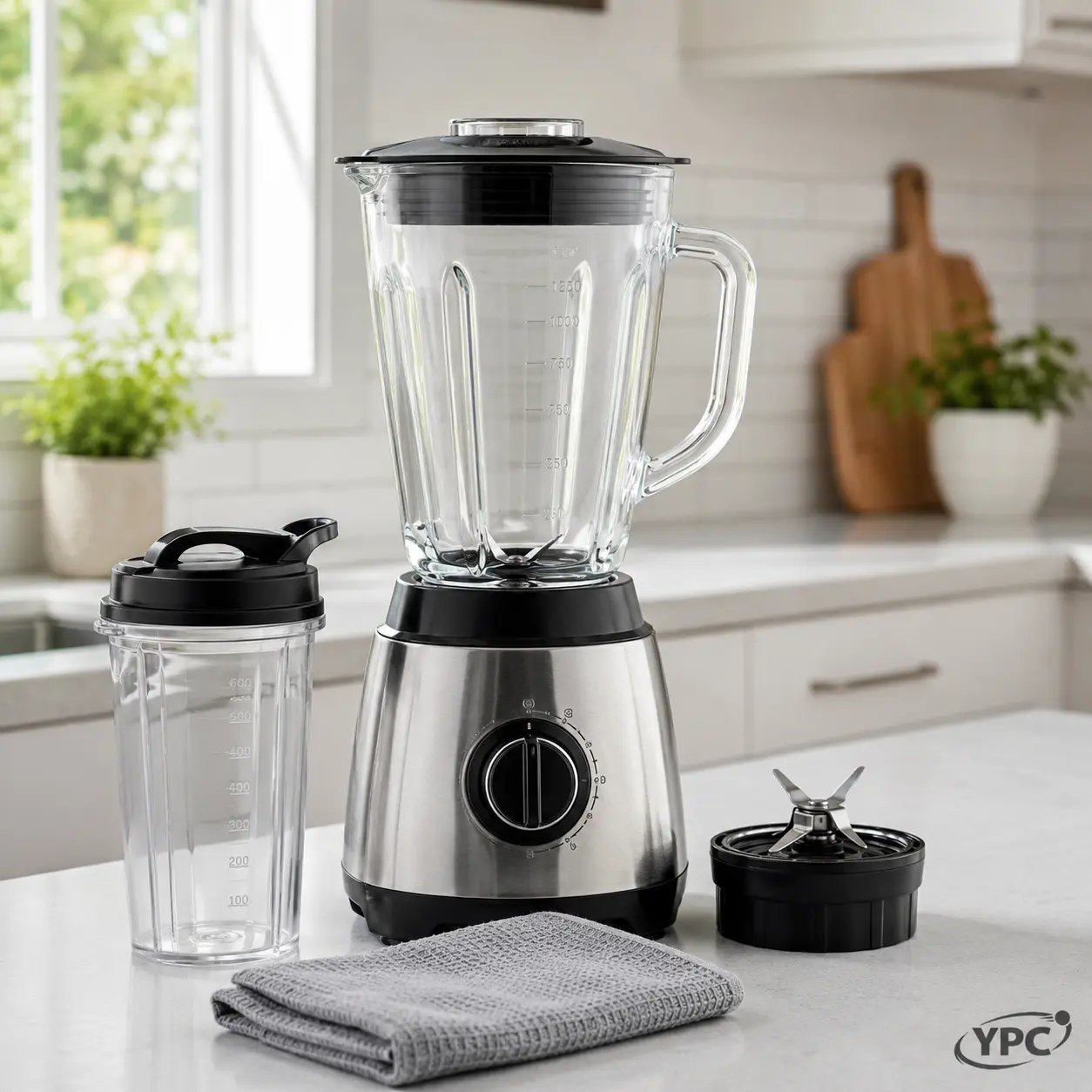
The container design affects everyday use. A large jug can be useful for family portions, but it should also be easy to lift, pour and clean. A personal blending cup may be convenient for drinks on the go, if travel lids are included.
Lids matter more than people expect. A secure lid helps reduce mess. A pouring spout, measuring marks or removable centre cap may be useful where supplied, but do not assume these are included.
Check the product images and specification details carefully.
Glass Versus Plastic Jugs
Some blenders use glass jugs, while others use plastic or other materials. Glass may feel sturdy and can be easier to judge for staining, but it can be heavier. Plastic may be lighter and easier to handle, but material quality and care guidance vary by model.
Neither is automatically better for every buyer. The right choice depends on weight, cleaning, storage, durability expectations and what the product page states.
Hot Ingredients And Soup Use
Some buyers want a blender for soups. This needs care because not every blender is suitable for hot liquids. Some models may handle warm or hot ingredients if stated, while others may not.
Hand blenders are often used for soups directly in a pan or container, but suitability still depends on the model and instructions.
Always check the product page and product guidance before blending hot ingredients.
Cleaning And Everyday Convenience
Cleaning is one of the biggest reasons a blender either gets used often or sits in a cupboard. A blender that is awkward to clean can quickly become frustrating.
Check whether parts are removable, how the blades are accessed and whether any parts are dishwasher safe if stated. Narrow cups, fixed blades and complex lids may need more careful cleaning.
If you plan to use the blender daily, cleaning should be a major buying factor.
Product Type Differentiation And Variants

Jug Blenders
Jug blenders are countertop appliances with a larger blending jug. They may suit smoothies, sauces, soups where suitable, family portions and batch preparation.
The limitation is size. A jug blender can take up more worktop or cupboard space and may be heavier to clean than a smaller blender.
Personal Blenders
Personal blenders are compact models often designed for single portions. Some blend directly into a cup or bottle, depending on the model.
They may suit busy mornings, gym drinks, single person households and simple smoothies. The limitation is capacity, as they may not suit larger batches or family use.
Hand Blenders
Hand blenders are stick style appliances used in a jug, bowl or pan. They can be useful for soups, sauces and soft mixtures.
The limitation is that they may not suit the same tasks as a jug blender. They can also create splashes if used carelessly or in unsuitable containers.
Multi Function Blenders
Some blenders include extra attachments such as chopping bowls, whisks, grinding cups or extra containers where stated.
These may suit buyers who want one appliance for several kitchen prep jobs. The limitation is that extra accessories need storage and may add cleaning time.
High Capacity Blenders
High capacity blenders may suit families, batch cooking and people who make larger quantities at once.
The limitation is that large jugs can be bulky, heavier and more awkward to store. Check dimensions and weight where listed.
Compact Blenders
Compact blenders may suit small kitchens, limited worktop space, student kitchens or occasional use.
The limitation is that capacity and power suitability may be more limited. They may not suit heavy use or larger households.
Specifications vary by model, so always check the individual product page before buying.
Suitability By Buyer Type Or Need
| Buyer Type Or Need | What To Prioritise | What To Be Careful About |
|---|---|---|
| Smoothie drinker | Cup size, blade suitability and easy cleaning | Check frozen fruit suitability if needed |
| Family kitchen | Larger capacity and strong everyday practicality | Small models may need repeated batches |
| Single person household | Compact size and simple controls | Avoid buying more capacity than needed |
| Soup maker | Hot liquid suitability or suitable hand blender design | Not every blender suits hot ingredients |
| Small kitchen | Compact footprint and easy storage | Check dimensions before buying |
| Batch prep buyer | Jug capacity and pouring ease | Larger jugs may be heavier to clean |
| Fitness user | Personal cup design and cleaning ease | Check included lids and cup capacity |
| Sauce and dip maker | Control settings and suitable blade design | Thick mixtures may need careful suitability checks |
| Buyer wanting versatility | Accessories and attachments where included | Extra parts need storage and cleaning |
| Occasional user | Simple controls and easy storage | Avoid paying for features you will not use |
Common Mistakes And Misunderstandings
Assuming Every Blender Does The Same Job
Blenders can look similar but suit different tasks. A personal blender, jug blender and hand blender are not automatically interchangeable.
Choose the blender type around what you make most often.
Buying Too Small For Family Use
A small blender can be convenient, but it may be frustrating if you regularly make several portions. Cooking or drink prep becomes slower when you have to blend in repeated batches.
Check capacity before buying.
Ignoring Cleaning
A blender that is hard to clean may not be used often. Lids, blades, seals and narrow containers can all affect cleaning time.
Check care guidance and removable parts before buying.
Assuming It Can Crush Ice
Not every blender is suitable for ice or frozen ingredients. Using a blender for ingredients it is not designed for may damage the appliance or give poor results.
Only rely on ice or frozen ingredient claims shown on the product page.
Using Hot Liquids Without Checking Suitability
Hot liquids can create pressure, steam and splashing risks in unsuitable blenders. Some models may not be designed for hot ingredients.
Always check the product guidance before blending soups or warm mixtures.
Choosing By Power Alone
Motor power can be useful information, but it does not tell the whole story. Container shape, blade design, controls and intended use all matter.
Use power as one comparison point, not the only reason to buy.
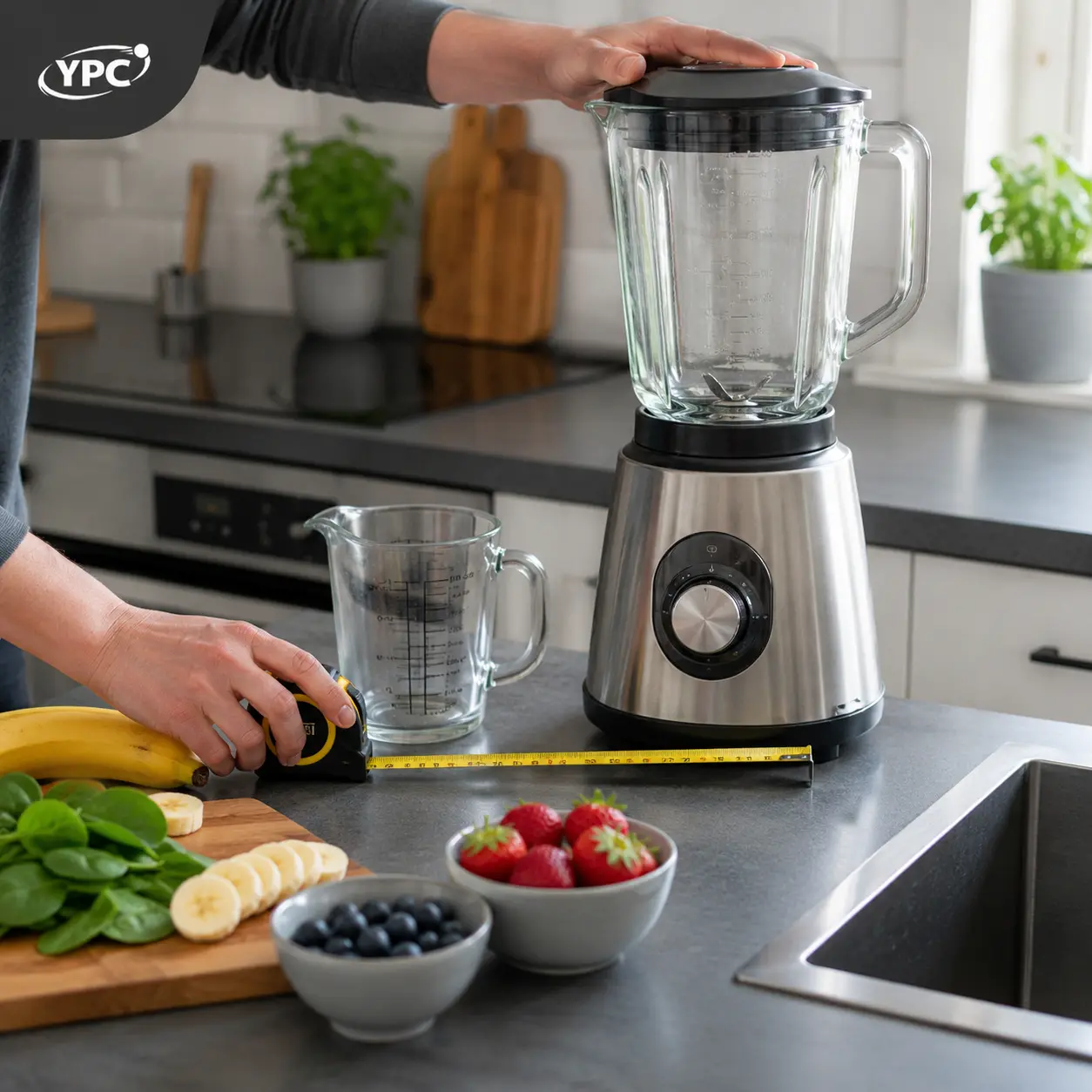
Forgetting About Storage
Blenders can be taller or wider than expected. Jugs, cups, lids and attachments also need space.
Measure your cupboard or worktop before buying.
Assuming Accessories Are Universal
Extra cups, lids, blades and attachments may not fit other blender models. Even similar looking accessories can be incompatible.
Only choose accessories that are listed as suitable for the model.
Safety And Suitability Caveats
Blenders should be used only as intended and in line with the manufacturer’s instructions. Blades are sharp, so take care when handling, cleaning or assembling parts.
Do not overfill the jug or cup beyond the product guidance. Make sure lids and attachments are fitted correctly before use. Do not blend hot liquids unless the product information clearly states that the model is suitable.
Do not modify, dismantle or attempt to repair a blender. If the appliance appears damaged, leaks, smells unusual or seems unsafe, stop using it and follow the product information.
Always check the individual product page for capacity, power information, jug material, accessories, hot liquid suitability, cleaning guidance and intended use before buying.
Maintenance, Storage And Lifespan Considerations
Blenders need regular cleaning to stay hygienic and practical. Rinse cups, jugs and lids soon after use where appropriate, because dried food residue can be harder to remove later.
Check seals, lids and blade areas regularly for trapped food or wear. If removable parts are dishwasher safe, that should be stated on the product page or product guidance. Otherwise, follow the cleaning instructions supplied with the model.
Store blades and accessories safely. Keep cups, lids and attachments together so parts are not lost. If the blender is stored in a cupboard, make sure it is clean and dry first.
The lifespan of a blender depends on model, ingredients used, frequency of use, cleaning and how carefully it is handled.
How To Compare Models Efficiently
- Decide what you will blend most often.
- Choose the right blender type.
- Check capacity against your household needs.
- Compare power information and ingredient suitability.
- Check speed settings and pulse control.
- Review jug or cup material.
- Check whether hot ingredients are suitable if needed.
- Look at cleaning guidance and removable parts.
- Check accessories and compatibility.
- Read the individual product page before buying.
Summary Buyer Decision Checklist
Before buying Blenders, check the following:
| Buying Check | Why It Matters |
|---|---|
| Blender type | Different types suit different kitchen tasks |
| Capacity | The jug or cup should match portion needs |
| Power information | Helps compare suitability for ingredients |
| Blade design | Affects blending style and intended use |
| Speed settings | Gives control over texture |
| Hot liquid suitability | Important for soups and warm mixtures |
| Jug or cup material | Affects weight, cleaning and handling |
| Cleaning guidance | Daily use depends on easy cleaning |
| Accessories | Check what is included and compatible |
| Kitchen space | Blenders and attachments need storage |
| Food habits | Choose around what you actually make |
| Product page details | Specifications vary by model |
Frequently Asked Questions
A jug blender or personal blender may suit smoothies, depending on how many portions you make. Personal blenders are convenient for single servings, while jug blenders may suit families or larger batches. Check capacity and frozen fruit suitability if that matters to you.
No. Not every blender is designed for ice. Check the individual product page before using a blender with ice or frozen ingredients. If ice crushing is important, choose a model that clearly supports that use.
Not always. Glass may feel sturdy but can be heavier, while plastic may be lighter and easier to handle. The better choice depends on your kitchen routine, cleaning preferences and the product details.
Only if the blender is suitable for hot ingredients according to the product information. Some blenders are not designed for hot liquids. A hand blender may be useful for soups, but suitability still varies by model.
Families usually benefit from a larger jug or higher capacity model, but the exact size depends on portion needs and storage space. Check capacity and dimensions before buying. A small blender may mean preparing drinks or food in batches.
Personal blenders can be very useful for single servings, quick smoothies and smaller kitchens. They may be less suitable for batch cooking, large families or thick mixtures. They work best when their capacity matches your routine.
A blender is usually designed for liquids, smoothies, sauces and smoother textures. A food processor is usually designed for chopping, slicing, grating or heavier food prep, depending on the model. They are different product types, so compare the right category for your task.
No. Cups, lids, blades and attachments vary by brand and model. Do not assume accessories will fit unless they are clearly listed as compatible.
Cleaning ease varies by model. Removable blades, wide jugs and dishwasher safe parts where stated can make cleaning easier. Check care guidance before buying, especially for daily use.
Check dimensions, storage space, cable storage, cup or jug size and how many accessories are included. A compact blender may suit a small kitchen better than a larger jug model.