
Electric Toothbrushes
Electric toothbrushes are powered toothbrushes designed to clean teeth using rapid brushing movements from an electric motor. They are ideal for anyone who wants a more consistent brushing routine, easier plaque removal support and helpful features such as timers, pressure sensors and brushing modes.
A good electric toothbrush can make everyday oral care feel simpler, especially if you find manual brushing inconsistent or tend to brush too hard, too quickly or not for long enough. The right choice depends on brush head type, cleaning action, battery life, pressure control, timer features, replacement brush heads and whether the toothbrush suits adults, children or travel use.
- Electric Toothbrushes
Aucma Stand Mixer 6.2L 1400W Tilt Head Electric Kitchen Mixer
£115.99 *View On Amazon* - Electric Toothbrushes
Oral B Pro Sensitive Clean Original Electric Toothbrush Head, X Shaped Extra Soft Bristles, Pack of 12, White
Original price was: £49.99.£24.68Current price is: £24.68. *View On Amazon* - Electric Toothbrushes
MySmile LP221 UVC Sterilizable Cordless Water Flosser 335ml Midnight Black
£60.99 *View On Amazon* - Electric Toothbrushes
Philips Sonicare 3 Series Gum Health HX6631/96 Adult Sonic Grey Electric Toothbrush
£41.71 *View On Amazon* - Electric Toothbrushes
Oral-B Complete Deep Clean Battery Powered Electric Toothbrush 1ct, Color may vary
£19.46 *View On Amazon* - Electric Toothbrushes
Oral-B iO9 Electric Toothbrush for Adults, App Connected Handle, Charging Travel Case and Magnetic Pouch, 7 Modes, 2 Pin Plug, Special Edition
Original price was: £500.00.£200.00Current price is: £200.00. *View On Amazon* - Electric Toothbrushes
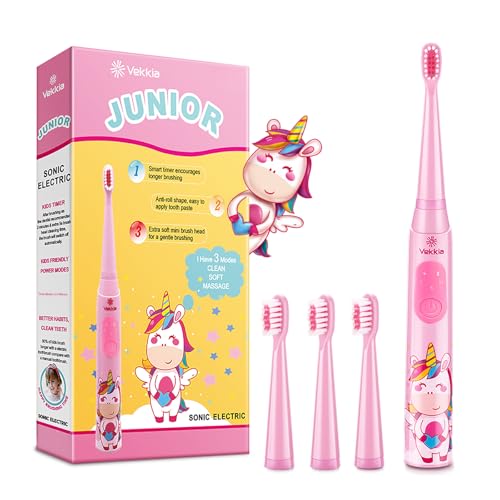
Vekkia Sonic Rechargeable Kids Electric Toothbrush, Pink
£15.99 *View On Amazon* - Electric Toothbrushes
Philips Sonicare C3 Premium Plaque Defence Genuine Replacement Toothbrush Heads Black 4 Pack HX9044/88
Original price was: £49.99.£37.99Current price is: £37.99. *View On Amazon* - Electric Toothbrushes
GUM Sonic Daily Battery Operated Electric Sonic Toothbrush Black with 2 Spare Brush Heads and Battery
£22.39 *View On Amazon* - Electric Toothbrushes
Marchpower 3 in 1 Sonic Electric Toothbrush with Water Flosser, 46 Degree Sweep Vibration Combo, IPX7 Adult Portable Irrigator Set, 3 plus 4 Cleaning Modes, 155ml Magnetic Water Tank, 2 Replacement Brush Heads
Original price was: £64.59.£46.99Current price is: £46.99. *View On Amazon* - Electric Toothbrushes
FUMEIKANG Electric Toothbrush for Children from 3 to 12 Years Purple
£39.99 *View On Amazon* - Electric Toothbrushes
Oral-B iO3 Electric Toothbrush Adults Blue with 5 Toothbrush Heads and 3 Modes
£80.10 *View On Amazon* - Electric Toothbrushes
Laifen Wave Electric Toothbrush with 3 Brush Heads, IPX7 Waterproof, Stainless Steel
Original price was: £99.99.£64.99Current price is: £64.99. *View On Amazon* - Electric Toothbrushes
Philips Sonicare W2 Optimal White Genuine Replacement Toothbrush Heads White 4 Pack HX6064/87
£34.99 *View On Amazon* - Electric Toothbrushes
Black & Pink Electric Toothbrush for Adults, 2 Pack, USB Rechargeable Sonic Toothbrush with 12 Brush Heads, Smart Timer, 6 Modes
Original price was: £21.50.£19.86Current price is: £19.86. *View On Amazon* - Electric Toothbrushes
Spotlight Oral Care Sonic Toothbrush Replacement Heads 3 Pack
Original price was: £29.95.£21.50Current price is: £21.50. *View On Amazon*


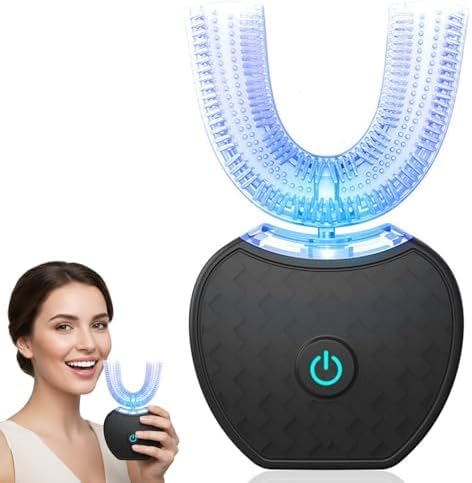




How to Choose the Right Electric Toothbrush
Start by thinking about who will use the toothbrush and what features matter most. A simple rechargeable electric toothbrush may be enough for everyday brushing, while a more advanced model may include multiple cleaning modes, smart features, pressure sensors or app connectivity.
Brush head availability is one of the most important buying factors. Electric toothbrushes need replacement heads, so check whether compatible heads are easy to find and whether the brush head style suits your mouth, gums and brushing routine.
What Matters Most When Comparing Electric Toothbrushes
The main things to compare are cleaning action, brush head shape, battery life, charging method, timer, pressure sensor, brushing modes, handle comfort, waterproof design and replacement head cost.
A built in timer can help you brush for the recommended time, while a pressure sensor can warn you if you are pressing too hard. These features can be useful if you want a more guided brushing routine without having to think about every detail.
Oscillating or Sonic Electric Toothbrush?
An oscillating electric toothbrush usually uses a small round brush head that rotates or pulses to clean each tooth. It can feel precise and controlled, especially around individual teeth and gumlines.
A sonic electric toothbrush usually uses a longer brush head with high speed vibrations. It can feel more like a traditional toothbrush shape while still providing powered cleaning movement.
The trade off is brushing feel and preference. Some people prefer the smaller round head of an oscillating brush, while others prefer the familiar shape and sweeping feel of a sonic brush. The best choice is the one you will use properly every day.
Electric Toothbrush or Manual Toothbrush?
An electric toothbrush can be useful if you want help with timing, brushing consistency and reducing the effort needed to clean each area of the mouth. It may also suit people who struggle with manual brushing technique or hand movement.
A manual toothbrush can still be effective when used correctly, and it is cheaper, lighter and easier to replace. The trade off is guidance and consistency. Electric toothbrushes offer built in support features, while manual toothbrushes rely more on your brushing technique.
Pressure Sensors, Timers and Brushing Modes
Pressure sensors are useful because brushing too hard can feel thorough but may be unhelpful for gums and enamel over time. A sensor can remind you to reduce pressure and let the brush do more of the work.
Timers help keep brushing consistent. Some electric toothbrushes include two minute timers, while others split brushing into intervals so you can move around the mouth more evenly.
Brushing modes may include daily clean, sensitive, gum care, whitening or polishing modes depending on the product. These can be helpful, but the most important feature is still a comfortable brush you use correctly and regularly.
Battery Life, Charging and Travel Use
Battery life matters if you travel, share a bathroom or do not want to charge the toothbrush often. Some models last many days between charges, while others need more frequent charging depending on use and battery size.
Charging method is also worth checking. Some toothbrushes use charging stands, USB charging or travel cases depending on the model. If you travel often, look for a toothbrush with good battery life, a travel case and a design that is easy to pack safely.
Brush Heads, Replacements and Ongoing Cost
Replacement brush heads are part of owning an electric toothbrush. Before buying, check how often heads need replacing, how much they cost and whether the model uses widely available compatible heads.
Different brush heads may suit different needs, such as sensitive brushing, deeper cleaning between teeth, gum care or smaller mouths. Always choose heads that are compatible with the toothbrush handle and suitable for your brushing needs.
Electric Toothbrushes for Children
Children’s electric toothbrushes are usually designed with smaller brush heads, softer brushing, lighter handles and more child friendly designs. Some may include timers, lights, music or app features to encourage better brushing habits.
If buying for a child, choose a toothbrush that suits their age, mouth size and confidence with brushing. Supervision may still be needed, especially for younger children, even when the toothbrush has helpful features.
Cleaning, Storage and Everyday Use
A good electric toothbrush should be easy to rinse, charge and store. Look at the handle grip, brush head fitting, charging base and whether the toothbrush can stand neatly in the bathroom.
Keep the brush head clean, allow it to dry between uses and replace it when worn. If the toothbrush includes a travel case, cleaning stand or multiple heads, store everything together so the brush stays practical to use every day.
Find an Electric Toothbrush That Suits Your Routine
Browse our range of electric toothbrushes and compare options by brush type, battery life, pressure sensor, timer, brushing modes, replacement heads and travel features. Choose a toothbrush that suits your mouth, your routine and the level of guidance you want from everyday brushing.
Electric Toothbrushes FAQs
What is an electric toothbrush used for?
An electric toothbrush is used to clean teeth with powered brushing movements. It can help make daily brushing more consistent and may include features such as timers, pressure sensors and brushing modes.
What should I check before buying an electric toothbrush?
Check the brush type, brush head shape, battery life, charging method, timer, pressure sensor, brushing modes, handle comfort and the cost of replacement brush heads.
Is an electric toothbrush better than a manual toothbrush?
An electric toothbrush can make brushing easier and more consistent for many people, especially with features such as timers and pressure sensors. A manual toothbrush can still work well when used correctly.
What is the difference between sonic and oscillating toothbrushes?
A sonic toothbrush uses high speed vibrations and usually has a longer brush head. An oscillating toothbrush often uses a smaller round head that rotates or pulses around individual teeth.
Do electric toothbrushes need replacement heads?
Yes, electric toothbrushes need replacement brush heads. Check the product guidance for replacement timing and make sure compatible heads are easy to buy.
Are electric toothbrushes suitable for sensitive teeth?
Some electric toothbrushes include sensitive modes or softer brush heads, which may be useful for sensitive teeth or gums. Check the product details and speak to a dentist if you have ongoing discomfort.
Are pressure sensors useful on electric toothbrushes?
Pressure sensors can be useful because they warn you if you are brushing too hard. This can help encourage gentler brushing and better technique.
How long does an electric toothbrush battery last?
Battery life varies by model, battery size and use. Check the product details before buying, especially if you travel or prefer not to charge the toothbrush often.
Can children use electric toothbrushes?
Children can use electric toothbrushes designed for their age and mouth size. Younger children may still need help and supervision to make sure they brush safely and properly.
Are smart electric toothbrushes worth buying?
Smart electric toothbrushes can be useful if you want app guidance, brushing feedback or habit tracking. If you only want simple daily brushing, a standard electric toothbrush may be enough.
Can electric toothbrushes be used in the shower?
Some electric toothbrushes are water resistant, but not all are designed for shower use. Always check the product guidance before using one in wet areas.
Do electric toothbrushes need much maintenance?
Electric toothbrushes need basic care such as rinsing the brush head, replacing worn heads, keeping the handle clean, charging the battery and storing the toothbrush somewhere dry and hygienic.
Find out more with our Electric Toothbrush Buyers Guide.
 Getting ready for Summer? View our Home and Garden Products

Heading outdoors this winter? Take a look at our Outdoor Clothing.