BUYERS GUIDE
Electric Toothbrush Buyers Guide
Electric Toothbrushes are powered oral care appliances designed to move the brush head automatically while you guide it around your teeth and gums. They are often bought for everyday brushing, family bathrooms, travel, sensitive teeth, gum care, braces, children’s routines and people who want a more consistent brushing experience than a manual toothbrush.
This guide helps you choose the right electric toothbrush by explaining the practical details that matter before buying. The right choice depends on brush movement, cleaning modes, pressure control, timer features, battery life, charging method, brush head availability, handle comfort, travel needs and whether the model suits the user’s age and brushing routine.
An electric toothbrush is not just about vibration or speed. A simple rechargeable toothbrush may be enough for everyday brushing, while a model with pressure sensors, extra modes, travel case or app features may suit buyers who want more guidance. The best choice is the one that fits your mouth, your routine and the level of maintenance you are happy with.
Specifications vary by model, so always check the individual product page before buying.
Quick Answer
The right Electric Toothbrush is the one that suits your brushing habits, comfort needs and budget for replacement brush heads. For everyday use, look for a comfortable handle, suitable brush head, timer, good battery life and easy charging. If you brush too firmly, a pressure sensor may be useful. If you have sensitive teeth, braces or gum concerns, check the available modes and brush head options carefully. Always compare brush movement, head compatibility, charging method, water resistance guidance, travel features, cleaning instructions and product page details before buying.
Quick Product Comparison Framework
| Feature | What It Means | Why It Matters | What To Check |
|---|---|---|---|
| Brush type | Oscillating, rotating, sonic or vibrating style toothbrush | Different designs feel different in use | Check the brush movement type |
| Brush head shape | Round, oval or specialist head design where supplied | Affects feel, reach and replacement choice | Check included and compatible heads |
| Cleaning modes | Daily clean, sensitive, gum care or whitening style modes where listed | Extra modes can add flexibility | Only rely on modes shown on the product page |
| Pressure sensor | Warns or adjusts when brushing too hard where included | Useful for buyers who apply too much pressure | Check how the sensor works |
| Timer | Helps guide brushing time where included | Supports a more consistent routine | Check timer and interval features |
| Battery life | How long the toothbrush runs between charges | Important for daily use and travel | Check runtime information |
| Charging method | Charging stand, USB cable, magnetic charger or travel case where supplied | Affects bathroom setup and travel use | Check what charger is included |
| Water resistance | How the toothbrush handles water exposure | Important for bathroom use and rinsing | Check product guidance carefully |
| Travel features | Travel case, travel lock or longer battery life where included | Useful for holidays and work trips | Check included accessories |
| Brush head cost | Replacement heads needed over time | Affects long term ownership cost | Check compatibility and availability |
| Handle comfort | Grip, weight and button layout | Affects everyday use | Check design and size |
| Smart features | App support, brushing feedback or connected guidance where included | Useful for some buyers, unnecessary for others | Check setup and compatibility |
Key Decision Criteria Explained
Brush Type And Movement
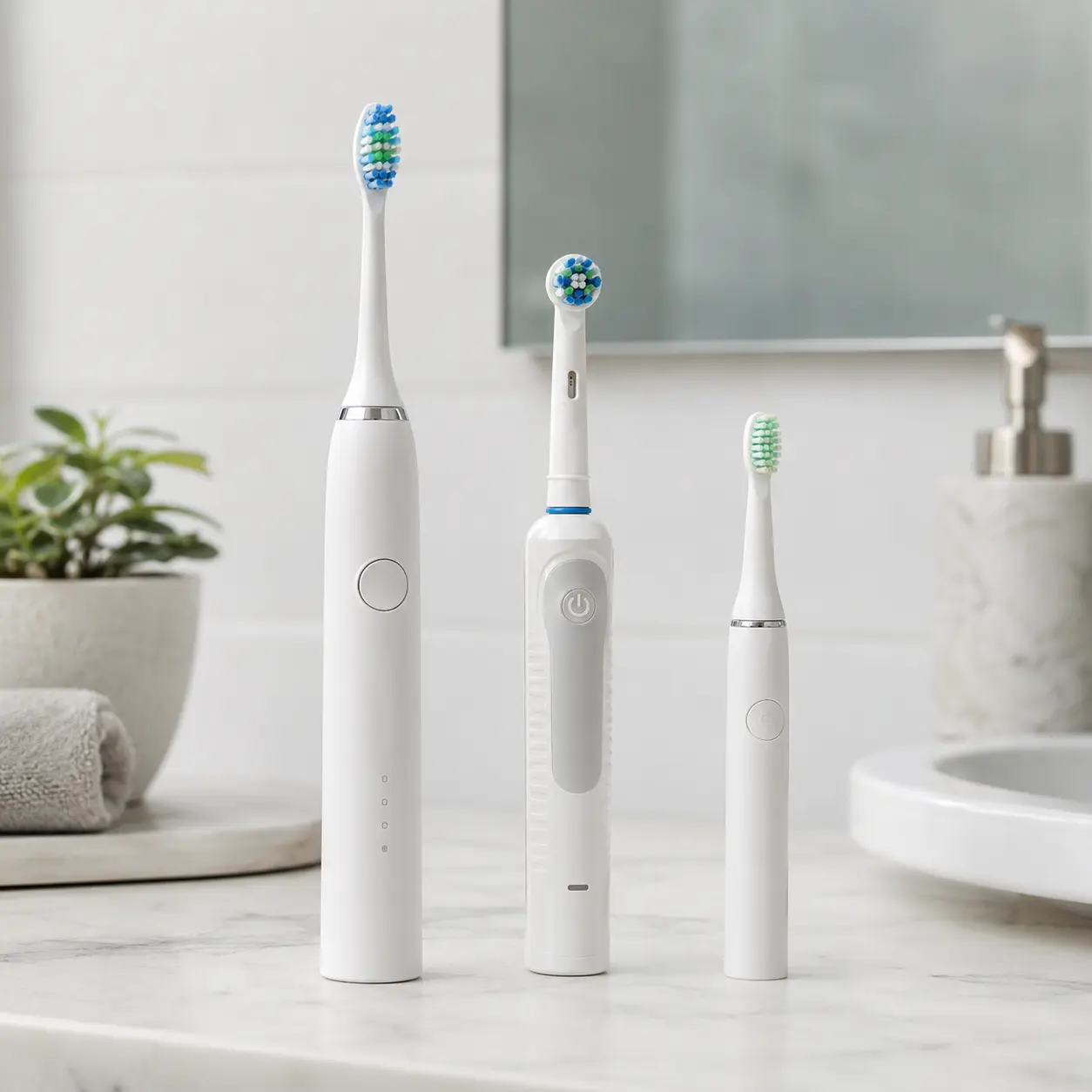
Electric toothbrushes can use different types of movement. Some use a small round head that oscillates or rotates, while others use a longer head with sonic or vibrating movement. These designs feel different in the mouth and may suit different brushing preferences.
A round head may appeal to buyers who like cleaning one tooth area at a time. A longer sonic style head may feel more familiar if you are moving from a manual toothbrush.
Neither type is automatically better for everyone. The right choice depends on comfort, technique, brush head preference and what the product page says the model is designed to do.
Brush Head Compatibility
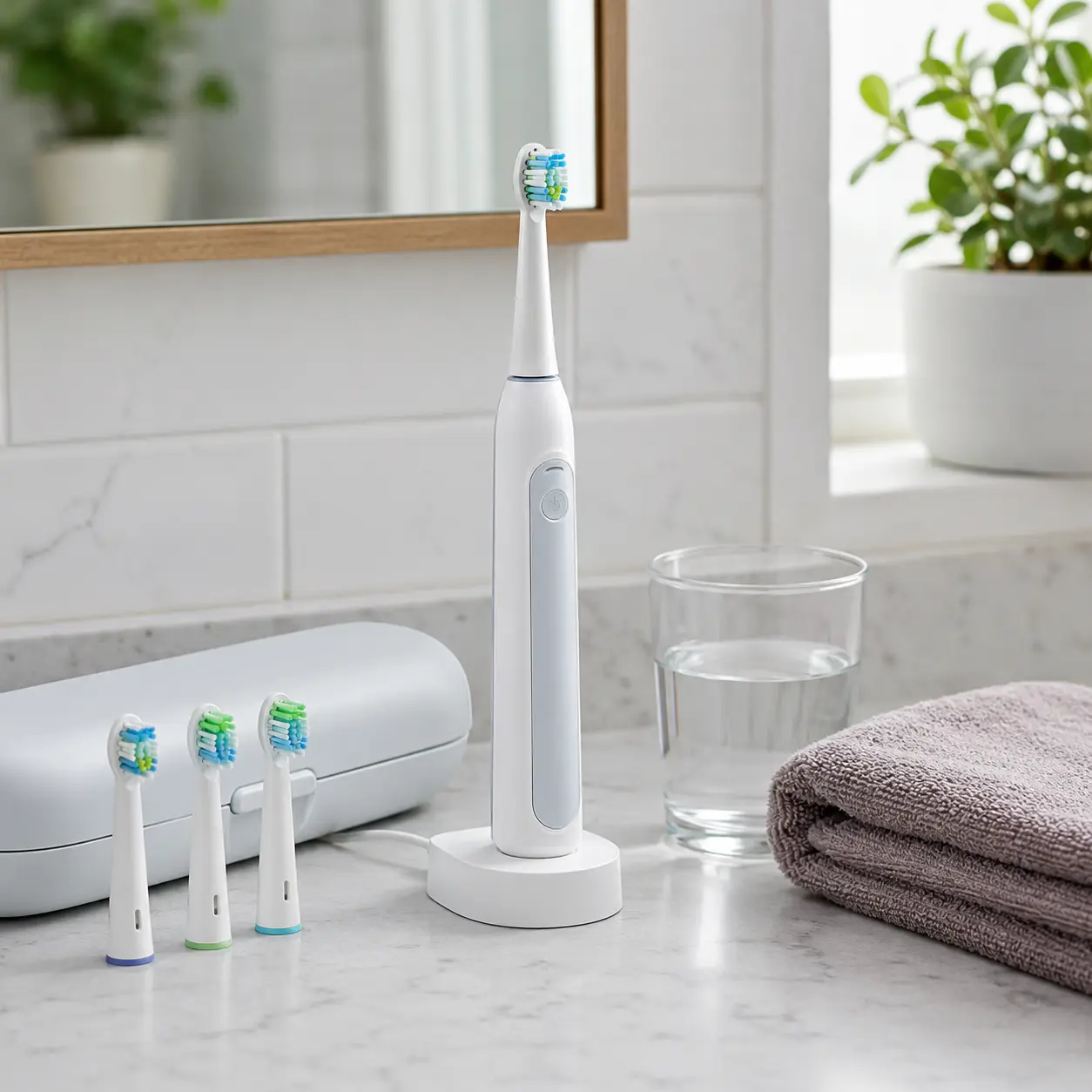
Brush heads are one of the most important long term buying checks. An electric toothbrush is only practical if suitable replacement heads are easy to find and affordable enough for regular replacement.
Different models may use different head fittings, even within the same brand family. Some heads are designed for daily cleaning, while others may be described for sensitive brushing, gum care, orthodontic use or whitening style routines where stated.
Do not assume all brush heads fit all handles. Check compatibility before buying the toothbrush and before buying replacement heads.
Cleaning Modes
Many electric toothbrushes include several cleaning modes. A simple daily clean mode may be enough for most everyday routines. Sensitive modes may feel gentler. Gum care, deep clean, polish or whitening style modes may be included on some models.
Extra modes can be useful, but they are not essential for every buyer. Some people only ever use one mode. If you want simplicity, a model with fewer controls may be better than one with a long list of settings.
Choose modes around your actual use, not the largest feature list.
Pressure Sensors
A pressure sensor can help if you tend to brush too hard. Some models may light up, pulse, reduce speed or give another warning when too much pressure is applied.
This can be helpful because brushing too firmly can feel uncomfortable and may not be the best technique. However, the sensor design varies by model, so check exactly how it works.
A pressure sensor is useful guidance, but it does not replace correct brushing technique or dental advice.
Timers And Brushing Guidance
Timers help users brush for a consistent amount of time. Some toothbrushes include a simple overall timer, while others include interval pacing to remind you to move around different areas of the mouth.
This can be useful for adults and children who rush brushing. It can also help build a routine if you are switching from a manual toothbrush.
Check whether the timer is included, how it signals, and whether it suits the user.
Battery Life And Charging
Battery life affects everyday convenience. A toothbrush with a longer battery life may be useful for travel, shared bathrooms or people who do not want to keep the charger out all the time.
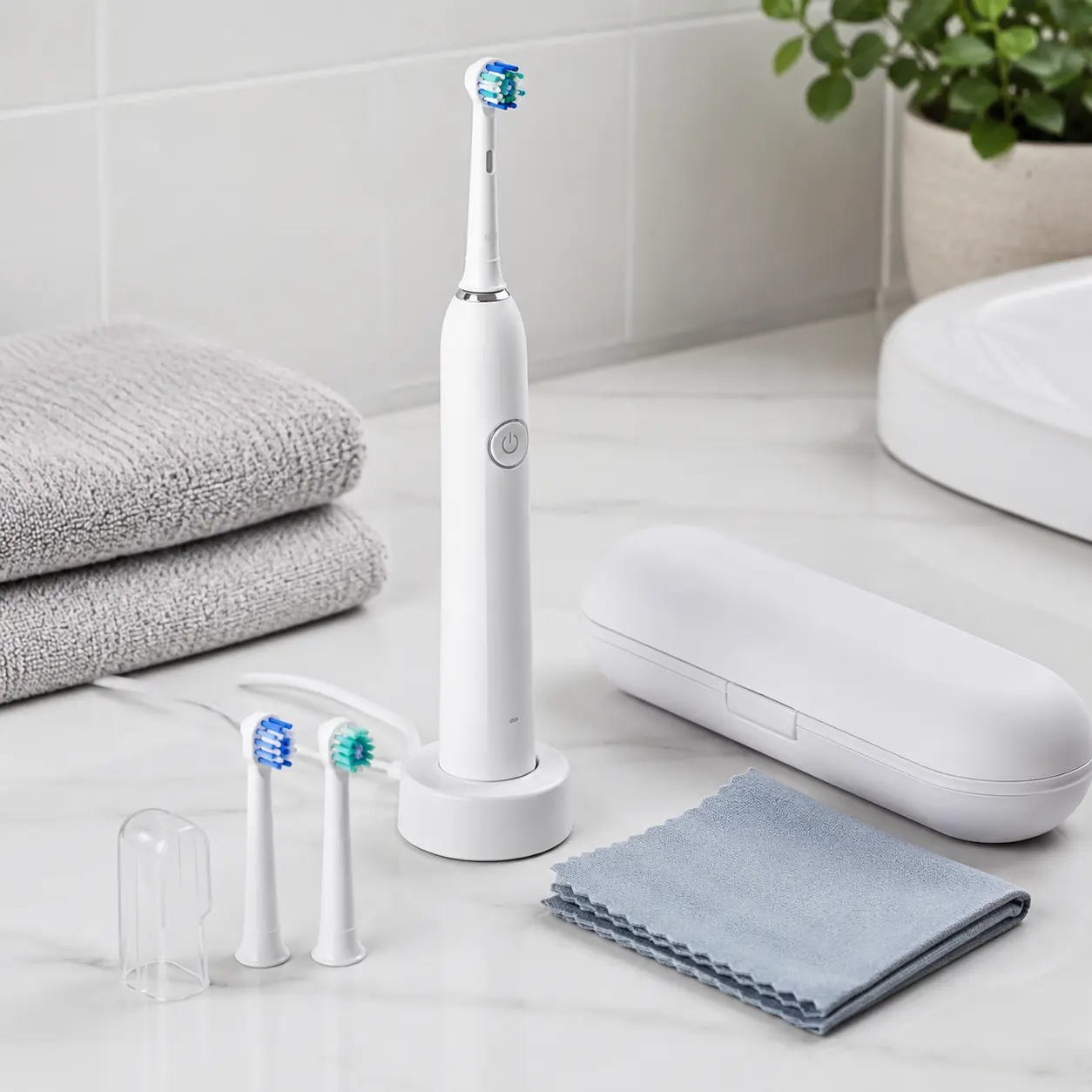
Charging method matters too. Some models use a charging stand, while others may use USB style charging, magnetic charging or a charging travel case where supplied.
Check what is included in the box. Do not assume a plug adaptor, travel case or charging cable is included unless the product page says so.
Wet Bathroom Use And Water Guidance
Electric toothbrushes are designed for bathroom routines, but water resistance still varies by model. Some handles may be suitable for rinsing, while others may have more specific care instructions.
Do not treat every electric toothbrush as fully waterproof. Follow the product guidance for rinsing, charging, storage and use around water.
Charging accessories should be kept away from water unless the instructions clearly say otherwise.
Handle Comfort And Grip
Comfort matters because the toothbrush will be used every day. A handle that feels too bulky, slippery or heavy may be annoying over time.
Consider who will use it. A child, adult, older user or person with limited grip strength may need different handle sizes or control layouts.
A clear power button, comfortable grip and simple mode selection can matter more than advanced features.
Travel And Storage
If you travel regularly, look for battery life, travel lock, compact charger and travel case where included. A travel lock can help stop the toothbrush turning on inside a bag.
For home storage, consider whether the toothbrush stands upright, whether the charger takes up space and where spare brush heads will be kept.
A practical storage setup makes daily use much easier.
Smart Features And Apps
Some electric toothbrushes include app support or connected brushing feedback. These features may help users who like tracking routines or receiving guidance.
However, smart features are not necessary for everyone. They may require a phone, app setup, Bluetooth connection or extra permissions. Some buyers may prefer a simple toothbrush with a timer and pressure sensor instead.
Only pay for smart features if you are likely to use them.
Product Type Differentiation And Variants
Basic Rechargeable Electric Toothbrushes
Basic rechargeable electric toothbrushes may suit buyers who want simple daily brushing without too many settings. They often focus on essential features such as powered brushing, charging and sometimes a timer.
The limitation is that they may have fewer modes, accessories or pressure features.
Electric Toothbrushes With Pressure Sensors
Models with pressure sensors may suit buyers who brush firmly or want extra feedback during brushing.
The limitation is that pressure sensors vary. Check whether the model warns you clearly and how the feature behaves.
Sonic Style Electric Toothbrushes
Sonic style toothbrushes usually use a longer brush head and fast vibrating movement. They may appeal to buyers who prefer a manual toothbrush style head shape.
The limitation is feel. Some users like the sensation, while others prefer a round head design.
Oscillating Or Rotating Electric Toothbrushes
Oscillating or rotating models often use small round brush heads. They may suit buyers who prefer cleaning tooth by tooth with a compact head.
The limitation is brush head preference. Some people find round heads less familiar at first.
Children’s Electric Toothbrushes
Children’s electric toothbrushes are designed for younger users where stated. They may include smaller heads, softer brushing feel, colourful designs, timers or app features where supplied.
The limitation is age suitability. Always check the product page and supervise children as appropriate.
Travel Electric Toothbrushes
Travel focused models may include a compact case, travel lock, USB charging or longer battery life where stated.
The limitation is that travel features may not matter if the toothbrush stays at home.
Specifications vary by model, so always check the individual product page before buying.
Suitability By Buyer Type Or Need
| Buyer Type Or Need | What To Prioritise | What To Be Careful About |
|---|---|---|
| First time electric toothbrush buyer | Simple controls, timer and comfortable head | Avoid overcomplicated app features if not needed |
| Sensitive teeth user | Sensitive mode and softer head options where listed | Check suitability and dental guidance |
| Firm brusher | Pressure sensor and clear feedback | Do not rely on the sensor alone |
| Frequent traveller | Battery life, travel case and travel lock where included | Check charging method |
| Family bathroom | Replacement head availability and easy storage | Do not mix up brush heads between users |
| Child user | Age suitable model and smaller brush head | Adult supervision may be needed |
| Braces user | Suitable brush head options where stated | Check orthodontic guidance before use |
| Low maintenance buyer | Simple cleaning and common replacement heads | Smart models may add complexity |
| Smart feature buyer | App compatibility and brushing feedback | Check phone and setup requirements |
| Budget conscious buyer | Replacement head cost and essential features | Cheapest may cost more long term if heads are expensive |
Common Mistakes And Misunderstandings
Assuming All Brush Heads Fit All Handles
Brush head compatibility varies. A head that looks similar may not fit your toothbrush handle.
Check compatible replacement heads before buying.
Choosing By Features You Will Not Use
Extra modes, apps and accessories can be useful, but only if they match your routine. A simpler toothbrush may be better if you only want daily brushing.
Choose around real use, not feature count.
Ignoring Replacement Head Costs
Replacement heads are part of long term ownership. If heads are expensive or hard to find, the toothbrush may become less practical.
Check head availability and cost before buying.
Brushing Too Hard
Some buyers press harder because the toothbrush is powered, but pressure is not the same as effective brushing. A pressure sensor may help where included.
Use the toothbrush as instructed and avoid forcing it against teeth or gums.
Assuming Wet And Waterproof Mean The Same Thing
Bathroom use, rinseable handles and full water resistance are not always the same. Charging accessories also need careful handling.
Follow the product guidance for water exposure.
Buying An Adult Model For A Child Without Checking Suitability
Children may need smaller heads, lighter handles and age appropriate features. Adult models may not suit younger users.
Check age guidance before buying for a child.
Forgetting About Storage
Chargers, heads, travel cases and accessories need space. A cluttered bathroom setup can make the toothbrush less convenient.
Think about storage before buying.
Expecting The Toothbrush To Do Everything For You
An electric toothbrush can support a brushing routine, but technique still matters. You still need to guide it carefully around the mouth.
Follow the product instructions and dental guidance.
Safety And Suitability Caveats
Electric Toothbrushes should be used only as intended and in line with the manufacturer’s instructions. They involve powered movement, rechargeable batteries, water exposure and charging accessories, so correct use and storage matter.
Do not use a damaged toothbrush, charger or cable. Keep charging accessories away from water unless the product guidance clearly says otherwise. Do not share brush heads between users.
If you have braces, dental implants, gum concerns, recent dental treatment, pain, bleeding or sensitivity, check with a dental professional before relying on a new brushing routine. Children should use age suitable models and be supervised where appropriate.
Do not modify, dismantle or attempt to repair an electric toothbrush. Always check the individual product page for age suitability, brush head compatibility, charging method, water guidance, cleaning instructions and intended use before buying.
Maintenance, Storage And Lifespan Considerations
Electric toothbrushes need regular cleaning and replacement brush heads. Rinse the head and handle as directed, remove toothpaste build up where needed and let parts dry properly.
Brush heads wear with use and should be replaced in line with the manufacturer’s guidance. A worn head may feel less effective and less comfortable.
Store the toothbrush upright where possible, and keep spare heads in a clean, dry place. If using a travel case, make sure the brush head is dry before storing where the product guidance recommends it.
The lifespan of an electric toothbrush depends on model, battery care, charging habits, cleaning, replacement heads and how carefully it is handled.
How To Compare Models Efficiently
- Decide whether you prefer round or longer brush heads.
- Check whether the toothbrush suits adult or child use.
- Compare cleaning modes you will actually use.
- Look for a pressure sensor if you brush firmly.
- Check timer and pacing features.
- Compare battery life and charging method.
- Check brush head compatibility and replacement cost.
- Review water resistance and cleaning guidance.
- Consider travel features if needed.
- Read the individual product page before buying.
Summary Buyer Decision Checklist
Before buying Electric Toothbrushes, check the following:
| Buying Check | Why It Matters |
|---|---|
| Brush type | Different movements feel different |
| Brush head compatibility | Replacement heads must fit |
| Cleaning modes | Only useful if you will use them |
| Pressure sensor | Helpful for firm brushers where included |
| Timer | Supports consistent brushing |
| Battery life | Affects daily convenience and travel |
| Charging method | Must suit your bathroom setup |
| Water guidance | Important for rinsing and storage |
| Handle comfort | Affects everyday use |
| Travel features | Useful if taking it away |
| Replacement head cost | Affects long term value |
| Product page details | Specifications vary by model |
Frequently Asked Questions
The best type depends on the user. Some buyers prefer round oscillating heads, while others prefer longer sonic style heads. Comfort, brush head availability, timer features and replacement head cost usually matter more than choosing the most expensive model.
A pressure sensor can be useful if you tend to brush too firmly. It can warn you or adjust behaviour depending on the model. It is a helpful feature, but it does not replace correct brushing technique.
Not always. Many buyers mainly use one daily clean mode. Extra modes may be useful for sensitive brushing or other routines where stated, but only if they match your needs.
Replacement timing varies by model, use and manufacturer guidance. Check the product instructions for the recommended replacement schedule and compatible brush head type.
Children can use age suitable electric toothbrushes where the product page supports that use. Check age guidance, head size and supervision needs before buying.
Some electric toothbrushes and brush heads may be suitable for braces where stated, but orthodontic guidance matters. Check with a dental professional if you are unsure.
Water guidance varies. Some handles may be rinsable, while others have specific restrictions. Do not assume the charger or handle is fully waterproof unless the product guidance says so.
Smart features may help users who like app guidance, brushing feedback or routine tracking. They are not essential for everyone. Check app compatibility and whether you will actually use the features.
Check battery life, travel lock, case, charger type and whether the toothbrush is easy to pack. A long battery life can be useful if you do not want to take the charger away.
Some households may share a handle with separate brush heads, but hygiene and storage need care. Do not share brush heads, and make sure each user’s head is clearly separate.