
Fans
Fans are home appliances designed to move air around a room and help people feel cooler and more comfortable. They are ideal for bedrooms, living rooms, home offices, conservatories, kitchens and other indoor spaces where still or warm air can make the room feel uncomfortable.
A good fan can make hot days, stuffy rooms and working from home feel more manageable. The right choice depends on room size, fan type, airflow, noise level, speed settings, oscillation, timer features, portability and where the fan will be used most often.










How to Choose the Right Fan
Start by thinking about the room you want to use the fan in. A small desk fan may be enough for personal cooling at a workstation or bedside table, while a larger pedestal, tower or floor fan may be better for moving air around a bigger room.
Also consider when the fan will be used. If it will run while you sleep, noise level and night settings matter. If it will be used in a home office, steady airflow and easy controls may be more useful. For shared living spaces, oscillation can help move air across a wider area.
What Matters Most When Comparing Fans
The main things to compare are fan type, airflow strength, speed settings, noise level, oscillation, timer, remote control, size, weight and power use. These details affect how comfortable and convenient the fan feels in everyday use.
Noise is especially important. A powerful fan may move plenty of air, but it may not suit a bedroom, nursery or quiet office if it is too loud. If you need cooling while sleeping or working, choose a fan designed for the level of comfort and sound you need.
Desk Fan, Pedestal Fan or Tower Fan?
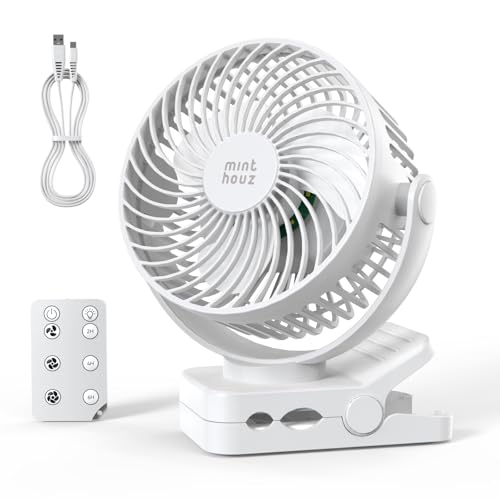
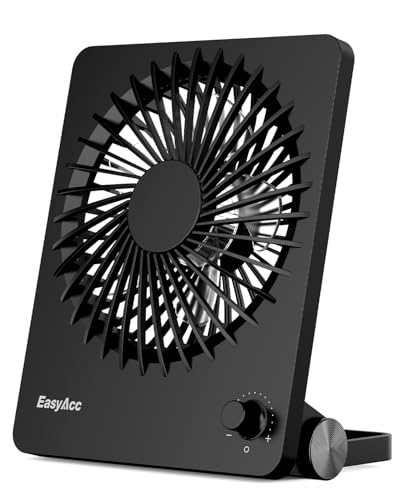
A desk fan is usually best for personal cooling. It works well on desks, bedside tables, kitchen counters and small spaces where you want airflow close to where you sit.
A pedestal fan is useful for larger rooms because it can be adjusted in height and aimed across a wider area. It can suit living rooms, bedrooms and home offices where flexible positioning is helpful.
A tower fan is often chosen for slimmer spaces where a traditional round fan would take up too much room. It can look neater in modern rooms and may include useful features such as timers, remote controls or multiple speed settings depending on the model.
The trade off is size, airflow and placement. Desk fans are compact, pedestal fans offer flexible height and tower fans save floor space.
Fan or Air Conditioning Unit?
A fan moves air around the room and helps you feel cooler by creating airflow. It does not cool the room in the same way as an air conditioning unit, but it can make warm conditions feel more comfortable.
An air conditioning unit actively cools the air and is usually better if you need stronger room cooling during hot weather. The trade off is simplicity versus cooling power. Fans are easier to move, cheaper to buy in many cases and simpler to use, while air conditioning units are more suitable when you need actual temperature reduction.
Oscillation, Timers and Remote Controls
Oscillation helps a fan move air from side to side rather than blowing in one fixed direction. This can be useful in shared rooms, bedrooms and living spaces where several people want airflow.
A timer can be helpful if you want the fan to switch off after you fall asleep or after a set period during the day. Remote control can also make the fan easier to adjust from a sofa, bed or desk.
These features are not essential for everyone, but they can make a fan much more convenient if you use it regularly.
Fans for Bedrooms, Offices and Living Rooms
For bedrooms, look for a fan with quieter operation, lower speed settings and a timer if you do not want it running all night. A compact tower fan or quiet desk fan can work well where space is limited.
For home offices, choose a fan that gives steady airflow without being distracting. Desk fans, tower fans and air circulator fans can all be useful depending on room size and where you sit.
For living rooms, a larger fan with oscillation can help move air across a wider area. If the room is used by several people, adjustable speed and direction are worth checking.
Size, Storage and Everyday Use
Before buying, check the fan dimensions and where it will stand or sit. A large fan may move more air, but it still needs enough space around it to work safely and comfortably.
Portability can be useful if you want to move the fan between rooms. Look at weight, handle design and cable length before buying. If the fan will only be used in summer, storage size may also matter.
Cleaning is worth considering too. Dust can build up on blades, grilles and vents, so choose a fan that can be cleaned according to the product guidance.
Find a Fan That Suits Your Home
Browse our range of fans and compare options by fan type, size, airflow, noise level, controls and everyday features. Choose a fan that suits your room, your routine and the level of comfort you need during warmer days and stuffy indoor conditions.
Fans FAQs
What is a fan used for?
A fan is used to move air around a room and help people feel cooler and more comfortable. It can be useful in bedrooms, living rooms, offices, kitchens and other warm or stuffy spaces.
What should I check before buying a fan?
Check the fan type, size, airflow strength, speed settings, noise level, oscillation, timer, remote control, cable length and whether it suits the room where it will be used.
Is a tower fan better than a pedestal fan?
A tower fan is often better if you want a slim design that takes up less floor space. A pedestal fan may be better if you want adjustable height and wider directional airflow.
Are desk fans good for bedrooms?
Desk fans can be good for bedrooms if you only need personal airflow near the bed. For larger bedrooms, a pedestal or tower fan may move air more effectively across the room.
Do fans actually cool a room?
Fans do not cool a room in the same way as air conditioning. They move air around, which can make you feel cooler, especially when airflow passes over the skin.
Is a fan cheaper to run than air conditioning?
A fan usually uses less power than an air conditioning unit, but running costs vary by model, wattage and how long it is used. Check the product details before buying.
What fan is best for sleeping?
For sleeping, look for a fan with quiet operation, lower speed settings, a stable base and a timer. A remote control can also be useful if you want to adjust it from bed.
What does oscillation mean on a fan?
Oscillation means the fan moves from side to side to spread airflow across a wider area. It is useful in shared rooms or when you do not want airflow fixed in one direction.
Are bladeless fans worth considering?
Bladeless style fans can be worth considering if you want a modern look and easier external cleaning. They may cost more than traditional fans, so compare features, airflow and noise level carefully.
Can fans help with stuffy rooms?
Fans can help move stagnant air and make a room feel fresher, especially when used with open windows or good ventilation where suitable. They do not remove moisture or cool the air like specialist appliances.
Do fans need much maintenance?
Fans need basic care such as dusting grilles, wiping blades or vents where accessible and keeping the appliance clean and dry. Always follow the product guidance before cleaning.
Where should I place a fan?
Place a fan on a stable surface where airflow can reach the area you want to cool. Keep it away from loose fabrics, water, clutter and places where it could be knocked over.
Find out more with our Fan Buyers Guide.
 Getting ready for Summer? View our Home and Garden Products

Heading outdoors this winter? Take a look at our Outdoor Clothing.