
Food Mixers
Food mixers are kitchen appliances designed to mix, beat, whisk, knead and combine ingredients with less manual effort. They are ideal for anyone who enjoys baking, home cooking, meal prep or making doughs, batters, creams, sauces and mixtures more easily.
A good food mixer can make kitchen tasks quicker and more consistent, especially when working with cake batter, bread dough, whipped cream, pastry, meringue or larger recipes. The right choice depends on the type of mixer, bowl capacity, motor power, speed settings, attachments, storage space and how often you plan to use it.
- Food Mixers
Geepas 1000W Tilt Head Stand Food Mixer 5L
Original price was: £79.99.£62.99Current price is: £62.99. *View On Amazon* - Food Mixers
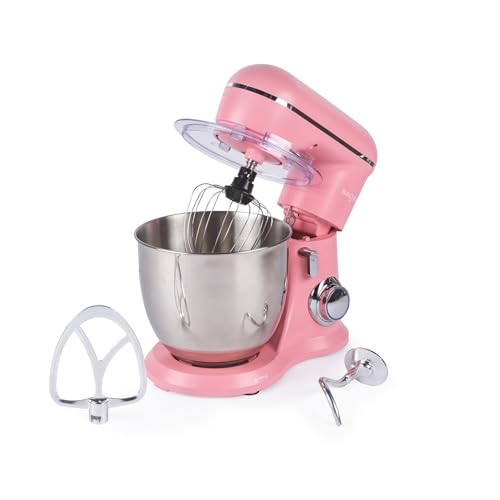
Salter British Bakes Stand Mixer 5L Food Mixer for Baking, 1300W, 10 Speeds, Pink
Original price was: £100.00.£79.99Current price is: £79.99. *View On Amazon* - Food Mixers
Bosch 7 in 1 Stand Mixer MUMS2VM40G, 7 Speeds, 900W, Black
Original price was: £269.99.£199.99Current price is: £199.99. *View On Amazon* - Food Mixers
Kiseely Stand Mixer with 3QT Stainless Steel Bowl, 7 Speeds, ZO1
£26.69 *View On Amazon* - Food Mixers
Fockety Stand Mixer, 7 Speeds Tilt Head Electric Food Mixer with Stainless Steel Bowl, Dough Hook, Wire Whip and Beater, Kitchen Mixers for Baking, Cake, Cookie, Kneading, Black
Original price was: £39.39.£34.62Current price is: £34.62. *View On Amazon* - Food Mixers
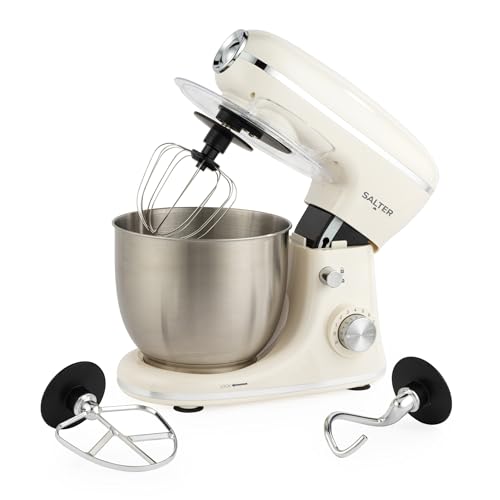
Salter Retro Cream Stand Mixer 5L Electric Food Kitchen Mixer
Original price was: £100.00.£89.99Current price is: £89.99. *View On Amazon* - Food Mixers
Vospeed Stand Mixer, 4.5L and 5L Bowls, 8 Speed, 1000W Tilt Head Food Mixer for Baking, Kitchen Electric Mixer with Dough Hook, Whisk, Beater, Splash Guard, Blue
Original price was: £99.99.£79.99Current price is: £79.99. *View On Amazon* - Food Mixers
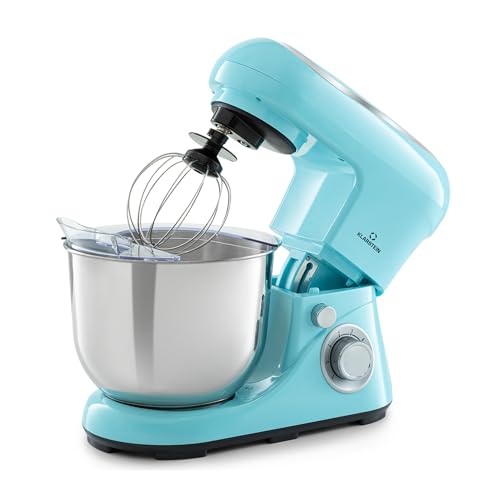
Klarstein Bella Mini Food Processor, Kneading Machine, Black
Original price was: £72.99.£58.63Current price is: £58.63. *View On Amazon* - Food Mixers
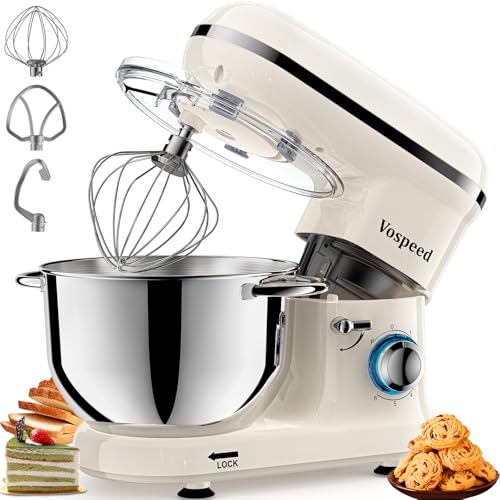
Vospeed Stand Mixer 6.2L Electric Cake Mixer White
Original price was: £119.99.£99.99Current price is: £99.99. *View On Amazon* - Food Mixers
KitchenAid Artisan Tilt Head Stand Mixer Almond Cream 4.8 Litre 5KSM125BAC
Original price was: £549.00.£366.00Current price is: £366.00. *View On Amazon* - Food Mixers
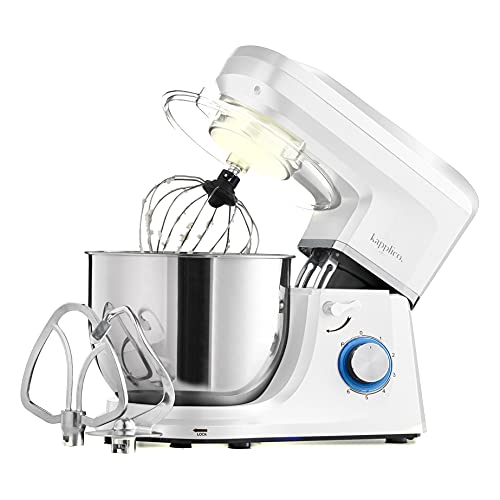
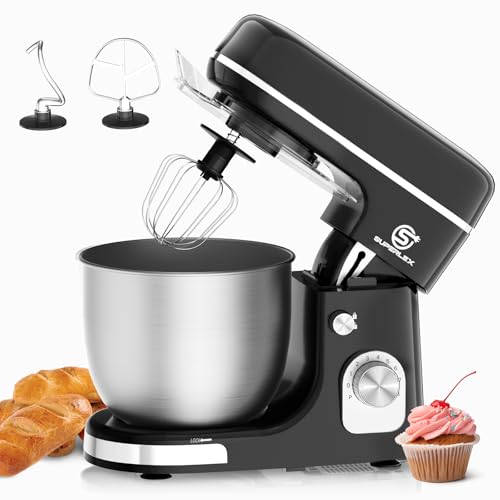
SUPERLEX 5L Stand Mixer, 1300W Electric Food Mixer, 8 Speed with Pulse, Tilt Head Kitchen Mixer, Black
Original price was: £58.99.£55.98Current price is: £55.98. *View On Amazon*











How to Choose the Right Food Mixer
Start by thinking about what you make most often. If you mainly bake cakes, whisk eggs or make light mixtures, a hand mixer may be enough. If you regularly make bread dough, large batches or thicker mixtures, a stand mixer may be more practical.
Capacity is one of the most important details to check. A smaller bowl can suit occasional baking or compact kitchens, while a larger mixing bowl is better for families, batch baking or recipes that need more space to combine properly.
What Matters Most When Comparing Food Mixers
The main things to compare are mixer type, bowl size, motor power, speed settings, attachments, weight, stability, cleaning method and storage needs. These details affect how useful the mixer will be in everyday cooking.
Speed control matters because different ingredients need different mixing styles. A slow speed can help combine dry ingredients without mess, while faster settings are useful for whipping, beating and creating lighter textures. If you bake regularly, a mixer with smooth control and useful attachments can make a noticeable difference.
Hand Mixer or Stand Mixer?
A hand mixer is usually best for lighter jobs, smaller kitchens and occasional baking. It is easy to store, quick to set up and useful for whisking eggs, mixing cake batter, whipping cream and simple everyday recipes.
A stand mixer is better for heavier mixtures, larger batches and more regular baking. It sits on the worktop and holds the bowl in place, which can make mixing dough, batter and thicker ingredients easier.
The trade off is storage versus power and convenience. Hand mixers are compact and affordable, while stand mixers are more capable for serious baking but need more space.
Food Mixer or Food Processor?
A food mixer is usually better for baking tasks where ingredients need to be beaten, whisked, creamed or kneaded. It is well suited to cakes, doughs, batters, meringues and whipped mixtures.
A food processor is usually better for chopping, slicing, grating and preparing ingredients. It can be more useful for vegetables, nuts, breadcrumbs and general food prep, but it is not always the best choice for smooth baking mixtures.
The trade off is mixing versus chopping. Choose a food mixer if baking and dough preparation matter most. Choose a food processor if cutting and chopping ingredients is the main job.
Attachments, Bowls and Useful Features
Many food mixers include attachments such as beaters, whisks and dough hooks. Some stand mixers may offer extra accessories depending on the model, but it is important to check what is included before buying.
A dough hook is useful for kneading bread and pizza dough where the mixer is designed for that level of work. A whisk is useful for cream, egg whites and lighter mixtures. Beaters are practical for cake batter, buttercream and everyday baking.
Also check the bowl design. A stainless steel bowl can feel durable and easy to clean, while a lighter bowl may be easier to lift. Splash guards can be useful when working with flour, icing sugar or wet mixtures.
Power, Stability and Everyday Use
A food mixer should feel stable and controlled during use. This is especially important with thick doughs or larger mixtures because the appliance may move or strain if it is not suited to the job.
Motor power can matter, but it should be considered alongside the mixer design and intended use. A compact hand mixer may be perfectly suitable for light baking, while heavier dough work usually needs a stronger stand mixer designed for that purpose.
Cleaning, Storage and Kitchen Space
Cleaning ease is worth checking before buying. Removable beaters, whisks, dough hooks and bowls make the mixer easier to clean after use. If ingredients collect in awkward areas, the appliance can quickly become frustrating.
Storage also matters. A hand mixer can usually fit in a drawer or cupboard, while a stand mixer often needs worktop or deeper cupboard space. If the mixer will stay out on the worktop, check its dimensions, weight and whether it fits comfortably under kitchen cupboards.
Find a Food Mixer That Suits Your Kitchen
Browse our range of food mixers and compare options by mixer type, capacity, power, speed settings, attachments and ease of cleaning. Choose a food mixer that suits your baking habits, kitchen space and the recipes you make most often.
Food Mixers FAQs
What is a food mixer used for?
A food mixer is used for mixing, beating, whisking and kneading ingredients. It is commonly used for cakes, bread dough, batters, whipped cream, meringue, pastry and general baking tasks.
What should I check before buying a food mixer?
Check the mixer type, bowl capacity, motor power, speed settings, attachments, stability, weight, cleaning method and whether it suits the recipes you plan to make.
Is a hand mixer or stand mixer better?
A hand mixer is better for light mixing, small kitchens and occasional baking. A stand mixer is better for larger batches, thicker mixtures and regular baking.
Can food mixers knead dough?
Some food mixers can knead dough if they include a dough hook and are designed for heavier mixtures. Check the product details before buying if bread or pizza dough is important to you.
What attachments do food mixers need?
Common food mixer attachments include beaters, whisks and dough hooks. The best attachments depend on whether you bake cakes, whip cream, whisk eggs or knead dough.
Is a food mixer the same as a food processor?
No, a food mixer is mainly for mixing, beating, whisking and kneading. A food processor is mainly for chopping, slicing, grating and preparing ingredients.
What size food mixer do I need?
Choose the size based on how much you usually make. A smaller mixer can suit occasional baking, while a larger bowl is better for families, batch baking and bigger recipes.
Are stand mixers worth buying?
Stand mixers are worth considering if you bake regularly, make dough or need to mix larger batches. If you only bake occasionally, a hand mixer may be enough.
Are food mixers easy to clean?
Many food mixers are easy to clean if they have removable attachments and an accessible bowl. Cleaning ease depends on the design, materials and whether ingredients collect around the mixer body.
Do food mixers take up much space?
Hand mixers are usually compact and easy to store. Stand mixers take up more space and may need to stay on the worktop or in a larger cupboard.
Can food mixers be used for mashed potatoes?
Some food mixers can be used for mashed potatoes, but care is needed because overmixing can affect the texture. Check the product guidance and use suitable settings.
Do food mixers need much maintenance?
Food mixers need basic care such as cleaning attachments, wiping the body, checking moving parts and storing the appliance safely. Always follow the product guidance for use and maintenance.
Find out more with our Food Mixer Buyers Guide.
 Getting ready for Summer? View our Home and Garden Products

Heading outdoors this winter? Take a look at our Outdoor Clothing.