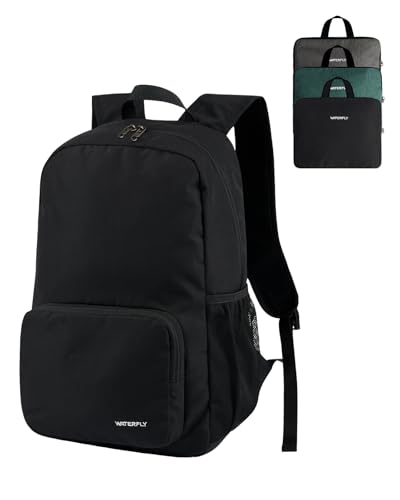
Hiking and Camping Backpacks

Hiking and camping backpacks are designed to carry outdoor kit comfortably and keep essentials organised while walking, travelling or staying away from home. They are useful for day hikers, campers, backpackers, festival goers, Duke of Edinburgh style trips, scout groups, dog walkers, families and anyone who needs a practical bag for outdoor use.

The right backpack should match the length of your trip, the weight of your kit and the way you like to carry it. When comparing options, look at capacity where listed, back support, shoulder straps, waist belts, compartments, hydration compatibility, weather protection, weight, fit, storage layout and how the pack will be used in real conditions.

Showing 1–24 of 286 resultsSorted by popularity

What Are Hiking And Camping Backpacks

Hiking and camping backpacks are outdoor rucksacks made to carry clothing, food, water, sleeping kit, cooking items, waterproof layers and other travel essentials. They are usually more structured and practical than ordinary day bags.

Depending on the product, a backpack may include padded shoulder straps, adjustable chest straps, hip belts, multiple compartments, bottle pockets, rain covers, walking pole attachments, hydration bladder sleeves or external gear loops where listed.

Some backpacks are compact and designed for day walks. Others are larger and more suitable for camping, overnight trips or carrying heavier kit. Always check the product details before buying, as capacity, support and features vary widely.

What Hiking And Camping Backpacks Are Used For

Hiking and camping backpacks are used for carrying kit during walks, camping trips, outdoor activities, travel days and overnight stays. They help keep essentials together and make it easier to move while keeping your hands free.

For short walks, a smaller backpack may carry a drink, snacks, phone, keys, first aid items and waterproof clothing. For camping, a larger backpack may be needed for sleeping bags, spare clothing, food, cooking equipment and personal items where suitable.

They can also be useful for festivals, fishing trips, bushcraft sessions, family days out and activity weekends. The best choice depends on how much you carry, how far you walk and how long you are away.

How To Choose The Right Hiking And Camping Backpack

Start with trip length. A small day pack may be enough for short walks, while weekend camping or backpacking usually needs more capacity. Check litre capacity where listed, but think about the actual kit you need rather than choosing size alone.

Next, consider comfort. Shoulder straps, back padding, chest straps and hip belts can affect how weight feels on your body. If you are carrying heavier kit, support and fit become more important.

Think about organisation. Some people prefer one large main compartment, while others want several pockets for quick access to food, maps, water bottles and small items. The right layout depends on how you pack.

Weather suitability also matters. Outdoor trips can involve rain, mud and changing temperatures. Look for water resistant materials or rain covers where listed, but do not assume any backpack is fully waterproof unless the product information clearly states this.

Key Features To Compare

Capacity is one of the first features to compare. Smaller packs may suit day walks, while larger packs may be better for camping or overnight use where suitable.

Fit and adjustability are important for comfort. Adjustable straps, hip belts and chest straps where listed can help the backpack sit more securely.

Back support can make a big difference on longer walks. Padded backs, airflow channels or frame systems may be listed on some products, but designs vary.

Pocket layout affects organisation. Bottle pockets, top pockets, front sections, internal compartments and zipped areas can help separate small items from bulky kit.

Weight matters if you are carrying the backpack for long periods. A lighter pack may be easier to manage, but it still needs enough structure and durability for the intended use.

Weather protection should be checked carefully. Rain covers, coated fabrics and sealed areas may be listed on some products, but protection levels differ by design.

Hiking Backpacks Compared With Camping Backpacks

Hiking backpacks are often chosen for comfort while walking. They may focus on light weight, easy access, hydration options and support during movement.

Camping backpacks usually need more space for overnight kit. They may be larger and designed to carry bulkier items such as sleeping bags, mats, cooking gear and spare clothing.

The trade off is size versus comfort. A large camping backpack can carry more, but it may feel unnecessary for short walks. A small hiking backpack can feel lighter, but may not hold enough for overnight camping.

For many outdoor users, the most practical choice is the smallest backpack that still carries the kit needed safely and comfortably.

Day Packs Compared With Larger Rucksacks

Day packs are useful for short walks, school trips, sightseeing, dog walks and light outdoor days. They are usually easier to carry and store, but they have limited space.

Larger rucksacks are better for longer trips, camping and carrying more equipment. They may include extra support features where listed, but they can feel bulky if underused.

The right choice depends on the trip. A day pack suits light essentials. A larger rucksack suits more serious packing, longer walks or overnight stays.

Guidance For Beginner, Regular And Experienced Outdoor Users

Beginners should focus on comfort, simple organisation and a backpack that is not too large for the trip. Overpacking is common, so choose a size that encourages sensible kit choices.

Regular walkers may want better strap adjustment, easier access pockets and more reliable storage for water, waterproofs and snacks. Comfort becomes more important when the backpack is used often.

Experienced hikers and campers may compare capacity, carry system, frame style where listed, compression straps, gear attachment points and how the pack balances when fully loaded.

Group leaders and families may need practical backpacks that are easy to pack, easy to identify and suitable for different users. Shared use makes durability and simple adjustment especially important.

Use Cases By Activity And Trip Type

Day hikers may need a compact backpack for water, food, waterproof clothing, phone, keys and basic safety items. Comfort and quick access pockets are useful.

Weekend campers may need more capacity for sleeping kit, spare clothing, cooking items and food. A supportive hip belt and organised compartments can make carrying easier.

Festival goers may want a backpack that carries clothing, toiletries, food and personal items while being easy to move through busy spaces.

Dog walkers may prefer a practical pack for treats, leads, water, bowls, spare layers and small first aid items.

Families may need backpacks for snacks, spare clothing, drinks and children’s items during outdoor days. Easy access pockets can save time.

Backpackers and longer distance walkers may need a larger, more supportive rucksack that suits repeated carrying over longer routes.

Fit, Sizing And Carrying Comfort

A backpack should sit comfortably on the shoulders and back without pulling awkwardly. The straps should be adjusted so the load feels secure and does not swing around while walking.

For heavier loads, a hip belt can help transfer some weight away from the shoulders where fitted correctly. A chest strap can also help stabilise the shoulder straps where listed.

Back length and body shape can affect fit. Some packs may include adjustable back systems where listed, while others may have a fixed fit. Check the product information carefully, especially for longer walks or heavier camping loads.

Avoid choosing a backpack purely by appearance. If it does not fit well or carry comfortably, it may become frustrating very quickly outdoors.

Compatibility With Outdoor Kit

Think about the kit you need to carry before buying. Waterproof jackets, spare clothing, food, water bottles, head torches, first aid kits, sleeping bags, mats and cooking equipment all take up space.

If you use a hydration bladder, check whether the backpack is hydration compatible where listed. If you carry walking poles, sleeping mats or extra layers externally, look for suitable attachment points where listed.

For camping, consider whether bulky items can fit inside the main compartment or attach securely outside the pack. External storage should be stable and should not catch on branches, gates or other walkers.

If the backpack will also be used for travel, check whether it suits luggage needs, storage space and personal organisation.

Safety And Responsible Use

A backpack should be packed and worn safely. Heavy items are usually easier to carry when placed close to the back, while frequently used items should be easy to reach.

Do not overload a backpack beyond what the wearer can comfortably manage. Overpacking can cause discomfort, poor balance and fatigue, especially on uneven ground.

For outdoor trips, carry suitable essentials for the conditions. This may include water, food, spare layers, navigation items, a phone, first aid basics and weather protection where suitable.

In low light or poor weather, visibility may matter. Reflective details, bright colours or added lights where suitable can help in some situations, but they do not replace sensible route planning and awareness.

Weather Protection And Outdoor Conditions

Outdoor backpacks may face rain, mud, wind and rough handling. Check whether the product includes a rain cover, water resistant material or other weather protection where listed.

Do not assume a backpack is waterproof unless clearly stated. For important items such as phones, maps, spare clothing or electronics, consider using dry bags or waterproof pouches where suitable.

In wet conditions, unpack the backpack after use and allow it to dry properly. Leaving damp kit inside can create odours and may affect materials over time.

In hot weather, back ventilation and easy water access can make walks more comfortable. In colder conditions, extra space for layers may be more useful.

Care, Cleaning And Storage

Always follow the care guidance supplied with the product. Backpacks can collect mud, dust, sweat and food crumbs, so light cleaning after outdoor use can help keep them fresh.

Empty all pockets after each trip. Remove food, damp clothing and small items before storage.

Let the backpack dry fully before putting it away. Avoid storing it damp, compressed or packed with heavy items for long periods.

Check straps, zips, buckles and seams from time to time. If anything feels loose, damaged or unreliable, stop using the backpack until it has been checked or repaired where suitable.

Useful Accessories To Consider

Useful accessories may include water bottles, hydration bladders where compatible, dry bags, packing cubes, first aid kits, head torches, walking poles, rain covers, camping food, cookware, sleeping bags and travel towels.

For day walks, a water bottle, snacks and waterproof layer are often practical basics. For camping, dry storage, cooking kit and sleeping equipment may be needed.

If buying a backpack as a gift, consider the type of trips the person enjoys. A day walker, festival camper and multi day backpacker may all need very different pack sizes and features.

Why Buy From YPC

At YPC, we understand active lifestyles and the need for practical products that work in real use. Hiking and camping backpacks should be easy to compare by capacity, fit, comfort, storage layout, weather suitability, compatibility and intended trip type.

This category is designed to help buyers choose practical backpacks for day walks, camping trips, festivals, travel and outdoor activities. Browse the hiking and camping backpacks at YPC and compare the available options to find a suitable pack for your next trip.

FAQs

What is a hiking and camping backpack used for?

A hiking and camping backpack is used to carry outdoor essentials such as water, food, clothing, sleeping kit, cooking items and personal gear. The right size depends on the trip length and amount of kit needed.

What size backpack do I need for hiking?

For short walks, a smaller day pack may be enough. Longer walks or trips with extra clothing, food and water may need more capacity. Check listed litre capacity and compare it with the kit you plan to carry.

What size backpack do I need for camping?

Camping usually needs more space than day hiking because you may need sleeping gear, spare clothing, food and cooking equipment. Check the product capacity where listed and make sure it suits your trip length and kit.

Are hiking backpacks waterproof?

Some backpacks may be water resistant or include a rain cover where listed, but not all are waterproof. Check the product details and use dry bags for important items where suitable.

What is the difference between a hiking backpack and a normal rucksack?

A hiking backpack is usually designed for outdoor comfort, support and organisation. It may include padded straps, chest straps, hip belts, bottle pockets or weather features where listed. A normal rucksack may be simpler and less suited to longer walks.

Should a hiking backpack have a waist belt?

A waist belt can be useful for heavier loads or longer walks because it may help improve stability and comfort. For light day packs, it may be less important depending on the user and trip.

Can I use a hiking backpack for festivals or travel?

Yes, many hiking and camping backpacks may also suit festivals or travel where the size, comfort and storage layout are suitable. Check capacity, compartments and carrying comfort before buying.

How do I look after a hiking backpack?

Empty it after each trip, remove damp items, clean dirt where suitable and let it dry fully before storage. Check straps, zips and buckles regularly and follow the care instructions supplied with the product.

Home and Garden ProductsGetting ready for Summer? View our Home and Garden Products

Outdoor Clothing

Heading outdoors this winter? Take a look at our Outdoor Clothing.

Scroll to Top