

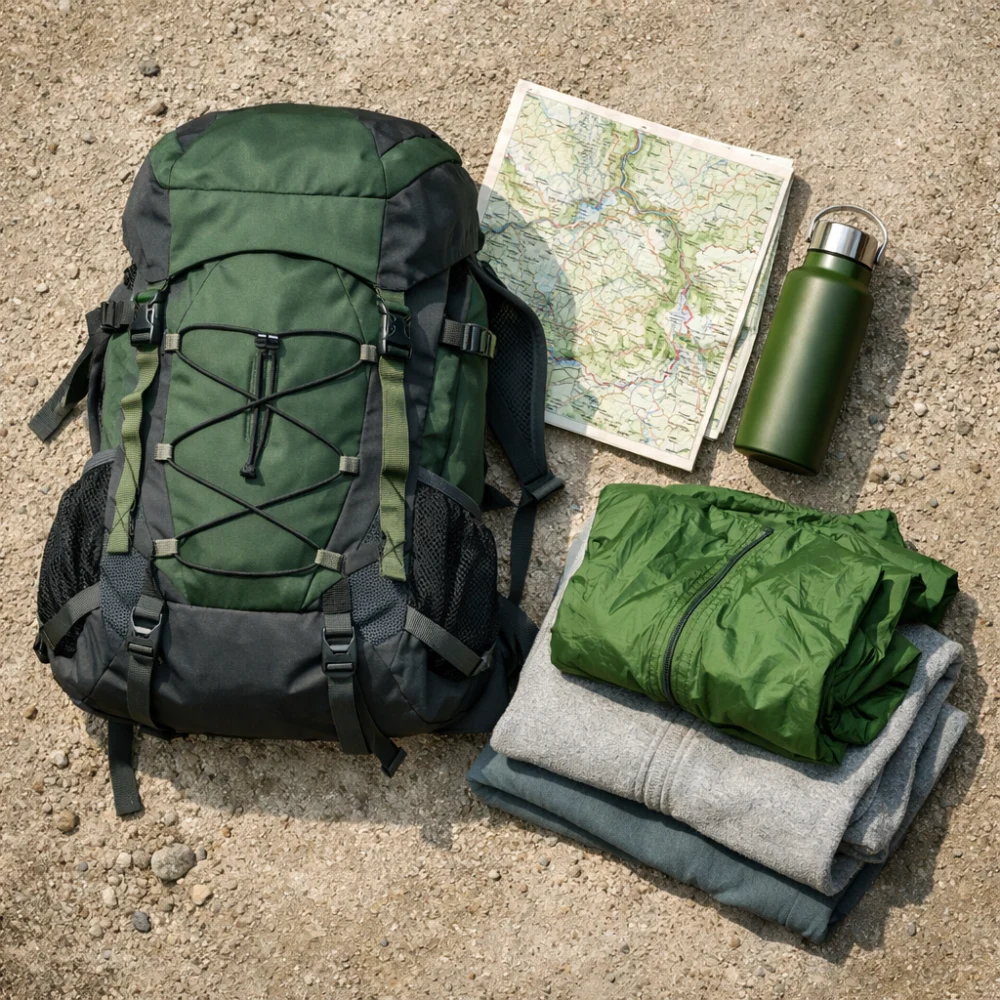

Hiking and camping backpacks cover a wide range of uses, from short day walks to longer outdoor trips where you need to carry more layers, food and equipment. The right choice is usually less about the biggest volume and more about how comfortably the pack matches your load and the way you travel.
If you are buying for the first time, it helps to separate everyday daypacks from packs intended for longer walks or camping use. A backpack that feels fine in a shop can still be awkward once loaded, so it is worth thinking about fit, access, organisation and weather protection before you decide.
Specifications vary by model, so always check the individual product page before buying.
Compare Hiking and Camping Backpacks


As an Amazon Associate we earn from qualifying purchases.
What should you look for in a hiking or camping backpack?
Start with the type of trips you plan to take, then compare capacity, comfort and pack layout. A smaller pack is often easier to carry and organise for short outings, while a larger one may suit longer trips where you need to pack more clothing or camping kit. The main trade-off is usually simple carrying comfort versus extra space and features.
A good choice is one that fits your torso and carrying style as well as your kit. If you only need room for water, snacks and a layer, you may not want the bulk or complexity of a larger camping pack. If you are carrying more for a full day or overnight use, more support and better organisation can matter more than a minimal weight.
| Feature | What It Means | Why It Matters | What To Check |
|---|---|---|---|
| Capacity | How much the backpack can hold | Helps match the pack to a day walk, long hike or camping trip | Look at the stated litre size and think about the kit you normally carry |
| Carry comfort | How the pack sits on your back and shoulders | Strongly affects comfort when the backpack is loaded | Check straps, back support and any fit guidance on the product page |
| Organisation | Pockets, compartments and access points | Makes it easier to separate essentials from bulkier items | Consider whether you want simple storage or more sections for smaller items |
| Weather protection | How the pack handles rain and damp conditions | Useful if you walk in changeable weather | Look for water-resistant materials or any included rain cover if listed |
| Pack weight and bulk | How heavy and compact the empty backpack feels | Affects ease of carrying before you even add your gear | Balance a lighter pack against the support and features you need |
| Access | How easily you can get to the contents | Useful when you want items quickly on the move | Check whether the main opening and pockets suit how you pack |
Key decision criteria explained
Capacity and trip length
Capacity is one of the easiest ways to narrow the choice, but it should not be the only factor. A larger pack can tempt you to carry more than you need, while a smaller one can feel cramped if you pack extra layers or shared items. Think about the kind of trip you take most often rather than the rare occasion when you need maximum space.
Fit and carrying comfort
Comfort matters more as the load gets heavier or the walk gets longer. Straps, back padding and overall shape affect how stable the pack feels, and a poor fit can make even a sensible load uncomfortable. If the listing gives fit notes or size guidance, use them as part of your decision rather than assuming one size suits everyone.
Organisation and access
Some buyers prefer a simple main compartment with a few pockets, while others want more separation for wet items, food or small essentials. Extra compartments can be helpful, but they can also add weight and make packing less flexible. Choose the layout that matches how you actually use your kit.
Weather resistance
Outdoor use often means dealing with drizzle, wet ground or damp clothing. A backpack may be suitable for light weather protection without being fully waterproof, so it is worth checking what is actually claimed on the product page. If keeping contents dry is important, look carefully at the description rather than assuming all hiking backpacks behave the same.
Weight and packability
Some buyers want a more structured pack for comfort and support, while others want something lighter and easier to store between trips. A lighter backpack can be appealing, but it may not offer the same carrying feel or organisation as a more substantial one. The best choice depends on whether you value easy packing, comfort, or a balance of both.
Types and variants you may see
Within this category, the most useful distinction is usually between smaller daypacks and larger hiking or camping rucksacks. Daypacks tend to suit shorter outings and lighter loads, while larger packs may suit longer days or camping trips where more equipment is involved.
You may also see foldable or packable styles. These can be handy when storage space is limited or when you want a spare pack for occasional use, although they may not feel as supportive as more structured designs. For buyers who prioritise comfort over compact storage, a more conventional backpack shape is often easier to live with.
Which backpack suits which kind of buyer?
| Buyer need | Likely priority | What to favour |
|---|---|---|
| Short day walks | Light carry and simple organisation | A smaller pack with enough room for essentials |
| Longer hikes | Comfort over a longer period | Better straps, sensible support and enough room for layers and food |
| Camping trips | More storage and better load management | Higher capacity and a layout that helps separate items |
| Occasional use | Ease of storage and flexible use | A packable style or a straightforward design |
| Frequent outdoor use | Durable feel and practical access | A backpack that balances build quality, comfort and useful pockets |
Common mistakes and misunderstandings
- Choosing only by litre size. Capacity helps, but fit and layout can matter just as much once the pack is on your back.
- Assuming more pockets always help. Extra sections can improve organisation, but they can also add complexity and weight.
- Overlooking weather exposure. If you walk in mixed conditions, check whether the backpack offers meaningful weather resistance or whether you will need to plan for extra protection.
- Buying for the rare biggest trip only. A pack should suit most of your outings, not just the most demanding one you can imagine.
Safety and suitability caveats
This category is about outdoor carrying comfort and practicality, not specialist safety equipment. Check that the backpack suits the load you expect to carry and the type of terrain or weather you usually encounter. If you need a pack for a specific activity or carrying method, make sure the product description clearly supports that use.
Maintenance, storage and lifespan considerations
Backpacks usually last longer when they are dried properly after wet use, stored away from damp and dirt, and not overfilled regularly. If the pack has zips, straps or extra fittings, those are worth checking for wear over time. Removable covers, removable inserts or simpler constructions can also affect how easy a backpack is to keep in good condition.
How to compare options efficiently
- Decide whether you need a daypack, a larger hiking pack or something more suited to camping.
- Compare the stated capacity against the kit you normally carry.
- Check comfort features and any size or fit guidance.
- Review organisation and weather protection against your usual conditions.
- Read the individual product page carefully before you choose.
Summary buyer decision checklist
- Does the capacity suit your usual trips?
- Will the pack feel comfortable when loaded?
- Is the layout simple enough for how you pack?
- Does it offer the level of weather resistance you need?
- Is it easy to store, carry and maintain between outings?
- Have you checked the product page for the specific details that matter?
Frequently asked questions
How do I choose the right size backpack?
Start with the length of your trips and the amount of kit you normally carry. A smaller pack can be better for short outings, while longer walks or camping use often need more space. It is usually better to choose the smallest size that still comfortably fits your essentials.
Is a lighter backpack always better?
Not necessarily. A lighter pack can be easier to carry, but it may offer less support, fewer features or a simpler layout. The best choice is the one that balances comfort, weight and usefulness for your trips.
Do I need lots of pockets?
Only if they help the way you pack. Some people prefer plenty of separate storage, while others find a simpler design easier to use. Too many compartments can make a bag more complex without adding much value.
What does weather-resistant mean for a backpack?
It usually means the backpack can cope better with light wet conditions than an untreated bag, but it does not automatically mean full waterproof protection. If keeping items dry is important, check exactly what the product page claims and plan accordingly.
Can one backpack do both hiking and camping?
Some can, especially if they have enough capacity and a practical layout. The trade-off is that a pack designed for one use may not be ideal for the other, so it is worth thinking about which activity matters most. Look for a balance of comfort, space and organisation rather than assuming one design fits every trip.
Should I buy the biggest backpack I can find?
Usually not. Bigger packs can be useful for longer trips, but they may be unnecessary and less convenient for everyday outdoor use. A backpack that matches your normal carrying needs is often easier to live with.
More Hiking and Camping Backpacks
See all 533 Hiking and Camping Backpacks →


As an Amazon Associate we earn from qualifying purchases.


