
Women's Base Layer Bottoms
Women’s Base Layer clothing is designed to sit close to the skin and help improve comfort during outdoor activity, sport, camping, walking, travel and cold weather use. Whether you are heading out for a winter walk, packing for a camping trip, skiing, cycling, hiking or building a practical layering system, the right base layer can make a big difference to how comfortable you feel.
This category includes women’s base layer options for different activities, seasons and fit preferences. Depending on the product, you may find base layer tops, base layer bottoms, thermal layers, lightweight layers, long sleeve tops, leggings and moisture managing garments where listed.
- Women's Base Layer Bottoms
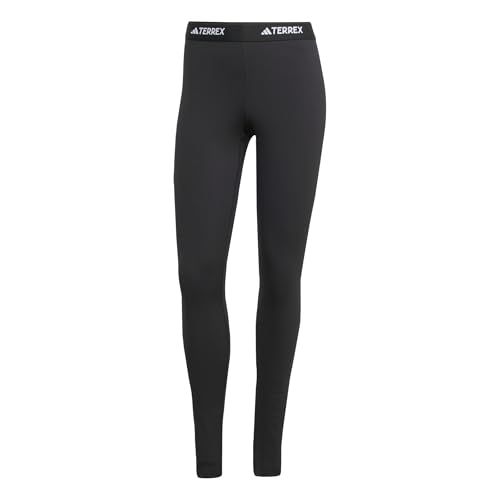
adidas Women's Multi Synthetic Base Layer Tights, Black, M
£28.16 *View On Amazon* - Women's Base Layer Bottoms
FALKE Women's Maximum Warm Trend Long W Ti Functional Yarn Quick Dry 1 Piece Base Layer Top, Blue Space 6116, M
£62.48 *View On Amazon* - Women's Base Layer Bottoms
FALKE Women's Maximum Warm 3/4 W Ti Functional Yarn Quick Dry 1 Piece Base Layer Bottom, Black 3000 Trend, M
£43.99 *View On Amazon* - Women's Base Layer Bottoms
DANISH ENDURANCE Merino Wool Thermal Leggins 250g/m² Heavyweight for Women, Extreme Warm Thermal Tights, Black, M
£71.95 *View On Amazon* - Women's Base Layer Bottoms
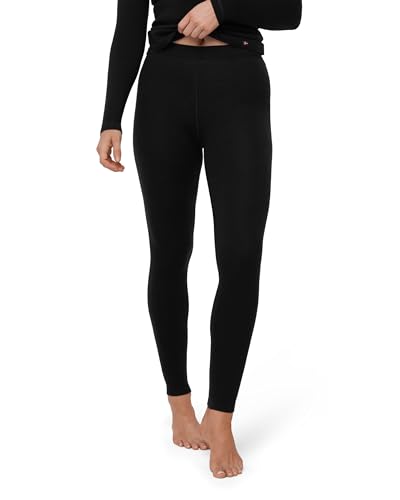
Helly Hansen Women's W HH Lifa Pant, Black, L
Original price was: £40.00.£27.51Current price is: £27.51. *View On Amazon* - Women's Base Layer Bottoms
Ekouaer Women's Thermal Pack of 2 Underwear Set Soft Base Layer Ladies Warm Top & Bottoms for Winter 2 schwarz M
£23.99 *View On Amazon* - Women's Base Layer Bottoms
FALKE Women's Warm 3/4 W Ti Functional Yarn Quick Dry 1 Piece Base Layer Bottom, Black 3000 Iconic, L
£34.70 *View On Amazon* - Women's Base Layer Bottoms
Liang Rou Women's Scoop Neck Top & Bottom Ultra Thin Thermal Underwear Set Royal Blue Medium
£19.98 *View On Amazon* - Women's Base Layer Bottoms
wirarpa Women's Thermal Underwear Set Cotton Warm Base Layer Lightweight Long Sleeve Top & Pyjama Bottoms Black Size XL
£21.99 *View On Amazon* - Women's Base Layer Bottoms
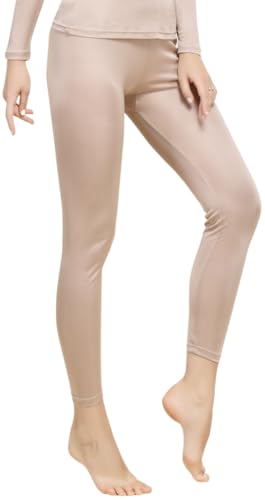
Women Mulberry Silk Thermal Long Johns Underwear Bottom Lightweight Silk Leggings Base Layer Pants (Nude,L)
£18.99 *View On Amazon* - Women's Base Layer Bottoms
Liang Rou Women's Crew Neck Top & Bottom Ultra Thin Thermal Underwear Set Off-White Medium
£19.98 *View On Amazon* - Women's Base Layer Bottoms
Ekouaer Ski Thermals Womens Soft Thermal Underwear Set, Base Layer Top & Bottom, Chestnut Brown, L
£19.99 *View On Amazon* - Women's Base Layer Bottoms
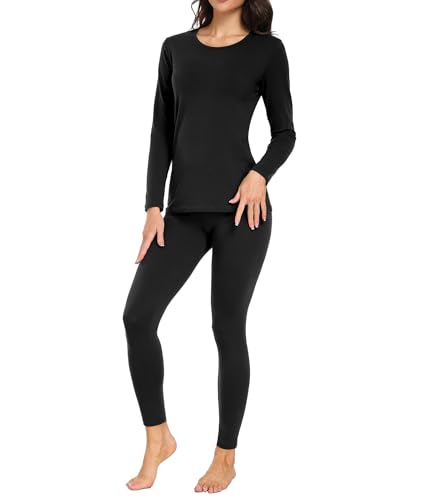
LNFINTDO Womens Thermal Underwear Set Crew Neck Long Sleeve Top & Leggings Pants Winter Warm Base Layer Set for Ladies Black
£17.99 *View On Amazon* - Women's Base Layer Bottoms
HOTUT Women's Thermal Underwear Set, Anti-Bacterial Ski Base Layer, Quick Dry Winter Ladies Thermal for Yoga and Running
£16.59 *View On Amazon* - Women's Base Layer Bottoms
woolcano Women's Merino Wool Thermal Leggings, Thermal Base Layer Pants, Winter Base Layer for Skiing Skating Black M
£45.04 *View On Amazon*




![FORZA Women’s Base Layer Leggings [XS-XL]| Thermal Compression Sports Tights for Running, Gym, Yoga, Football | Quick Dry, Sweat Wicking & Anti-Odour (UK, Alpha, M, Regular, Regular, Black)](https://m.media-amazon.com/images/I/41W23fGSOaL._SL500_.jpg)





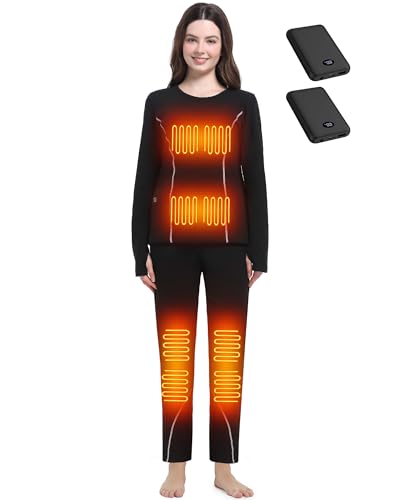


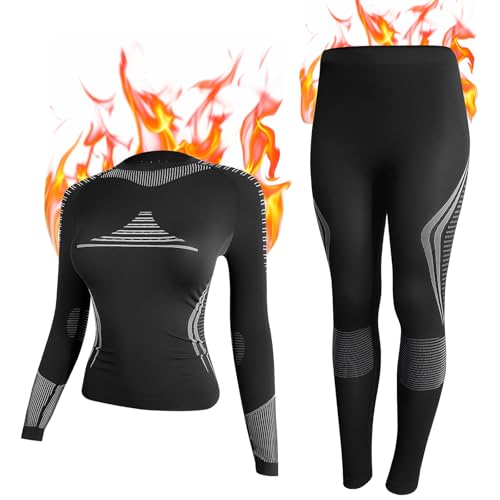

What Is Women’s Base Layer Clothing?
Women’s base layer clothing is the first clothing layer worn next to the skin. Its main role is to support comfort by helping with warmth, moisture management and easy layering, depending on the product and fabric.
Unlike ordinary tops or leggings, base layers are usually designed to work as part of an outdoor clothing system. They can be worn under fleeces, softshell jackets, waterproof jackets, ski clothing, walking trousers or insulated outerwear where suitable.
The exact feel, warmth and performance can vary, so it is always worth checking the product details before choosing.
What Women’s Base Layer Clothing Is Used For
Women’s base layer clothing can be used for walking, hiking, camping, skiing, cycling, running, gym sessions, travel, winter commuting, dog walking and general cold weather layering. It can also be useful for slower outdoor activities where staying warm is important.
For active use, a breathable or moisture managing base layer may help you feel more comfortable as effort levels change where listed. For cold conditions, a thermal base layer can add warmth without needing a bulky outer layer.
Base layers are especially useful when the weather is changeable. You can build warmth in layers, then adjust your outer clothing as conditions and activity levels change.
How To Choose The Right Women’s Base Layer
Start with the activity. A base layer for hiking may need breathability and freedom of movement, while one for camping may focus more on warmth and comfort. A base layer for skiing or winter sports may need to work under salopettes, ski jackets or other specialist clothing where suitable.
Next, think about the season. Lightweight base layers may suit mild weather or active use, while warmer thermal styles may be more suitable for cold conditions where listed.
Finally, consider fit. A base layer is usually designed to sit close to the body, but it should not feel restrictive. It should allow natural movement and sit comfortably under other clothing.
Key Features To Compare
Fabric is one of the most important features to compare. Some base layers use synthetic materials, some use wool blends, and others use stretch fabrics or mixed fibres where listed. Each fabric can feel different against the skin.
Warmth level is also important. A lightweight layer may be better for active movement or milder days, while a warmer thermal layer may be more suitable for cold weather, camping or winter use.
Moisture management may be useful where listed, especially for walking, skiing, cycling or other activities where you may warm up and cool down during the same session.
Fit, sleeve length, waistband comfort, seam placement, stretch, neck style and easy care features can also affect how comfortable the base layer feels in real use.
Base Layers Compared With Normal T Shirts
A normal T shirt can be comfortable for casual wear, but it may not work as well for outdoor layering. Cotton rich T shirts can hold moisture and may feel cold or heavy if they become damp during activity.
A women’s base layer is usually designed to sit closer to the body and support comfort during movement, temperature changes and layering where listed. It can feel more practical under fleeces, jackets and waterproof layers.
The trade off is that base layers can feel more fitted than everyday tops. If you prefer a looser feel, check sizing and fit carefully before choosing.
Base Layers Compared With Thermal Tops
A thermal top is usually chosen for warmth, while a base layer may be chosen for warmth, moisture management, active comfort or layering depending on the product.
Some thermal tops are also base layers, but not every base layer is heavily insulated. Lightweight base layers may suit active outdoor use, while warmer thermal styles may suit colder or slower activities.
The right choice depends on whether you mainly need warmth, breathability or a balance of both.
Beginner Regular And Experienced Outdoor Use Guidance
Beginners should focus on a comfortable base layer that suits the most common activity and weather. A simple long sleeve top or leggings style base layer can be a useful starting point for walking, camping and winter days out.
Regular outdoor users may want to compare fabric weight, fit, breathability and how the base layer works under jackets, fleeces and trousers. Having more than one option can be useful across different seasons.
Experienced users often choose base layers based on activity intensity, fabric feel, drying time, seam comfort and layering compatibility. Small details can make a noticeable difference on longer days outdoors.
Use Cases By Activity
For walking and hiking, women’s base layers can help create a flexible clothing system. Wear them under fleeces, walking trousers and waterproof jackets depending on the weather.
For camping, base layers can be useful during cool evenings, early mornings and sleeping in colder conditions where suitable.
For skiing and snow activities, base layers are often worn under ski trousers, salopettes and jackets to help manage warmth and comfort where compatible.
For cycling or running, lightweight and moisture managing options may be useful where listed, especially when effort levels change quickly.
For everyday winter use, base layers can add hidden warmth under normal clothing without adding too much bulk.
Fit Sizing And Comfort
Women’s base layers should sit close enough to work under other clothing, but they should not dig in, restrict movement or feel uncomfortable. The fit should allow bending, stretching, walking and reaching.
Check the size guide where listed and compare it with your measurements. Consider whether the product is designed as a close fit, regular fit or relaxed fit where stated.
For tops, check sleeve length, shoulder comfort and body length. For bottoms, check waistband comfort, leg length and how they sit under trousers.
If you are between sizes, think about how you want the base layer to feel. A closer fit may layer more smoothly, while a slightly more relaxed fit may feel easier for casual wear.
Layering With Women’s Base Layers
A base layer works best as the first part of a layering system. It can be worn under a mid layer such as a fleece, hoodie or softshell, then under an outer layer such as a waterproof jacket or insulated coat where suitable.
Layering helps you adapt to changing conditions. If you get warm during activity, you can adjust outer layers while keeping the base layer comfortable next to the skin.
For cold days, base layer bottoms can be worn under walking trousers, ski trousers or outdoor trousers where the fit allows. For milder days, a lightweight base layer top may be enough under a simple jacket.
Weather Suitability And Seasonal Choice
Women’s base layers can be useful across several seasons, but the right type depends on the weather and activity. Lightweight styles may suit spring, autumn and active use. Warmer thermal styles may suit winter, camping or slower outdoor activities where listed.
In cold weather, base layers help form the foundation of a warm outfit. In wet weather, they should be paired with suitable outerwear, as base layers are not usually designed to replace waterproof clothing.
In warmer weather, a breathable lightweight base layer may still be useful for some activities where listed, but overly warm styles may feel uncomfortable.
Safety And Practical Considerations
Women’s base layer clothing should suit the activity and conditions. Wearing too much insulation during active movement can lead to overheating, while wearing too little in cold conditions can leave you uncomfortable.
Choose layers that allow full movement and do not catch, bunch or rub under other clothing. Seams, waistbands and cuffs can become more noticeable during long walks, skiing or cycling.
For camping and outdoor cooking, keep base layers and other clothing away from open flames, stoves, heaters and barbecues. Lightweight fabrics should always be used carefully around heat sources.
Care Cleaning And Storage
Always follow the care label on the product. Base layers may use technical fabrics, wool blends, stretch fibres or thermal materials that need specific washing and drying care.
Wash after active use where needed, especially if the garment has been worn next to the skin during sport or outdoor activity. Let base layers dry fully before storing them.
Avoid leaving damp base layers in a bag after walking, camping or training. This can lead to odour and make them less pleasant to wear next time.
Store base layers folded neatly with outdoor clothing so they are easy to find when packing for trips or getting ready for cold weather.
Useful Accessories To Consider
Useful accessories for women’s base layers may include fleeces, softshell jackets, waterproof jackets, insulated jackets, walking trousers, outdoor socks, hats, gloves, neck warmers and day bags.
For camping or winter trips, spare socks, a warm mid layer and a waterproof outer layer can help create a more complete setup. For skiing or hiking, base layer tops and bottoms can be paired with activity suitable outer clothing where compatible.
Choosing accessories alongside base layers helps make sure the full outfit works together rather than relying on one layer to do everything.
Why Buy From YPC?
At YPC, we understand active lifestyles and the need for practical products that work in real use. Women’s base layer clothing should be chosen for comfort, fit, fabric, warmth, breathability and the way it will actually be worn.
YPC brings together a wide range of sports, outdoor and activity products so you can compare available women’s base layer options by size, use, fabric, comfort and suitability. Browse the Women’s Base Layer category to compare the range and choose practical layering clothing for walking, camping, skiing, travel, sport and everyday cold weather use.
FAQs
What is women’s base layer clothing used for?
Women’s base layer clothing is used as the first layer next to the skin. It can help with comfort, warmth and moisture management during outdoor activity, sport, camping, travel and cold weather use depending on the product.
Should a women’s base layer be tight?
A base layer should usually sit close to the body, but it should not feel tight or restrictive. It should allow natural movement and fit comfortably under other clothing.
Is a base layer the same as a thermal top?
Not always. Some base layers are thermal, but others are lightweight and designed more for active comfort or moisture management. Check the product details for warmth and fabric information where listed.
Can I wear a base layer for walking?
Yes, a women’s base layer can be useful for walking, especially in cool or changeable weather. It can be worn under a fleece, softshell or waterproof jacket as part of a layering system.
Are base layers good for camping?
Yes, base layers can be useful for camping, especially during cool evenings, early mornings or colder nights where suitable. Choose warmth and comfort based on the season and expected conditions.
What should I wear over a women’s base layer?
You can wear a fleece, hoodie, softshell jacket, insulated jacket or waterproof jacket over a base layer depending on the weather. For bottoms, base layers can be worn under walking trousers or outdoor trousers where suitable.
How do I choose the right base layer fabric?
Choose fabric based on comfort, activity and weather. Some fabrics focus on warmth, some on breathability, and some on moisture management where listed. Always check the product details before buying.
How should women’s base layers be washed?
Follow the care label on the product. Base layers may use technical or stretch fabrics that need specific washing care. Wash after use where needed and let them dry fully before storing.
 Getting ready for Summer? View our Home and Garden Products

Heading outdoors this winter? Take a look at our Outdoor Clothing.