
Women's Parka Jackets
Women’s Parka Jackets are designed for colder days, changing weather and everyday outdoor use where warmth, coverage and comfort matter. Whether you are buying for winter walks, school runs, commuting, travel, camping, dog walking or general cold weather wear, a suitable parka can be a practical outer layer for daily life.
This category includes women’s parka jackets in different lengths, fits and styles. Depending on the product, you may find insulated parkas, hooded parkas, faux fur trim styles, water resistant parkas, waterproof parkas, lightweight parkas and longer outdoor coats with practical pockets, adjustable features or warm linings where listed.
- Women's Parka Jackets
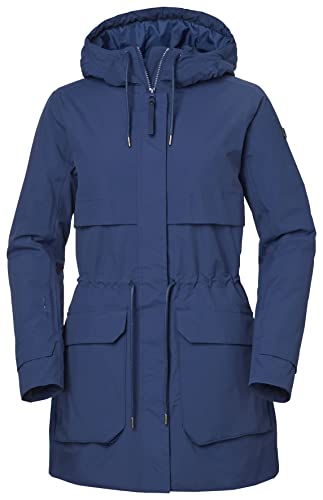
Helly Hansen Women’s Boyne Parka 2.0 Ins Jacket, Ocean, S
£182.95 *View On Amazon* - Women's Parka Jackets
Regatta Womens Romine II Waterproof Parka Jacket Insulated Breathable Winter Coat
£45.69 *View On Amazon* - Women's Parka Jackets
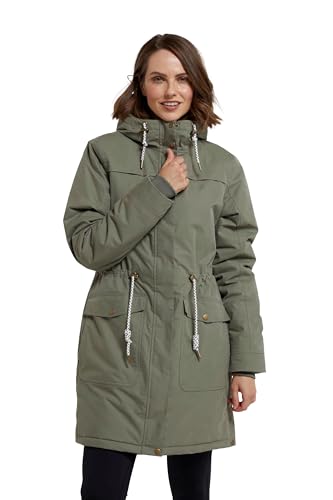
Mountain Warehouse Acorn Womens Borg Lined Padded Waterproof Parka Jacket Khaki Size 14
£99.99 *View On Amazon* - Women's Parka Jackets
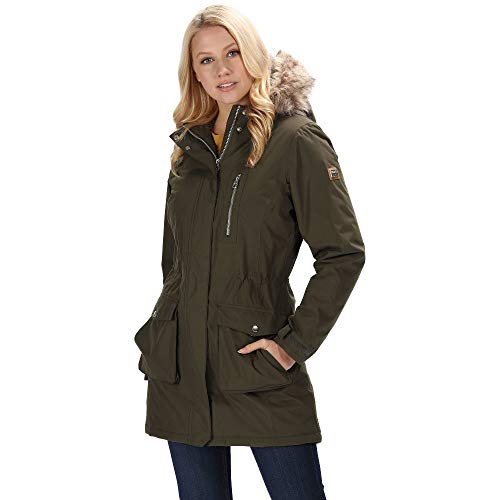
Regatta Womens Amur Waterproof Breathable Parka Jacket Coat – 20
£35.56 *View On Amazon* - Women's Parka Jackets
Regatta Rimona Waterproof Breathable Taped Seams Insulated Lined Hooded Jacket – Black, 8
£50.38 *View On Amazon* - Women's Parka Jackets
Regatta Womens Romine Waterproof Parka Jacket – Black – 8
£53.44 *View On Amazon* - Women's Parka Jackets
Helly Hansen Women’s Standard Mayen Waterproof Breathable Parka Insulated Hooded Jacket, 162 Red, Medium
£177.57 *View On Amazon* - Women's Parka Jackets
Trespass Womens Audrey II Padded Longer Length Jacket Coat – Khaki – L / UK 14
£50.00 *View On Amazon* - Women's Parka Jackets
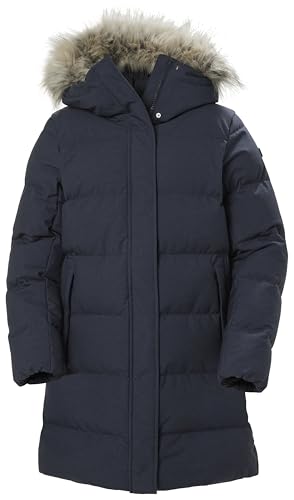
Helly Hansen Women’s W Aden Winter Parka, Navy, XL
Original price was: £200.00.£138.32Current price is: £138.32. *View On Amazon* - Women's Parka Jackets
Trespass Sasha Womens Padded Long Length Jacket with Ripstop and 2 Zip Pockets
£58.76 *View On Amazon* - Women's Parka Jackets
Trespass Womens Parka Jacket Clea Waterproof Lightly Padded with Removable Hood Fur Trim
£49.99 *View On Amazon* - Women's Parka Jackets
Trespass Womens/Ladies Celebrity Insulated Longer Length Parka Jacket XS Black
£34.65 *View On Amazon* - Women's Parka Jackets
Helly Hansen Women’s W Senja Parka, Green, XS
Original price was: £280.00.£182.44Current price is: £182.44. *View On Amazon* - Women's Parka Jackets
Helly Hansen Women’s Maud Parka Jacket, 990 Black, Medium
£454.20 *View On Amazon*







What Are Women’s Parka Jackets?
Women’s parka jackets are outerwear jackets that are usually longer than standard coats and often designed to provide more body coverage. Many parka styles include a hood, warm lining or insulated construction where listed, making them popular for colder outdoor conditions.
A parka is often chosen for everyday practicality rather than high intensity sport. It can be useful when you want warmth, comfort and a more protective fit for daily routines, winter travel and relaxed outdoor activity.
Not every parka offers the same weather protection, insulation or fabric performance, so always check the individual product details before choosing.
What Women’s Parka Jackets Are Used For
Women’s parka jackets can be used for winter walks, commuting, school runs, shopping, camping, travel, festivals, dog walking, outdoor events and everyday cold weather wear. Their longer cut can help provide extra coverage around the hips and upper legs compared with shorter jackets.
For slow paced activities, a parka can be especially useful because warmth matters more when you are not moving quickly. For more active walking, breathability, weight and fit should be compared carefully.
A parka can also work well as a practical town to countryside layer, giving enough comfort for daily wear while still feeling suitable for outdoor conditions where listed.
How To Choose The Right Women’s Parka Jacket
Start with the weather you expect most often. If cold is the main concern, compare insulation, lining and length where listed. If rain is a regular issue, check whether the parka is described as waterproof or water resistant. These features are not the same.
Next, think about the main use. A parka for commuting may need a smart practical look, good pockets and a comfortable hood. A parka for dog walking or camping may need more warmth, coverage and easy care features.
Finally, consider fit and layering. A women’s parka should allow enough room over jumpers, fleeces or base layers without feeling bulky or restrictive. The sleeves, shoulders and hem should allow comfortable movement for walking, sitting, driving and carrying bags.
Key Features To Compare
Warmth is one of the main features to compare. Some parkas are lightly lined, while others may include thicker insulation or fleece style linings where listed. Choose based on the season and how cold you usually feel.
Length is also important. Longer parkas can provide extra coverage, while shorter parka styles may feel easier for active use or driving. The right length depends on comfort, mobility and the situations where the jacket will be worn.
Hood design can make a real difference in cold or wet weather. Some hoods may be adjustable, removable, lined or trimmed where listed. Check whether the hood provides the coverage you need.
Pockets are worth comparing too. Hand pockets, internal pockets, zipped pockets or buttoned pockets may be useful depending on the product and how you carry everyday essentials.
Other details to compare include cuffs, hems, waist adjusters, zip covers, outer fabric, lining, breathability, weight and care instructions.
Parka Jackets Compared With Waterproof Jackets
A waterproof jacket is usually chosen mainly for rain protection where listed. It may be lighter, easier to pack and more suitable for active walking in wet weather.
A parka jacket is usually chosen for warmth, coverage and everyday comfort. Some parkas may include waterproof or water resistant features where listed, but not all are designed for heavy rain.
The trade off is protection against practicality. If you need reliable rainwear for long wet walks, a waterproof jacket may be more suitable. If you need a warm everyday coat for cold and changeable weather, a parka may be the better choice.
Parka Jackets Compared With Down Jackets
Down jackets are often chosen for warmth and low weight where listed. They can be useful in cold, dry conditions and may pack down more easily depending on the product.
Parka jackets often offer a longer cut and more everyday coverage. They may feel more protective around the body and can work well over normal clothing.
The trade off is that parkas can be heavier or bulkier than lightweight down jackets, while down jackets may not offer the same length or everyday coverage. The best choice depends on warmth, weather and how the jacket will be worn.
Parka Jackets Compared With Softshell Jackets
Softshell jackets are usually chosen for movement, flexibility and active outdoor use. They can be useful for walking, hiking and milder conditions where stretch and breathability matter.
Parka jackets are usually chosen for warmth, coverage and comfort in colder weather. They are often more suitable for slower paced use, commuting and everyday wear.
If you are moving quickly, a softshell may feel less bulky. If you are standing around, walking slowly or dealing with winter routines, a parka may feel more comfortable.
Beginner Regular And Outdoor Lifestyle Guidance
If you are buying your first women’s parka jacket, focus on comfort, warmth, fit and weather suitability. A practical hood, useful pockets and enough room for layers are often more helpful than complicated features.
For regular outdoor use, compare insulation, outer fabric, sleeve comfort, hem length, pocket placement and care needs more closely. A jacket worn most days needs to feel reliable in real routines.
For outdoor lifestyle use, think about how the parka works across different settings. A versatile parka can be useful for school runs, work commutes, dog walks, shopping trips and weekend travel.
Use Cases By Activity
For commuting, choose a women’s parka jacket that fits comfortably over everyday clothing and feels practical with bags, scarves and winter accessories.
For dog walking, warmth, hood coverage, pocket space and easy care features may be useful. If you walk in wet fields or muddy areas, check water resistance and cleaning guidance where listed.
For camping, a parka can be useful during chilly mornings, relaxed evenings and low activity moments around the campsite. Keep it away from open flames, stoves and heaters.
For travel, a parka can be a practical cold weather coat where warmth and pocket storage matter. Consider weight and packability if luggage space is limited.
For everyday winter wear, comfort, style, warmth and ease of movement are usually the main priorities.
Fit Sizing And Comfort
Women’s parka jackets should fit comfortably across the shoulders, chest and arms. The jacket should allow natural movement without pulling when reaching, walking or sitting.
Check the size guide where listed and compare it with your measurements. Think about what you will wear underneath. A parka worn over a jumper or fleece needs more room than one worn over a thin top.
The hem should provide the coverage you want without making movement awkward. A longer parka can feel warmer, but it should not restrict walking, climbing steps or getting in and out of a car.
Sleeve length, cuff fit and hood comfort are also worth checking, especially if the jacket will be worn daily.
Layering With Women’s Parka Jackets
Women’s parka jackets can work well as the outer layer in a simple winter clothing system. They can be worn over T shirts, base layers, jumpers, fleeces, hoodies or lightweight insulated layers depending on the fit and weather.
Layering helps you adapt to changing conditions. On milder days, a parka may be enough over everyday clothing. In colder weather, a warm mid layer underneath can improve comfort.
If the parka is very warm, too many layers may feel bulky or cause overheating during active use. Choose layers based on the temperature, activity and how long you expect to be outdoors.
Weather Suitability And Seasonal Choice
Women’s parka jackets are often useful in autumn, winter and colder spring conditions. Some lighter parkas may also suit cooler summer evenings where listed.
For rain, check whether the product is waterproof or water resistant where listed. A water resistant parka may help with light showers, but it should not be treated as suitable for heavy rain unless clearly stated.
For wind, a longer cut, hood and adjustable cuffs may help improve comfort where listed. For very cold weather, look closely at insulation, lining and layering space.
No single parka is right for every condition, so match the jacket to the weather you face most often.
Compatibility With Outdoor Clothing And Accessories
A women’s parka jacket should work with the rest of your outdoor clothing. It should sit comfortably over base layers, jumpers, fleeces or everyday outfits where suitable.
If you use a backpack or shoulder bag, check whether the shoulders and pockets still feel comfortable. Longer parkas may also need to work with your usual trousers, leggings, walking boots or trainers.
Accessories can make a parka more useful. Hats, gloves, scarves, neck warmers and warm socks can help complete a cold weather setup without relying on the jacket alone.
Safety And Practical Considerations
A women’s parka should allow safe and easy movement. Avoid jackets that are so long, tight or bulky that they restrict walking, driving, cycling or climbing steps.
Hoods should not block vision, especially when crossing roads, walking in low light or moving through busy areas. Cords, trims and fastenings should be checked carefully and used sensibly.
In low light, brighter colours or reflective details may be useful where listed, especially for commuting or dog walking. These features should not replace suitable lighting or safe route planning.
For camping and outdoor cooking, keep parkas away from flames, barbecues, stoves and heaters. Insulated and synthetic fabrics should always be used carefully around heat.
Care Cleaning And Storage
Always follow the care label on the product. Parka jackets may include insulation, waterproof finishes, water resistant coatings, faux fur trims, linings or decorative details where listed, and these can affect how the jacket should be washed.
Let a damp parka dry fully before storing it. Leaving it wet in a cupboard, car boot or bag can lead to odour and may make it less pleasant to wear next time.
If the parka has removable trims or liners where listed, check the instructions before washing. Store the jacket hanging where possible so it keeps its shape and is easy to grab on cold days.
Avoid placing heavy items on top of insulated parkas for long periods, as this may affect comfort and shape.
Useful Accessories To Consider
Useful accessories for women’s parka jackets may include base layers, fleeces, knitwear, hats, gloves, scarves, neck warmers, outdoor socks, walking boots, wellington boots and waterproof trousers.
For wet winter days, waterproof footwear and a suitable bag can make the outfit more practical. For cold dry days, warm accessories can add comfort without needing a heavier jacket.
For travel or camping, a spare warm layer, gloves and a hat can help keep you prepared when temperatures drop.
Why Buy From YPC?
At YPC, we understand active lifestyles and the need for practical products that work in real use. Women’s parka jackets should be chosen for warmth, fit, comfort, coverage, weather suitability and the way they will actually be worn day to day.
YPC brings together a wide range of sports, outdoor and lifestyle products so you can compare available women’s parka jackets by size, use, features, comfort and practicality. Browse the Women’s Parka Jackets category to compare the range and choose suitable outerwear for commuting, walking, camping, travel and everyday cold weather wear.
FAQs
What is a women’s parka jacket used for?
A women’s parka jacket is used for warmth, coverage and everyday outdoor comfort in colder weather. It can be suitable for commuting, walking, dog walking, camping, travel and general winter wear depending on the product.
Are women’s parka jackets waterproof?
Not always. Some parka jackets may be waterproof or water resistant where listed, but others focus mainly on warmth and style. Check the product details carefully if rain protection is important.
Are parka jackets warm?
Many parka jackets are designed for warmth, but insulation levels vary by product. Check the lining, insulation and product details where listed to choose a jacket suited to the conditions.
What should I wear under a parka jacket?
You can wear everyday clothing, base layers, jumpers, fleeces or hoodies under a parka depending on the weather and jacket fit. Make sure the layers allow comfortable movement.
Are parkas good for winter walks?
Yes, parkas can be useful for winter walks, especially slower paced walks or cold daily routines. For active hiking or heavy rain, compare waterproof jackets or technical outdoor layers as well.
What is the difference between a parka and a normal jacket?
A parka is usually longer and often designed for warmth and coverage. A standard jacket may be shorter, lighter or more focused on a specific use such as rain protection or active outdoor movement.
How should a women’s parka jacket fit?
It should fit comfortably across the shoulders, chest and arms, with enough room for layers. It should not restrict walking, sitting, reaching or carrying a bag.
How do I wash a women’s parka jacket?
Follow the care label on the product. Parkas may include insulation, trims, linings or weather protective finishes that need specific washing and drying care where listed.
 Getting ready for Summer? View our Home and Garden Products

Heading outdoors this winter? Take a look at our Outdoor Clothing.