

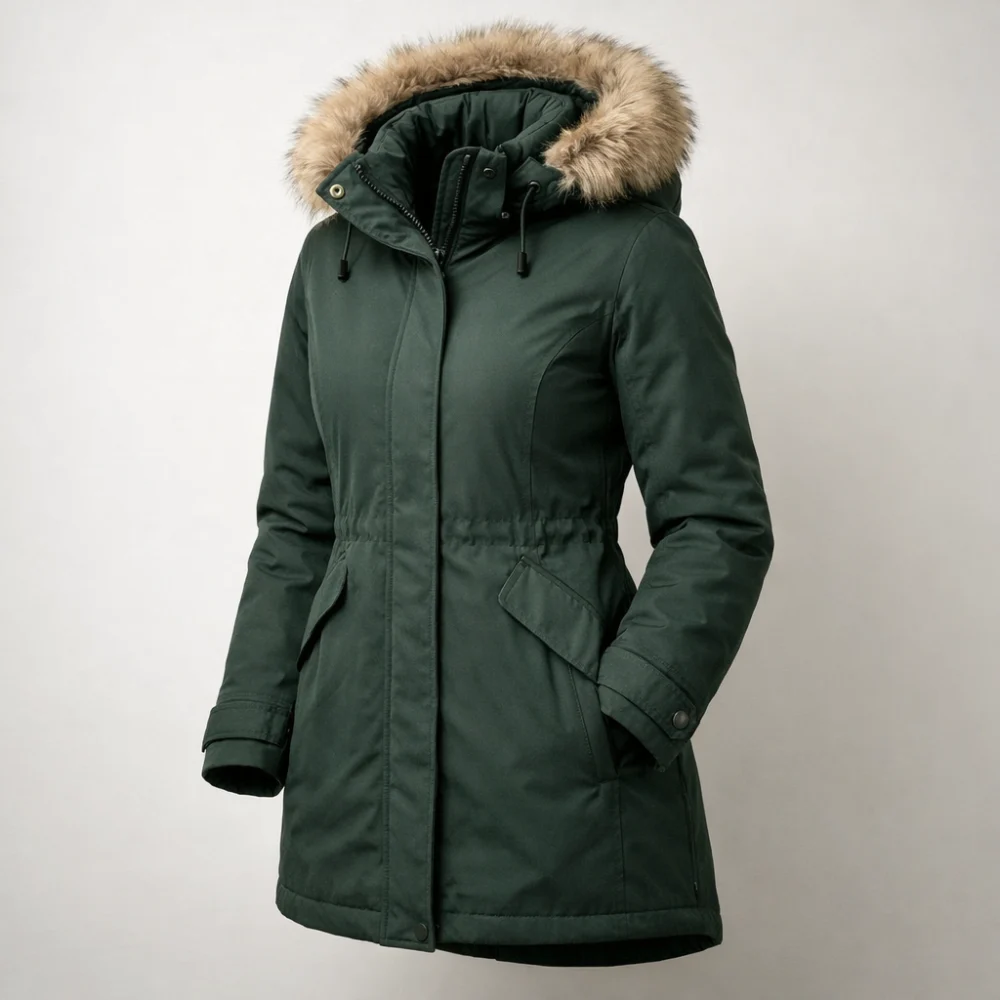

Women’s parka jackets are designed for cooler, wetter conditions where you want more coverage than a short jacket can usually give. They are often chosen for everyday wear, commutes, dog walks and general outdoor use when warmth, hood coverage and a practical shape matter.
The right parka depends on how much insulation you want, how weatherproof it needs to be and how long you expect to wear it for at a time. Some parkas are more winter-focused, while others are lighter, more casual layers with a longer cut. Specifications vary by model, so always check the individual product page before buying.
Compare Women's Parka Jackets


As an Amazon Associate we earn from qualifying purchases.
What should you look for in a women’s parka jacket?
A good starting point is to decide whether you need a jacket that is mainly warm, mainly weather-resistant, or a balance of both. The longer length of a parka can be helpful for extra coverage, but it may also feel heavier or less compact than a shorter jacket. The most useful choice is usually the one that matches your typical weather and how active you are when wearing it.
| Feature | What it means | Why it matters | What to check |
|---|---|---|---|
| Warmth | How much insulation or lining the jacket includes | Affects comfort in cold weather and how long you can stay out | Look for the listed insulation type, lining details and intended season |
| Weather protection | How well the jacket handles rain, wind and damp conditions | Important if you wear it in changeable British weather | Check fabric description, waterproof or water-resistant wording and hood details |
| Length | How far the jacket extends down the body | Longer coverage can add comfort and protection, but may reduce ease of movement | Review the stated length or fit description and think about your usual activities |
| Fit and layering room | How the jacket sits over everyday clothes or knitwear | Affects comfort, mobility and whether you can layer underneath | Check sizing guidance, fit notes and any mention of a relaxed or regular shape |
| Hood and fastening details | Features that help with coverage and retention in wind or rain | Useful when the weather turns or when you want the jacket to stay in place | Look for hood adjustment, zip closure, storm flap or cuff features where listed |
Key decisions that matter most
Warmth versus weight
More insulation usually means more warmth, but it can also make the jacket feel bulkier. If you mainly want a coat for short journeys and everyday wear, you may prefer moderate warmth rather than the heaviest option. If you spend long periods outdoors, warmth and coverage may matter more than packability.
Weatherproofing versus breathability
Some parkas prioritise keeping wind and rain out, while others are more about comfort and casual wear. A highly weather-resistant jacket can be useful in wet conditions, but it may feel warmer inside when you are walking quickly or wearing layers. If you expect to be active, consider whether breathability is mentioned alongside protection.
Length and mobility
A longer parka can give a reassuring amount of coverage, especially in cold weather, but it may feel less flexible when you sit, drive or move quickly. A mid-length style may be easier to live with day to day, while a longer coat may suit stationary or slower-paced use. Think about where and how you will wear it most often.
Hood shape and adjustability
A hood is one of the most useful parka features, but not all hoods behave the same way. Some are designed mainly for casual coverage, while others are more adjustable and better suited to wind or rain. Check whether the hood is fixed or detachable, and whether the product page mentions adjustment features.
Common parkas and how they differ
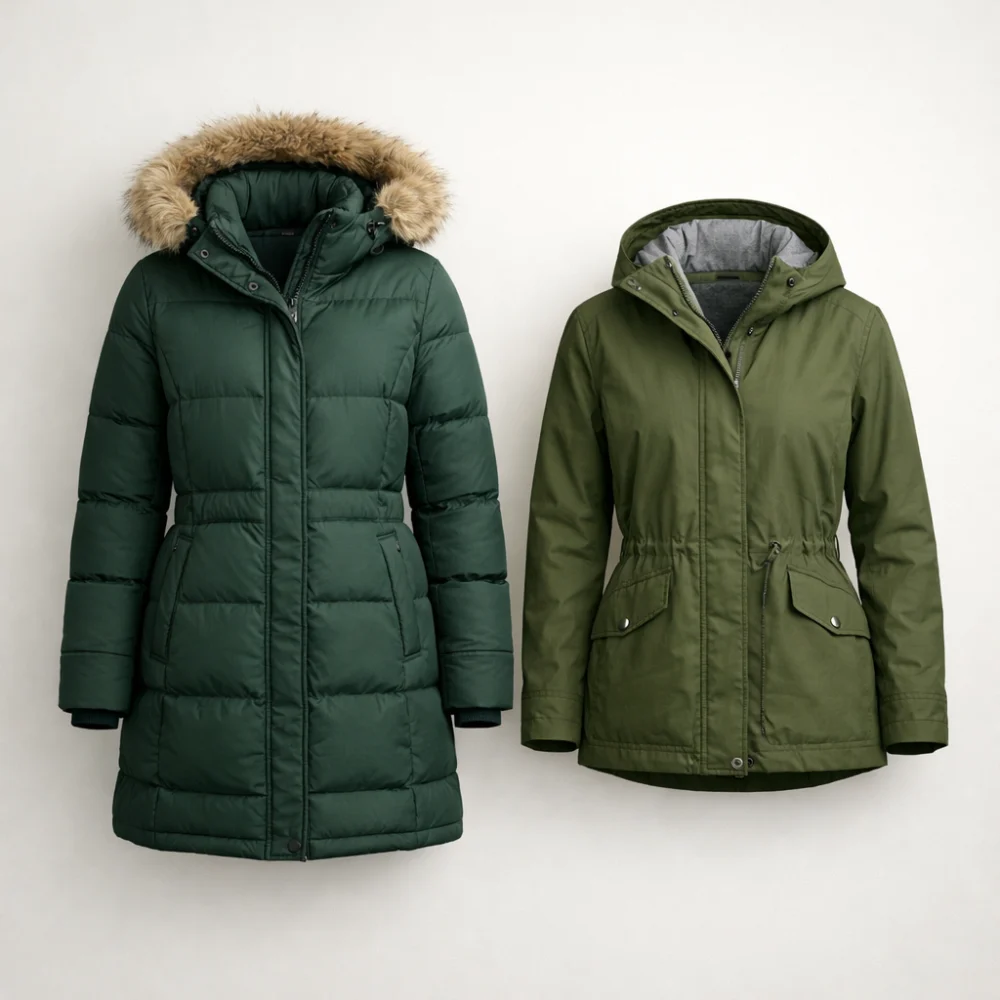
Within women’s parkas, shoppers usually see a few broad styles rather than a huge number of sharply defined types. The most useful differences are about warmth, weather protection and appearance.
- Insulated parkas: suited to colder conditions and longer wear, with a greater focus on warmth.
- Weather-resistant parkas: useful when rain or wind is a regular concern and you want more protection from the elements.
- Everyday casual parkas: chosen as a practical coat for daily use, where comfort and style matter as much as performance.
None of these categories is automatically better. The right choice depends on whether you need a coat for winter commutes, mixed-weather errands or occasional outdoor use.
Which parka suits which buyer?
| Buyer need | Useful features | Trade-off to accept |
|---|---|---|
| Cold-weather everyday wear | More insulation, longer coverage, hood, secure fastening | Usually less lightweight and less compact |
| Wet and windy days | Weather-resistant outer, hood, close-fitting cuffs or hem details | May feel less soft or less breathable |
| General casual use | Comfortable fit, moderate warmth, simple design | May offer less protection in harsh weather |
| Layering over knitwear | Roomier fit and clear sizing guidance | Can look bulkier if worn without layers |
Common mistakes to avoid
- Choosing by appearance alone: a parka may look warm, but the lining and outer fabric matter more than style alone.
- Ignoring fit over layers: if you often wear jumpers underneath, check the shape and sizing notes rather than assuming your usual size will suit.
- Overlooking weather needs: a casual parka may be fine for dry cold days, but not every style is intended for regular rain.
- Assuming all parkas are heavy winter coats: some are lighter everyday jackets with parka styling rather than serious cold-weather outerwear.
Safety and suitability caveats
Consider where you will use the jacket most often and whether you need extra coverage for rain, wind or low temperatures. A parka can improve comfort in poor weather, but it is still important to check the individual product details rather than assuming every style offers the same level of protection. If you need a jacket for a specific environment or prolonged exposure, read the product page carefully and match it to your own use case.
Care, storage and long-term use
How you look after a parka can affect how well it keeps its shape and appearance. Check the care label on the individual product page or garment before cleaning, because outer fabrics, linings and trims may have different requirements. Store it somewhere dry with enough space for the jacket to hang or sit without being crushed, especially if it has insulation or a structured hood.
How to compare options efficiently
- Start with when and where you will wear the jacket most often.
- Decide whether warmth, weather resistance or everyday comfort matters most.
- Compare length, fit and hood details side by side.
- Check the product page for any notes about insulation, lining and outer fabric.
- Choose the option whose trade-offs fit your real use, not just the look.
Summary buyer decision checklist
- Do I need the jacket mainly for warmth, weather protection or both?
- Is the length suitable for how I move and dress day to day?
- Will I wear it over jumpers or thicker layers?
- Does the hood and fastening style suit the weather I expect?
- Have I checked the individual product page for the features that matter most to me?
Frequently asked questions
Are parka jackets good for everyday wear?
Yes, many parkas are designed with everyday use in mind. They often work well for commuting, walking and general outdoor errands because they offer more coverage than a short jacket. The key is choosing a weight and fit that feels comfortable for how often you will wear it.
What is the difference between a parka and a padded coat?
A parka is usually defined by its longer shape, hood and practical outerwear style. A padded coat is a broader term that can include many styles, some of which may be shorter or less weather-focused. In practice, some jackets combine both features, so it is worth checking the product description rather than relying on the name alone.
Should I size up in a parka jacket?
Not always. Some buyers prefer a little extra room for jumpers, but sizing up too far can make the coat feel bulky or less neat. Check the fit notes and think about what you will wear underneath before deciding.
Are women’s parkas waterproof?
Not necessarily. Some are weather-resistant or water-repellent, while others may be more focused on warmth and casual wear. If wet weather matters to you, look carefully for the wording used on the product page instead of assuming all parkas are waterproof.
What length of parka is most practical?
That depends on how you use it. A longer parka can offer more coverage and warmth, while a mid-length style may be easier to sit in and move around in. Think about whether you want extra protection or easier everyday wear.
How do I compare two similar parkas?
Put warmth, weather protection, length, fit and hood details side by side. Then decide which trade-off matters more to you: more coverage and insulation, or a lighter and easier-to-wear coat. That usually makes the choice much clearer than comparing style alone.
More Women's Parka Jackets
See all 371 Women's Parka Jackets →


As an Amazon Associate we earn from qualifying purchases.


