
Women's Fleeces and Midlayers
Women’s Fleeces & Midlayers: Warm, Lightweight & Adventure-Ready
Women’s fleeces and midlayers provide the perfect balance of warmth, breathability, and versatility, making them essential for outdoor adventures, everyday wear, and layering in colder conditions. Whether you’re hiking, travelling, or simply staying cosy at home, a high-quality fleece or midlayer offers insulation without bulk, ensuring comfort in any season.
Since 1988, we’ve been a trusted supplier of high-quality outdoor clothing, offering premium women’s fleeces and midlayers designed for durability, style, and all-weather performance.
- Women's Fleeces and Midlayers
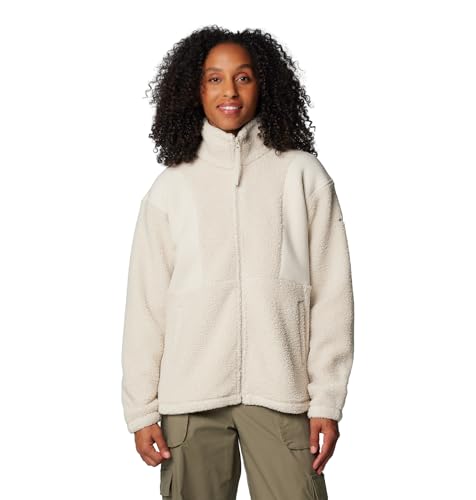
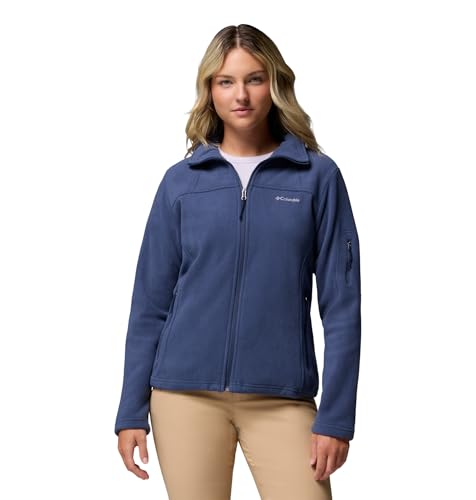
Columbia Women's Full-Zip Fleece Jacket, Panorama II
£54.99 *View On Amazon* - Women's Fleeces and Midlayers
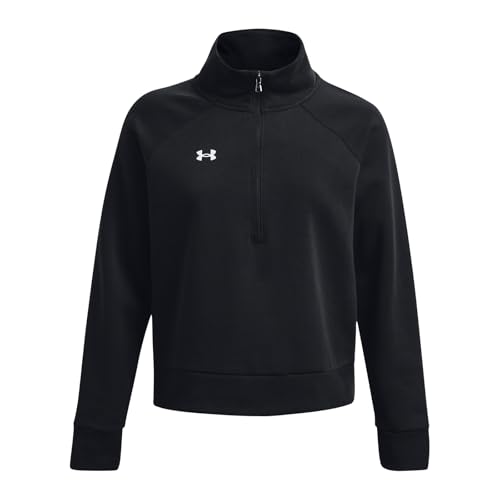
Under Armour Women's UA Rival Fleece HZ Shirt Black
£48.47 *View On Amazon* - Women's Fleeces and Midlayers
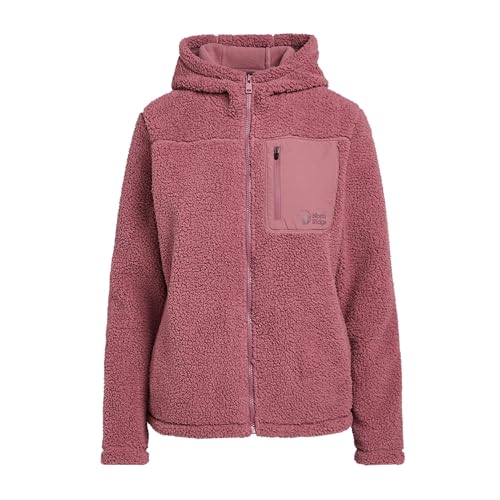
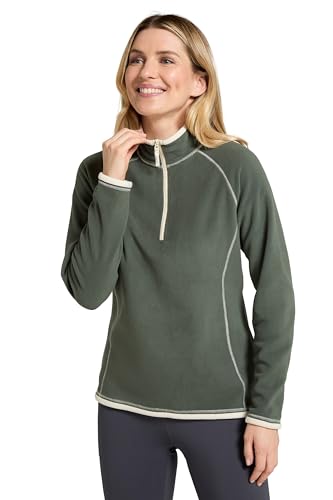
Regatta Womens Sweethart Half Zip Fleece Lightweight Quick Dry Winter Layer Top Dusty Rose
£18.00 *View On Amazon* - Women's Fleeces and Midlayers
Undercover Waffle Fleece Zip Bed Jacket LN1693 Raspberry 14-16
£19.99 *View On Amazon* - Women's Fleeces and Midlayers
Result Women's R220F Fashion Fit Outdoor Fleece – Purple, Medium/Size 12
£14.35 *View On Amazon* - Women's Fleeces and Midlayers
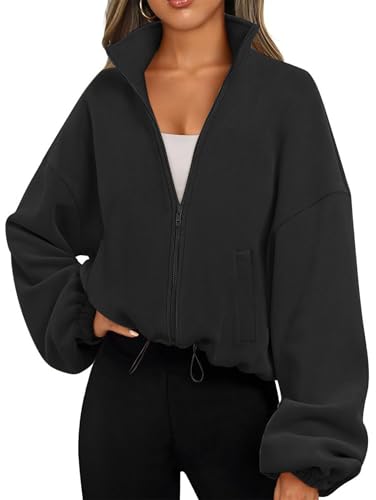
Famulily Women's Full Zip Fleece Short Sweatshirt Jacket Cozy High Neck Lightweight Loose Fit Athletic Tops Black S
£24.99 *View On Amazon* - Women's Fleeces and Midlayers
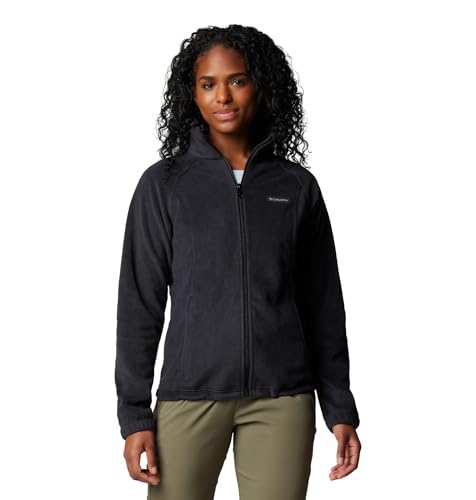
Columbia Women's Benton Springs Full Zip Full Zip Fleece Jacket, BLACK, Size M
Original price was: £50.00.£31.00Current price is: £31.00. *View On Amazon* - Women's Fleeces and Midlayers
Amazon Essentials Women's Fleece Crewneck Pullover Sweatshirt (Available in Plus Size), Light Grey Heather, M
£12.40 *View On Amazon* - Women's Fleeces and Midlayers
Ladies Full Zip Classic Fleece Jackets Sizes 8 to 30 by MIG – Suitable for Work & Leisure (14 / M – Medium, Black)
£27.95 *View On Amazon* - Women's Fleeces and Midlayers
Under Armour Women's Tech 1/2 Zip- Twist Shirt Black
Original price was: £40.00.£24.76Current price is: £24.76. *View On Amazon* - Women's Fleeces and Midlayers
Amazon Essentials Women's Long-Sleeve Fleece Quarter-Zip Jumper (Available in Plus Sizes), Black, M
£23.80 *View On Amazon* - Women's Fleeces and Midlayers
Regatta Womens Sweetness Body Warmer Soft-Brushed Fleece Gilet
£13.00 *View On Amazon* - Women's Fleeces and Midlayers
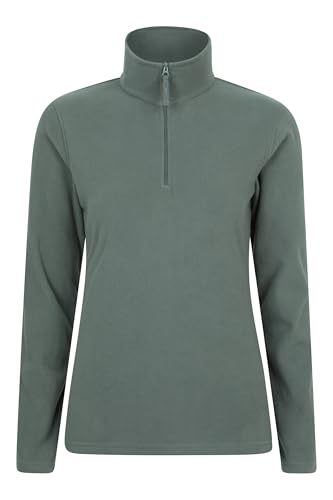
Regatta Womens Sweethart Half Zip Fleece Lightweight Quick Dry Winter Layer Top Blue
£15.99 *View On Amazon* - Women's Fleeces and Midlayers
IECCP Women's Gym Tops Long Sleeve Sports T-Shirt Running Top for Ladies 1/4 Zip Sweatshirt Lightweight Quick Dry Slim Fit Tee Shirts Navy Blue S
Original price was: £21.99.£14.23Current price is: £14.23. *View On Amazon* - Women's Fleeces and Midlayers
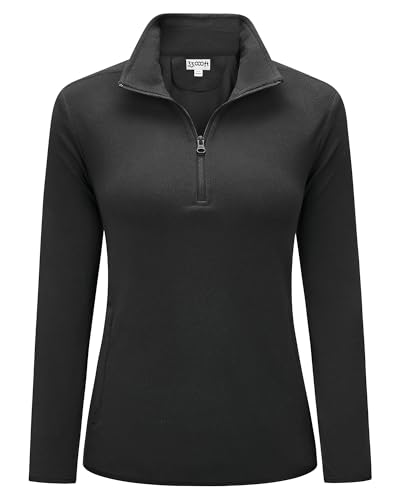
33,000ft Women's Half Zip Fleece Pullover Ladies Warm Fleece Jacket Soft Microfleece Ski Jackets Breathable Outerwear with A Big Pocket for Travelling Running Outdoor Sport Black 12
Original price was: £21.99.£18.68Current price is: £18.68. *View On Amazon* - Women's Fleeces and Midlayers
Helly Hansen Women's W Crew Midlayer Jacket, Navy, S
£95.99 *View On Amazon* - Women's Fleeces and Midlayers
Columbia Women's Fast Trek Jacket, Full Zip Fleece Jacket, Nocturnal, Size L
Original price was: £39.98.£36.29Current price is: £36.29. *View On Amazon*









Why Choose Women’s Fleeces & Midlayers?
1. Exceptional Warmth Without the Bulk
- Lightweight & Insulating: Keeps you warm without feeling heavy.
- Heat-Trapping Fabrics: Provides effective thermal retention.
2. Perfect for Layering & Year-Round Use
- Wear Alone or Under a Jacket: Ideal as a standalone layer in mild weather or under a waterproof jacket in winter.
- Breathable & Moisture-Wicking: Prevents overheating during activity.
3. Soft, Comfortable & Stylish
- Ultra-Soft Materials: Gentle against the skin for everyday wear.
- Flattering Fits & Trendy Colours: Available in classic neutrals and bold shades.
4. Durable & Outdoor-Ready
- Abrasion-Resistant Fabrics: Withstands outdoor use.
- Machine-Washable: Easy to care for and maintain.
5. Functional & Adventure-Ready
- Zipped Pockets for Storage: Secure space for essentials.
- Half-Zip & Full-Zip Options: Allows for temperature control.
Types of Women’s Fleeces & Midlayers
1. Lightweight Fleeces
- Design: Thin yet warm, ideal for layering or wearing alone.
- Purpose: Offers warmth without adding bulk.
- Best For: Hiking, travel, and casual wear.
2. Midweight Fleeces
- Design: Slightly thicker for extra insulation.
- Purpose: Provides warmth while staying breathable.
- Best For: Outdoor activities, layering, and everyday wear.
3. Heavyweight Fleeces
- Design: Thick, plush fleece for maximum warmth.
- Purpose: Retains heat in freezing temperatures.
- Best For: Winter walks, camping, and extreme cold.
4. Half-Zip & Quarter-Zip Fleeces
- Design: Pullover style with a zip at the neck for ventilation.
- Purpose: Allows easy temperature regulation.
- Best For: Running, layering, and casual outdoor wear.
5. Full-Zip Fleeces
- Design: Zips fully open for convenience and versatility.
- Purpose: Can be worn open or closed, perfect as an outer or midlayer.
- Best For: Travel, outdoor sports, and casual styling.
6. Softshell Midlayers
- Design: Fleece-lined with a weather-resistant outer layer.
- Purpose: Provides light wind and water resistance.
- Best For: Hiking, climbing, and everyday wear.
7. Technical Performance Midlayers
- Design: Made with high-performance fabrics like Polartec.
- Purpose: Enhances warmth while remaining lightweight.
- Best For: High-energy outdoor activities and sports.
Features of Women’s Fleeces & Midlayers
- Thermal Insulation: Traps warmth while allowing breathability.
- Quick-Dry & Moisture-Wicking: Wicks away sweat to keep you dry.
- Stretch & Flexibility: Allows free movement.
- Zipped Pockets: Secure storage for keys, cards, or phones.
- Flatlock Seams: Reduces chafing for enhanced comfort.
- Wind-Resistant Options: Some styles include an outer shell for added protection.
Benefits of Women’s Fleeces & Midlayers
- Stay Warm Without Overheating: Regulates body temperature for all-day comfort.
- Lightweight & Packable: Easy to carry for travel and outdoor adventures.
- Versatile for Layering: Works well under jackets or as a standalone top.
- Durable & Low Maintenance: Retains shape and softness after washing.
- Stylish & Functional: Looks great for both casual and activewear.
Popular Uses for Women’s Fleeces & Midlayers
- Hiking & Trekking: Provides warmth while staying breathable.
- Casual Everyday Wear: Soft and stylish enough for daily use.
- Camping & Travel: Lightweight and packable for on-the-go warmth.
- Workwear & Outdoor Jobs: Durable options for warmth in demanding conditions.
- Fitness & Activewear: Stretchy, moisture-wicking midlayers for outdoor workouts.
Tips for Choosing the Right Women’s Fleece or Midlayer
- Match the Weight to Your Activity: Lightweight for high-energy activities, midweight for layering, heavyweight for extreme cold.
- Check for Breathability: Moisture-wicking fabrics prevent overheating.
- Look for Layering Compatibility: Choose a fitted midlayer for easy layering under jackets.
- Select Functional Features: Pockets, zippers, and wind resistance enhance usability.
- Choose a Versatile Colour: Neutrals like black, grey, or navy pair with everything.
Why Shop Women’s Fleeces & Midlayers With Us?
- 35+ Years of Expertise: Trusted supplier of outdoor apparel since 1988.
- Top Brands: Featuring The North Face, Berghaus, Columbia, Rab, and more.
- Wide Selection: Fleeces and midlayers for all weather conditions and activities.
- Affordable Pricing: High-quality layering pieces to fit every budget.
- Expert Guidance: Our team helps you find the perfect fleece for your needs.
FAQs About Women’s Fleeces & Midlayers
Q: Are fleeces windproof?
A: Standard fleeces are not windproof, but softshell midlayers and fleece-lined windproof jackets offer added protection.
Q: Can I wear a fleece as a jacket?
A: Yes! Full-zip and heavyweight fleeces work great as outer layers in mild conditions.
Q: How do I wash a fleece without damaging it?
A: Wash on a gentle cycle with cold water, avoid fabric softeners, and air dry to maintain softness and insulation.
Q: Are midlayers different from standard fleeces?
A: Yes, midlayers are designed to fit snugly under outer layers, often with more technical fabrics for better moisture control.
Q: Can fleeces be worn for sports and active use?
A: Absolutely! Performance fleeces offer moisture-wicking, stretch, and lightweight warmth for outdoor activities.
Q: What’s the warmest type of fleece?
A: Heavyweight fleeces and those made with Polartec Thermal Pro provide maximum warmth.
Q: Are fleeces good for layering under waterproof jackets?
A: Yes, midweight and lightweight fleeces work best as insulating layers under waterproof shells.
Stay Warm & Comfortable with the Perfect Fleece or Midlayer
From lightweight technical midlayers to ultra-warm fleece jackets, our collection has everything you need to stay cosy in any condition. Browse online or visit us in-store to find your perfect fleece today!
 Getting ready for Summer? View our Home and Garden Products

Heading outdoors this winter? Take a look at our Outdoor Clothing.
Amazon Associate Disclosure
As an Amazon Associate I earn from qualifying purchases.