
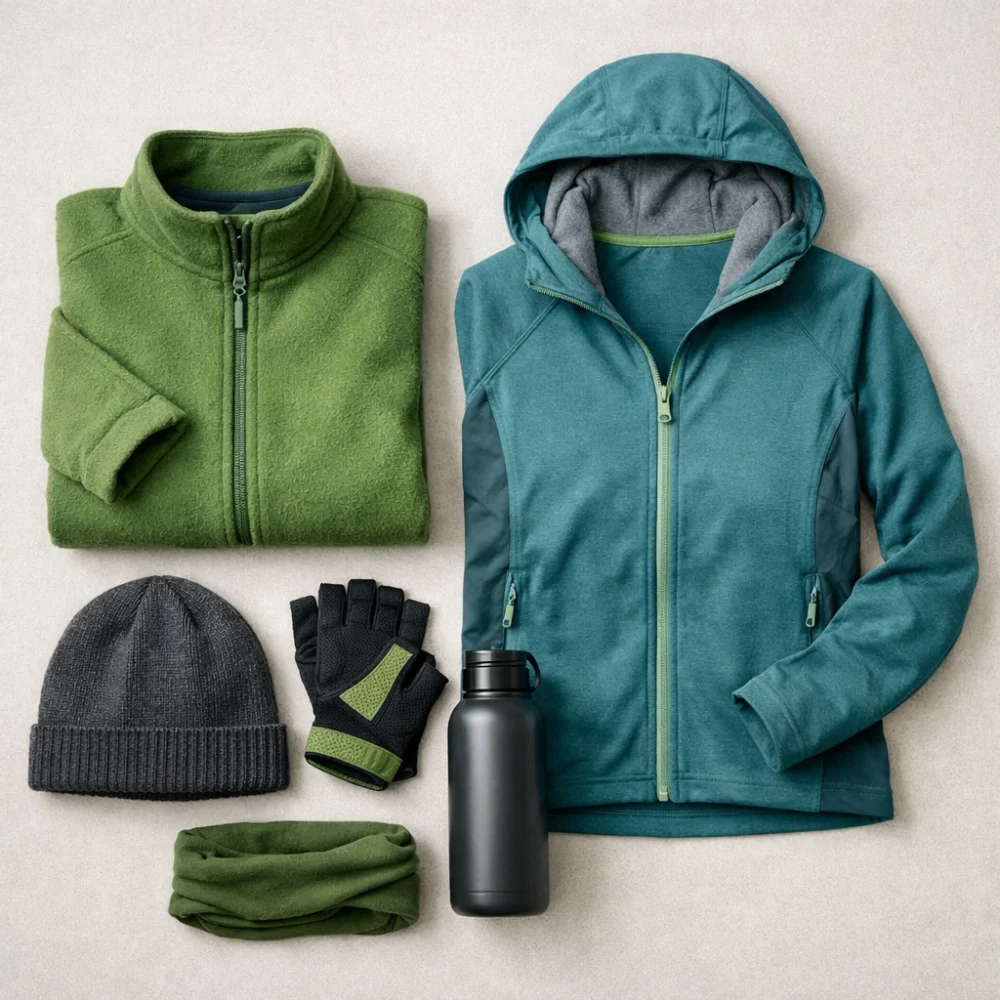
Women’s fleeces and midlayers are versatile layers designed to sit between a base layer and an outer shell, or to work on their own in cooler weather. They are a practical buy for walking, travelling, camping and everyday wear because they help you adjust warmth without needing a heavy coat.
The challenge is choosing the right balance of warmth, breathability, fit and bulk. Some options are better for active use, while others are better for relaxed comfort, so it helps to compare the garment’s construction rather than relying on the name alone.
If you are choosing between a fleece, hoodie-style layer or a lighter midlayer, think about when and how you will wear it most often. That usually makes the decision much clearer than looking at warmth alone.
What should you look for in a women’s fleece or midlayer?
The right starting point is the layer’s job: extra warmth during movement, a cosy everyday top, or something that fits neatly under a waterproof jacket. A lighter, closer-fitting piece can be easier to layer, while a thicker or looser option may feel more comfortable on its own. The main trade-off is usually warmth versus packability and airflow.
Specifications vary by model, so always check the individual product page before buying.
| Feature | What It Means | Why It Matters | What To Check |
|---|---|---|---|
| Weight and thickness | How light or substantial the layer feels | Affects warmth, bulk and how easily it layers | Whether it suits use under a jacket or as a standalone top |
| Fit | How closely the garment sits to the body | Influences comfort, movement and layering | Room for a base layer, sleeves, hem and shoulder movement |
| Zip style | Full zip, half zip or pullover style | Changes ventilation, ease of dressing and everyday convenience | How much you want to adjust airflow and how often you will take it on and off |
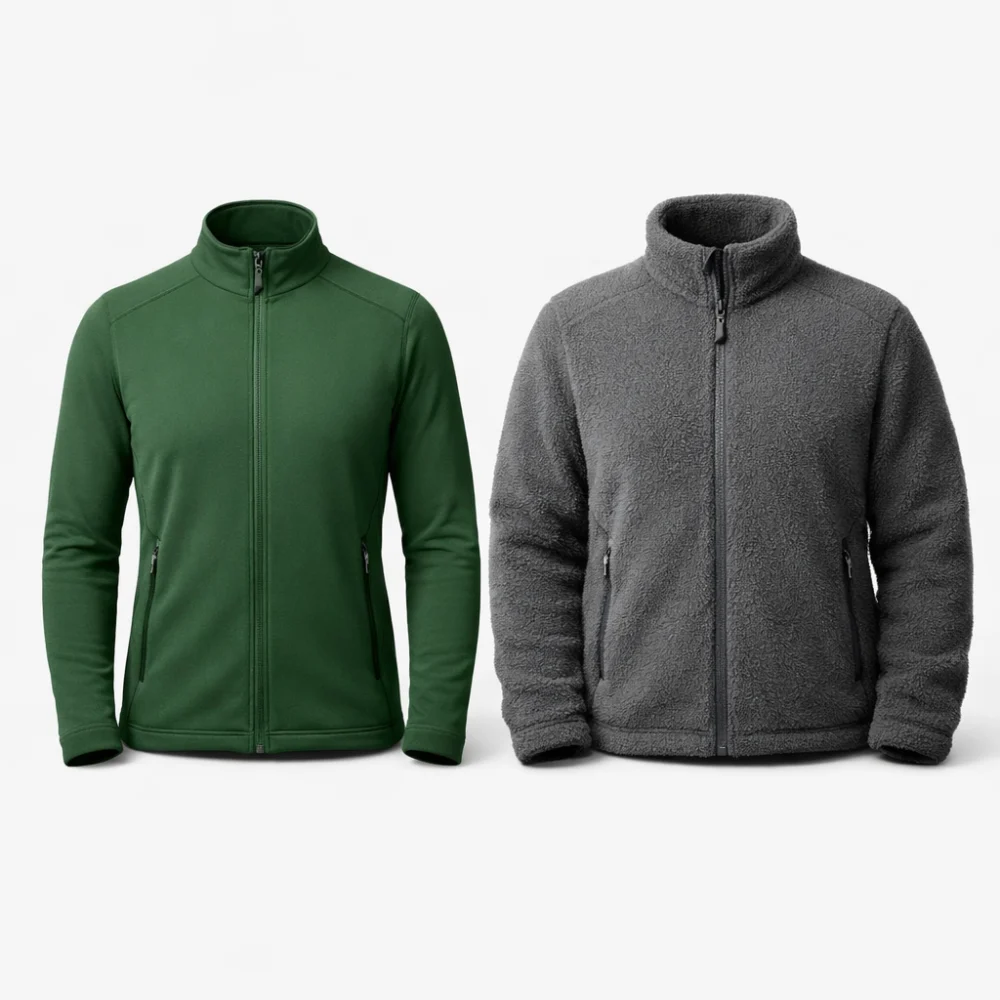
| Fabric texture | How the fleece feels against the skin | Can affect softness, warmth and how suitable it feels for long wear | Whether you prefer a smooth, brushed or loftier finish |
| Breathability | How readily body heat and moisture can move through the fabric | Important for walking and other active use | Whether the layer is intended for high-output or casual wear |
| Pockets and details | Practical extras such as hand pockets or a higher collar | Can improve everyday comfort and convenience | Whether extras add value or extra bulk for your use |
Key decision criteria explained
Warmth
Warmth is the first thing many buyers think about, but it is not just about thickness. A fleece that traps more air may feel warmer, while a lighter midlayer can be better when you are moving. Think about whether you want a layer for stillness, steady walking or mixed use.
Layering fit
A good midlayer should work with your other clothing, not fight against it. If you plan to wear it under a shell jacket, a closer fit usually helps reduce bulk. If you want something for general leisure wear, a more relaxed cut may feel more comfortable.
Zip and neckline
Zip length affects ventilation and convenience. A full zip is easy to open and close through the day, while a half zip can give a simpler feel and some extra warmth at the neck. A higher collar or zip garage can add comfort, but the best choice depends on how sensitive you are to heat and neck coverage.
Fabric feel and finish
Fleeces are not all the same in texture. Some feel soft and cosy, while others are smoother and better suited to layering. If you are likely to wear the garment for long periods, fabric feel matters as much as warmth.
Everyday practicality
Small details can make a big difference in regular use. Pockets, cuffs and hem shape affect how the garment sits and how useful it feels day to day. Focus on the details you will notice often rather than features that look impressive but do not affect your use.
Common fleece and midlayer types
Full-zip fleeces
These are usually the easiest to put on and take off, and they give flexible ventilation. They suit buyers who want an adaptable layer for changing weather or mixed activity. The main limitation is that zips can add a little bulk compared with simpler styles.
Half-zip pullovers
Half-zip styles are often chosen for a simpler feel and easy neck ventilation. They can work well as everyday layers or for moderate activity. The trade-off is that they are less open and adjustable than a full-zip design.
Microfleece and lighter layers
These are useful when you want a lower-bulk layer that fits comfortably under other clothing. They are often a good choice for active wear or for buyers who prefer to avoid a heavy feel. Their limitation is that they may not feel as warm on their own as thicker options.
Cosier or loftier fleeces
These suit people who want more of a relaxed, insulating feel for colder days or casual use. They can be very comfortable, but they may be less suitable if you need a slim layer under a jacket. Think about whether comfort or layering flexibility matters more to you.
Which type suits your needs?
| Your need | Look for | Why this helps |
|---|---|---|
| Walking or active outdoor use | Breathable, lighter layers with a close fit | Helps manage heat and keeps layering easier |
| General everyday warmth | Comfortable fabric, practical pockets and an easy fit | Makes the garment more useful beyond one activity |
| Layering under a waterproof | Low bulk and sleeves that move well | Reduces restriction and avoids a cramped feel |
| Relaxed casual wear | Soft fabric and a less technical cut | Prioritises comfort and simple wearability |
| Travel or packing light | Compact, lighter construction | Helps the layer earn its place in a bag |
Common mistakes to avoid
- Choosing warmth alone and ignoring fit. A warm fleece that feels bulky may be less useful than a slightly lighter layer that you can wear more often.
- Buying a relaxed style for layering under a shell. If you need a midlayer for a jacket, check that it will sit comfortably without restricting movement.
- Overlooking fabric feel. Some buyers notice texture and softness more than they expect, especially for all-day wear.
- Assuming all fleeces are suited to the same activity. A cosy everyday piece and a breathable walking layer can feel quite different in use.
Safety and suitability caveats
Fleeces and midlayers are comfort and clothing choices, not protective equipment. Check the product information for intended use, fit and fabric care, especially if you want the garment for active outdoor wear or layering in cold conditions. For colder weather, it is usually sensible to think about the whole clothing system rather than one layer on its own.
Maintenance, storage and lifespan considerations
Care needs can influence value just as much as style. Some fleeces are easy to wash and quick to dry, while others may need a little more attention to keep their shape and feel. It is also worth checking how bulky the garment is to store, especially if you plan to keep it in a kit bag or use it seasonally.
Over time, repeated washing, abrasion from rucksack straps and frequent layering can affect appearance and feel. Choosing a fleece that suits how often you will wear it is often wiser than buying a very soft or delicate option you will hesitate to use.
How to compare options efficiently
- Start with your main use: active walking, layering, or casual everyday wear.
- Choose the right style: full zip, half zip, lighter fleece or cosier midlayer.
- Check fit and bulk so it works with the rest of your clothing.
- Compare the practical details you will notice most, such as pockets, collar shape and fabric feel.
- Read the individual product page carefully before deciding.
Summary buyer decision checklist
- Does it suit your main use: activity, layering or casual wear?
- Is the fit right for what you will wear underneath or over it?
- Do you want more warmth, more breathability or a better balance of both?
- Is the zip style and neckline comfortable for your routine?
- Do the fabric feel and practical details match how you will actually use it?
- Have you checked the individual product page for the exact specifications?
Frequently asked questions
What is the difference between a fleece and a midlayer?
A fleece is often understood as a warm, brushed layer, while a midlayer is any garment designed to sit between a base layer and an outer shell. In practice, many products fit both descriptions, so the more useful question is how warm, breathable and bulky the garment feels.
Should I choose a full zip or half zip?
A full zip is usually more flexible because it is easier to vent and remove. A half zip can feel simpler and slightly cosier around the body. The better choice depends on whether convenience or a neater, more enclosed feel matters more to you.
Are lighter fleeces warm enough?
They can be, depending on the weather and what you wear them with. Lighter layers are often better for movement or for wearing under other clothing. If you want a standalone layer for colder conditions, you may prefer something with more substance.
How should a fleece fit?
It should feel comfortable across the shoulders and arms, with enough room for movement and, if needed, a base layer underneath. If it is too tight, it can feel restrictive; if it is too loose, it may be less useful for layering. The ideal fit depends on how you plan to wear it.
Can I wear a fleece as an outer layer?
Yes, many people do, especially in dry or milder weather. That said, fleeces are not a substitute for weatherproof outerwear in rain or strong wind. If you expect changeable conditions, think about how the fleece will work with a jacket or shell.
What features are most useful for everyday wear?
Soft fabric, an easy fit, pockets and a collar or zip that feels comfortable usually matter most. Everyday use is often about comfort and convenience rather than technical performance. The best choice is the one you will actually reach for regularly.
How do I know if a fleece will layer well?
Look for moderate or low bulk, sleeves that allow movement and a fit that leaves room without feeling baggy. If you already own a shell or coat, think about how the fleece will sit underneath it. Specifications vary by model, so always check the individual product page before buying.

