
Airsoft Remote Hoses
Airsoft remote hoses are pressure rated air lines used to connect compatible HPA tanks, regulators, adapters and airsoft replicas in remote air setups. They allow the air bottle to be carried on the player’s body while regulated air is supplied to the replica through a flexible hose.
Our Airsoft Remote Hoses range is designed for players who need practical air lines and remote hose options for compatible HPA and regulated airsoft systems. At YPC, we run real airsoft skirmish days at Yorkshire Outdoor Activity Park, so we understand how important secure fittings, tidy line routing, pressure safety and site compliant HPA setup are during proper airsoft play.
- Airsoft Remote Hoses
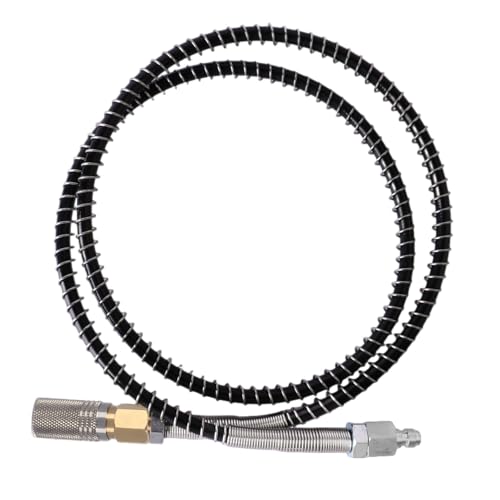
Hostile Airsoft Flex Line Hose 42" Quick-Disconnect for HPA Tanks (Black)
£39.94 *View On Amazon* - Airsoft Remote Hoses
HK Army Hostile Airsoft Flex Line Hose 42" Quick-Disconnect for HPA Tanks (Olive)
Original price was: £39.89.£37.00Current price is: £37.00. *View On Amazon* - Airsoft Remote Hoses
VaVoger Hpa Paintball Air Slp Flex Remote Hose Line, Low Pressure Co2 Hose With Us Foster Coupler
£26.86 *View On Amazon* - Airsoft Remote Hoses
HK Army Hostile Airsoft Flex Line Hose 42" Quick-Disconnect for HPA Tanks (Grey)
£37.14 *View On Amazon* - Airsoft Remote Hoses
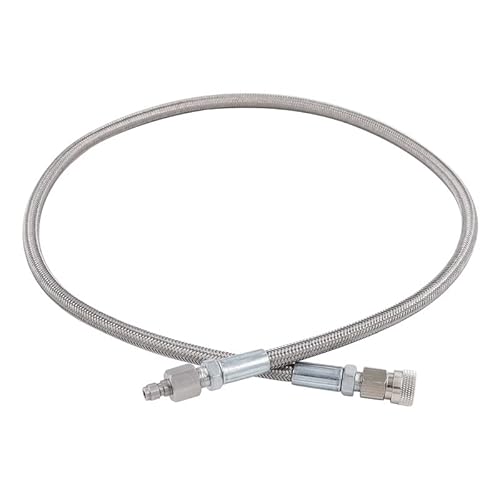
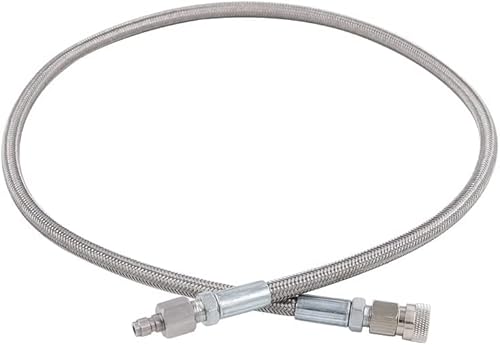
High Pressure PCP Hose with Female Connector M10*1 50cm
£22.25 *View On Amazon* - Airsoft Remote Hoses
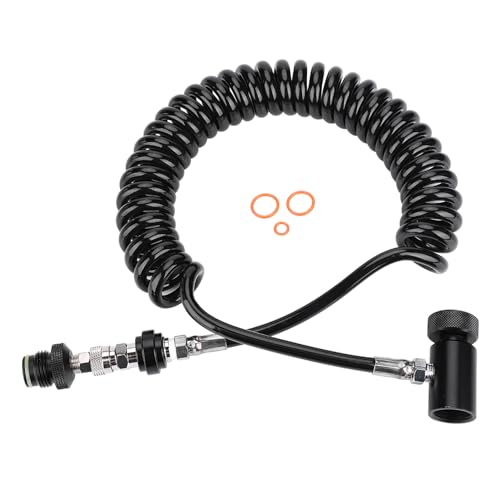
Paintball Marker Remote Coil Cylinder Connection Valve Hose for High Pressure Air
£31.09 *View On Amazon* - Airsoft Remote Hoses
Alomejor Aluminium Air Coil Remote Hose for Paintball with Built in Pressure Gauge, 10m/32.8f
£23.27 *View On Amazon* - Airsoft Remote Hoses
EVTSCAN Remote Line Kit for Paintball Marker with Remote On Off Valve
£33.99 *View On Amazon*








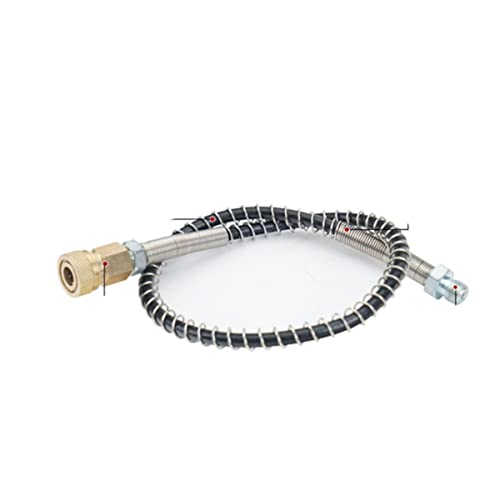


oses are pressure rated air lines used to connect compatible HPA tanks, regulators, adapters and airsoft replicas in remote air setups. They allow the air bottle to be carried on the player’s body while regulated air is supplied to the replica through a flexible hose.
Our Airsoft Remote Hoses range is designed for players who need practical air lines and remote hose options for compatible HPA and regulated airsoft systems. At YPC, we run real airsoft skirmish days at Yorkshire Outdoor Activity Park, so we understand how important secure fittings, tidy line routing, pressure safety and site compliant HPA setup are during proper airsoft play.
Practical Air Lines for HPA Setups
A remote hose is one of the key parts of an HPA airsoft setup. It connects the air supply carried in a bottle pouch, backpack or tank carrier to the replica, adapter or regulator system.
The right hose should allow natural movement without pulling, snagging or restricting the player. It should be long enough to shoulder the replica comfortably, but not so long that it catches on branches, pouches, slings or barriers.
A good remote hose helps make the HPA setup feel organised and reliable. A poor hose setup can cause leaks, discomfort, snagging and game day frustration.
How to Choose Airsoft Remote Hoses
Start by checking your full air system. The hose needs to match your tank, regulator, fittings, adapter, replica and loadout layout.
Key decision factors include pressure rating, hose length, hose type, connector type, quick disconnect compatibility, thread compatibility, regulator compatibility, tank carry position, line routing, flexibility, durability, snag resistance, site rules, chrono compliance and whether the hose is designed for airsoft pressure systems.
Do not choose a remote hose only because it looks like it will connect. Pressure equipment must be compatible, rated and suitable for the system being used.
Airsoft Remote Hoses Explained
An airsoft remote hose carries regulated air from the tank and regulator setup to the replica or adapter. It is usually part of an HPA system, although some pressure setups may use remote lines for compatible CO2 equipment where the product guidance clearly allows it.
The hose is not just a normal cable. It carries pressure, so condition, fittings and correct rating matter.
A remote hose should connect securely, seal properly and move with the player without placing strain on the replica or regulator.
Remote Hoses vs HPA Lines
The terms remote hose and HPA line are often used in similar ways in airsoft. Both usually refer to the flexible pressure line that connects the air supply to the replica or adapter.
Some players use remote hose to describe a longer line from a tank carried on the body. Others use HPA line for any line used in the air system.
Whatever the wording, the part must be pressure rated, compatible and suitable for airsoft use.
Coiled Remote Hoses
Coiled remote hoses are designed to stretch and contract as the player moves. This can help keep excess line under control while still allowing movement.
A coiled hose can be useful for players who want the line to stay closer to the body and avoid too much loose slack.
The trade off is pull tension. If the coil is too short or too stiff, it may tug on the replica or regulator when aiming, switching shoulders or crouching.
Straight Remote Hoses
Straight remote hoses provide a cleaner line route without the spring effect of a coiled hose.
They can be useful if you want predictable routing through a vest, belt or backpack setup. However, the length needs to be chosen carefully.
A straight hose that is too short restricts movement. A straight hose that is too long can snag on branches, pouches and slings.
Braided and Reinforced Hoses
Some remote hoses use braided or reinforced construction to improve durability and help resist wear.
This can be useful for regular players who use HPA in woodland, CQB style games where permitted or high movement play styles.
Durability still depends on care. A reinforced hose can still be damaged by sharp bends, crushing, poor fittings or rough storage.
Hose Length and Movement
Hose length is one of the most important choices. The hose must allow you to shoulder the replica, aim, reload, kneel, crouch, switch hands and move through cover without pulling tight.
If the hose is too short, it can tug at fittings or restrict movement. If it is too long, it can catch on kit, branches or obstacles.
Test hose length with your full loadout, including vest, belt, tank pouch, sling, gloves and replica.
Quick Disconnect Fittings
Quick disconnect fittings allow compatible hoses and airsoft air systems to connect and disconnect more easily.
They are useful when packing down, switching replicas, removing the tank or separating the line from the gun. However, they must lock securely and seal properly.
Check quick disconnect fittings before every game. Dirt, damaged seals or worn fittings can cause leaks and unreliable air supply.
Foster Style Connectors
Many airsoft HPA systems use quick disconnect fittings often referred to as Foster style connectors, depending on the product and setup.
Compatibility still needs checking. Similar looking connectors may not always seal or lock correctly.
Do not force connectors together. If the fitting does not connect smoothly and securely, check compatibility before applying pressure.
Thread Types and Fittings
Remote hoses can use different thread types, fittings and adapters depending on the regulator, line and airsoft system.
Thread compatibility matters because incorrect fittings can leak, cross thread or damage equipment.
If a fitting does not screw in smoothly by hand before tightening, stop and check the part. Do not force pressure fittings.
Pressure Rating
A remote hose must be rated for the pressure it will carry. This is one of the most important safety details.
Do not use random hoses, plumbing parts, workshop airline or unmarked tubing in an airsoft HPA setup. Use parts designed and rated for the intended airsoft pressure system.
A hose that fails under pressure can damage equipment and create risk.
Regulator Compatibility
The remote hose must work with the regulator and output pressure used in your airsoft setup.
A regulator controls the pressure supplied from the tank to the replica. The hose and fittings must be suitable for that regulated pressure and the connector style used.
Do not bypass regulators or connect tanks directly to replicas unless the system is specifically designed and regulated for that purpose.
Remote Hoses for HPA Tanks
Most airsoft remote hoses are used with HPA tanks carried in a pouch, backpack or bottle carrier.
The hose connects the regulated air source to the replica, allowing the tank to stay on the player’s body rather than being attached directly to the gun.
This can make the replica lighter and easier to handle, but it adds the need for good hose routing and tank carry.
Remote Hoses for HPA Pistols
HPA pistol setups may use a remote hose connected to a magazine adapter, tapped magazine or compatible air system.
This can give more consistent air supply than standard gas magazine use, but it changes how the pistol handles. The line, adapter and tank setup must all work together.
Check site rules before using HPA pistol adapters, especially where CQB style play, magazine capacity or pressure control rules apply.
Remote Hoses for HPA Rifles
HPA rifles often use remote hoses as part of an external tank system. This can suit AEG conversions, DMR style builds, gas rifle adapters or dedicated HPA replicas.
The hose should route so it does not interfere with the stock, sling, magazines, trigger hand or support hand.
A well-routed hose should feel natural during normal play. If you are always aware of the hose, the route may need improving.
Remote Hoses for DMR Style Builds
DMR style HPA setups often rely on consistency, careful pressure control and honest chrono checks.
A good remote hose setup should support stable shooting without pulling on the replica or creating snag points when kneeling or using cover.
A DMR style replica must still follow site rules on power, firing mode, engagement distance and regulator lock requirements.
Remote Hoses for Sniper Style Setups
Some HPA sniper style replicas use remote hoses to connect the rifle to a tank and regulator carried on the player.
For sniper style play, quiet movement and low snag routing are especially important. A loose or noisy hose can interfere with concealment and comfort.
The hose should allow prone, kneeling and supported positions without pulling tight or dragging across the ground unnecessarily.
Remote Hoses for Speedsoft Style Setups
Speedsoft style airsoft, where permitted, often uses compact HPA replicas and fast movement.
Remote hoses for this style need to be secure, flexible and routed close to the body so they do not catch during quick transitions.
A clean hose setup can support fast movement, but site rules on power, trigger response and safe play still come first.
Remote Hoses for Woodland Airsoft
Woodland airsoft can be tough on remote hoses. Branches, brambles, mud, rain, slings, pouches and uneven ground can all catch or wear a poorly routed line.
For woodland games, secure line routing and durable hose construction are especially important. The hose should not hang loose or trail where it can snag.
At YPC skirmish days, HPA players need setups that work in real outdoor terrain, not just in the safe zone.
Remote Hoses for CQB Style Airsoft
CQB style airsoft, where permitted, often involves close movement around barricades, doorways and tight spaces.
A remote hose should stay close enough to the body that it does not catch on obstacles. Shorter or carefully routed hoses may be more practical in this environment.
Because CQB games often have closer engagement distances, chrono compliance and regulator control are especially important.
Line Routing Through a Vest or Rig
Many players route their remote hose through a tactical vest, chest rig, backpack strap or belt setup.
Good routing keeps the line controlled without trapping it. It should move with the player and allow the replica to be raised, lowered and switched comfortably.
Avoid routing that creates sharp bends, pinches the hose or blocks access to magazines, radios, pouches or hydration tubes.
Line Routing from a Backpack
If your HPA tank sits in a backpack or hydration style pack, the hose usually runs from the pack to the replica.
The line should exit the pack cleanly and avoid rubbing on zips, buckles or sharp edges. It should also avoid getting trapped under shoulder straps.
Test the setup with the pack fully loaded and adjusted. A hose route that works with an empty bag may change once the tank is fitted.
Line Routing from a Belt or Bottle Pouch
Some players carry HPA tanks on a belt or bottle pouch. This can work well if the hose route is short and tidy.
Check that the line does not catch on the holster, dump pouch, magazine pouches or sling.
A belt-mounted tank can move differently from a backpack-mounted tank, so testing the full setup is important.
Remote Hoses and Slings
Remote hoses and slings can interfere with each other if routed badly. The sling may pull the hose, or the hose may catch when switching shoulders.
Check the setup by shouldering the replica, lowering it, moving to sidearm where relevant and changing position.
A good sling and hose setup should move naturally without fighting each other.
Remote Hoses and Tank Position
The tank position affects hose length and movement. A tank mounted high on the back may need a different hose route from one carried on the belt.
Tank position should be stable, comfortable and easy to manage. If the tank moves around, it can pull the hose and strain fittings.
The hose and tank carrier should be planned together, not chosen separately.
Remote Hoses and Regulators
Some regulators sit directly on the tank, while others may use different layouts depending on the system.
The remote hose must connect to the correct output side and should not place sideways strain on the regulator.
If the hose makes the regulator twist, bend or sit awkwardly, adjust the setup before applying pressure.
Remote Hoses and Magazine Adapters
Magazine adapters can let compatible pistols or gas-style platforms run from a remote hose.
The adapter, hose and magazine must all work together. A poor fit can cause leaks, feeding issues or awkward handling.
Always chrono with the adapter and hose setup you intend to use in the game.
Remote Hoses and Air Leaks
Leaks can happen at fittings, seals, quick disconnects, adapters, regulators or damaged hose sections.
A small hissing sound, pressure drop or inconsistent firing can all suggest a leak. Stop and inspect the system safely rather than continuing to play.
Do not ignore leaks. They waste air and may indicate a worn or damaged part.
Checking a Remote Hose Before Play
Before each game day, inspect the hose for cuts, cracks, kinks, crushed areas, worn fittings, damaged connectors and loose seals.
Connect the system according to product guidance and check for leaks in a safe area. Make sure the hose routes cleanly and does not pull when aiming or moving.
A short check before the first game can prevent avoidable safe zone problems later.
Remote Hoses and Chrono Compliance
A remote hose does not decide the final power output, but it is part of the full HPA setup that must be chronographed.
Regulator pressure, engine setup, adapter type, BB weight and replica configuration all matter. Always chrono with the setup used in play.
If you change the regulator, hose, adapter or pressure setup, follow the site’s recheck process.
Tournament Locks and Remote Hose Setups
Some sites require HPA regulators to be locked after chrono so pressure cannot be changed during play.
Remote hoses should be part of a clear, site compliant setup. They should not be used to hide adjustments or make pressure changes easier to avoid.
Responsible HPA players make their setup easy for marshals to inspect.
Remote Hoses and BB Weight
BB weight can affect chrono results and joule readings in HPA setups.
If you use heavier BBs, make sure the replica is checked honestly with the BB weight and pressure settings used during play.
The remote hose supplies air, but the overall system must remain within site limits.
Remote Hoses and Safe Disconnection
Remote hoses should be disconnected only according to the product guidance.
Some systems require pressure to be released before disconnection. Pulling fittings apart carelessly can damage seals or release air suddenly.
If you are unsure how to disconnect a hose safely, ask an experienced player, site staff member or technician before forcing it.
Remote Hoses and Pressure Release
Some air systems include bleed valves or pressure release methods to make disconnection safer.
Use these features only as intended. Do not vent pressure carelessly near faces, ears, dirt, loose items or delicate equipment.
Compressed air equipment should always be treated with respect, even in airsoft.
Cleaning and Caring for Remote Hoses
Remote hoses can collect mud, rain, dust, BB residue and woodland debris. Wipe them clean after games and let them dry before storage.
Keep connectors, fittings and quick disconnects clean. Dirt in fittings can damage seals and cause leaks.
Do not use unsuitable oils or chemicals on hoses or seals unless the product guidance specifically allows it.
Storing Remote Hoses
Store remote hoses without sharp bends, crushing or heavy items on top of them.
Keep fittings protected from dirt and impact. Small damaged threads or seals can cause problems on the next game day.
A hose stored clean and dry is more likely to work reliably when needed.
Transporting Remote Hoses
Transport remote hoses carefully in your kit bag or HPA pouch. Avoid leaving them loose with tools, BB bottles, batteries or sharp items.
Keep connectors capped or protected where possible.
A damaged hose can end a game day quickly, so it is worth treating it as important kit rather than a throwaway accessory.
Remote Hoses for Beginners
Beginners should not rush into remote hose setups before understanding HPA basics.
A new player should first understand tanks, regulators, pressure ratings, fittings, chrono rules and safe site procedures.
If a beginner is using HPA, they should get advice from an experienced airsoft technician, site staff member or competent supplier before choosing hoses and fittings.
Remote Hoses for Regular HPA Players
Regular HPA players often carry a spare hose or spare compatible seals in their kit bag.
A backup line can be useful if a hose is damaged, develops a leak or becomes unreliable during a game day.
At YPC airsoft events, organised HPA players usually arrive with checked hoses, clean fittings and a tidy line route before the first game starts.
Common Remote Hose Mistakes
Common mistakes include using the wrong fitting, choosing a hose that is too short, leaving too much loose line, ignoring leaks, routing the hose under tension or using a damaged line.
Another common mistake is buying hoses without checking pressure rating and connector compatibility.
A good remote hose setup should be safe, compatible, tidy and comfortable.
When to Ask an Airsoft Technician
Ask an experienced airsoft technician if you are unsure about hose compatibility, fittings, leaks, regulator setup, adapter use, pressure ratings or safe connection.
This is especially important if the remote hose is part of a new HPA conversion or magazine adapter setup.
Pressure systems are not the right place for guesswork.
Responsible Use Away from Site
Remote hoses, HPA tanks and airsoft replicas should be handled responsibly away from the site.
Transport replicas safely, legally and discreetly in suitable bags or cases. Keep pressure equipment protected and avoid public display of tactical airsoft setups.
Use remote hose systems only in suitable airsoft environments, safe zones or private preparation areas.
When Not to Use an Airsoft Remote Hose
Do not use a remote hose if it is damaged, leaking, kinked, cracked, crushed, unrated, incompatible or fitted with worn connectors.
Do not use a hose that pulls on the replica, interferes with safe handling or catches constantly on kit.
If the hose setup is not safe, reliable and site compliant, do not use it until the issue is fixed.
Shop Airsoft Remote Hoses Online
Browse our Airsoft Remote Hoses range to find practical air lines and hose accessories for compatible HPA tanks, regulators, magazine adapters, airsoft replicas and regulated air setups. Compare coiled hoses, straight hoses, braided lines, quick disconnect fittings, length, pressure rating, connector compatibility, flexibility, durability and line routing suitability to choose the right remote hose for your airsoft setup.
Airsoft Remote Hoses FAQs
What is an airsoft remote hose used for?
An airsoft remote hose connects a compatible HPA tank, regulator or air system to an airsoft replica, adapter or magazine setup.
Is a remote hose the same as an HPA line?
In airsoft, the terms are often used in similar ways. Both usually refer to the pressure line used to connect the air source to the replica or adapter.
Are airsoft remote hoses universal?
No. Compatibility depends on pressure rating, fittings, thread type, quick disconnect style, regulator and the airsoft system being used.
What is a coiled remote hose?
A coiled remote hose stretches and contracts as you move, helping reduce loose line while still allowing movement.
What is a straight remote hose?
A straight remote hose is a non-coiled air line. It can offer a cleaner route if the length is chosen correctly.
What length remote hose do I need?
Choose a hose long enough to shoulder, aim, crouch and move naturally, but not so long that it snags on kit, branches or barriers.
Can I use any hose for HPA airsoft?
No. Use only suitable pressure rated hoses designed for compatible HPA or airsoft air systems.
What are quick disconnect fittings used for?
Quick disconnect fittings allow compatible air lines and HPA parts to connect and disconnect more easily while maintaining a secure seal.
Why is my remote hose leaking?
Leaks may come from damaged O rings, worn fittings, loose connectors, cracked hose sections or incompatible parts.
Can I keep using a remote hose with a small leak?
No. Stop using leaking equipment and check the system properly before playing.
Can a remote hose affect chrono readings?
The hose itself usually carries regulated air, but the full HPA setup must be chrono checked with the regulator, adapter, replica and BB weight used in play.
Can I use a remote hose with an HPA pistol?
Yes, where the pistol, adapter and air system are compatible and the site allows that setup.
Can I use a remote hose with an HPA rifle?
Yes, remote hoses are commonly used with HPA rifles, AEG conversions, DMR style builds and compatible adapters.
How should I route a remote hose?
Route it so it does not pull, snag, kink or block magazines, sling movement, pouches or safe handling.
How should I store a remote hose?
Store it clean, dry and without sharp bends or heavy items pressing on it. Protect fittings from dirt and impact.
Why buy Airsoft Remote Hoses from YPC?
YPC runs real airsoft skirmish days at Yorkshire Outdoor Activity Park, so we understand how important secure fittings, clean line routing, pressure safe equipment and reliable HPA setup are during proper airsoft play.
 Getting ready for Summer? View our Home and Garden Products

Heading outdoors this winter? Take a look at our Outdoor Clothing.