Airsoft Radio Communication Equipment

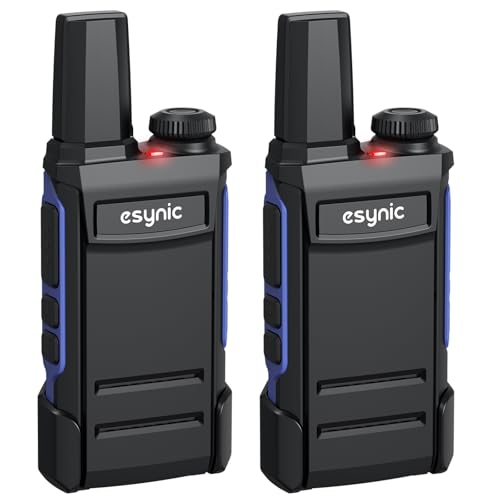
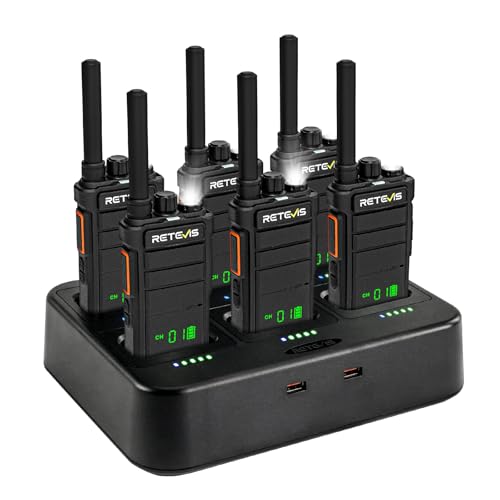
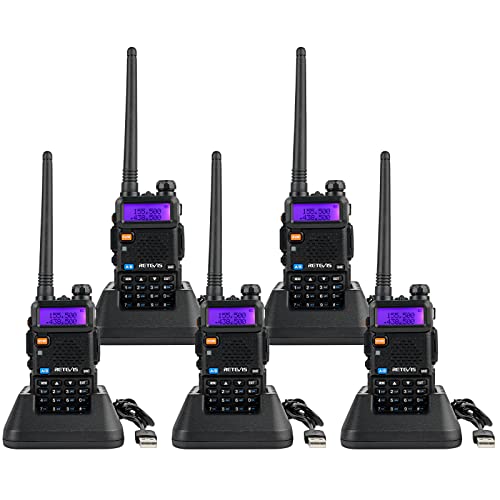
Airsoft radio communication equipment helps players, teams and organisers stay better coordinated during skirmish days, woodland games, CQB where permitted and scenario events. Radios, headsets, push to talk units, earpieces, microphones, chargers, batteries and radio pouches can all support clearer communication when used responsibly and within site rules.

Our Airsoft Radio Communication Equipment range is designed for players who want practical communication kit for airsoft games and team loadouts. At YPC, we run real airsoft skirmish days at Yorkshire Outdoor Activity Park, so we understand how important clear communication, sensible channel use, reliable battery life and marshal awareness are during proper airsoft play.

Showing 1–24 of 173 resultsSorted by popularity

Practical Communication for Airsoft Teams

Radio communication can make airsoft games more organised. Players can share information about movement, objectives, respawn status, team positions and changing game situations without shouting across the field.

This is especially useful in woodland airsoft where distance, trees, bunkers, noise and terrain can make voice communication difficult. A radio can help teams stay together and respond more calmly during games.

Good radio use is not about constant talking. It is about short, useful messages that help the team without distracting players or blocking important marshal instructions.

How to Choose Airsoft Radio Communication Equipment

Start by thinking about how you play. A casual skirmish player may only need a simple two-way radio, while a regular team may want headsets, push to talk buttons, spare batteries and radio pouches.

Key decision factors include radio compatibility, channel options, range, battery life, charging method, headset compatibility, push to talk connection, microphone type, earpiece comfort, weather resistance, volume control, radio pouch fit, licensing rules, site rules, team size and whether the setup works with your helmet, mask, vest and gloves.

Do not choose radio kit only because it looks tactical. It needs to be clear, reliable, legal to use and practical during real airsoft games.

Airsoft Radios Explained

Airsoft radios are usually handheld two-way radios used by players to communicate during games.

They can help players coordinate movement, warn teammates about positions, call for support, manage objectives and stay in contact during larger outdoor games.

A radio should be easy to operate, easy to hear and simple enough to use while wearing gloves, goggles, face protection and tactical kit.

Two-Way Radios for Airsoft

Two-way radios allow players to send and receive voice messages on shared channels.

They are useful for teams because several players can listen to the same channel and respond when needed. This makes them more practical than mobile phones during active games.

Choose radios that suit the site, team and rules. Some radios may need licensing or may not be suitable for general use, so always check before using them.

PMR Style Radios

Many airsoft players use simple licence-free style radios where permitted, depending on the country, radio type and regulations.

These can be a practical option for casual airsoft communication because they are usually straightforward and easy to use.

However, radio rules can vary by frequency, power output, country and equipment type. Players should always check that their radio equipment is lawful and allowed by the site before use.

Licensed Radio Equipment

Some higher powered or business style radios may require a licence or specific permission before use.

These radios may offer more features, stronger range or better durability, but they also bring extra responsibility.

Do not assume that a radio can be used freely just because it is sold online. Check legal use, frequency rules and site guidance before taking it to a game.

Range and Signal Reliability

Radio range depends on the radio, antenna, terrain, buildings, woodland, weather, battery level and how the radio is carried.

Woodland, bunkers, low ground and dense cover can reduce signal quality. Open areas may allow better communication than heavily wooded or built-up zones.

Do not rely on advertised maximum range alone. Real airsoft conditions are usually more difficult than ideal testing conditions.

Battery Life

Battery life matters during full day events. A radio that dies after the first few games is not useful.

Check whether the radio uses rechargeable batteries, replaceable battery packs or standard batteries. Spare batteries or a charging plan can be useful for longer days.

Charge radios before arrival and check them during safe zone breaks. Communication kit should be prepared like magazines, batteries and BBs.

Rechargeable Radio Batteries

Rechargeable batteries are convenient for regular players because they reduce the need to keep buying disposable batteries.

They should be charged with the correct charger and stored according to product guidance. Damaged or weak batteries should be replaced.

If a radio battery no longer holds charge through a game day, it may be time to buy a replacement battery or carry a spare.

Radio Chargers

Radio chargers should match the radio and battery type. Using the wrong charger can damage batteries or create safety problems.

Some radios use desktop charging docks, while others charge through USB or dedicated charging leads depending on the model.

Keep chargers clean, dry and away from wet kit. Do not leave charging equipment loose with gas cans, tools or batteries that could damage cables.

Headsets for Airsoft Radios

A headset allows players to hear radio messages without holding the radio to their ear. This is useful when wearing gloves, holding a replica or moving through cover.

Headsets can include single earpieces, over-ear designs, tactical style headsets, boom microphones or compact listening devices.

The best headset should be comfortable, clear and compatible with your radio. It should not block your ability to hear marshals, teammates or nearby players.

Earpieces and Acoustic Tubes

Earpieces and acoustic tubes are popular because they are lightweight and discreet. They can allow radio messages to be heard more privately than an open speaker.

They are useful for players who want simple communication without a bulky headset.

Comfort matters. An earpiece that becomes painful after an hour will distract you during games, so fit and ear shape should be considered.

Push To Talk Units

Push to talk units, often called PTT units, let players transmit without touching the radio directly.

A PTT button can be mounted on a vest strap, shoulder area, chest rig or other accessible location. This makes communication easier during movement.

The PTT unit must match the radio connector and headset wiring. Similar-looking plugs may not always be compatible.

Remote Speaker Microphones

Remote speaker microphones clip onto clothing, vests or shoulder straps and allow players to speak and listen without removing the radio from a pouch.

They can be useful for marshals, organisers or players who want simple access to radio communication.

However, an open speaker can be heard by nearby players. For team secrecy, an earpiece may be more suitable.

Boom Microphones

Boom microphones are commonly found on headset systems and can make speech clearer during games.

They should sit close enough to pick up speech but not so close that breathing, mask contact or movement creates constant noise.

Check microphone placement with your goggles, face mask, helmet and balaclava. A good microphone position can make a big difference.

Throat Microphones

Throat microphones are sometimes used by players who want communication while wearing masks, helmets or face coverings.

They pick up vibration from the throat rather than relying only on mouth position, depending on the design.

They can be useful in some setups, but performance can vary. Test before game day rather than assuming they will work well with your voice and kit.

Bone Conduction and Specialist Headsets

Some specialist communication accessories are designed to work around hearing protection, helmets or face masks.

These may suit players with specific loadouts, but they should be chosen carefully. Comfort, sound quality and radio compatibility matter more than appearance.

Any headset should still allow you to hear site safety instructions and marshal calls.

Radio Pouches

Radio pouches hold the radio securely on a vest, belt, chest rig, plate carrier or backpack strap.

A good pouch should keep the radio accessible without letting it bounce, fall out or catch on branches and kit.

Placement matters. The radio should be easy to reach for volume changes or channel checks, but it should not block magazines, sling movement or shoulder straps.

Radio Placement on a Loadout

Where you place your radio affects comfort and usability. Common positions include shoulder straps, front vest panels, side panels, belt kit or backpack straps.

The radio should not dig into your body, block magazine access or make aiming uncomfortable.

Test the radio position with your full loadout, including goggles, mask, helmet, sling, gloves and backpack.

Cable Routing

Radio cables should be routed neatly so they do not snag on branches, pouches, slings, doorways or replica controls.

Loose cables can pull out, disconnect or become distracting during games. Cables that are too tight can restrict movement or strain connectors.

Use suitable routing clips, cable tidies or pouch placement where needed, but do not tape cables in a way that prevents safe movement or quick removal.

Radio Connectors

Radio connectors vary between brands and models. Common looking plugs may not always have the same wiring or pin layout.

Before buying a headset, PTT unit or microphone, check that the connector matches your radio.

A wrong connector can cause poor audio, no transmission, no receive sound or unreliable push to talk behaviour.

Channel Planning

Good channel planning helps teams communicate clearly. Players should agree the channel before the game starts and confirm everyone can hear and transmit.

Avoid constantly changing channels during games unless the team has a clear reason. Confusion wastes time and can separate the group.

If the site assigns channels or restricts certain channels, follow the site’s instructions.

Radio Etiquette

Airsoft radio communication works best when players keep messages short and useful.

Use simple calls, clear locations and relevant information. Avoid shouting, arguing, singing, playing music or blocking the channel with unnecessary chatter.

Good radio discipline helps everyone on the channel. Too much talking can make important messages harder to hear.

Call Signs and Team Names

Call signs can help identify who is speaking, especially in larger groups.

Simple call signs are usually best. Complicated names or jokes may be fun at first but can slow communication during a game.

A good call sign should be easy to say, easy to understand and not confused with marshal or staff roles.

Radio Use and Marshal Instructions

Players must still listen to marshals, whistles, safety calls and site instructions. Radio equipment should never block awareness of what is happening nearby.

Do not wear headsets so loudly that you cannot hear emergency calls, ceasefire instructions or marshal commands.

Site safety communication comes before team radio chatter.

Radio Use and Site Rules

Some sites may restrict radio channels, radio power, earpieces, team frequencies, recording, encryption or headset use depending on the event.

Always follow site rules. If marshals ask you to change channel, reduce volume or stop using a radio, follow the instruction.

Radio equipment should support the game, not interfere with site control.

Legal Use of Radios

Radio equipment must be used legally. Some radio types may be licence-free under certain conditions, while others may require a licence or may not be suitable for general player use.

Players should check the rules for the country, frequency and equipment they are using.

Do not use unknown imported radios, high power settings or restricted frequencies without understanding the legal requirements.

Avoiding Interference

Do not intentionally interfere with other teams, marshals, site staff, emergency communication or nearby users.

If your radio causes interference or receives unrelated traffic, change channel where permitted or ask the site for guidance.

Responsible radio use keeps games smoother and avoids unnecessary problems.

Privacy and Recording

Some radios, headsets or communication accessories may include recording or connected features depending on the device.

Follow site rules and privacy expectations. Do not record players, private conversations or site staff without permission where required.

Communication kit should be used for game organisation, not for causing disputes or invading privacy.

Radios for Woodland Airsoft

Woodland airsoft is one of the best environments for radio communication because teams can become spread out across trees, bunkers, tracks and cover.

Radios help players report movement, call objectives and regroup without shouting.

At YPC skirmish days, woodland terrain can make clear communication very useful, especially for teams moving through different game zones.

Radios for CQB Style Airsoft

CQB style airsoft, where permitted, can involve fast decisions, tighter spaces and shorter lines of sight.

Radios may help teams coordinate entry, movement and objective control, but messages need to be short because situations change quickly.

A bulky headset or loose cable can be a problem in tight spaces, so compact and secure setups are usually better.

Radios for MilSim and Scenario Events

MilSim and scenario events often place more value on radio communication because squads, objectives and command structures may be more complex.

Players may need assigned channels, squad call signs, command nets or role-specific communication depending on the event.

Always follow the organiser’s radio plan. Bringing your own channel plan may cause confusion if it conflicts with the event structure.

Radios for Private Groups and Parties

Private groups and parties can benefit from simple radios, especially where team leaders, marshals or organisers need to coordinate movement.

For new players, radios should be simple and easy to use. Complicated setups can distract from learning the game.

Clear communication helps group events run more smoothly, but radio use should still stay within the site’s rules.

Radios for Team Leaders

Team leaders often benefit most from radios because they need to track objectives, coordinate players and respond to game changes.

A leader’s radio setup should be reliable, easy to hear and easy to transmit from while moving.

A headset and PTT unit can be especially useful because the radio can stay secured in a pouch.

Radios for Sniper and DMR Players

Sniper and DMR style players may use radios to report movement, call positions or coordinate with teammates while staying quieter in the field.

A low profile earpiece and tidy cable route can be useful because these players may kneel, crawl where permitted or use concealment.

Avoid loud speakers or noisy cables that could give away position or distract the player.

Radios for Support Players

Support players may use radios to coordinate suppressive fire, movement and objective defence where site rules allow that role.

A clear communication setup helps support players avoid wasting ammunition or covering the wrong area.

The headset should be comfortable because support players may already be carrying heavier kit.

Radios for Marshals and Organisers

Marshals and organisers often use radios for safety, game control and site management.

Player radios should not interfere with marshal channels or staff communication. If a site reserves certain channels, players should avoid them.

Organisers should choose clear, robust and easy-to-manage radio equipment for staff use.

Radios for Beginners

Beginners do not need radio communication equipment for their first game, but simple radios can be useful once players start attending with friends or teams.

A beginner should focus first on eye protection, face protection, footwear, BBs, batteries and basic kit.

When adding radios, start with simple legal equipment and a clear channel plan rather than complex tactical headset systems.

Radios for Regular Players

Regular players often refine their communication setup over time. They may add a headset, PTT, better radio pouch, spare batteries or waterproof radio cover.

The best setup is the one that works every game without constant adjustment.

At YPC airsoft events, organised players usually test radio channels, batteries and headset connections before the first game starts.

Weather Resistance

Outdoor airsoft can involve rain, mud, cold weather, dust and damp kit bags. Radio equipment should be chosen and stored with weather in mind.

Some radios and accessories may offer water resistance, but this varies by product. Do not assume every radio is waterproof.

After wet games, dry radio equipment properly and check for moisture around battery compartments, connectors and microphones.

Dust and Mud Protection

Mud and grit can damage buttons, microphones, connectors, speaker grills and charging ports.

Keep radios in pouches where possible and avoid placing them directly on wet ground or muddy benches.

Connector covers, radio pouches and careful storage can help keep equipment cleaner through the day.

Volume Control

Radio volume should be loud enough to hear but not so loud that it blocks nearby awareness or annoys other players.

If using an earpiece, start at a lower volume and adjust carefully. Loud radio bursts directly into the ear can be uncomfortable.

You should still hear marshals, whistles, ceasefire calls and nearby players.

Communication Clarity

Clear speech matters. Speak calmly, press the PTT before talking, pause briefly, give the message and then release.

Do not speak too quickly. Short, clear messages are easier to understand than long explanations.

If your team cannot understand you, check microphone placement, battery level, channel, volume and background noise.

Testing Before the Game

Before the first game, check that all radios are charged, on the correct channel and able to transmit and receive.

Test headsets, PTT buttons, earpieces and microphone placement. Make sure cables are secure and not pulling.

A quick radio check in the safe zone prevents confusion once the game starts.

Spare Batteries and Charging

Spare batteries can be useful for full day events, winter games or teams using radios heavily.

If using rechargeable batteries, charge them before arrival and carry a suitable spare where practical.

Do not leave batteries loose with tools, BBs or metal items. Store them safely and follow the product guidance.

Radio Maintenance

Radio equipment should be kept clean, dry and checked regularly. Inspect buttons, screens, battery contacts, antennas, clips, connectors, cables and charging ports.

Replace damaged cables, weak batteries or unreliable earpieces before they fail during a game.

Good communication kit needs the same preparation as magazines, batteries and eye protection.

Cleaning Radio Equipment

Clean radios and accessories according to product guidance. Avoid harsh chemicals, soaking electronics or forcing dirt into buttons and ports.

Wipe mud and sweat away after games and let damp equipment dry properly before storage.

Do not store wet radios in sealed kit bags.

Transporting Radio Equipment

Transport radios, headsets and cables in a pouch or case. Loose radio equipment can be damaged by tools, batteries, magazines or heavy kit.

Keep earpieces and cables untangled so they are ready to use on arrival.

A simple organiser can save time and prevent damaged connectors.

Responsible Use Away from Site

Radio equipment should be used responsibly away from airsoft sites. Do not transmit on channels or frequencies you are not allowed to use.

Airsoft replicas should always be transported safely, legally and discreetly in suitable bags or cases. Keep radio and tactical equipment organised when travelling.

Avoid using tactical-style communication equipment in public in a way that could cause confusion or concern.

When Not to Use Radio Equipment

Do not use radio equipment if it is illegal for your use, not allowed by the site, interfering with marshals, too loud, unreliable, damaged or distracting.

Do not wear headsets that block safety instructions or reduce awareness of nearby players.

If communication equipment makes your game less safe or less organised, simplify the setup.

Shop Airsoft Radio Communication Equipment Online

Browse our Airsoft Radio Communication Equipment range to find practical radios, headsets, earpieces, push to talk units, microphones, chargers, batteries, radio pouches and cable accessories for airsoft skirmish days. Compare compatibility, range, battery life, connector type, headset comfort, weather resistance, channel options and site suitability to choose communication equipment that works with your airsoft loadout.

Airsoft Radio Communication Equipment FAQs

What radio equipment is used for airsoft?

Airsoft radio equipment can include two-way radios, headsets, earpieces, push to talk units, microphones, chargers, spare batteries and radio pouches.

Do I need a radio for airsoft?

You do not need one for every game, but radios are useful for teams, larger outdoor sites, scenario games and players who want better coordination.

Are two-way radios good for airsoft?

Yes, two-way radios can be very useful for airsoft when used legally, responsibly and within site rules.

Can beginners use radios for airsoft?

Yes, but beginners should start simple. A basic radio setup is usually better than a complex headset system for a first communication setup.

Are radio headsets useful for airsoft?

Yes, headsets let players hear messages without holding the radio, which is useful while carrying a replica or wearing gloves.

What is a PTT in airsoft?

PTT means push to talk. It is a button or unit that lets you transmit radio messages without touching the radio directly.

Do all headsets fit all radios?

No. Radio connectors and wiring vary. Always check that the headset or PTT unit is compatible with your radio.

What is the best radio range for airsoft?

The best range depends on the site. Woodland, buildings, terrain and battery level can reduce real-world range compared with advertised figures.

Can I use any radio for airsoft in the UK?

No. Radio use depends on equipment type, frequency, power and licensing rules. Check legal requirements and site rules before using a radio.

Are higher powered radios better for airsoft?

Not automatically. Higher powered radios may require licensing and may not be allowed for general player use. Legal and site-approved use matters first.

Can radios interfere with marshals?

Yes, if players use restricted or staff channels. Always follow site guidance and avoid channels reserved for marshals or organisers.

Should radio messages be short?

Yes. Short, clear messages are best. Too much radio chatter can block important information and distract the team.

Can I wear a radio earpiece under a helmet?

Yes, if it fits comfortably and does not interfere with hearing, helmet fit, goggles or face protection.

Can radios be used in wet weather?

Some radios offer water resistance, but this varies by product. Keep radios protected from rain and mud unless the product is designed for those conditions.

How should I carry a radio during airsoft?

A radio pouch on a vest, belt, chest rig or backpack strap is usually practical. It should be secure but still accessible.

Why buy Airsoft Radio Communication Equipment from YPC?

YPC runs real airsoft skirmish days at Yorkshire Outdoor Activity Park, so we understand how important clear communication, reliable batteries, tidy cable routing, site rules and marshal awareness are during proper airsoft play.

Fun picture of an airsoft player wearing a clown mask saying "Want to play Airsoft"

Experience Real Airsoft at Yorkshire Outdoor Activity Park (YOAP)

If browsing airsoft gear at YPC Outdoors has inspired you to try the real thing, we’d love to welcome you to the battlefield. You can see exactly how our sessions work, including rules, equipment, safety briefings and typical game formats- on our Airsoft Information Page, which explains everything you need to know before your first visit to Yorkshire Outdoor Activity Park (YOAP).

If you’re ready to get involved, use our Airsoft Booking Page to check live dates and times and secure your session. We run events for complete beginners, regular skirmishers and mixed-experience groups.

Home and Garden ProductsGetting ready for Summer? View our Home and Garden Products

Outdoor Clothing

Heading outdoors this winter? Take a look at our Outdoor Clothing.

Scroll to Top