
Archery Carbon Arrows
Archery carbon arrows are lightweight, consistent and popular target arrows used by many recurve, compound and improving target archers. When correctly matched to the bow and archer, carbon arrows can support straighter flight, tighter grouping and better shooting consistency during club practice, supervised target archery, organised sessions and safe private practice.
At YPC, we run real archery sessions at Yorkshire Outdoor Activity Park with qualified instruction, so we understand how important correct arrow length, suitable spine, safe target points, proper inspection and responsible range control are. This category is designed for responsible target archery, not hunting misuse, unsafe public use or uncontrolled shooting.
- Archery Carbon Arrows
KURUGEILI 6.7-Inch Mini Crossbow Bolts with Sharp Metal Tips
Original price was: £13.99.£10.99Current price is: £10.99. *View On Amazon* - Archery Carbon Arrows
Carbon Archery Arrows with Spine 500 and 4-Inch Turkey Feathers
£28.99 *View On Amazon* - Archery Carbon Arrows
HUNTSPM 6.3-Inch Carbon Pistol Crossbow Bolts, 24-Piece, Black
£18.99 *View On Amazon* - Archery Carbon Arrows
Pack of 30 Plastic Arrow Nocks for 6.2 mm ID Carbon Shafts
£8.99 *View On Amazon* - Archery Carbon Arrows
NIKA ARCHERY 15-Inch Carbon Crossbow Bolts, 12 Pieces for Cobra R9 and RX
£25.99 *View On Amazon* - Archery Carbon Arrows
HUNTSPM 6.3-Inch Carbon Crossbow Bolts, 12 Pack, Black
£15.99 *View On Amazon* - Archery Carbon Arrows
HUNTSPM 6.3-Inch Mini Pistol Crossbow Bolts with Steel Tips, Green, 6 Pack
£16.99 *View On Amazon* - Archery Carbon Arrows
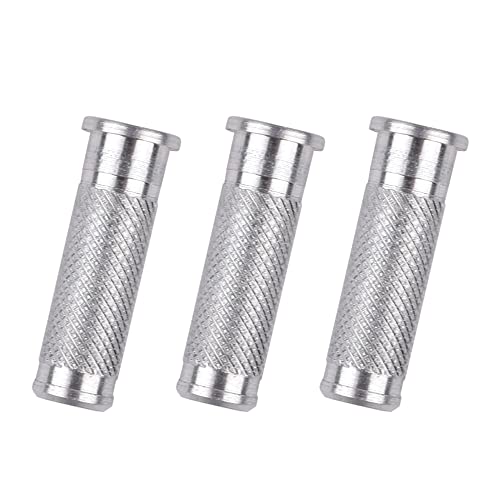
Be In Your Mind 30-Piece Aluminium Arrow Inserts, 6.2 mm
£9.89 *View On Amazon* - Archery Carbon Arrows
NIKA ARCHERY 16-22-Inch Carbon Crossbow Bolts, 12 Pack
£24.99 *View On Amazon* - Archery Carbon Arrows
NIKA ARCHERY 7.5-Inch Carbon Crossbow Bolts for COBRA R9, 12 Pack
£29.99 *View On Amazon* - Archery Carbon Arrows
Namvo 6-Piece Stainless Steel Archery Broadheads, 100 Grain
£9.99 *View On Amazon* - Archery Carbon Arrows
SHARROW 125 Grain Stainless Steel Screw-In Arrow Points, Silver
£13.99 *View On Amazon* - Archery Carbon Arrows
Traditional Glue-On Archery Arrowheads, 6-Pack for 8 mm Arrows
£14.99 *View On Amazon* - Archery Carbon Arrows
20 Pack Protector Nock Collars for 7 mm Carbon Arrow Shafts
£10.49 *View On Amazon* - Archery Carbon Arrows
PHILOCS 12 Pack Pure Carbon Arrows 31 inch Spine 600 with Turkey Feathers
£31.69 *View On Amazon* - Archery Carbon Arrows
biubiusot Carbon Crossbow Bolts 7.5 inch, 12 Pack with 2-inch Vanes
£11.99 *View On Amazon* - Archery Carbon Arrows
12 Piece 31 inch Mixed Carbon Archery Arrows, 500 Spine, Navy Blue
£32.99 *View On Amazon*




Practical Carbon Arrows for Target Archery
Carbon arrows are often chosen because they are light, strong and consistent when used correctly. They can be a good option for archers who want a more refined arrow than basic starter shafts, provided the arrow matches the bow, draw weight and draw length.
A suitable carbon arrow should fly consistently, fit the bow string correctly and use an appropriate target point. It should also be inspected carefully before every session because damaged carbon arrows should not be shot.
Carbon arrows can support better performance, but they do not replace safe range setup, proper targets, suitable backstops, good technique and supervision where needed.
How to Choose Archery Carbon Arrows
Start by checking the bow type, draw weight and the archer’s draw length. These details help determine the correct arrow length, spine and weight.
Key decision factors include arrow length, arrow spine, shaft diameter, shaft weight, straightness, target point type, insert compatibility, nock fit, fletching style, bow compatibility, draw weight, draw length, indoor or outdoor use, club rules, target type, safe backstop and inspection routine.
Do not choose carbon arrows only because they look professional. Compatibility and safety matter first.
Carbon Arrows Explained
Carbon arrows use carbon fibre construction in the shaft. This can make them light, stiff and consistent compared with some basic arrow types.
A carbon arrow normally includes the shaft, point, insert where relevant, nock and fletchings. Each part must be secure and suitable for the bow.
Carbon arrows can perform very well, but they need careful inspection. Cracked, splintered or damaged carbon shafts should be removed from use immediately.
Carbon Arrows for Recurve Bows
Carbon arrows can be used with many recurve bows when the arrow spine, length and weight are suitable.
They may suit improving recurve archers who want better consistency for target practice and club shooting.
Beginners should avoid guessing. A carbon arrow that is too stiff, too weak or too short can create poor flight and safety concerns.
Carbon Arrows for Compound Bows
Carbon arrows are commonly used with compound bows because they can offer good consistency and strength when correctly matched.
Compound bows can place high demands on arrows, so spine, length, weight, nock fit and point security are especially important.
Do not use carbon arrows with a compound bow unless they are suitable for that bow’s draw weight, draw length and target setup.
Carbon Arrows for Beginner Archers
Complete beginners do not always need carbon arrows straight away. Many new archers are better starting with robust beginner arrows while they learn basic form and range safety.
Carbon arrows may be useful once the archer is shooting regularly, has a suitable bow and wants more consistent equipment.
For beginners moving up, correct matching is more important than simply buying carbon shafts because they sound advanced.
Carbon Arrows for Improving Archers
Improving archers may benefit from carbon arrows when their technique is becoming more consistent.
A more consistent arrow set can help the archer understand whether misses are caused by form, sight setup, wind or equipment variation.
Carbon arrows are often a useful progression step for archers who practise regularly and want better performance from a matched arrow set.
Carbon Arrows for Club Archery
Club archers often use carbon arrows for target practice, progression and competition style shooting where allowed.
Club advice is useful because experienced archers and coaches can help with spine selection, point weight, arrow length and suitability.
Always follow club rules because some venues or target types may have restrictions on certain arrow materials.
Carbon Arrows for Indoor Archery
Carbon arrows can be used indoors where club or venue rules allow them.
Indoor shooting usually involves known distances and controlled conditions, which can make arrow consistency easier to judge.
Check target type and venue rules before using carbon arrows indoors. Some clubs may have specific requirements.
Carbon Arrows for Outdoor Archery
Carbon arrows are popular for outdoor target archery because they can be light, consistent and suitable for longer distances when correctly matched.
Outdoor conditions such as wind, rain and changing light can make arrow choice more noticeable.
A suitable target, safe backstop and controlled range area are still essential.
Carbon Arrows for Target Practice
Carbon arrows can be excellent for structured target practice when matched to the bow and archer.
They can help with grouping, sight marks and repeatable shooting.
Do not use carbon arrows on unsuitable targets, hard surfaces or improvised backstops. Damaged carbon shafts should not be reused.
Carbon Arrows for Garden Practice
Garden archery should only take place where the area is genuinely safe, private and controlled with a proper target and backstop.
Carbon arrows should not be used towards roads, public paths, neighbours, windows, sheds, vehicles, pets or shared spaces.
A good arrow does not make an unsafe garden range acceptable.
Arrow Length
Arrow length is a major safety point.
A carbon arrow must be long enough for the archer’s draw length. If an arrow is too short, it may be overdrawn, which can be dangerous.
Do not guess arrow length, especially for juniors, beginners or archers changing technique. The arrow should give a safe margin at full draw.
Draw Length and Carbon Arrows
Draw length is how far the archer draws the bow.
The arrow must remain safely positioned throughout the draw. If the archer grows, changes anchor point or changes bow setup, arrow length should be checked again.
This is especially important for junior archers and developing beginners.
Arrow Spine
Arrow spine describes how much the arrow shaft flexes.
Carbon arrows are available in different spine ratings. The correct spine depends on draw weight, draw length, arrow length, point weight and bow type.
Wrong spine can cause poor flight, inconsistent grouping and tuning problems.
Why Spine Matters for Carbon Arrows
When an arrow is released, it flexes as it leaves the bow.
If the carbon arrow is too weak, too stiff or poorly matched, it may not recover cleanly in flight. This can affect consistency and accuracy.
Spine matching is one of the main reasons carbon arrows should be chosen carefully rather than bought at random.
Arrow Weight
Carbon arrow weight affects speed, trajectory, sight marks and target impact.
Lighter arrows may fly flatter, while heavier arrows may feel steadier depending on the bow and setup. Neither is automatically better for every archer.
Choose arrow weight according to bow guidance, target use and safe compatibility.
Grains Per Inch
Some carbon arrows are described by grains per inch. This refers to the shaft weight per inch of length.
This can help archers compare arrow weight and match shafts more carefully.
Beginners do not always need to calculate this in detail, but improving archers may find it useful when building a consistent arrow set.
Shaft Diameter
Carbon arrows come in different diameters.
Slimmer shafts may be useful for outdoor shooting because they can be less affected by wind, while larger diameter shafts may suit some indoor target preferences where allowed.
Diameter also affects point, insert, nock and fletching compatibility.
Shaft Straightness
Straightness affects arrow consistency.
Carbon arrows are often sold with straightness tolerances, depending on the product. A straighter shaft may be more consistent, but the benefit depends on the archer’s level and bow setup.
For beginners, correct spine and safe length are usually more important than chasing the tightest straightness rating.
Carbon Arrow Inserts
Many carbon arrows use inserts to hold the point securely.
The insert must match the shaft and point system. A loose insert can affect arrow weight, target removal and safety.
Check point and insert security regularly, especially after arrows have been pulled from targets.
Carbon Arrow Points
Carbon arrows used for target archery should be fitted with suitable target points.
The point weight should suit the shaft and bow setup. Changing point weight can affect arrow spine behaviour and flight.
Do not use broadheads, hunting points or cutting tips for normal target archery, club use, garden practice or supervised activity sessions.
Target Points for Carbon Arrows
Target points are the correct choice for this category.
They are designed for shooting into suitable archery targets and target bosses.
A secure, compatible target point helps the arrow perform consistently and makes target removal safer and more predictable.
Nocks for Carbon Arrows
The nock clips the arrow to the bow string.
Nock fit is very important. If the nock is too tight, the arrow may not release cleanly. If it is too loose, the arrow may fall from the string or become unsafe.
Check nocks for cracks, looseness and correct fit before shooting.
Pin Nocks and Standard Nocks
Some carbon arrows use standard nocks, while others may use pin nock systems depending on the shaft design.
Pin nocks can help protect the rear of the arrow in some target setups, but they must match the arrow shaft and components.
Do not mix nock systems without checking compatibility.
Fletchings for Carbon Arrows
Fletchings help stabilise the arrow in flight.
Carbon arrows may use plastic vanes, spin vanes, feather fletchings or other target fletching styles depending on the bow and archer.
Damaged, missing or loose fletchings can affect arrow flight and should be repaired or replaced.
Plastic Vanes
Plastic vanes are common on many carbon arrows.
They are practical, durable and suitable for many recurve and compound target setups.
Check vanes for tearing, crushing or loose glue before shooting.
Spin Vanes
Spin vanes are used by some target archers to influence arrow rotation and flight.
They can be useful for more developed archers, but they are more delicate than some standard vanes.
If using spin vanes, inspect them carefully and replace damaged ones before they affect consistency.
Feather Fletchings
Feather fletchings may be used on some carbon arrows depending on the bow and shooting style.
They can be useful in certain setups, but they may need more care in wet weather.
Check feathers for damage, flattening and loose attachment before shooting.
Matched Carbon Arrow Sets
A matched set of carbon arrows helps improve consistency.
If arrows vary in spine, length, weight, point type or fletching, the archer may struggle to understand their shooting results.
For serious practice, use arrows that match as closely as possible.
Carbon Arrow Packs
Carbon arrows are often sold in packs.
A pack can be useful for club archers, improving beginners and regular target shooters because it provides a usable matched set plus possible spares.
Check every arrow in the pack before use, especially nocks, points and fletchings.
Spare Carbon Arrows
Spare arrows are useful because arrows can be lost, damaged or worn.
Try to keep spares matched to your main shooting set. Mixing different carbon arrows can reduce consistency.
Do not keep damaged carbon arrows in the same group as safe arrows.
Carbon Arrows vs Aluminium Arrows
Carbon arrows and aluminium arrows are both popular for target archery.
Carbon arrows are often lighter and can offer strong consistency. Aluminium arrows are often easier to inspect for obvious bends.
The best choice depends on the bow, archer, shooting distance, club rules and inspection habits.
Carbon Arrows vs Fibreglass Arrows
Fibreglass arrows are often used for beginner, junior and group activity sessions because they can be robust and cost effective.
Carbon arrows are usually chosen by archers who want better consistency and a more refined target setup.
For complete beginners, fibreglass or aluminium may sometimes be simpler. For improving archers, carbon can be a useful upgrade.
Carbon Arrows vs Wooden Arrows
Wooden arrows are commonly used with longbows and traditional archery.
Carbon arrows are more common in modern recurve and compound target archery.
Traditional archers may prefer wood for feel and style, while target archers may choose carbon for consistency and performance.
Carbon Arrows for Progression
Carbon arrows can be a good progression choice when the archer has moved beyond very basic equipment.
They can help create a more repeatable setup, especially when shooting at set distances and recording sight marks.
The archer should still focus on technique. Better arrows support progress, but they do not replace practice.
Carbon Arrows and Accuracy
Carbon arrows can support accuracy when they are correctly matched and in safe condition.
Accuracy still depends on the archer’s form, bow setup, draw weight, string condition, rest, sight, release and practice routine.
If arrows are scattered, check technique and setup before assuming the arrows are the problem.
Carbon Arrows and Bow Sights
Changing to carbon arrows may change sight marks because arrow weight and flight can differ from aluminium, fibreglass or wooden arrows.
After changing arrow type, sight settings should be rechecked safely at suitable distances.
Record new sight marks once the arrow setup is consistent.
Carbon Arrows and Arrow Rests
The arrow rest supports the arrow before release and can affect flight.
A damaged, loose or unsuitable rest can make even good carbon arrows fly poorly.
If arrow flight is inconsistent, check the rest, nocking point, string, arrows and archer technique together.
Carbon Arrows and Bow Strings
The carbon arrow nock must fit the bow string correctly.
Poor nock fit can affect release, safety and consistency. The arrow should clip on securely without being forced.
If the nock is too tight or too loose, check nock size and centre serving thickness.
Carbon Arrows and Draw Weight
Carbon arrows must match the bow’s draw weight.
A shaft that is not suitable for the bow’s power can fly badly or create safety concerns.
Do not use carbon arrows with a bow simply because they are the right length. Spine and suitability matter too.
Carbon Arrows and Draw Length
Draw length affects required arrow length and how the shaft behaves.
If draw length changes, the arrows may need to be checked again for safety and performance.
This is especially important for junior archers and adults improving their technique.
Carbon Arrows and Targets
Use carbon arrows only with suitable archery targets.
A proper target boss, block or approved target setup is much safer than improvised materials.
Avoid hard surfaces, unsuitable backstops and targets that may damage shafts.
Carbon Arrows and Backstops
A safe backstop helps manage missed shots.
Backstop netting, safe overshoot space and careful target placement all matter. A carbon arrow still needs a controlled range behind the target.
Do not rely on fences, sheds, trees or random materials as a safe backstop.
Inspecting Carbon Arrows Before Use
Carbon arrows should be inspected before every shooting session.
Look for cracks, splinters, dents, soft spots, damaged nocks, loose points, missing fletchings and unusual marks.
If anything looks wrong, do not shoot the arrow.
Checking Carbon Shafts
Carbon shafts can be damaged by hard impacts, misses, target frames, poor storage or being stepped on.
Damage may not always be as obvious as a bent aluminium shaft, so inspection needs care.
If a carbon shaft shows cracking, splitting, rough fibres or suspicious marks, remove it from use.
Flex Checking Carbon Arrows
Some archers use a careful flex check to help identify damaged carbon shafts, following appropriate safety guidance.
This should be done gently and sensibly, not by aggressively bending the arrow.
If you hear cracking, see splinters or feel weakness, do not shoot the arrow.
Carbon Splinters
Damaged carbon arrows can produce sharp splinters.
Handle suspect arrows carefully and do not run bare hands along a damaged shaft.
If a carbon arrow is cracked or splintered, dispose of it safely rather than trying to keep using it.
Damaged Carbon Arrows
Damaged carbon arrows should not be shot.
Do not attempt to hide damage with tape, glue or cosmetic repairs unless the repair is appropriate and the arrow remains safe according to proper archery guidance.
A questionable carbon arrow should be removed from the shooting set.
Lost Carbon Arrows
Lost arrows should be searched for only when the range is safe and all shooting has stopped.
Bright nocks and fletchings can make arrows easier to find.
Do not continue shooting if missing arrows could create a hazard in the range area.
Counting Carbon Arrows
Counting arrows before and after shooting is a simple safety habit.
It is especially important for clubs, schools, youth groups, outdoor ranges and supervised family use.
Every arrow should be accounted for before the session moves on.
Carrying Carbon Arrows Safely
Carbon arrows should be carried carefully with points controlled.
Do not run with arrows, wave them around or carry them loose in public areas.
Use a quiver, arrow tube or arrow case to keep them organised.
Collecting Carbon Arrows Safely
Arrows should be collected only when all shooting has stopped and the range is declared safe.
Walk calmly to the target. Do not stand behind someone pulling arrows from the target.
Return arrows to a quiver or safe storage after collection.
Removing Carbon Arrows from Targets
Carbon arrows should be removed carefully to avoid bending, twisting or damaging the shaft.
An arrow puller can help grip the shaft and reduce strain.
Pull straight and make sure nobody is standing directly behind the arrow being removed.
Cleaning Carbon Arrows
Clean carbon arrows make inspection easier and help keep equipment in good condition.
Wipe dirt, grass and target residue from the shaft after use. Dry arrows before storage.
Do not scrub damaged carbon shafts or ignore rough areas.
Storing Carbon Arrows
Store carbon arrows straight, dry and protected.
Use an arrow tube, arrow case or suitable quiver that prevents crushing and protects fletchings.
Keep arrows away from children, pets, damp, heat and heavy items.
Transporting Carbon Arrows
Transport carbon arrows discreetly and securely in a tube, case or bow bag.
Do not carry arrows openly in public places. Keep points covered and shafts protected.
Do not throw loose carbon arrows into a car boot or kit bag where they may be crushed or damaged.
Carbon Arrows and Quivers
A quiver helps keep carbon arrows organised during shooting.
It prevents arrows being left on the ground, stepped on or mixed with other people’s equipment.
For target archery, a side quiver, hip quiver or ground quiver can be very useful.
Carbon Arrows and Arrow Tubes
An arrow tube is useful for protecting carbon arrows during storage and travel.
It helps prevent crushing, bending pressure and fletching damage.
For regular club shooting, an arrow tube is a sensible accessory.
Carbon Arrows and Arrow Cases
An arrow case offers structured protection for matched carbon arrow sets.
It can help separate main arrows, spare arrows and damaged arrows that need checking.
For improving archers, proper arrow storage helps preserve consistency.
Carbon Arrows and Children
Children should use carbon arrows only if they are suitable for the child’s bow, draw length and strength.
Adults should inspect arrows before use and control when arrows are handled, shot and collected.
Children should never be left unsupervised with bows or arrows.
Carbon Arrows and Schools
Schools and youth groups should choose arrows that are easy to inspect, suitable for the bows and robust enough for supervised beginner use.
Carbon arrows may be suitable for some group settings, but inspection must be taken seriously.
Damaged carbon arrows should be removed from use immediately.
Carbon Arrows and Activity Providers
Activity providers need arrows that support safe instruction and repeated supervised use.
At YPC, archery sessions depend on safe equipment checks, suitable targets and clear range rules. Arrows must be practical, inspectable and correctly matched.
For public activity settings, easy inspection and reliable performance are essential.
Carbon Arrows and Public Places
Archery arrows should not be used or carried openly in public places.
Do not shoot in parks, streets, footpaths, open fields, car parks or shared spaces unless the activity is authorised and fully controlled.
Transport arrows discreetly and use them only in safe, suitable archery settings.
Carbon Arrows and Pets
Do not use or store carbon arrows where pets can access them.
Animals may run into the shooting area, knock arrows over or injure themselves on points.
Keep arrows packed away when not in use.
Carbon Arrows and Hunting Misuse
This category is intended for target archery, supervised practice, club shooting and organised activity use.
Do not use carbon arrows for illegal hunting, wildlife harm, intimidation, public misuse or unsafe behaviour.
Use suitable target points only for responsible archery practice.
Common Carbon Arrow Buying Mistakes
Common mistakes include buying arrows that are too short, choosing the wrong spine, ignoring draw weight, buying the wrong nocks, using unsuitable points and mixing different arrows in the same set.
Another mistake is choosing carbon arrows before the archer has a consistent enough setup to benefit from them.
Choose carbon arrows for fit, safety and target use first.
Common Carbon Arrow Use Mistakes
Common use mistakes include shooting cracked shafts, failing to inspect after a miss, reusing damaged arrows, pulling arrows out badly, carrying them loose and storing them where they can be crushed.
Another common mistake is assuming carbon damage will always be obvious.
Carbon arrows need careful checks before shooting.
Carbon Arrow Safety Checklist
Before shooting, check arrow length, shaft condition, spine suitability, point security, nock condition, fletching condition, bow compatibility, target suitability and backstop safety.
Make sure the range is clear and controlled before arrows are nocked.
If a carbon arrow looks damaged or questionable, do not shoot it.
When Not to Use Carbon Arrows
Do not use carbon arrows if they are cracked, splintered, crushed, too short, fitted with loose points, fitted with damaged nocks, missing fletchings or unsuitable for the bow.
Do not use arrows in unsafe areas, public places, near roads, near animals, near people or towards unsuitable targets.
If the arrow, bow or range is unsafe, archery should not take place.
Shop Archery Carbon Arrows Online
Browse our Archery Carbon Arrows range to find practical carbon target arrows for recurve bows, compound bows, improving archers, club shooting, supervised practice and organised archery sessions. Compare arrow length, spine, shaft diameter, arrow weight, point type, nock fit, fletching style, pack size, bow compatibility and safe target use to choose carbon arrows that suit your bow, archer and practice setting.
Archery Carbon Arrows FAQs
What are carbon arrows used for?
Carbon arrows are used for target archery, club shooting, supervised practice and organised archery sessions when matched to the bow and archer.
Are carbon arrows good for beginners?
They can be suitable for improving beginners, but complete beginners may be better starting with simpler arrows until their technique and setup are more consistent.
Can carbon arrows be used with recurve bows?
Yes, carbon arrows can be used with many recurve bows when the length, spine and weight are correct.
Can carbon arrows be used with compound bows?
Yes, carbon arrows are commonly used with compound bows, but they must match the bow’s draw weight, draw length and setup.
Are carbon arrows better than aluminium arrows?
Not always. Carbon arrows can be light and consistent, while aluminium arrows are often easier to inspect for visible bends. The better choice depends on the archer and bow.
Are carbon arrows better than fibreglass arrows?
Carbon arrows usually offer better consistency, while fibreglass arrows can be practical for basic beginner or group activity use.
Can children use carbon arrows?
Yes, if the arrows suit the child’s bow, draw length and strength, and the child is supervised by an adult.
What arrow length do I need?
Arrow length should be based on the archer’s draw length and must be long enough for safe shooting.
What is arrow spine?
Arrow spine describes how much the arrow shaft flexes. It must suit the bow’s draw weight, arrow length and point weight.
Why does carbon arrow spine matter?
Wrong spine can cause poor arrow flight, inconsistent grouping and setup problems.
Can carbon arrows crack?
Yes. Carbon arrows can crack, splinter or become damaged after hard impacts, misses or poor storage.
Can I shoot a cracked carbon arrow?
No. A cracked or splintered carbon arrow should be removed from use immediately.
How do I inspect carbon arrows?
Check for cracks, splinters, soft spots, damaged nocks, loose points, missing fletchings and unusual marks before shooting.
Are carbon arrows dangerous if damaged?
Damaged carbon arrows can be unsafe and may produce sharp splinters. Do not shoot or handle damaged shafts carelessly.
What points should carbon arrows use?
For this category, carbon arrows should use suitable target points for responsible target archery.
Can I use broadheads with carbon arrows?
Broadheads are not suitable for normal target archery, club use, garden practice or supervised activity sessions.
How should carbon arrows be stored?
Store them dry, straight and protected in an arrow tube, arrow case or suitable quiver, away from children, pets, damp, heat and heavy items.
Can carbon arrows be used in the garden?
Only if the garden is genuinely safe, private and controlled with a proper target, backstop and no risk to people, animals or property.
Why buy Archery Carbon Arrows from YPC?
YPC runs real archery sessions at Yorkshire Outdoor Activity Park, so we understand correct arrow matching, careful inspection, proper target use, supervised practice and responsible target archery.
 Getting ready for Summer? View our Home and Garden Products

Heading outdoors this winter? Take a look at our Outdoor Clothing.