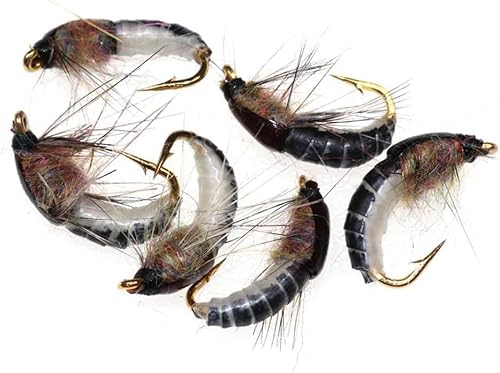
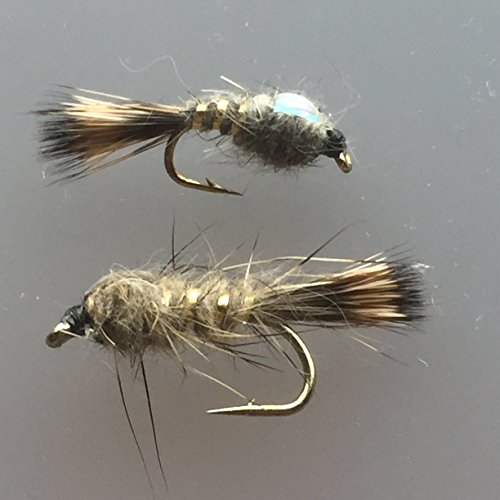
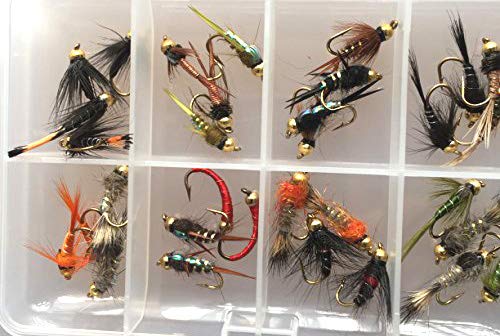
Fly fishing flies are artificial lures designed to imitate insects, baitfish and other natural food sources that fish may feed on. They are suitable for beginners, regular fly anglers and experienced fishers who want the right fly pattern for the water, season, target species and fishing method.
The right fly fishing fly depends on where you fish, the fish you are targeting, water clarity, fly size, hook type, colour, buoyancy, depth, retrieve style and local rules. Some flies are designed to float on the surface, while others are made to fish below the surface or move actively through the water.
Fly fishing flies are artificial fishing lures used with fly rods, fly reels and fly lines. They are usually tied from materials such as feathers, fibres, thread, fur, synthetic materials, wire or tinsel, depending on the pattern.
Despite the name, not all fly fishing flies imitate flying insects. Some imitate nymphs, larvae, shrimp, baitfish, terrestrials or general food shapes. Others are attractor patterns designed to trigger interest rather than copy one exact natural insect.
Fly choice is an important part of fly fishing because presentation, size and depth can matter just as much as the pattern itself.
What Are Fly Fishing Flies Used For?
Fly fishing flies are used to tempt fish by imitating food or triggering a response. They can be used on rivers, streams, stillwaters, reservoirs and other suitable waters where fly fishing is allowed.
Dry flies are used on or near the surface when fish are feeding upward. Wet flies, nymphs and buzzers are used below the surface when fish are feeding deeper. Streamers and lure style flies are often retrieved to suggest movement.
Choosing the right fly helps match your approach to the conditions. If fish are rising, a dry fly may be suitable. If there is no surface activity, a nymph, buzzer or wet fly may be a better starting point.
How To Choose The Right Fly Fishing Flies
Start with the water and target species. Trout, grayling, salmon and other fish may respond to different fly sizes, patterns and presentations depending on the season and venue.
Next, consider where fish are feeding. If fish are taking insects from the surface, dry flies may be useful. If they are feeding below the surface, nymphs, buzzers, wet flies or streamers may be more effective.
Fly size is important too. A fly that is too large may look unnatural, while a fly that is too small may be hard to see or difficult to present in faster water. Match the fly to the insects, water conditions and tackle you are using.
Key Features To Compare
When comparing fly fishing flies, look at fly type, size, hook pattern, colour, buoyancy, material, weight, profile and intended use. These details affect how the fly sits, sinks, floats or moves in the water.
A dry fly should float well enough for the intended presentation. A nymph or buzzer should fish at the right depth. A streamer or lure style fly should move in a way that suits the retrieve and target fish.
Hook type also matters. Some fisheries require barbless hooks, while others may allow different hook styles. Always check the rules of the water before fishing.
Dry Flies, Wet Flies, Nymphs And Streamers
Dry flies are designed to float on the surface or sit in the surface film. They are often used when fish are rising to insects.
Wet flies are fished below the surface and can imitate drowned insects, emerging insects or general food items. They are often worked through moving water or retrieved slowly on stillwaters.
Nymphs imitate immature aquatic insects and are usually fished below the surface. They can be very useful when fish are feeding deeper and are not showing on top.
Streamers and lure style flies are often used to imitate baitfish, fry, leeches or moving prey. They are usually retrieved to create action and can be useful when fish are active or hunting.
Fly Fishing Flies Compared With Conventional Lures
Fly fishing flies are usually lighter than conventional spinners, spoons or plugs. They are cast using the weight of the fly line rather than the weight of the lure itself.
Conventional lures often rely on metal weight, vibration, flash or built in action. Fly fishing flies rely more on presentation, imitation, drift, depth and subtle movement, although streamer patterns can still be active and attention grabbing.
The trade off is control and style. Fly fishing can be more delicate and presentation focused, while conventional lure fishing may be easier for covering water quickly with heavier tackle.
Beginner, Regular Angler And Experienced Angler Guidance
Beginners should start with a simple selection of dry flies, nymphs, wet flies and a few general attractor patterns. A small, well chosen fly box is usually more useful than carrying too many flies at once.
Regular fly anglers may want patterns for different seasons, water types and feeding depths. Having a few fly sizes and colours can help you adapt when fish become selective.
Experienced anglers often choose flies based on insect life, water temperature, light levels, wind, water clarity and how fish are feeding. Small changes in fly size, depth or presentation can make a big difference.
Matching The Hatch And Reading The Water
Matching the hatch means choosing a fly that resembles the insects or food that fish are feeding on at that moment. This can involve matching size, shape, colour and behaviour.
On rivers, look for insects on the water, fish rising, bubble lines, seams, pools and glides. On stillwaters, watch for surface movement, wind lanes, feeding fish and signs of emerging insects.
You do not always need an exact match. Sometimes a close size and sensible presentation are enough. At other times, fish can be selective, so carrying a few alternatives is useful.
Size, Colour And Profile
Fly size should suit the food source, fish behaviour and water conditions. Smaller flies can be useful when fish are cautious, while larger flies may be easier to see or more suitable when fish are feeding aggressively.
Colour can help a fly stand out or blend in. Natural colours often work well when fish are feeding carefully, while brighter or bolder colours may help in coloured water, low light or attractor fishing.
Profile matters because fish often see the shape of the fly before the fine details. A slim nymph, bushy dry fly or mobile streamer can all suggest different food items.
Floating, Sinking And Depth Control
Different fly patterns are designed to fish at different depths. Dry flies need to stay on or near the surface, while nymphs, buzzers and weighted flies are designed to fish below it.
Depth control also depends on leader length, fly line type, retrieve speed and water movement. A good fly choice will still struggle if it is not presented at the depth where fish are feeding.
For stillwater fishing, changing depth can be more important than changing pattern. For river fishing, controlling drift and avoiding drag can be just as important as the fly itself.
Hooks, Barbs And Fish Care
Fly fishing flies may be tied on barbed, debarbed or barbless hooks depending on the product. Many fisheries prefer or require barbless hooks because they can make unhooking quicker and help support better fish handling.
Hook size should suit the fly pattern and target fish. A hook that is too large may affect presentation, while one that is too small may not suit stronger fish or demanding conditions.
Fish care matters. Use suitable landing nets, wet hands before handling fish where appropriate, keep fish out of the water for as little time as possible and follow local catch and release or take rules.
Venue Rules, Licences And Responsible Fly Fishing
Always check current fishing rules before using fly fishing flies. You may need a rod licence, day ticket, club membership or landowner permission depending on where you fish.
Some waters restrict fly types, hook styles, fishing seasons, catch limits, methods, wading areas or target species. Rules can vary between rivers, stillwaters, reservoirs and private fisheries.
Responsible fly fishing means taking old line, packaging and damaged flies home with you. Avoid leaving hooks, leaders or waste where wildlife, livestock or other people may be harmed.
Care, Storage And Maintenance
Fly fishing flies should be stored dry and organised. A suitable fly box helps protect hooks and materials, while keeping patterns easy to find during a session.
After fishing, let wet flies dry before long term storage where possible. This can help reduce rust on hooks and keep materials in better condition.
Check hooks regularly for sharpness, rust or damage. A fly with a blunt or damaged hook may look fine in the box but perform poorly when a fish takes.
Useful Accessories To Consider
Useful accessories for fly fishing flies include fly boxes, leaders, tippet, floatant, sinkant, forceps, nippers, fly patches, fly line dressing, landing nets, hook sharpeners and polarised glasses.
For dry fly fishing, floatant can help keep suitable patterns sitting correctly. For nymphs and wet flies, indicators, different leader setups and sinkant may be useful depending on the method and venue rules.
The best fly setup is not just about the fly itself. Leader choice, presentation, depth and fish handling equipment all work together.
Why Buy Fly Fishing Flies From YPC?
At YPC, we understand active lifestyles and the need for practical products that work in real use. Fly fishing flies should be chosen carefully because size, pattern, depth, hook type and presentation all matter.
Browse the Fly Fishing Flies category at YPC to compare available options, check the details that suit your fishing style and choose flies that match the waters and species you plan to target.
Fly Fishing Flies FAQs
What are fly fishing flies?
Fly fishing flies are artificial lures used in fly fishing. They are designed to imitate insects, nymphs, baitfish or other food sources that fish may take.
They are usually cast with a fly rod and fly line rather than the weight of the lure itself.
Are fly fishing flies suitable for beginners?
Yes, fly fishing flies are suitable for beginners, but it is best to start with a small selection of simple patterns. A few dry flies, nymphs, wet flies and general attractors can cover many starter situations.
Beginners should focus on presentation and depth rather than carrying too many patterns.
What is a dry fly?
A dry fly is a fly designed to float on the surface or sit in the surface film. It is often used when fish are rising to insects.
Dry fly fishing can be very visual because you may see the fish take the fly from the surface.
What is a wet fly?
A wet fly is designed to fish below the surface. It may imitate a drowned insect, emerging insect or general food item.
Wet flies can be used on rivers, streams and stillwaters depending on the method and local rules.
What is a nymph fly?
A nymph fly imitates the immature stage of aquatic insects. Nymphs are usually fished below the surface because many fish feed heavily on insects before they hatch.
Nymph fishing can be useful when there is little or no surface activity.
What is a streamer fly?
A streamer is a fly designed to imitate moving prey such as small fish, fry, leeches or similar food items. It is usually retrieved to create movement.
Streamers can be useful when fish are hunting or responding to active presentations.
What are buzzers in fly fishing?
Buzzers are fly patterns that imitate midge pupae. They are often used in stillwater trout fishing when fish are feeding below the surface.
They can be fished at different depths depending on the setup and conditions.
What flies should I use for trout?
Trout flies may include dry flies, nymphs, buzzers, wet flies and streamers depending on the water and season. The best choice depends on what trout are feeding on and where they are feeding.
Watch the water for rising fish, insects and signs of activity before choosing a fly.
What flies should I use for grayling?
Grayling are often caught on nymphs and small dry flies, depending on conditions and local rules. Fly size, drift and presentation can be very important.
Always check seasons, permissions and fishery guidance before targeting grayling.
Does fly size matter?
Yes, fly size can make a big difference. Fish may ignore a fly that is much larger or smaller than the food they are feeding on.
Carry a few sizes of key patterns so you can adjust if fish are interested but not taking confidently.
Does fly colour matter?
Fly colour can matter, especially in clear water or when fish are feeding selectively. Natural colours may suit cautious fish, while brighter flies may work as attractor patterns or in coloured water.
Size and presentation are often just as important as colour.
What does matching the hatch mean?
Matching the hatch means choosing a fly that resembles the insects currently hatching or being eaten by fish. This can include matching size, shape, colour and how the insect behaves.
It is useful on rivers and stillwaters when fish are feeding on a specific food source.
Do I need barbless fly fishing flies?
Some fisheries require barbless hooks, while others may allow barbed or debarbed hooks. Barbless flies can make unhooking quicker and may support better fish handling.
Always check the rules of the water before fishing.
Can I use the same flies on rivers and stillwaters?
Some flies can be used on both rivers and stillwaters, but presentation often changes. River fishing may focus on drift and current, while stillwater fishing may involve depth control and retrieve speed.
It is useful to carry patterns suited to the type of water you fish most often.
How should I store fly fishing flies?
Store flies in a suitable fly box that keeps them organised and protects the hooks. Let wet flies dry before long term storage where possible.
Keeping dries, nymphs, wet flies and streamers separate can make it easier to find the right pattern quickly.
How do I know when a fly needs replacing?
Replace or repair a fly if the hook is rusty, blunt, bent or damaged. Also check whether the materials have come loose or the fly no longer floats or moves as intended.
A damaged fly may not present properly or hook fish reliably.
What accessories are useful with fly fishing flies?
Useful accessories include fly boxes, leaders, tippet, floatant, sinkant, forceps, nippers, fly patches, hook sharpeners and landing nets.
Polarised glasses can also help with spotting fish, reading water and reducing surface glare.
What should I check before buying fly fishing flies?
Check the fly type, size, colour, hook style, target species, water type and venue rules. Also think about whether you need dry flies, nymphs, wet flies, buzzers, streamers or a mixed selection.
The best flies are the ones that suit the water, season, fish behaviour and presentation you plan to use.
Heading outdoors this winter? Take a look at our Outdoor Clothing.
Manage Consent
To provide the best experiences, we use technologies like cookies to store and/or access device information. Consenting to these technologies will allow us to process data such as browsing behaviour or unique IDs on this site. Not consenting or withdrawing consent, may adversely affect certain features and functions.
Functional
Always active
The technical storage or access is strictly necessary for the legitimate purpose of enabling the use of a specific service explicitly requested by the subscriber or user, or for the sole purpose of carrying out the transmission of a communication over an electronic communications network.
Preferences
The technical storage or access is necessary for the legitimate purpose of storing preferences that are not requested by the subscriber or user.
Statistics
The technical storage or access that is used exclusively for statistical purposes.The technical storage or access that is used exclusively for anonymous statistical purposes. Without a subpoena, voluntary compliance on the part of your Internet Service Provider, or additional records from a third party, information stored or retrieved for this purpose alone cannot usually be used to identify you.
Marketing
The technical storage or access is required to create user profiles to send advertising, or to track the user on a website or across several websites for similar marketing purposes.